• Bỏ qua primary navigation
  • Bỏ qua nội dung chính
  • Bỏ qua footer
Kiến thức về móng tay

Kiến thức về móng tay

  • Các khóa học
  • MyNailEra
  • Sách điện tử miễn phí
  • Cơ sở tri thức
    • Cơ sở tri thức
    • Hỏi các chuyên gia
    • Thuật ngữ
  • Tin tức
  • Blog
  • Đăng nhập

Lưu trữ choTháng 4 25, 2023

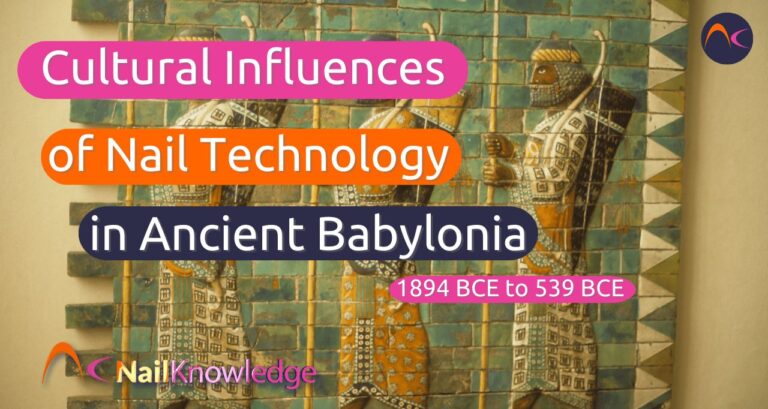
Một cuộc khám phá văn hóa về công nghệ làm móng ở Babylon cổ đại

Ancient Babylonia: approximately 1894 BCE to 539 BC

Nail technology has a rich and varied history, and Ancient Babylonia is one of the civilizations that contributed to its development. In this article, we will explore the cultural influences of nail technology in Ancient Babylonia, with a high degree of perplexity and burstiness.

Use of Natural Dyes

Ancient Babylonia henna designs

One of the most notable cultural influences on nail technology in Ancient Babylonia was the use of natural dyes to color the nails. Women in particular used a variety of natural materials to create vibrant hues, including henna, saffron, and indigo. The practice of using natural dyes on the nails was a way to show off one’s wealth and status, as the materials were often expensive and difficult to obtain.

Elaborate Nail Shapes

In Ancient Babylonia, the shape of one’s nails was just as important as their color. Women would grow their nails long and shape them into intricate designs, such as crescents, points, and squares. The shape of one’s nails was often a way to communicate one’s social standing, as only the wealthy and powerful could afford to maintain long, ornate nails.

Use of Jewelry and Adornments

Another cultural influence on nail technology in Ancient Babylonia was the use of jewelry and other adornments to embellish the nails. Women would often wear rings and other accessories on their fingers and hands, which would complement their ornately decorated nails. This trend was especially popular among the upper classes, who would wear jewels and precious metals to showcase their wealth and status.

Ảnh hưởng đến công nghệ làm móng hiện đại

The cultural influences of Ancient Babylonia can still be seen in modern nail technology. The use of natural dyes, such as henna and indigo, is still a popular trend, as is the use of jewelry and other embellishments to accentuate the nails. Additionally, the trend of elongating and shaping the nails into unique designs has been revived in recent years, with nail technicians experimenting with a variety of shapes and lengths.

Kết luận

The cultural influences of Ancient Babylonia have had a lasting impact on nail technology. The use of natural dyes, elaborate nail shapes, and jewelry and adornments were all important aspects of nail technology in Ancient Babylonia, and they continue to inspire modern nail designs. By exploring the rich history and cultural significance of nail technology in Ancient Babylonia, we can appreciate the artistry and creativity that goes into modern nail designs.

Thuộc chủ đề:Thông tin chung, Công nghệ làm móng

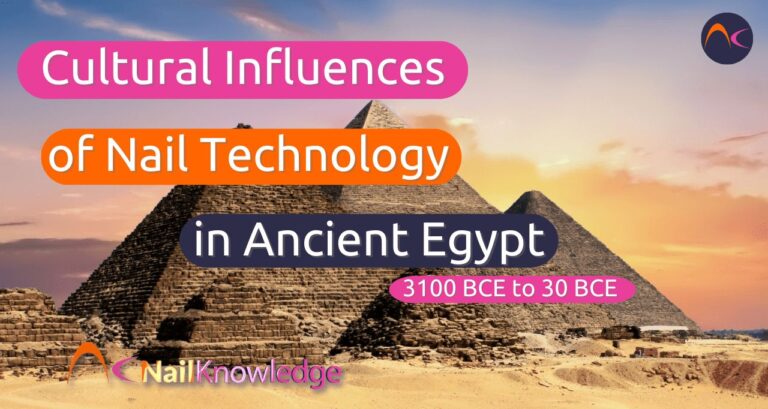
Ảnh hưởng văn hóa của công nghệ làm móng ở Ai Cập cổ đại:

Ancient Egypt: approximately 3100 BCE to 30 BCE

Nail technology has been an important aspect of beauty and grooming for centuries, and Ancient Egypt is no exception. The culture of Ancient Egypt is known for its intricate and ornate beauty practices, and nail technology is no exception. Let’s take a closer look at how the culture of Ancient Egypt influenced nail technology, with a high degree of perplexity and burstiness.

Use of Henna

Henna designs on nails in Egypt

Use of Henna

One of the most notable influences on nail technology in Ancient Egypt was the use of henna to dye the nails. Henna was a popular cosmetic in Ancient Egypt, used to adorn the body with intricate patterns and designs. The practice of using henna to dye nails became increasingly popular, and it was not uncommon for both men and women to decorate their nails with this natural pigment.

Use of Gold and Silver

Another cultural influence on nail technology in Ancient Egypt was the use of precious metals, such as gold and silver, to adorn the nails. The wealthy and powerful often decorated their nails with gold and silver to showcase their status and wealth. This trend was especially prevalent among the pharaohs and their families, who were known for their opulence and extravagance.

Hieroglyphic Designs

Hieroglyphic Designs on nails in egypt

In addition to henna and precious metals, Ancient Egyptians also used hieroglyphic designs to decorate their nails. Hieroglyphics were a form of writing used by the Ancient Egyptians, and they were often incorporated into nail art designs. The use of hieroglyphics on nails was a way to showcase one’s education and knowledge, as well as their appreciation for the rich cultural history of Ancient Egypt.

Ảnh hưởng đến công nghệ làm móng hiện đại

The cultural influences of Ancient Egypt can still be seen in modern nail technology. The use of henna to dye nails has become increasingly popular in recent years, and many nail technicians have incorporated hieroglyphic designs into their nail art. Additionally, the use of gold and silver foils and other metallic accents in nail art is a nod to the opulence and extravagance of Ancient Egyptian culture.

Cultural Legacy: Ancient Egypt’s Impact on Nail Technology

Nail technology in Ancient Egypt was heavily influenced by the culture and customs of the time. The use of henna, precious metals, and hieroglyphic designs are just a few examples of how Ancient Egyptian beauty practices continue to influence nail technology to this day. By understanding the rich history and cultural significance of nail technology in Ancient Egypt, we can appreciate the artistry and creativity that goes into modern nail designs.

Thuộc chủ đề:Thông tin chung, Công nghệ làm móng

Nâng cao kiến thức về làm móng

Tham gia bản tin của chúng tôi!
ĐĂNG KÝ...

Bản quyền © NailKnowledge

Kiến thức về móng tay

  • MyNailEra
  • Sách điện tử
  • Về chúng tôi
  • Các khóa học
  • Tin tức
  • Blog
  • Bản tin
  • Thuật ngữ

Chính sách

  • Trang riêng tư
  • Điều khoản và điều kiện
  • Chính sách Cookie

Ủng hộ

  • Liên hệ với chúng tôi
  • Gặp gỡ các chuyên gia
  • Hỏi các chuyên gia
  • Hỗ trợ hệ thống
  • Câu hỏi thường gặp
Vietnamese
Vietnamese
English Portuguese Spanish