• Bỏ qua primary navigation
  • Bỏ qua nội dung chính
  • Bỏ qua footer
Kiến thức về móng tay

Kiến thức về móng tay

  • Các khóa học
  • Sách điện tử
  • Giỏ sách điện tử
  • Cơ sở tri thức
    • Cơ sở tri thức
    • Hỏi các chuyên gia
    • Thuật ngữ
  • Tin tức
  • Blog
  • Phòng trưng bày
    • Thư viện nghệ thuật làm móng
    • Nghệ sĩ làm móng
    • Tham gia Elite
  • Đăng nhập

Lưu trữ choTháng 4 27, 2023

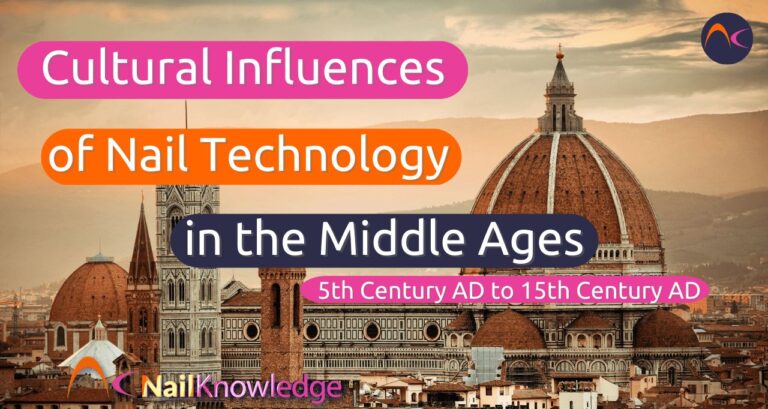
Một cuộc khám phá văn hóa về công nghệ làm móng ở thời Trung cổ

Middle Ages: 5th century AD – 15th century AD

From Function to Fashion

Nail technology during the Middle Ages was an essential aspect of personal hygiene and health, with a strong emphasis on functionality. However, as society evolved, so did the role of nail technology, with an increasing focus on fashion and aesthetics. In this article, we will explore the cultural influences of nail technology in the Middle Ages, with a high degree of perplexity and burstiness.

Functional Purposes

Vào thời Trung cổ, công nghệ làm móng có mục đích chức năng, chủ yếu là để bảo vệ móng khỏi bị hư hại và nhiễm trùng. Mọi người sẽ sử dụng hỗn hợp dầu và bồ hóng để phủ lên móng, tạo thành lớp bảo vệ chống lại bụi bẩn và các chất có hại khác

Thiết kế tượng trưng

During the Middle Ages, nail art was not just a decorative element but also a way of expressing personal beliefs and cultural traditions. Symbolic designs were often used in nail art, with each design holding its own significance. For instance, animals, flowers, and geometric shapes were popular designs, and each design had a unique meaning. The peacock feather design was believed to symbolize wealth and prosperity, while the rose design represented love and beauty. Religious symbols and themes were also often incorporated into nail art, with designs featuring crosses, saints, and other religious figures. These symbolic designs showcased the individual’s beliefs and were a reflection of their identity.

Religious Influences

The Middle Ages were a time of intense religious devotion, and this was reflected in nail technology. Religious symbols and themes were often incorporated into nail art, with designs featuring crosses, saints, and other religious figures. Nail art was also used as a form of prayer and meditation, with individuals using the process of painting their nails as a means of connecting with their faith

Royal Influence

The nobility and royalty during the Middle Ages also had a significant impact on nail technology. Aristocratic women would often decorate their nails with jewels and precious metals, reflecting their social status and wealth. The use of gold and silver in nail art was particularly popular, with the nails often encrusted with diamonds and other precious gems.

Evolution of Fashion

As the Middle Ages progressed, the role of nail technology began to evolve from function to fashion. The use of vibrant colors and intricate designs became more prevalent, reflecting the changing attitudes towards personal style and beauty.

Ảnh hưởng đến công nghệ làm móng hiện đại

The cultural influences of nail technology during the Middle Ages can still be seen in modern nail art. The use of religious symbols and themes, as well as the incorporation of jewels and precious metals, are still popular trends in modern nail art. Additionally, the focus on function and hygiene continues to be a crucial aspect of modern nail technology, with nail care products and techniques designed to protect and strengthen the nails.

Kết luận

Nail technology during the Middle Ages had functional purposes, with a strong emphasis on hygiene and health. However, as society evolved, the role of nail technology began to shift towards fashion and aesthetics, with religious and royal influences playing a significant role in shaping this evolution. The cultural influences of nail technology during the Middle Ages continue to inspire modern nail art, making it a fascinating and ever-evolving industry.

Thuộc chủ đề:Thông tin chung, Công nghệ làm móng

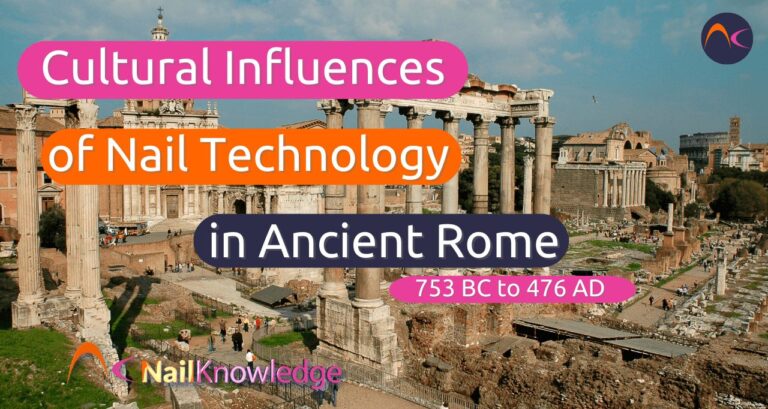
Một cuộc khám phá văn hóa về công nghệ làm móng ở La Mã cổ đại

La Mã cổ đại: khoảng năm 753 trước Công nguyên đến năm 476 sau Công nguyên

Một truyền thống tinh vi và mang tính biểu tượng

Nail technology in Ancient Rome was a sophisticated and symbolic tradition that reflected the cultural values of the time. Romans used nail art to communicate their social status and personal style, with designs ranging from simple to elaborate. The use of bold colors, intricate patterns, and natural ingredients were all integral parts of this ancient art form. In this article, we will explore the cultural influences of nail technology in Ancient Rome, with a high degree of perplexity and burstiness.

Địa vị xã hội

In Ancient Rome, nail art was a symbol of social status. Wealthy individuals would often decorate their nails with precious stones, while the less affluent would use nail polish made from natural ingredients. The color of nail polish also indicated a person’s social status, with lighter colors being reserved for the upper class and darker shades for the lower class.

Thiết kế tượng trưng

Các thiết kế được sử dụng trong nghệ thuật làm móng tay La Mã cổ đại thường mang tính biểu tượng, phản ánh niềm tin cá nhân và truyền thống văn hóa. Các thiết kế có hình động vật, hoa và hình dạng hình học rất phổ biến, mỗi thiết kế đều có ý nghĩa riêng. Ví dụ, thiết kế lông công được cho là tượng trưng cho sự giàu có và thịnh vượng, trong khi thiết kế hoa hồng tượng trưng cho tình yêu và vẻ đẹp.

Sử dụng các thành phần tự nhiên

Người La Mã sử dụng các thành phần tự nhiên để tạo ra sơn móng tay, bao gồm sáp ong, lòng trắng trứng và thuốc nhuộm tự nhiên. Việc sử dụng các thành phần tự nhiên không chỉ vì mục đích thẩm mỹ mà còn có lợi ích về mặt y học, với một số thành phần được cho là giúp móng chắc khỏe và ngăn ngừa nhiễm trùng.

Ảnh hưởng đến công nghệ làm móng hiện đại

The cultural influences of Ancient Rome can still be seen in modern nail technology. The use of bold colors, intricate designs, and natural ingredients are all popular trends in modern nail art. Additionally, many nail technicians have adopted traditional Roman nail art techniques, such as the use of stencils and freehand painting, to create unique and stunning designs.

Kết luận

Công nghệ làm móng ở La Mã cổ đại là một truyền thống tinh vi và mang tính biểu tượng phản ánh các giá trị văn hóa của thời đại đó. Việc sử dụng nghệ thuật làm móng để truyền đạt địa vị xã hội và phong cách cá nhân, cùng với các thiết kế mang tính biểu tượng và các thành phần tự nhiên, đã biến công nghệ làm móng của La Mã cổ đại thành một hình thức nghệ thuật hấp dẫn. Những ảnh hưởng văn hóa của La Mã cổ đại tiếp tục truyền cảm hứng cho nghệ thuật làm móng hiện đại, biến nó thành một ngành công nghiệp sôi động và sáng tạo ngày nay.

Thuộc chủ đề:Thông tin chung, Công nghệ làm móng

Nâng cao kiến thức về làm móng

Tham gia bản tin của chúng tôi!
ĐĂNG KÝ...

Bản quyền © NailKnowledge

Kiến thức về móng tay

  • Sách điện tử
  • Về chúng tôi
  • Các khóa học
  • Tin tức
  • Blog
  • Bản tin
  • Thuật ngữ

Chính sách

  • Trang riêng tư
  • Điều khoản và điều kiện
  • Chính sách Cookie

Ủng hộ

  • Liên hệ với chúng tôi
  • Hỏi các chuyên gia
  • Hỗ trợ hệ thống
  • Câu hỏi thường gặp
Vietnamese
Vietnamese
English Portuguese Spanish