• Bỏ qua primary navigation
  • Bỏ qua nội dung chính
  • Bỏ qua footer
Kiến thức về móng tay

Kiến thức về móng tay

  • Các khóa học
  • Sách điện tử
  • Giỏ sách điện tử
  • Cơ sở tri thức
    • Cơ sở tri thức
    • Hỏi các chuyên gia
    • Thuật ngữ
  • Tin tức
  • Blog
  • Phòng trưng bày
    • Thư viện nghệ thuật làm móng
    • Nghệ sĩ làm móng
    • Tham gia Elite
  • Đăng nhập

Vệ sinh tiệm

Understanding Proper Ventilation in Nail Salons

If you’re running a salon or working in one, your top priority should be the health and comfort of both clients and professionals. One of the most overlooked, but absolutely critical, elements of salon safety is proper ventilation. Understanding proper ventilation in nail salons means knowing not just that you need fresh air, but how to achieve it effectively, consistently, and professionally. It’s not simply about opening a window, it’s about installing the right systems, using them correctly, and ensuring they’re suited to the demands of a busy salon environment.

What Does Proper Ventilation in Nail Salons Really Mean?

Proper ventilation goes far beyond just opening a window or plugging in an air purifier. It means having professionally installed and specifically designed equipment that ensures a consistent supply of high-quality air. This system must be:

  • Effective for your specific salon setup and services.
  • Always turned on during business hours.
  • Well maintained year-round.

The gold standard? A professional-grade source capture ventilation system designed specifically for nail salons.

Why Home Air Cleaners Just Don’t Cut It

Avoid using home air purifiers in a professional setting. They might make the air smell fresher, but they won’t adequately remove dangerous vapours or fine dust. Worse yet, they give a false sense of security. Professional salons require ventilation tailored to the tasks performed, and that includes handling multiple clients and technicians working at once.

Signs Your Ventilation in Nail Salons Isn’t Working Properly

Ask yourself or your staff these questions:

  • Do strong product odours linger more than 10 minutes after use?
  • Can you smell products from other rooms?
  • Is there a noticeable odour when opening the salon in the morning?
  • Do clients comment or complain about strong smells?
  • Do you have to open windows or doors to clear the air?
  • Are there signs of excess moisture—like foggy windows or sweating walls?
  • Is there a fine layer of dust on surfaces despite regular cleaning?

If you said “yes” to even one, it’s time to get help. Contact a local HVAC (Heating, Ventilation, and Air Conditioning) expert to inspect and maintain your system. These professionals can also advise on reducing dust, allergens, and vapours, improving both air quality and health outcomes in your salon.

Recognising the Symptoms of Poor Air Quality

Salon workers experiencing frequent:

  • Headaches
  • Sore throats
  • Coughing or nausea
  • Watery or burning eyes
  • Blurry vision

…might be reacting to poor ventilation. These are signs of “sensory irritation” and shouldn’t be ignored.

Don’t Confuse Odours with Danger

Here’s a myth to bust: Odour = danger. That’s not always true. Smelly items like dirty socks or nappies aren’t necessarily harmful. On the other hand, some fragrances, which smell great, can trigger allergies.

So what’s the point? Ventilation shouldn’t be used to eliminate odours, it should control vapours and dust. Don’t be misled by products that promise to “neutralise” smells. Odour is actually your warning sign that the air quality isn’t good enough.

What About “Fumes”?

This is another common misconception. In salons, we’re not dealing with “fumes” (which come from burning, like smoke). Nail products give off vapours when they evaporate, completely different from fumes. So you’re not removing fumes; you’re managing vapours and dusts.

Practical Tips to Improve Ventilation in Nail Salons and Reduce Dust

  • Empty bins regularly – Use metal bins with self-closing lids to contain vapours.
  • Avoid using fans – They just blow dust and vapours around the room.
  • Use nail oils when filing – Especially with electric files, specially formulated nail oils help capture dust before it becomes airborne.
  • Maintain your ventilation system – Regular servicing ensures optimal performance.

Focus on the Breathing Zone

The most important airspace to protect is the breathing zone, a sphere about two feet in front of your face. This is where you’re inhaling directly, so it’s vital to keep this area as clean as possible.

Source capture systems, which sit at or near the nail table, are ideal for this. When combined with general building ventilation, they create a highly effective air quality system.

Should You Wear a Mask?

Yes—if it’s the right kind

Training Staff on Effective Ventilation in Nail Salons

Even with the right equipment, salon air quality can only be maintained if everyone in the salon understands how Và Tại sao to use it correctly. Salon owners should create a clear ventilation policy and ensure all staff are properly trained. This includes:

  • Turning on all ventilation systems at the start of the working day and keeping them on until closing time.
  • Performing regular filter checks and replacements on all equipment, especially source capture units.
  • Ensuring workstation cleanliness, including daily wiping of surfaces to remove dust buildup.
  • Proper disposal of used materials such as nail wipes, cotton pads, and disposable files in self-closing metal bins.

Training should be reviewed periodically, ideally every six months, to refresh best practices and introduce any updates to equipment or procedures. A simple checklist by each nail station can act as a daily reminder of the steps needed to maintain good air quality.

The Role of Product Choice in Minimising Vapour and Dust Exposure

Product selection can significantly impact air quality in the salon. Lower-odour options, like odourless acrylic systems or hard gels with low vapour output, can help reduce the airborne chemical load. While no product is entirely vapour-free, some are designed to be less volatile, meaning they release fewer vapours into the air during use.

Additionally, avoid excessive use of alcohol-based cleansers, acetone, and primers when they’re not absolutely necessary. Always keep containers sealed tightly when not in use, and use pump dispensers rather than open dishes to limit surface evaporation.

Product education is vital. Nail professionals should understand the chemical behaviour of the products they use so they can adjust their handling methods accordingly. Remember: just because a product doesn’t smell strong doesn’t mean it’s safe to breathe in excess amounts of its vapours.

Ventilation is a Health Investment, Not a Cosmetic Upgrade

It’s easy to think of ventilation systems as optional extras, especially in smaller or home-based salons, but they are essential to the long-term health of everyone in the salon. Inadequate ventilation can lead to:

  • Chronic respiratory issues
  • Sensory irritation (burning eyes, dry throat, etc.)
  • Long-term chemical sensitivities
  • Workplace dissatisfaction and discomfort
  • Reduced client retention due to unpleasant odours

Think of a good ventilation system like PPE, it’s an investment in your business and your team’s wellbeing. Many insurance providers and regulatory bodies are also beginning to expect evidence of proper air handling systems in place, particularly in environments where chemicals are used frequently.

Summary: A Layered Approach for Safer Air

Improving air quality in salons isn’t about relying on a single piece of equipment or shortcut fix. It requires a layered approach, where each strategy supports the other to ensure a clean, comfortable, and healthy environment. That includes:

  1. Source Capture Ventilation – to extract vapours and dust at the table.
  2. General Salon Ventilation – to replace stale air with clean, filtered air.
  3. Routine Cleaning and Disposal Practices – to keep dust and vapour sources to a minimum.
  4. Dust Masks (N95-rated) – for added technician protection, never as a substitute.
  5. Education and Training – to ensure consistency and proper equipment use.
  6. Smart Product Handling – to minimise unnecessary chemical exposure.

The air you breathe while you work matters. Nail professionals are highly skilled individuals working with complex chemistry on a daily basis, your environment should reflect that level of professionalism. By taking the right steps now, you protect your team, your clients, and the reputation of your salon long into the future.

Thuộc chủ đề:Sức khỏe và An toàn, Vệ sinh tiệm

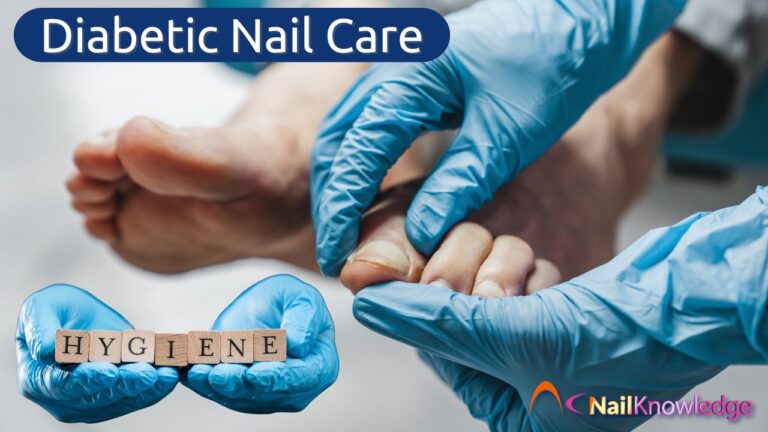
Chăm sóc và điều trị móng cho bệnh nhân tiểu đường

Nail Treatments; Caring for Diabetic Clients

As a nail professional, ensuring the safety and well-being of all your clients is paramount, especially for those living with diabetes. Diabetes can significantly impact the body’s ability to process sugar, leading to a range of health concerns, particularly with the skin and extremities. By being informed and taking the right precautions, you can provide diabetic clients with exceptional care while minimising risks. This guide outlines key steps to consider, including the consultation process, treatment techniques, and product recommendations.

Why Special Care Matters for Diabetic Clients

Diabetes can affect skin and nail health in various ways. Common issues include:

  • Dryness, itching, and irritation: The skin of diabetic clients is often dehydrated and prone to cracking.
  • Slow healing and higher infection risk: Even minor cuts or abrasions can take longer to heal and are more susceptible to infections.
  • Poor circulation: Reduced blood flow can lead to skin discolouration, thickening, or lesions.

These factors make it essential to tailor nail treatments carefully for diabetic clients to ensure both safety and comfort.

Essential Questions for Your Consultation Form

The consultation process is your first opportunity to gather crucial information about your client’s health. Include the following questions to identify diabetic clients and their unique needs:

  1. Do you have diabetes? This straightforward question raises awareness for the professional to proceed with caution.
  2. Do you heal slowly? This can signal potential concerns about skin recovery.
  3. Do you bleed easily? Clients with diabetes often have fragile skin that requires gentle care.
  4. Have you noticed any changes in your skin or nails recently? This question helps identify any underlying issues that may need further attention.

Make sure to record all information thoroughly and update it regularly to reflect any changes in your client’s condition.

Key Considerations for Hands and Feet of Diabetic Clients

Caring for the hands and feet of diabetic clients can significantly improve their comfort and well-being when done correctly. Consider the following:

  • Thorough consultation and assessment: Before starting any treatment, inspect the skin and nails for lesions, rashes, discoloration, thickened skin, or other abnormalities. Always refer the client to their GP if something appears concerning.
  • Non-invasive services: Avoid any technique that risks cutting or damaging the skin, as this can swiftly lead to complications.
  • Gentle and precise techniques: Work with care, using light pressure and avoiding aggressive tools like sharp cuticle nippers or coarse files.

Precautions for Optimum Safety

When performing treatments on diabetic clients, ensure the following:

  • Limit soaking time: Prolonged soaking (over 5–6 minutes) can over-soften the skin, increasing its vulnerability to splitting or tearing.
  • Practice gentle cuticle removal: Use soft tools and avoid any techniques that could accidentally cause nicks or abrasions.
  • Prioritise hygiene: Use sterilised tools and disposable products as standard to minimise infection risks.
  • Monitor for signs of discomfort. Due to nerve messaging deterioration, Diabetic clients may not always feel pain in the same way as other clients, so communicate regularly throughout the treatment.

Benefits of Regular Nail Care for Diabetic Clients

When performed safely, regular manicures and pedicures can bring several benefits to diabetic clients:

  • Healthier nails: Treatments encourage better nail growth and reduce brittleness.
  • Hydrated skin: Proper moisturisation can alleviate dryness and prevent cracking.
  • Improved comfort: Addressing issues like itching or irritation can enhance the overall well-being of the hands and feet.

Recommended Products for Diabetic Clients

Using the right products is crucial for diabetic skin and nail care. Look for items that prioritise hydration, soothing properties, and barrier repair. For example:

  • Balms and oils: deep penetrative products like Balms or Oils provide deep hydration and protection for both nails and skin.
  • Moisturising creams: Select formulations free from harsh chemicals and fragrances to reduce the risk of irritation.
  • Antibacterial and antifungal solutions: These can help prevent infections in high-risk areas.

Education is Key

As a professional, your knowledge and expertise are vital in delivering safe and effective services for diabetic clients. Stay informed about the latest practices, attend specialised training sessions, and prioritise education on conditions like diabetes. By building trust and showing genuine care, you can create a welcoming environment where all clients feel valued.

Nail care for diabetic clients requires extra attention, but the rewards of helping them feel relaxed and rejuvenated are immense. By asking the right questions, taking precautions, and using suitable products, you can confidently offer nail services that enhance your quality of life. Remember, your role as a professional extends beyond aesthetics—it’s about providing wellness and comfort for everyone who walks through your door.

Thuộc chủ đề:Chăm sóc bàn chân & Giải phẫu, Dịch vụ làm móng, Vệ sinh tiệm

Khử trùng so với khử trùng: Các biện pháp thiết yếu để chăm sóc móng an toàn

In the nail industry, maintaining a clean and safe environment is crucial for the well-being of both clients and technicians. One of the most important aspects of this is understanding the difference between sterilization and disinfection. While both processes are essential, they serve different purposes in ensuring hygiene. Sterilization involves the complete removal or killing of all viable organisms, including spores, while disinfection reduces the number of microorganisms but may not eliminate them entirely.

Chúng tôi sẽ tìm hiểu sâu hơn về các quy trình này, cùng với các mẹo thực tế để giữ cho dụng cụ, bề mặt làm việc và vệ sinh cá nhân của bạn ở tiêu chuẩn cao nhất nhằm đảm bảo an toàn cho khách hàng, đặc biệt là những người có hệ thống miễn dịch yếu.

Sự khác biệt giữa tiệt trùng và khử trùng

  • Vệ sinh & Khử trùng: This process removes dirt, dust, and organic matter while killing most microorganisms. However, it doesn’t remove them entirely.
  • Khử trùng:Phương pháp này tiêu diệt tất cả các sinh vật, bao gồm cả bào tử, đảm bảo mức độ sạch sẽ cao nhất. Mặc dù các sinh vật chết và độc tố (pyrogen) có thể vẫn còn, nhưng nguy cơ nhiễm trùng đã được loại bỏ.

Tại sao vệ sinh đúng cách lại quan trọng trong việc chăm sóc móng tay

Nail professionals may unintentionally transfer infections through contact with tools, hands, or the air. This can be particularly dangerous for clients undergoing chemotherapy or those with weakened immune systems. Maintaining personal hygiene, wearing appropriate clothing, and keeping workspaces clean is essential in reducing this risk.

Rửa tay và khử trùng

Vệ sinh tay là một trong những cách đơn giản nhất nhưng hiệu quả nhất để bảo vệ bạn và khách hàng:

  • Xà phòng và nước: Rửa tay with soap and water removes about 96% of pathogens. Make sure both you and your client wash your hands before starting any nail service.
  • Khử trùng tay: Trong khi chất khử trùng tay loại bỏ một số vi khuẩn tạm thời và một số vi khuẩn thường trú vi khuẩn, they don’t clean dirt or grease. Use disinfection products in addition to washing your hands.

Khi nào cần rửa và khử trùng tay

  • Before every treatment, even if the client’s skin is intact.
  • Khi thực hiện các thủ thuật liên quan đến việc phá vỡ hàng rào bảo vệ da.
  • Sau khi tháo găng tay, tiếp xúc vật lý với vùng da bị trầy xước hoặc kiểm tra bàn chân hoặc bàn tay.

Khử trùng và vệ sinh dụng cụ cho thợ làm móng chuyên nghiệp

Không giống như bệnh viện nơi các dụng cụ được khử trùng cho mọi quy trình, tiệm làm móng cần phải chịu trách nhiệm về quy trình vệ sinh và khử trùng của riêng mình:

  • Công cụ vệ sinh: Tools should be washed with soap and water, then soaked in a cleaning fluid specific to your country’s regulations.
  • Khử trùng: If possible, use an autoclave to sterilize tools and efile bits. Autoclaves sterilize using high temperatures and pressure, ensuring tools are safe to use for every client. Modern autoclaves are now more affordable and efficient, making them a viable option for nail salons. Remember to wash the tools with soap and water first as this also removes normal debris accumulated during the nail service.

Suy nghĩ cuối cùng: Tầm quan trọng của việc khử nhiễm

Decontamination is the ultimate step in ensuring the complete safety of tools, workspaces, and environments by eliminating all microbial contamination. Following strict hygiene practices, sterilization, and disinfection protocols not only protects your clients but also upholds the professional standards of your salon.

Bằng cách thực hiện những biện pháp này, các chuyên gia làm móng có thể cung cấp dịch vụ an toàn hơn, đồng thời thúc đẩy môi trường sạch sẽ, vô trùng trong tiệm.

Thuộc chủ đề:Vệ sinh tiệm

Nâng cao kiến thức về làm móng

Tham gia bản tin của chúng tôi!
ĐĂNG KÝ...

Bản quyền © NailKnowledge

Kiến thức về móng tay

  • Sách điện tử
  • Về chúng tôi
  • Các khóa học
  • Tin tức
  • Blog
  • Bản tin
  • Thuật ngữ

Chính sách

  • Trang riêng tư
  • Điều khoản và điều kiện
  • Chính sách Cookie

Ủng hộ

  • Liên hệ với chúng tôi
  • Hỏi các chuyên gia
  • Hỗ trợ hệ thống
  • Câu hỏi thường gặp
Vietnamese
Vietnamese
English Portuguese Spanish