You’ve just left the salon with a fresh set, and something feels off. Maybe there’s a dull ache under the nail. Maybe the skin around your cuticles looks angrier than it should. Getting nail reactions explained in plain, honest language is something every nail lover deserves, and yet it rarely comes up before you book an appointment.
These responses have a professional name: contra-actions. In nail education, a contra-action is any unexpected or adverse reaction that happens during or after a nail service. They’re not uncommon, and they’re not always a sign that something went terribly wrong. But understanding them can help you make smarter decisions about your nails and your health.
What Counts as a Contra-Action?
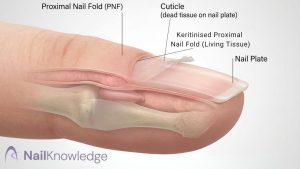
Contra-actions cover a wide range of responses, from mild and temporary to more persistent and uncomfortable. Redness after nail extensions is one of the most common. It often appears around the nail fold or the surrounding skin. In fact, it can signal irritation from a product, over-filing, or sensitivity to the application process.
Soreness is another one that surprises people. Why do my nails hurt after gel? It’s a question that comes up constantly online. Usually, the answer is one of a few things: the technician filed the móng tay tự nhiên too aggressively, applied the gel too thick, or the curing process generated more heat than the nail could handle. That burning sensation under a UV lamp? That’s called a heat spike, and it’s a well-known nail appointment side effect.
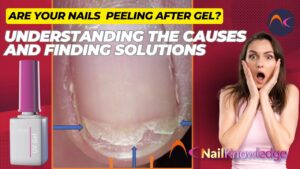
Lifting also deserves a mention. When a gel or acrylic enhancement starts separating from the natural nail within days of application, people often dismiss it as a product failure. But lifting can also signal that the nail plate wasn’t properly prepared, or that the product didn’t suit that person’s nail chemistry.
Nail Reactions Explained: When It’s an Allergic Reaction to Nail Gel
This is where things get more serious.
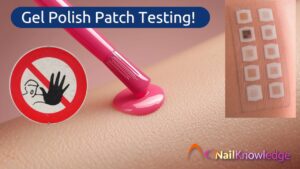
An allergic reaction to nail gel differs from simple irritation. Irritation tends to stay localised and fades relatively quickly once you remove the product. An allergic reaction involves the immune system. It can cause itching, swelling, and persistent redness that spreads beyond the nail area. In some cases, people experience reactions on their face or eyelids, because they touched their skin before the product fully cured.
The ingredient most commonly linked to these reactions is a group of chemicals called methacrylates. You find them in both gel and acrylic products. Skin reactions after acrylic nails worry more people every year, and dermatologists have flagged a significant rise in cases recently. Once someone develops a true methacrylate allergy, they may react to many nail products going forward, and even some dental materials. That’s why early recognition matters so much.
According to the Hiệp hội bác sĩ da liễu Anh, contact allergy to acrylates is a growing clinical concern, highlighting just how seriously the medical community takes this issue.

Delayed Reactions and Why They Catch People Off Guard
Here’s something that confuses a lot of people. Reactions don’t always show up immediately after a nail appointment. Some appear hours later. Others take days to develop.
This delay is one reason people don’t connect the symptom to the nail service. If your fingertips feel itchy or swollen two days after a gel appointment, it’s easy to assume it’s something else entirely. But that timeline is actually very typical for a contact allergy response. Your immune system needs time to mount its reaction, especially if it hasn’t encountered the allergen before.
First-time reactions can also be mild enough to ignore. That’s the real problem.
Because each subsequent exposure can trigger a stronger response, that first subtle itch deserves your attention. So if something feels off, don’t brush it aside. You can explore the science behind this and much more within our Cơ sở tri thức, where the content draws on an expert-reviewed library covering exactly these topics.
Not Every Reaction Means Something Is Wrong
It’s worth saying clearly: not all contra-actions signal danger. Some simply reflect how your body adjusts to a new product or process.
Slight sensitivity immediately after a new set is common, especially if you’re not used to wearing enhancements. Temporary tightness as the product cures is normal. Even minor soreness during the first day can settle without any lasting effect.
Still, it helps to know what you’re looking at.
The difference between a normal response and a concerning one usually comes down to duration, spread, and severity. If redness fades within a few hours and there’s no itching or swelling, irritation from the process is the likely cause. But if symptoms persist, worsen, or appear in unexpected areas, take it seriously and speak to a professional.
Why This Knowledge Matters Before You Book
Understanding contra-actions isn’t just useful after something goes wrong. It helps you prepare.
Knowing your own skin sensitivity matters. So does flagging any history of reactions to adhesives or acrylics. While modern nail services have come a long way in terms of product safety, no product suits every person completely. That’s why understanding what a normal versus abnormal response looks like puts you in a stronger position as a nail client.
The more you know, the better you can ask the right questions and spot when something needs attention. Getting nail reactions explained properly isn’t just for nail professionals. It’s genuinely useful knowledge for anyone who loves having their nails done regularly.
Understanding contra-actions goes deeper than a quick checklist. Knowing what causes them, how to categorise them, and when they signal a real risk is a skill that takes genuine learning.
If you want to understand this topic properly, the MyNailEra app covers contra-actions in depth through verified, expert-reviewed content. Era, your personal nail coach, is there to help it all actually stick. Explore it directly within the MyNailEra App.