• Bỏ qua primary navigation
  • Bỏ qua nội dung chính
  • Bỏ qua footer
Kiến thức về móng tay

Kiến thức về móng tay

  • Các khóa học
  • MyNailEra
  • Sách điện tử miễn phí
  • Cơ sở tri thức
    • Cơ sở tri thức
    • Hỏi các chuyên gia
    • Thuật ngữ
  • Blog
  • Đăng nhập
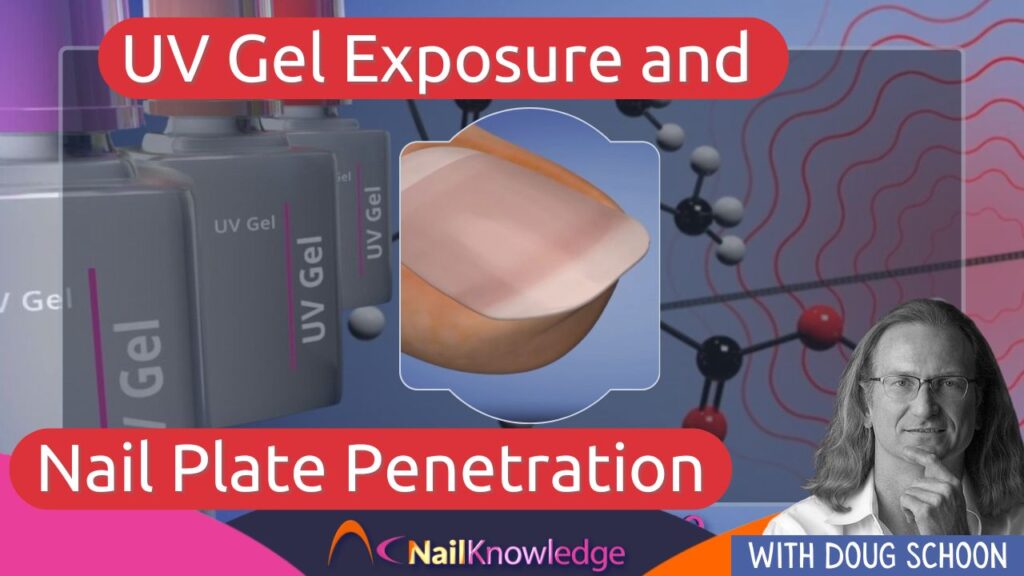
Tiếp xúc với gel UV và sự thâm nhập của tấm móng

Sự thật về việc tiếp xúc với gel UV và sự thâm nhập của móng tay

Tháng 5 22, 2024 qua Doug Schoon

763 Views

In the world of nail care, questions about the safety and effects of products are a common theme among both professionals and clients. We frequently receive inquiries concerning various aspects of nail treatments, particularly those involving UV gels and potential allergic reactions.

 A recurring question that has sparked considerable debate and concern revolves around the likelihood of allergies being triggered by uncured gel penetrating the nail plate. Given the complexity of this topic and the importance of accurate information, this article aims to clarify these concerns with expert insights and evidence-based responses.

Here’s a common query we often encounter in the realm of nail care

A friend has an allergy that she believes is caused by uncured gel on the nail plate entering the body through this route, but I suspect it is from over exposure to the UV gel or dust.  Aren’t the molecules of ingredients too large to enter the nail plate?

Làm rõ mối lo ngại về dị ứng móng tay: Tiếp xúc so với thâm nhập

It would be extremely unlikely that penetration through the nail plate is the cause of the allergy. The exception to this would be if the nail plate were highly damaged or missing portions that expose bare nail bed.

 If the bare nail bed is exposed to UV gel, the risks of developing an irritation or permanent skin allergy will significantly increase. UV gels should only be applied to an intact nail plate. The skin has its own immune system that is separate from the internal immune system. This explains why direct skin contact is required to cause skin allergies.

UV gel ingredients do NOT penetrate through healthy, intact nail plates to cause allergy, instead, this is from direct exposure to UV gel, dust, filings or inhibition layer. This becomes especially more likely if the UV gels are not properly cured.

Categorised: Gel UV

Related Articles

Giảm căng thẳng cho móng gel

Excessive Curing Tension in Gel Nails

Let’s talk about curing tension in gel nails, something most gel nail lovers have experienced but might not fully understand.…

Read More
Quá trình làm khô sơn gel diễn ra như thế nào

Gel Polish Curing Explained: Behaviour, Lamps and Common Problems

Gel polish curing is a chemical process, not simply a matter of time spent under a lamp. Many common problems…

Read More
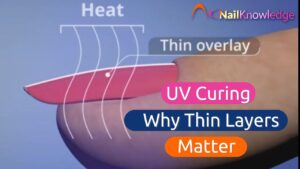
Sấy khô bằng tia UV - lớp mỏng cho bộ móng hoàn hảo

UV Curing: Why Thin Layers Matter for Perfect Nails

When it comes to working with gels, UV curing is one of the most important steps in creating long-lasting, safe…

Read More
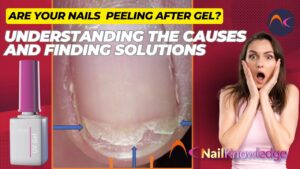
Da móng bong tróc sau khi làm móng gel

Nails Peeling Off After Gel? Here’s What You Need to Know

If you’ve had gel nails applied and within a week they’ve started to lift, only to leave your natural nails…

Read More
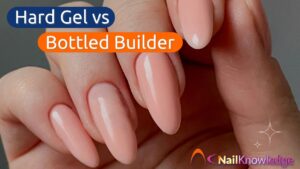
Gel cứng so với chất làm dày dạng chai

Hard Gel vs Bottled Builder

In recent years, the debate of hard gel vs bottled builder has taken centre stage in the nail industry. Though…

Read More
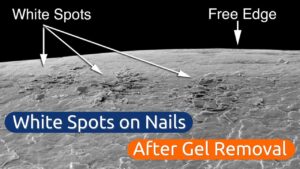
Đốm trắng trên móng tay bị hư hại hoặc mất nước

White Spots on Nails After Gel Removal

White Spots on Nails: Damage or Dehydration? White spots on nails after gel removal are a common concern among nail…

Read More

Nâng cao kiến thức về làm móng

Tham gia bản tin của chúng tôi!
ĐĂNG KÝ...

Bản quyền © NailKnowledge

Kiến thức về móng tay

  • MyNailEra
  • Sách điện tử miễn phí
  • Về chúng tôi
  • Các khóa học
  • Tin tức
  • Blog
  • Bản tin
  • Thuật ngữ

Chính sách

  • Trang riêng tư
  • Điều khoản và điều kiện
  • Chính sách Cookie

Ủng hộ

  • Liên hệ với chúng tôi
  • Gặp gỡ các chuyên gia
  • Hỏi các chuyên gia
  • Hỗ trợ hệ thống
  • Câu hỏi thường gặp
Vietnamese
Vietnamese
English Portuguese Spanish