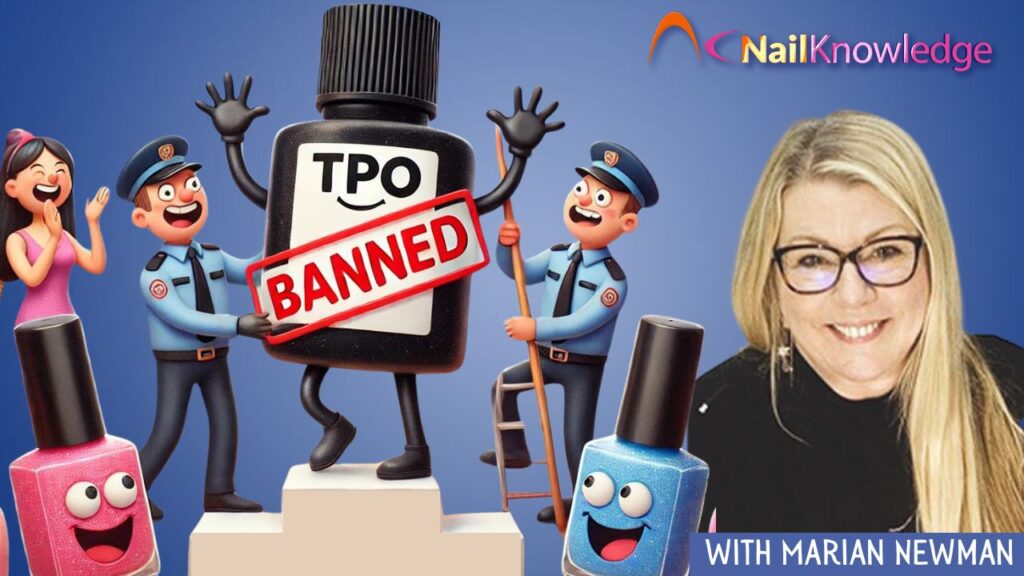
You may have heard about the upcoming ban on TPO in nail coating products. But what does this mean for nail professionals?
Regulatory Update (UK 2026)
This article has been updated to reflect the confirmed UK regulatory timeline for Trimethylbenzoyl Diphenylphosphine Oxide (TPO). Under amendments to the UK Cosmetics Regulation, products containing TPO will no longer be permitted to be newly placed on the Great Britain market from 15 August 2026, with a further deadline of 15 February 2027, after which non-compliant products can no longer be made available for sale. These changes apply to cosmetic nail products supplied in both professional and retail settings.
Rủi ro sức khỏe của TPO và lệnh cấm sắp tới đối với lớp phủ móng tay được xử lý bằng tia UV
TPO, short for Trimethylbenzoyl Diphenylphosphine Oxide, is a photo initiator commonly used in UV-cured nail coatings. However, the European Commission has classified TPO as a potential health hazard if present in the body in sufficient quantities.
Bắt đầu từ tháng 9 năm 2025, việc đưa thành phần này vào sẽ là bất hợp pháp sản phẩm làm móng mỹ phẩm across Europe, with the UK implementing similar restrictions from 15 August 2026, followed by a sell-through period allowing existing stock already supplied to the market to remain available until 15 February 2027. This ban applies to the manufacture and sale of new products, not to the use of existing ones.
In cosmetic regulatory terms, this means products containing TPO cannot be newly supplied or imported after the deadline dates. Nail professionals and retailers are not expected to immediately dispose of existing stock purchased before the restriction takes effect.
Nỗ lực cải tiến và các giải pháp thay thế TPO trong sản phẩm làm móng
Many reputable brands have already addressed this issue by reformulating their products to exclude TPO. There are several alternative photo initiators that provide similar results, ensuring that the performance of nail products is not compromised.
Sử dụng TPO an toàn trong dịch vụ làm móng cho đến khi lệnh cấm có hiệu lực
It is important to note that this regulatory change does not represent a ban on gel nail products themselves. TPO is one of several photoinitiators used within UV and LED curing systems, and alternative ingredients are already widely available. The restriction reflects an updated regulatory classification rather than evidence that professionally used nail gel products suddenly pose a new safety risk.
For nail professionals, it’s important to know that you can still safely use products containing TPO until the ban takes effect. The levels of TPO used in nail services are far below those considered harmful.

Đảm bảo tuân thủ thương hiệu và an toàn cho khách hàng trong quá trình chuyển đổi sang các sản phẩm không chứa TPO
It’s a good idea to check with your brand about their plans regarding this new legislation. If your brand has not yet moved to TPO-free products, it might be time to reconsider your options.
There’s no need to worry your clients if you need to switch brands. Cosmetic ingredients are regularly reviewed to ensure safety, and your existing gel polishes will continue to be safe to use during the transition period.
Doug Schoon về việc loại bỏ TPO: Tác động của ngành công nghiệp và cân nhắc về an toàn
Doug Schoon, a respected scientist in the industry and expert at NailKnowledge, explains that removing TPO from nail products won’t necessarily affect their performance, though reformulation will be required. He notes that TPO can cause skin sensitisation or allergic reactions if not used properly, especially if skin contact isn’t avoided. However, when applied correctly by trained professionals, adverse effects are rare.
Schoon points out that most concerns about TPO stem from its use in non-nail-related industries, such as manufacturing printing inks and industrial adhesives. The decision to remove TPO from nail coatings isn’t due to issues with the nail products themselves, but rather as a precautionary measure for consumer safety.
Ông khuyên rằng các thương hiệu có thể tạo điều kiện cho quá trình chuyển đổi này bằng cách cải tiến sản phẩm với chất khởi tạo ảnh an toàn hơn, cung cấp giáo dục về các kỹ thuật ứng dụng phù hợp cho các công thức mới và dán nhãn rõ ràng các tùy chọn không chứa TPO. Nhiều thương hiệu làm móng có thể đã và đang nghiên cứu hoặc tung ra các lựa chọn thay thế TPO có hiệu quả tương tự. Các chuyên gia làm móng nên chủ động hợp tác với các nhà cung cấp sản phẩm của mình để hiểu những thay đổi này, đặc biệt là vì khách hàng có thể hỏi về tính an toàn và phương pháp ứng dụng của các công thức mới.
Understanding the TPO Ban and Cosmetic Safety Classification
The restriction follows the classification of TPO as a CMR Category 1B substance under European chemical legislation. Under cosmetic regulations, ingredients receiving this classification are automatically prohibited for precautionary reasons, even where normal cosmetic exposure levels are considered low. This regulatory mechanism is applied across many cosmetic ingredient reviews and does not indicate that compliant nail services performed using approved products are unsafe.
Preparing for the TPO Ban: Guidance for Nail Professionals and Brands
As the transition progresses, nail professionals are encouraged to contact their product manufacturers or distributors to confirm reformulation timelines and future compliance. Many brands have already introduced TPO-free systems, and further updates are expected across the industry ahead of the 2026 and 2027 deadlines. Staying informed and planning ahead will help ensure continued compliance without disruption to salon services.