No todas las uñas dañadas son iguales
La mayoría de nosotros nos hemos roto una uña, nos hemos pillado un dedo con una puerta o nos hemos arrancado unas uñas postizas y nos ha dado grima lo que había debajo. Las uñas dañadas son algo que casi todo el mundo experimenta en algún momento, pero lo que realmente sucede bajo la superficie depende enteramente de dónde se produjo el daño. Algunas uñas se recuperan en cuestión de semanas. Otras llevan la marca de una lesión durante meses, o incluso de forma permanente. Entender por qué requiere un vistazo rápido a la biología que impulsa cada uña que te crece.
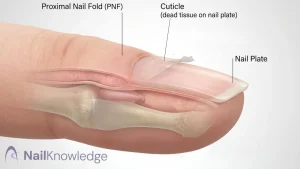
Tu uña no es solo una placa plana apoyada en la punta de tu dedo. Es una estructura compleja producida por tejido vivo, y ese tejido tiene una jerarquía. En la cima de esa jerarquía se encuentra la matriz ungueal.
💡 Idea principal
Si las uñas dañadas se recuperan por completo depende de si la matriz ungueal se vio afectada. El daño superficial crece y desaparece, pero las lesiones en la matriz pueden alterar la forma, el grosor y la estructura de la uña durante meses o de forma permanente. Observar cómo vuelve a crecer una uña durante un período de tres a seis meses ofrece la imagen más clara de cuán grave fue realmente el daño.


La matriz ungueal: El motor detrás de cada uña
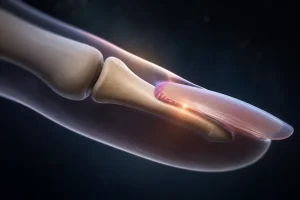
La matriz ungueal es una banda en forma de media luna de células especializadas ubicada bajo la base de la uña, justo debajo de la piel en la parte posterior del dedo. Estas células se dividen constantemente, empujando a las células más viejas hacia adelante y comprimiéndolas en la placa de queratina dura que reconocemos como la uña. La forma pálida de media luna visible en algunos pulgares, llamada lúnula, es en realidad el borde visible de la matriz que se asoma.
Este es el punto crítico: la matriz es la única parte de la uña que realmente hace crecer una uña nueva. La placa en sí es tejido muerto una vez que sale de la matriz. Así que, si el daño llega a la matriz, las consecuencias son mucho más graves que un rasguño superficial o una punta rota.
Si quieres entender el panorama completo de Cuando la matriz de la uña se daña, la ciencia detrás de las crestas y las manchas blancas tiene mucho más sentido una vez que sabes cómo la matriz construye cada capa de la lámina ungueal.
Daño superficial frente a daño profundo: Una distinción clave
No todo trauma ungueal llega a la matriz. Muchos daños comunes se quedan en el nivel de la lámina o afectan al lecho ungueal, la piel situada debajo de la uña. Los hematomas bajo la uña por un golpe, las manchas blancas que pueden estar asociadas con un impacto menor o el adelgazamiento temporal por un limado excesivo se encuentran en esta categoría. Debido a que la matriz no está afectada, la uña crece con normalidad y el daño desaparece con el tiempo.
El daño superficial es frustrante, pero es temporal. La lámina ungueal simplemente crece hacia adelante y arrastra el daño consigo hasta que llega al borde libre y se lima.
El daño profundo es otra historia. Cuando un trauma, una presión repetida, una infección o un trabajo agresivo en las uñas llegan a las células de la matriz, esas células pueden alterarse, cicatrizar o destruirse. Dado que la matriz es la que da forma a la uña, cualquier cambio en ella se refleja directamente en la uña que crece a partir de ese punto en adelante.
Cómo es realmente el daño permanente en las uñas
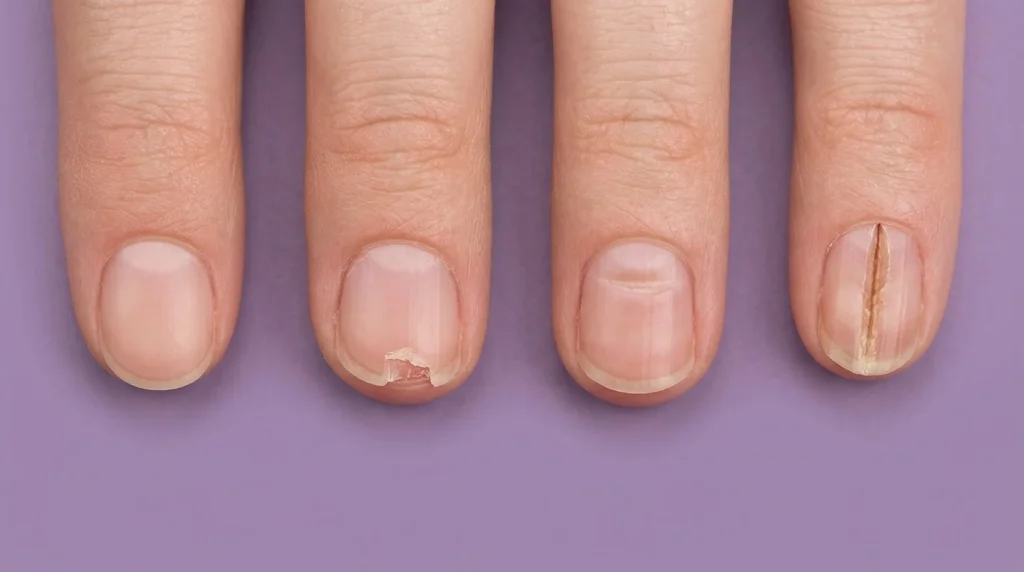
El daño permanente o duradero por una lesión en la matriz se manifiesta de formas reconocibles. Los surcos longitudinales que van desde la base hasta la punta pueden asociarse con la alteración de la matriz y se encuentran entre los cambios que pueden aparecer tras una lesión en la matriz. Estos se forman cuando una sección de la matriz produce un poco menos de queratina, o con una estructura diferente, que las células adyacentes. El surco o la cresta que se ve en la superficie es un mapa directo de esa alteración subyacente.
Los cambios en el grosor de las uñas son otro indicador. Una uña que vuelve a crecer más delgada que antes, o que desarrolla una curva o gancho inusual en la punta, puede estar asociada con una alteración en la actividad de la matriz. En casos más graves, una uña puede volver a crecer partida por la mitad, con un surco permanente o incluso con dos secciones separadas que se forman a partir de un solo dedo. Las divisiones recurrentes en la misma uña pueden estar asociadas con una alteración subyacente de la matriz, aunque la sequedad, la fragilidad y otros factores también pueden contribuir.
Los cambios de color también pueden persistir. Una uña que crece constantemente con una banda pálida, opaca o ligeramente decolorada puede reflejar una queratinización alterada procedente de una sección afectada del tejido de la matriz.
¿Cuánto tiempo tardan en aparecer los daños en las uñas?
Aquí es donde la biología de las uñas se vuelve verdaderamente fascinante. Debido a que la matriz produce la uña lentamente, los efectos de una lesión no aparecen en la superficie de inmediato. Las uñas de las manos crecen a un ritmo aproximado de entre 3 y 4 mm por mes en promedio, aunque esto varía según la edad, la salud y qué mano uses más. El factores detrás de la tasa de crecimiento de las uñas son más complejos de lo que la mayoría de la gente cree, y afectan directamente a la rapidez con que los daños se hacen visibles y al tiempo que dura la recuperación.
Una lesión en la matriz puede no manifestarse visiblemente en la superficie de la uña durante dos a cuatro semanas. Luego, a medida que la uña crece, esa sección alterada se desplaza lentamente hacia la punta. A una uña le toma aproximadamente de cuatro a seis meses crecer desde la matriz hasta el borde libre. Eso significa que el panorama completo de cualquier lesión en la matriz solo se vuelve claro después de que han pasado varios meses.
También significa que una recuperación aparente puede ser engañosa. Una uña puede volver a parecer normal en unos pocos meses si la alteración fue leve y la matriz sanó. Pero si la matriz sufrió un cambio estructural permanente, el crecimiento alterado de la uña continúa indefinidamente.
Causas comunes de daño grave en las uñas
Las lesiones por aplastamiento son la causa más dramática. Pillarse un dedo en una puerta o dejar caer algo pesado sobre él puede magullar o cicatrizar la matriz directamente. Pero los daños graves en la matriz no siempre provienen de un traumatismo evidente.
La presión repetida de bajo nivel importa tanto. Hábitos como presionar o rascar la piel alrededor de la base de la uña, un trabajo agresivo de cutícula o usar zapatos que comprimen los dedos durante años pueden contribuir gradualmente a una función alterada de la matriz. Es por esto que ciertos patrones de crestas en las uñas pueden estar asociados con hábitos de comportamiento así como con lesiones únicas.
Las infecciones fúngicas que penetran profundamente, ciertos medicamentos y las condiciones de salud sistémicas también pueden afectar la matriz desde el interior. En estos casos, la deformidad de la uña refleja una alteración biológica en lugar de un trauma físico, pero el mecanismo es el mismo: las células alteradas de la matriz producen una uña alterada.
¿Pueden las uñas dañadas recuperarse por completo?
A veces, sí. La matriz tiene cierta capacidad de curación, particularmente de lesiones menores o alteraciones temporales. Si el daño estuvo aislado y las células de la matriz fueron perturbadas en lugar de destruidas, la producción normal puede reanudarse y la uña vuelve gradualmente a su apariencia original. Esto es genuinamente alentador para la mayoría de los escenarios cotidianos de daño en las uñas.
Pero cuando las células de la matriz están permanentemente cicatrizadas o se pierden, esa sección de la matriz no puede regenerarse. La uña que crece a partir de esas células reflejará el cambio indefinidamente. En términos médicos, esto se conoce como distrofia ungueal, y puede variar desde una sola cresta tenue hasta una uña significativamente deformada, dependiendo de cuánta parte de la matriz haya sido afectada.
La respuesta honesta es que el tiempo lo dirá. Observar cómo vuelve a crecer una uña durante un período de tres a seis meses ofrece la imagen más clara de si la matriz se ha recuperado o si el cambio es permanente.
Comprender por qué cambian las uñas después de una lesión es una cosa. Saber cómo evaluar dichos cambios, reconocer la diferencia entre una alteración temporal y un daño duradero, y comprender lo que significa realmente cada signo visual requiere una base más sólida en la anatomía y biología de las uñas.
Si la ciencia de las uñas te interesa genuinamente, el contenido de aprendizaje verificado de MyNailEra cubre la anatomía de las uñas en profundidad, y Era, tu entrenadora personal de uñas, puede ayudarte a conectar lo que ves en tus uñas con lo que está sucediendo debajo. Explora el tema adecuadamente y observa cuánto más sentido empiezan a tener tus uñas.