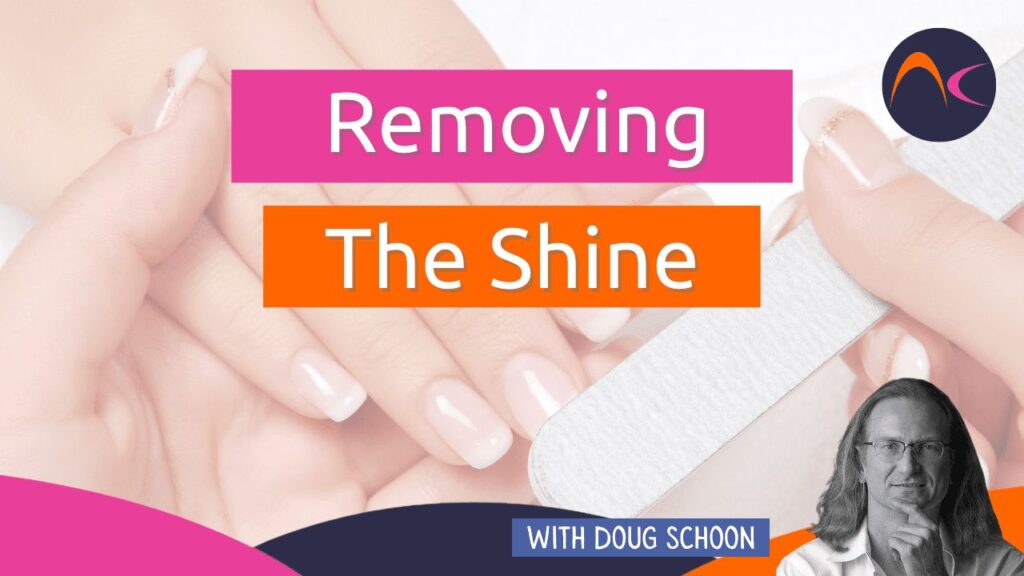
Como se enseña a todos los profesionales de uñas, es importante eliminar el brillo, como algunos lo llaman, de la superficie de la placa ungueal natural. El brillo proviene del aceite superficial y la placa ungueal sin aceite superficial parece opaca. Si el objetivo es eliminar el “brillo”, solo se trata de los aceites superficiales. Sin embargo, esto no es lo que sucede generalmente en los salones. Las células superficiales de las uñas NO son brillantes y no relucen. Esta apariencia brillante es causada por los aceites naturales que recubren la superficie de la placa ungueal.
Solo hay que eliminar los aceites naturales, no la superficie de la placa ungueal. Esta solo necesita ser lijada ligeramente en la superficie. Lavarse las manos y frotarse las uñas con un cepillo de uñas desinfectado es la mejor manera de eliminar los aceites superficiales. Este proceso de dos pasos asegurará que todos los aceites superficiales se limpien de la placa ungueal y que la superficie se raspe finamente sin adelgazar la placa ungueal.
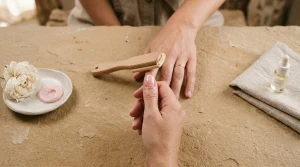
La lima de uñas sirve para aumentar ligeramente la superficie, lo que mejora la adherencia. Así es como ayuda: pulir ligeramente la superficie de la uña aumenta considerablemente la superficie. Esto ocurre porque los arañazos microscópicos exponen más superficie de la uña a la que se puede adherir el esmalte. No es necesario eliminar casi nada del grosor de la uña para aumentar la superficie y mejorar la adherencia. Sin embargo, algunos técnicos de uñas eliminan 5% o más del grosor de la uña cada vez que la liman.


El limado excesivo solo adelgaza y debilita la placa ungueal, lo que no mejora la adhesión. De hecho, adelgazar en exceso la placa ungueal ¡reducirá la adhesión! La placa ungueal se vuelve muy flexible, cada vez que la uña se dobla, esto ejerce tensión en la interfaz donde el recubrimiento de la uña y la uña natural se encuentran y se adhieren. Esta tensión adicional debilita la unión adhesiva y conduce a un aumento del levantamiento y desprendimiento. Las formulaciones más nuevas de recubrimientos para uñas tienen una muy buena adhesión y requieren mucho menos limado, sin embargo, muchos profesionales de las uñas continúan limando en exceso la placa ungueal regularmente.
Es fácil ver los efectos de limar en exceso al retirar el recubrimiento de la uña. El área de crecimiento nuevo no debe ser mucho más gruesa que la placa de la uña que se ha lijado y cubierto con un recubrimiento de uñas. Toda la pérdida de grosor de la placa ungueal se debe al limado. NADA se debe al producto de uñas en sí. Sin embargo, muchos clientes ven este adelgazamiento y creen erróneamente que el recubrimiento de uñas “se comió la uña”, lo cual, por supuesto, es una tontería. Ningún producto para uñas puede comerse o adelgazar la placa ungueal, excepto un abrasivo para uñas, por ejemplo, una lima eléctrica. Así que, en resumen, al retirar el brillo, recomiendo que elimine la menor cantidad posible de la placa ungueal. Para mantener fuerte la placa ungueal, debe mantener su grosor natural. En otras palabras, por favor, mantenga la placa ungueal gruesa.