• Saltar a la navegación principal
  • Saltar al contenido principal
  • Saltar al pie de página
Conocimientos de uñas

Conocimientos de uñas

  • Cursos
  • MyNailEra
  • Libros electrónicos gratuitos
  • Base de conocimientos
    • Base de conocimientos
    • Pregunte a los expertos
    • Glosario
  • Noticias
  • Blog
  • Inicio de sesión

Servicios de uñas

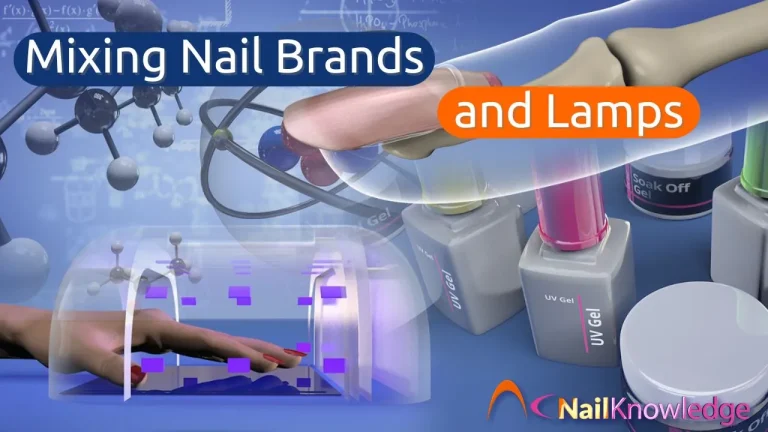
Mezclar marcas de uñas y lámparas

A real-world case of mixing nail brands and lamps

Mixing nail brands and lamps is a common temptation for professionals, especially when transitioning to new systems. One technician recently shared her story: despite strict hygiene standards and properly maintained lamps, she faced client issues such as lifting, splinter hemorrhages, and what appeared to be a fungal infection. Concerned that her products were to blame, she considered switching to a hypoallergenic brand but asked if she could safely keep her existing colours and top coat while using a new lamp and builder gel.

This raised a difficult question: could the products or the curing system be to blame? The technician began exploring the option of switching to a hypoallergenic brand but asked if it would be safe to use a new brand’s lamp and gel constructor while keeping her existing colours and top coat.

This scenario reflects a common dilemma in the nail industry, especially when transitioning between systems while managing costs.

Nail conditions linked to lifting and mixed systems

The word “fungus***” is often used by clients to describe any discolouration or problem under a nail, but true onychomycosis (fungal infection) develops slowly and is rarely caused by nail services alone. In many cases, what appears to be fungus is actually a bacterial issue such as Pseudomonas, sometimes called a “greenie.” This thrives in the space between the natural nail plate and lifted product.

***A fungal infection can be proved or ruled out using a test – it cannot be diagnosed by eye, even medical specialists or medical hand specialists can only suspect a fungal infection until proven otherwise.

**Bacterial infections could be a problem if your client is suffering from some kind of immune disorder or diabetes so be very careful and never ‘assume’

Lifting may be triggered by poor adhesion, trauma, over-filing, or incomplete curing. It is rarely the fault of the product alone. Recognising the difference is essential. Bacterial  infections are managed differently from true fungal infection, which requires medical treatment.

Splinter hemorrhages and nail damage explained

Splinter hemorrhages are small streaks of blood beneath the nail plate. These are nearly always caused by trauma, but that does not necessarily mean one dramatic knock, repeated tapping, subtle pressure, or a nail coating that is overly rigid or unbalanced is the only reason, it can be an accumulation of more than one cause.

While these marks can worry clients, they are not usually caused by the products themselves. However, poor adhesion and repeated cycles of lifting and reapplication can make the nail plate more vulnerable to damage and by definition the nail bed more vulnerable.

Allergies and sensitivity from under-cured gels

Allergic contact dermatitis linked to nail products has been on the rise. Builder gels and hybrid products have come under scrutiny due to the frequency of reactions reported by both clients and professionals.

The key driver of these reactions is exposure to uncured or under-cured ingredients. Even when a coating looks hardened, if it has not cured completely, monomers remain present. These can penetrate the nail plate and irritate the surrounding skin, eventually leading to allergy. Once developed, an allergy to nail products is permanent.

A hypoallergenic system can reduce, but not remove, this risk. The greatest safeguard is correct curing and keeping all uncured product away from any and all living skin.

Why mixing nail brands and lamps is risky

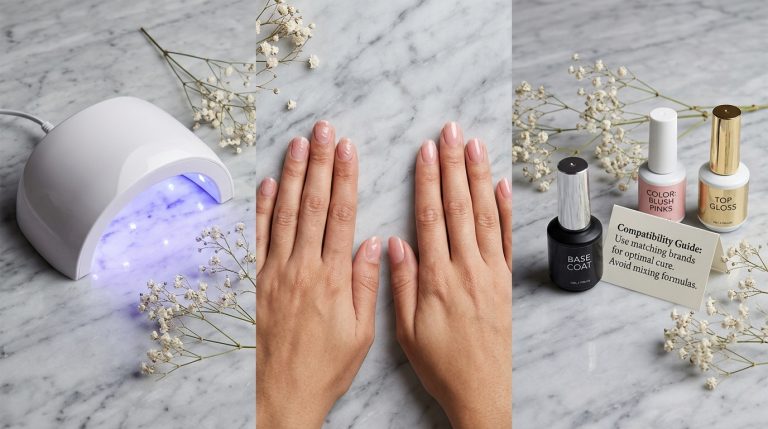
Each professional gel system is designed, tested, and certified as a complete unit: capa base, builder or colour, top coat, and lamp. The lamp’s wavelength output, intensity, and cure time are matched precisely to the photoinitiators in that brand’s gel.

When technicians attempt to mix systems, for example by curing one brand’s colour coat under another brand’s lamp, there is no guarantee of complete cure. The coating may harden on the surface but remain only partially polymerised beneath. This is one of the leading causes of both service breakdown and allergic reactions.

According to NailKnowledge, nails cured under the wrong lamp may never fully cure, even after weeks. Filing or removing these coatings later releases uncured dust that can cause skin irritation and long-term sensitivity.

Phasing in a hypoallergenic system without mixing products

The financial reality is that not every professional can replace all products at once. However, trying to combine systems to save costs is not a safe solution. A smarter approach is to phase in a new hypoallergenic system gradually but keep each client service consistent.

That means if a client books for the hypoallergenic option, you use the same brand for base, builder, colour, top, and lamp. For other clients, you continue to use your existing full system. What you must avoid is cross-curing — using a lamp and builder from one system while keeping another brand’s colour or top coat.

This way you can manage costs while ensuring the safety of your clients and yourself.

The hidden danger of under-curing when mixing systems

One of the challenges is that under-curing is not always obvious. A nail may feel hard, look shiny, and even wear well, yet still contain uncured material beneath the surface. Over time, this hidden weakness can cause lifting, allow bacteria to grow in gaps, and expose both client and technician to sensitising dust during removal.

This explains why some issues are blamed on “bad product” when the real cause lies in mixing systems or using the wrong lamp.

Professional standards and insurance risks with mixed products

There is also a serious professional risk when dealing with clients who present with suspected infections or damage. If a client shows signs of bacterial or fungal involvement, the service should be stopped immediately and the client referred to a medical professional. Proceeding in such cases is not only unsafe but also invalidates insurance coverage.

Ignoring these guidelines can leave a professional personally liable if a client files a claim. Proper record-keeping and responsible referral protect both the client and the technician.

Key takeaways for nail Key lessons on mixing nail brands and lamps for professionals

  • Nail infections and splinter hemorrhages often arise from lifting, trauma, or incomplete curing rather than product faults.
  • Allergic reactions are increasing due to exposure to under-cured products. Once an allergy is developed, it is lifelong.
  • Mixing nail brands and lamps introduces a significant risk of incomplete curing. This risk is invisible and accumulates over time.
  • Transition to hypoallergenic systems should be phased in service-by-service, ensuring all products and the lamp are from the same brand for each client.
  • Always refer clients with suspected infections to a medical professional before offering further services.

Conclusión

The temptation to mix systems is understandable, especially with financial pressures, but the evidence shows it is not safe. Lamps and gels are not interchangeable. The best course for nail professionals is to use each system as it was designed and to phase in new products as complete sets.

Client trust and long-term safety depend on professional standards, and cutting corners by mixing nail brands and lamps can lead to problems that are far more costly than any short-term savings.

Publicado en: Servicios de uñas, Química del producto

Por qué arden las uñas al limar: ¿Qué ocurre realmente?

We get this question a lot from consumers, and honestly, it’s one we wish more people would ask. Why do nails burn when filing? It’s a surprisingly common experience in the salon chair, and for some, it’s become something they just “put up with” for the sake of a beautiful finish. But here’s the thing: while the result might be worth it, discomfort during the process shouldn’t be the norm.

Both professionals and clients deserve a better understanding of what’s happening during filing, why that burning sensation can occur, and what “thinning nails” truly means. Spoiler alert: your nails aren’t alive, so why does it feel like they are protesting? Let’s break it down.

Why Nails Burn When Filing Even Though They Aren’t Alive

Here’s a little science first. The nail plate, the part of your nail you can see, is made up of keratin, a protein also found in your hair and skin. Unlike skin, however, the nail plate doesn’t have nerves or blood supply. So, if it’s technically non-living tissue, how can something like filing cause a burning sensation?

The answer lies just beneath the surface: the nail bed. That’s the living, sensitive skin directly underneath your nail plate. When you file too aggressively, especially with high-speed electric files or coarse grit boards, you’re not damaging the “non living” nail plate so much as you’re creating heat through friction. That heat transfers quickly to the nail bed, and guess what? That’s where the nerves are.

Think of it like touching a hot pan with an oven mitt. If the mitt is too thin, the heat seeps through and, ouch! Your nail plate is that mitt, and when it gets too thin, the nail bed feels every bit of the burn.

What Does ‘Thinning Nails’ Really Mean?

This is a phrase that’s thrown around a lot in salons and online, but it’s rarely explained well. Thinning nails refers to the gradual reduction in thickness of the nail plate, often caused by over-filing or repeated exposure to harsh chemicals.

When a tech files too much off the surface (especially when prepping for gel or acrylic application), they can shave down the protective layers of keratin that make up your nail. Over time, this leads to nails that feel flimsy, bendy, and yes,  your nail beds become more sensitive to heat.

And here’s the kicker: thin nails don’t just feel weaker. They are weaker. They lose their ability to act as a thermal barrier, so even mild friction can cause that burning sensation during filing and worse still they become an unstable foundation for your gorgeous artificial nail product – crazy hu?

Why Nails Burn When Filing: The Main Culprits

Let’s get specific. If you’re experiencing that burning feeling while getting your nails done, or you’re a pro and your client winces mid-service, these are the usual suspects:

  1. Excessive Pressure – Heavy-handed filing is one of the fastest ways to generate unnecessary heat. Light, even strokes are key.
  2. Wrong Grit – Using a coarse file (e.g., 80/100 grit) on the natural nail is a recipe for damage. For natural nails, stick to 180 grit or higher.
  3. Overuse of Electric Files – E-files aren’t bad, but using them at high speeds or without proper training can cause rapid friction and heat buildup.
  4. Over-filing the Same Spot – Filing one area too long, even gently, creates a hot spot. Keep your strokes even and move across the nail continuously.
  5. Thin Nail Plates – As discussed, once the nail plate is thinned from previous services or trauma, it becomes damaged & more sensitive to future treatments.

What Can Be Done? Tips for Professionals and Consumers

For Clients:

If you’re the one sitting in the chair and your nails start to burn, say something. Nail technicians rely on your feedback to adjust their technique. You deserve a comfortable experience, not one where you’re silently enduring pain just to avoid “making a fuss.”

Also, pay attention to how your nails feel after the service. If they’re thin, peeling, or tender to the touch, bring it up at your next appointment. Ongoing discomfort is a sign that something needs adjusting, whether that’s the prep method, the products being used, or the frequency of your appointments.

For Professionals:

It starts with education. Understanding the nail’s structure and the physics of friction can completely change how you approach your filing technique. Always:

Never use an efile on the natural nail plate, when ‘shaping or rebalancing’ gel, acrygel or L&P an efile is a gift from the gods IF used in a correct manor.

  • Use the correct grit for the job.
  • Let the file do the work, no need to push down hard.
  • When using an e-file, keep it moving and never dwell in one spot.
  • If your client flinches or says it’s hot, stop and reassess.

And remember: we’re not just shaping nails, we’re caring for living tissue underneath. That’s a responsibility that comes with the title “nail technician.”

Rebuilding Trust (and Nail Health)

If nails have already been over-thinned, there’s hope. Encourage your clients to take a break from enhancements if possible, or switch to more flexible systems like builder gels or overlays that don’t require aggressive prep. You can also recommend good quality nail & skin oils and treatments to help fortify the natural nail plate as it grows out.

More importantly, empower them with information. When clients understand why nails burn when filing, they become more proactive about their care, and more likely to remain loyal because they trust your expertise.

A Final Thought: Beauty Shouldn’t Hurt

Let’s stop normalising discomfort in the salon chair. That burning feeling isn’t just part of the process, it’s your body’s way of saying “something’s not right.” By working together, client and pro, we can make the experience both beautiful and pain-free.

So next time you hear someone say “oh, it burns a bit, but it’s fine,” let’s change the conversation. Because beauty, at its best, doesn’t hurt. It empowers. And it starts with knowledge.

Publicado en: Servicios de uñas

¿Hay que cortar la cutícula? La verdadera ciencia

If you’ve ever paused with a pair of nippers hovering over your nails, you might’ve wondered: should you cut the cuticle? It’s one of the most searched questions in nail care,—and one of the most misunderstood. Scientifically speaking, the answer is more nuanced than a simple yes or no. It depends entirely on what you’re actually cutting.

Most people refer to any skin at the base of the nail as the “cuticle,” but that’s not anatomically correct. What they’re often referring to is the Proximal Nail Fold (PNF), a living tissue that serves as a barrier against infection. The true cuticle is a thin layer of dead skin cells that clings to the nail plate, created by the eponychium underneath the PNF.

So when you ask, “Should I cut the cuticle?”, you need to ask a second question: Are you referring to the dead cuticle, or the living PNF?

Why Should You Cut the Proximal Nail Fold or Just Remove the Cuticle?

Anatomy, Not versus Vanity.

You may call it the cuticle, but anatomically, that outermost bit is the proximal nail fold, a living layer of skin that seals out bacteria and pathogens. The actual “cuticle” is the thin film of dead cells that cling to the nail plate, created by that living tissue. Cutting into the proximal nail fold isn’t just cosmetic, it breaches your body’s defences. That’s why if your question is should you cut the proximal nail fold or just remove the cuticle, the answer depends: are you cutting live tissue (the proximal nail fold) or removing dead cells (the cuticle) to improve the condition of the nail plate?

When Should You Cut the Cuticle, If Ever?

In a proper manicure routine, removing hangnails and frilled dead keratinized skin off the nail plate helps polish product adhesion and makes your nails look better. The key distinction? You’re not slicing into removing living tissue, just eliminating debris that can cause lifting of your polish product or snag your socks. So yes, you may carefully trim remove the dead (non-living) cell cuticle, but only if you know where the proximal nail fold ends and the dead (non-living) cuticle begins.

Why You Should Think Twice Before You Cut the Cuticle

That living proximal nail fold isn’t just decorative; it’s like a little built in moat protecting your matriz de uñas . Cutting into it can create entry points for bacteria or fungi and lead to infection. Plus, skin trauma near the nail can trigger hyperkeratosis (thickened skin) or irritations. So the next time you ask should you cut the proximal nail fold or just remove the cuticle, consider this: are you respecting the natural border, or dancing too close to damaging its defences it in the name of vanity or because its always been done this way?

Should You Cut the Cuticle? Here’s How to Care for It Instead

  • Softening & pushing back – Use a gentle moisturiser or cuticle oil containing jojoba, vitamin E or almond oil. This hydrates, seals in moisture, and even supports microcirculation. Never use excessive force at the back of the nail plate where it meets the Proximal Nail Fold
  • Cleanse, don’t over-soak – Water softens skin but can lift and will help soften the cuticle from on the plate. Avoid long soaks before trimming any nail product application —they blur the line between live and dead tissue. as this will also soften the nail plate causing your nail product to lift or chip. 
  • Gentle pushing – Use a soft orangewood stick or manicure tool to nudge back the dead cuticle (proximal nail fold) without intruding on damaging it, be very gentle living skin.
  • Targeted trimming – Only cut away tiny hangnails or ridges of dead skin that are obviously detacheding from the skin—never cut right at the fold. Always use sharp clippers and avoid cutting deep into the nail folds
  • Hidratar – Finish with nail oil to reinforce the barrier and keep that natural “cutile proximal nail fold” soft. When oil is massaged into the area, it shields against loss and external stressors .

What the Pros Say

NailKnowledge experts stress that the term “cuticle” is often misapplied . They argue that What most people call the cuticle is actually the proximal nail fold, a living part of the nail area that sheds dead cells.

Cutting it is not advisable because the Proximal Nail Fold is living skin, only keratinized, and attached to the nail plate. Doing so damages the natural barriers that protect the nail unit, which is why education now promotes correct anatomical terminology.

Are you still thinking should you cut the cuticle (proximal nail fold) every time you prep for a manicure? Remember: if it bleeds or hurts, you cut the wrong thing.

Risks of Cutting or Cutting (Too Deep) Into the Proximal Nail Fold

  • Infección – Breaks in the skin allow pathogens in.
  • Thickened skin – Trauma can lead to hyperkeratosis, redness, swelling and soreness.
  • Polish lifting – Damaged skin disrupts the balance of the nail plate and this will affect adhesion.
  • Decoloración – Scarring or recurring inflammation can affect colour and texture of the nail and or the surrounding skin and can also damage melanocytes in the skin removing protection from UV light possibly making you more vulnerable to skin cancers.

Should You Cut the Cuticle? A Science-Backed Nail Care Routine

So how should you approach manicuring your nails, tidying your proximal nail folds and removing the cuticles from the nail plate before product application?

  1. Hydrate – Apply quality oil or moisturizer daily to maintain the general health and flexibility of the skin protecting your nail plate and to ensure that less water can enter your nail plate soften and seal .
  2. Gently push – Use soft tools once or twice a week to nudge back the proximal nail fold allowing for perfect removal of softened cuticle from the nail plate before applying any product.
  3. Trim only dead bits loose hanging dry skin – Carefully clip loose flakes of skin or hangnails—not living skin or proximal nail fold.
  4. Clean the nail plate – For any artificial nail product including nail polish, wash hands and nails with soap & water and use a good quality nail plate cleanser to remove wipe away oils and or debris from the nail plate with acetone or isopropyl alcohol once the skin hands and nails are clean.
  5. Finish with a good quality nail and skin oil and lotion – Seal everything in. Your nail or skin oil isn’t just cosmetic; it forms a protective buffer, enhances flexibility, and even aids circulation.

Stick with Science, Not Tradition

Gone are the days when salons flouted every boundary, soaking your hands in water and aggressively trimming living skin. Modern anatomy and evidence show that what you’ve traditionally called the cuticle is a the living protective proximal nail fold. We give you a small overview of what each part is:

  • Cutícula is a non-living tissue formed by the eponychium and laying as a very thin layer on the nail plate, has to be removed gently before applying product. It’s a protective layer that seals under the proximal nail fold.
  • Pliegue ungueal proximal is living skin and at the end slightly keratinized. Laying on top of the nail plate helping the cuticle seal the entry to the eponychium & nail matrix, making it an anti-pathogenic barrier.
  • Eponychium (living tissue) is a very thin layer of stem cells where the nail plate cells are crushed together to form the nail plate. It’s where the cuticle is formed and laid on the nail plate. It’s a crucial component in the production of the nail plate, along with the nail matrix.
  • Matrix (also living tissue) is made out of the same stem cells as the eponychium and produces the different layers of the nail plate cells.

Shedding tradition for knowledge makes you safer, more confident, and kinder to your nails with the added bonus of protecting your nail area while helping maintain amazing looking nail product on your fingers.


Publicado en: Servicios de uñas

Síntomas de la psoriasis ungueal en los clientes

Cómo identificar los síntomas de la psoriasis ungueal en los clientes con confianza y cuidado

As nail professionals, we often spend more time examining our clients’ nails than they do themselves. Whether you’re prepping for a manicure, applying gel, or giving a hand massage, you’re in a unique position to notice early warning signs of certain conditions, like nail psoriasis. It’s not uncommon for clients to be completely unaware of what’s happening under the polish. Spotting potential nail psoriasis symptoms in clients isn’t about diagnosing but about being observant and informed so you can offer the best advice and ensure their wellbeing.

So how do you recognise the signs of nail psoriasis without alarming your client, and when should you recommend they speak to a healthcare provider? Let’s explore the clues, what they mean, and how to navigate the conversation professionally.

Cómo reconocer las señales visuales de la psoriasis ungueal en el salón de belleza

Nail psoriasis can be tricky to spot because it shares symptoms with other nail conditions. Most commonly, it appears in individuals who already have psoriasis on their skin, but it’s not limited to them. Interestingly, only about 5 percent of people with psoriasis experience symptoms limited to the nail plate. However, those with psoriatic arthritis, especially in fingers and toes, often show signs in their nails as well.

This condition isn’t contagious. It doesn’t come from bacteria, fungi, or any outside source. Instead, it’s rooted in the immune system and often runs in families. That means it’s not a hygiene issue, which is an important distinction to make when explaining it to a client.

You’re not expected to identify medical issues. But spotting changes in the nails helps you offer guidance and shows your professionalism.

Cambios de color y textura de la superficie a tener en cuenta

When scanning your client’s nails during a service, there are a few tell-tale signs that may point to nail psoriasis symptoms in clients. One of the most recognisable is the “salmon patch.” These look like tiny drops of oil or blood trapped under the nail plate and tend to appear pinkish or reddish in tone.

Other discolouration might include patches of green, yellow, or brown. These could be mistaken for fungal infections or bruising, but if seen in combination with other symptoms, they may be signs of psoriasis.

Surface texture is another clue. The nail plate might develop small pits or indentations, like pinpricks scattered across the surface. These pits can be random or neatly aligned, giving the nails an unusual, rough appearance even though they haven’t been filed.

In more advanced cases, the nail may become thicker, appear chalky underneath, or start crumbling at the free edge. This brittleness is a result of weakened nail structure, not neglect.

Separación, sangrado y sensibilidad de las uñas

If you notice the nail lifting from the nail bed, beginning at the free edge and pulling back toward the cuticle, this condition is known as onycholysis. It’s a common issue for those with nail psoriasis and can open the door to secondary infections.

También puede ver hemorragias en astillapequeñas líneas negras en la dirección del crecimiento de la uña. Están causadas por la rotura de capilares en el lecho ungueal y suelen ser inofensivas, pero su presencia junto con otros signos refuerza la necesidad de remitir al paciente a un profesional médico.

Enrojecimiento en la lúnula (the half-moon at the base of the nail) and inflammation around the nail folds (known as paronychia) can also be part of the picture. These symptoms may make the nails feel sore or tender, which the client might casually mention in conversation without realising it’s a sign of something more.

Comunicar sus preocupaciones sin alarmarse

When you’re faced with several of these symptoms at once, it’s wise to gently suggest your client consult a dermatologist or podiatrist. The key here is tone. Avoid sounding alarmed or overly clinical. Instead, speak in calm, neutral language that keeps the focus on their health.

For example, you could say: “I’ve noticed a few changes in your nails that I think are worth showing to a dermatologist. It’s nothing to panic about, but it could be something like nail psoriasis, and they’ll be able to give you a clear answer.”

This approach respects the client, keeps their dignity intact, and shows that you’re looking out for their overall wellbeing, not just their manicure.

Prácticas seguras para la psoriasis ungueal en los salones de belleza

Despite its appearance, nail psoriasis is not caused by an infection, and it cannot be passed from one person to another. That means it’s completely safe to carry out nail services, as long as the client is comfortable and the nail bed is not open or actively inflamed.

In fact, well-applied artificial nail coatings can help protect the nail from further trauma. UV gel manicures, acrylic overlays, and other professional coatings are not harmful to the condition. Just be sure the nail isn’t lifting or damaged to the point of exposing the nail bed, as that could invite irritation or infection.

Consejos para el cuidado diario de las uñas de los pacientes con psoriasis ungueal

Although there is no cure, many clients benefit from practical, everyday care tips to manage nail psoriasis. Encourage them to keep nails short and the free edge smoothly filed. Suggest wearing gloves while doing housework or gardening, especially during colder months. A high-quality skin conditioner can help prevent cracking and dryness, which often aggravate symptoms.

También es importante llevar zapatos cómodos y que ajusten bien, sobre todo los que hacen ejercicio con regularidad. Para los clientes que estén dispuestos a someterse a un tratamiento médico, infórmeles de que existen terapias, desde cremas tópicas hasta inyecciones y tratamientos con luz. Esto puede ofrecer un alivio significativo, aunque los resultados tarden en aparecer.

Cuándo remitir a su cliente

Remitir a un podólogo si su cliente tiene:

  • Dolor, hinchazón, sangrado o sensibilidad alrededor de la uña
  • Uñas que huelen mal o parecen infectadas
  • Síntomas que no mejoran tras el autotratamiento
  • Cambios en varias uñas, especialmente si parecen simétricas
  • Antecedentes personales o familiares de psoriasis o afecciones cutáneas
  • Cualquier cambio inusual o preocupante del que no esté seguro

¿Cree que su cliente tiene una infección por hongos en las uñas? En realidad podría tratarse de psoriasis ungueal. Aprenda a detectar la diferencia, evite los diagnósticos erróneos y proteja la higiene del salón.

Reflexiones finales sobre cómo detectar los síntomas de la psoriasis ungueal en los clientes

As a beauty professional, you’re not there to diagnose enfermedades, but your role can still be powerful. By being informed about nail psoriasis symptoms in clients, you’re better equipped to support them with empathy, professionalism and the right advice.

Clients trust you not just for beautiful nails, but for your expertise. When you notice changes in nail texture, colour, or structure, you have the opportunity to guide them toward the care they might need, without judgment or alarm. That’s a mark of true professionalism.

Fungal Infection or Nail Psoriasis? Here’s How to Tell the Difference

¿Cree que su cliente tiene una infección por hongos en las uñas? En realidad podría ser psoriasis ungueal. Aprenda a detectar la diferencia, evite diagnósticos erróneos y proteja la higiene del salón.

Publicado en: Información general, Afecciones de las uñas, Servicios de uñas

Esmalte en gel después de la quimioterapia

¿Cuándo es seguro volver a hacerse la manicura?

Chemotherapy is a battle, a test of resilience, and for many, a transformative journey. But alongside its life-saving power, it takes a toll on the body, and nails are no exception. Brittle, ridged, discoloured, or even lifting from the nail bed, these are common post-chemo concerns. And now that the treatment is over, a question arises: when is it safe to indulge in a little self-care and wear gel polish after chemotherapy? Let’s break it down.

Understanding Chemo’s Impact on Nails

Your nails are like a reflection of what’s happening inside your body. Chemotherapy doesn’t just attack cancer cells, it affects fast-growing cells everywhere, including those responsible for nail growth. That’s why many people notice their nails becoming weak, peeling, or developing dark streaks during treatment.

Some chemo drugs are harsher on nails than others. Taxanes, for example, are notorious for causing nail damage. In some cases, nails may even separate from the nail bed (a condition called onycholysis), it’s also possible that chemotherapy toxins in the blood leak from the nail bed where the weakest blood capillaries are and that’s not only extremely painful its dangerous for the nail tech. Given all this, it’s understandable why doctors often advise against wearing esmalte en gel during treatment, your nails need to be carefully monitored especially for color changes – and need be, given time to heal. Not doing so is plain foolish!

Por qué el lecho ungueal es especialmente vulnerable durante la quimioterapia

Fig 1: 1 año después de la última quimioterapia hasta que el lecho ungueal está (casi) totalmente recuperado.  

1-1: Leakage of chemotherapy through the capillaries of the nail bed.-2: Start of healing process the nail bed is still irritated and the nail plate is being forced out of the paronychium cup due to oedema.

1-3: Almost full recovery of the nail bed – where the little white arrow is the nail bed is still showing signs of irritation.

When nailbeds are affected by leakage of chemotherapy because the blood capillary’s get damaged, the recovery of those capillary’s can be a long, hard, ugly road and nail hygiene is paramount to stop any secondary infections from taking place. When oedema forces the nail plate out of the paronychium cup the worst thing you can do is apply any or all artificial nail products, the nail plate needs to be handled in such a way that the nail plate remains flexible and if need be a non-stick dressing (soft foam bandage) can be applied to stabilize the nail plate. Patients can also experience neuropathic symptoms that can be excruciating and again DO NOT do anything to the nails apart from good nail hygiene and maintenance and keep the free edge short.

Uñas después de la quimio: Por qué la recuperación es diferente para cada persona

But post-treatment? That’s when things get a little tricky. While the urge to get back to normal is strong, patience is key when it comes to your nail health.

Fig 2: El mismo cliente, la misma uña. 1 año después del final de la quimio, un retroceso cuya causa se está investigando.

2-4: 14 months after the end of chemotherapy – the nail bed starts to show signs of irritation and onycholysis.

2-5: 14 months and 21 days later, onycholysis is extreme and client is experiencing pain where the nail bed is red, there are no signs of hyperkeratosis or blood splinters – just clear clean detachment of the nail plate from the nail bed.

2-6: Although at the right lateral nail wall of this same finger it ‘looks like‘ it could be a blister, there are no signs of blistering, hyperkeratosis or extreme desquamation of nail bed cells when we look down the barrel of the nail.

We tested these nails for fungi or Candida, these tests were negative. Client does not use any nail coatings and is almost obsessive about hand and nail care. There is no conceivable reason from the outside for this nail plate detachment – None, but … something is happening and because of this clients medical history we have referred her back to the Oncologist and Dermatologist.

When Nail Recovery Doesn’t Go as Expected

With all our knowledge we cannot find a conceivable reason for this sudden nail bed irritation and onycholysis – if you don’t have this knowledge and your client just wants pretty nails you MUST refuse service – you will not be insured for any or all damage that may or may not be caused by applying any or all artificial nail products.

It Ain’t Over Till It’s Over

Sometimes nails need more time. After your immune system has been broken down by chemo or immune therapy, the slightest little thing can affect the nail unit. Do not use any artificial nail products on nails showing any onycholysis or nail wall separation. Let the specialists that the client is still seeing find the cause and wait, your client will thank you for it.

Its tough, your client has survived the hell that is cancer, he/she lost all her hair, her body swelled in all directions, her nail plates were hanging off, her operations were hard, the scars visible – he/she got through all of that and all he/she wants is to be ‘normal’ to look good, to get on with his/her life – how much harm can pretty nails cause?

We spent 14 months fighting to hold on to these nail plates – if we do something now that compromises them in the name of beauty and this client would get a secondary fungal or bacterial infection she could still lose her fingers – That’s not what were here for – we are educated nail techs, nothing more and nothing less.

The problem is every client is different – There is one guarantee ***No todos los cuerpos reaccionan de la misma manera a las mismas terapias y no todas las terapias reaccionan de la misma manera en cuerpos diferentes***.

El cuidado de las uñas durante y después de la quimioterapia debe limitarse únicamente a manicuras sencillas, pasivas y no invasivas.

Some people don’t suffer too much, others almost loose their minds because the neuropathic pain in their nail units is unbearable.

Regla nº 1: NO CAUSAR DAÑO

  • If you don’t know what your doing – don’t do it
  • If you’re not sure you should do it – don’t do it
  • If you’re worried about doing it – don’t do it
  • If your client says – its ok, my oncologist said its fine without a letter of approval – don’t do it
  • If your clients oncologist says a passive manicure is ok with a letter of approval and you want to grab your efile with a safety bit – don’t do it

¿Cuándo se puede volver a usar el esmalte de gel?

There’s no universal rule for when you can safely start using esmalte en gel después de la quimioterapiapero la mayoría de los expertos recomiendan esperar al menos de tres a seis meses después del último tratamiento. ¿Por qué? Porque aunque la quimio esté fuera de tu sistema, sus efectos perduran. Tus uñas pueden estar aún frágiles y posiblemente más sensibles, y añadir esmalte de gel demasiado pronto puede causar daños involuntarios.

For some, nails bounce back fairly quickly. Others may take a year or more to fully regain strength. A good rule of thumb? If your nails still feel weak, thin, or ridged, it’s best to hold off. Let your (clients) body recover first before exposing your (clients) nails to gel polish application and removal.

Cómo saber si tus uñas están listas

Antes de volver al esmalte de gel, fíjate en estos signos:

  • Fuerza – Can your nails withstand gentle pressure without bending or splitting?
  • Sin separación – Is the nail firmly attached to the nail bed with no separation?
  • No levantar las paredes laterales – if the nails are not in the paronychium cup do not use any artificial nail products.
  • Color saludable – Have any dark streaks, yellowing, or discolouration faded?
  • Sin crestas ni peladuras excesivas – Are your nails strong enough to hold polish without it chipping quickly?

If you’re still seeing signs of damage, don’t rush. Instead, focus on strengthening y o mejorar primero las uñas.

Cómo preparar las uñas para el esmalte de gel después de la quimioterapia

If you’re confident that your nails are ready, taking the right precautions will help you avoid setbacks. Here’s what you should keep in mind:

1. La hidratación no es negociable

Las uñas después de la quimio están sedientas. Manténgalas hidratadas con un aceite para cutículas. Dehydrated nails are more prone to peeling and snapping, chemotherapy or immunotherapy can cause nail plates to become thinner or more brittle, so this step is crucial. There are some amazing products in the market anno 2025 – something containing 10% Urea is perfect as are all high quality nail & skin oils, avoid oils and or lotions with artificial colourings or perfume as your client may well be more sensitive to irritations until he/she is fully recovered.

2. Avoid Buffing

Hablando de pulir. Tus uñas ya son delgadas después de la quimio, y pulirlas las hará aún más débiles. No pulir las placas de las uñas antes o después de la quimioterapia o inmunoterapia..

3. Cuidado con la mudanza

Gel polish removal can be harsh on delicate nails. Acetone soaks can dry out the nail plate, leading to further brittleness. Instead of soaking for long periods, use a gentle removal method with foil wraps and plenty of high quality nail & skin oil afterwards.

Alternativas al esmalte de gel mientras tus uñas se recuperan

If your nails aren’t quite ready for gel but you still want a polished look, consider these alternatives:

  • Tratamientos de refuerzo – Products with keratin or biotin can help rebuild nail strength without the risk of damage from gel. IBX is a real option if used as advised and only after professional training.
  • Envolturas de uñas – These provide colour and durability without the need for UV curing or harsh removal processes. Nail Wraps can be totally gorgeous and if used properly will cause no damage take special care to remove them properly.
  • Nail Polish or Nail Varnish – take the time to apply it well, use a new base coat and it can last for days but if it doesn’t you can remove it with a good nail polish remover or acetone – this is important, by any or all signs of change in the health of the nail plate or nail bed we need to see whats going on asap.

Cuándo buscar asesoramiento profesional

If your nails remain weak, discoloured, or painful long after finishing chemo, it may be worth consulting a dermatologist or an Oncology Hand Care Specialist. In some cases, nail damage can be a sign of an underlying issue, such as persistent inflammation or a fungal infection. Actually post chemotherapy you are more susceptible to fungal infections especially White Superficial Onychomycosis and Candida.

Reflexiones finales: Abrazar el viaje

Getting back to normal after chemo is a process, and that includes nail care. While the temptation to dive straight back into gel polish after chemotherapy is understandable, patience is the name of the game. Give your nails the time they need to recover, nourish them with care, and when they’re ready, enjoy that well-earned manicure with confidence.

After everything you’ve been through, your nails deserve just as much care and attention as the rest of you. Take it slow, listen to your body, and when the time is right, you’ll be back to flaunting those perfectly polished nails in no time.

Publicado en: Servicios de uñas, Gel UV

Servicios para los que se muerden las uñas

Todos hemos pasado por eso, por el mordisqueo inconsciente, por la masticación nerviosa, por la frustración de ver unas manos que llevan las cicatrices de una vida de hábito de morderse las uñas. Si has decidido dejar de mordértelas y optar por unas uñas más fuertes y sanas, en primer lugar, ¡bien hecho! Dejar un hábito así no es fácil. Pero, ¿y si te dijera que una visita al salón de manicura puede ser el arma secreta para dejar de mordértelas? Sí, los servicios de manicura para las que se muerden las uñas no se limitan a colores elegantes y diseños bonitos, sino que pueden desempeñar un papel fundamental para ayudarte a dejar el hábito para siempre.

La psicología de morderse las uñas

Antes de entrar de lleno en cómo pueden ayudar los servicios para quienes se muerden las uñas, vamos a explicar rápidamente por qué nos mordemos las uñas. El estrés, el aburrimiento y la ansiedad son los culpables más comunes. A veces, es sólo un hábito sin sentido, algo que hacemos sin siquiera pensar. Pero sea cual sea la razón, una cosa es segura: romper el ciclo requiere algo más que fuerza de voluntad.

Tus uñas son algo que se ve todos los días. Si tienen un aspecto increíble, te lo pensarás dos veces antes de roerlas, ¿verdad? Ahí es donde entran en juego los servicios profesionales de manicura. No solo transforman tus manos, sino que cambian tu mentalidad y te hacen más consciente de la importancia de mantener tus uñas intactas.

Servicios para quienes se muerden las uñas: Acrílicos, geles y esmaltes duros

Su armadura contra las mordeduras

Una de las principales razones por las que la gente lucha por dejar de morderse las uñas es la accesibilidad. Si tus uñas son débiles, quebradizas y cortas, es muy fácil empezar a mordisquearlas. Pero cuando añades una capa de acrílico, gel o un recubrimiento duro, de repente, tus uñas se vuelven mucho más difíciles de morder.

Piensa en las extensiones acrílicas y de gel como en un escudo, una barrera literal entre tus dientes y tus uñas naturales. Son duras, resistentes y no es precisamente fácil morderlas. Además, ¿morder el gel o el acrílico? No es una experiencia agradable. Esa ligera incomodidad suele ser suficiente para que te pares a pensar antes de hincar el diente.

Las citas periódicas para las uñas le ayudan a rendir cuentas

Seamos sinceros: si te has gastado dinero y tiempo en arreglarte las uñas, ¿vas a estropearlas mordiéndote las uñas? Probablemente no. Eso es lo bueno de ir a la manicura con regularidad: te obligan a rendir cuentas. Es como tener un entrenador personal para las uñas.

Cada dos semanas, vuelves para que te rellenen los dientes, te los reparen o te los pongan nuevos. Durante ese tiempo, te estás acostumbrando a no morderte las uñas. Con el tiempo, tus uñas naturales crecerán por debajo, haciéndose más fuertes y largas sin la constante interferencia de tus dientes.

El poder del nail art: uñas demasiado bonitas para morderlas

¿Otro cambio de juego? Un bonito diseño de uñas. Hay algo en tener un diseño impresionante en las uñas que hace que te lo pienses dos veces antes de comértelas. Ya sean diseños intrincados, colores brillantes o elegantes tonos nude, invertir en nail art te da una motivación estética para mantener tus uñas de una pieza.

Es un poco como hacerse un nuevo corte de pelo, es menos probable que lo estropees si te queda fantástico. Así que, si te cuesta morder, ve a por todas. Prueba con colores llamativos, purpurina o incluso adornos en 3D. Cuanto mayor sea el esfuerzo y el arte, más protectora te sentirás.

Manicura: el ritual de cuidado personal que sustituye a las mordeduras

Para muchos, morderse las uñas es una respuesta al estrés o al aburrimiento. En lugar de echarse mano a las uñas, ¿por qué no sustituir ese hábito por algo igual de relajante pero mucho más beneficioso? La manicura regular puede convertirse en su nuevo ritual, un momento de relajación, mimo y autocuidado.

En aceites para cutículas Desde masajes de manos hasta tratamientos para fortalecer las uñas, la manicura ayuda a tus uñas a recuperarse de años de daños. Además, cuando tus manos tienen buen aspecto y se sienten bien, tienes menos ganas de mordértelas.

Tratamientos a prueba de mordeduras - Abrillantadores amargos y capas fortalecedoras

Si aún no estás preparada para los acrílicos o los geles, no te preocupes, hay otros trucos de salón de manicura que pueden ayudarte. Muchos profesionales ofrecen esmaltes de uñas de sabor amargo, que actúan como elemento disuasorio instantáneo. En cuanto te llevas los dedos a la boca, te encuentras con un sabor repugnante. Es una forma sencilla pero eficaz de perder el hábito.

Los tratamientos fortalecedores también hacen maravillas. Muchos salones ofrecen tratamientos para fortalecer las uñas naturales, haciéndolas más fuertes, más flexibles y menos tentadoras de morder. para fortalecer las uñas naturales, haciéndolas más duras y menos tentadoras de morder.

Aumentar la confianza uña a uña

Además de todas las ventajas prácticas, hay una razón importante por la que los servicios de manicura pueden ayudarte a dejar de morderte las uñas: la confianza. Llevar las uñas bien arregladas hace que te sientas arreglada, pulida y orgullosa de tus manos. Cuando te sientes bien con tus uñas, quieres mantenerlas así.

Romper con el hábito de morderse las uñas es un viaje, no una solución de un día para otro. Pero con el apoyo adecuado, incluida la ayuda de profesionales de la manicura, por fin podrás dejar el hábito y disfrutar de las uñas fuertes y sanas que te mereces.

¿A qué espera? Reserva una cita y empieza hoy mismo tu viaje sin mordiscos.

Consejos adicionales para no morder

Aunque los servicios de manicura ofrecen un poderoso impulso para abandonar el hábito, algunos trucos adicionales pueden ayudarte a mantenerte en el buen camino:

  • Mantén las manos ocupadas - Los juguetes inquietantes, las pelotas antiestrés o incluso jugar con un bolígrafo pueden distraerte cuando te asalten las ganas de morder.
  • Identifique sus desencadenantes - ¿Muerdes por estrés, aburrimiento o ansiedad? Reconocer cuándo lo haces puede ayudarte a encontrar mecanismos de afrontamiento más saludables.
  • Mantener las uñas cortas (al principio) - Si tienes las uñas más cortas, tendrás menos tentaciones de mordértelas. A medida que se fortalezcan, podrás experimentar con estilos más largos.
  • Utilizar crema de manos con regularidad - Mantener las manos, las uñas y la piel hidratadas reduce la sequedad, que a veces puede desencadenar el hábito de morderse las uñas.
  • Sigue tus progresos - Haz fotos semanales de tus uñas para ver cuánto han mejorado. Ver cómo crecen puede ser una gran motivación.

Con una combinación de servicios para los que se muerden las uñas, cuidado personal y hábitos conscientes, estarás en el buen camino hacia un futuro sin mordiscos. Sigue así y pronto, ¡morderte las uñas será cosa del pasado!

Publicado en: Morderse las uñas, Servicios de uñas

  • Página 1
  • Página 2
  • Página 3
  • Páginas intermedias omitidas ...
  • Página 22
  • Ir a la página siguiente »

Mejora tus conocimientos sobre uñas

Suscríbase a nuestro boletín
SUSCRÍBETE...

Copyright © NailKnowledge

Conocimientos de uñas

  • MyNailEra
  • Libros electrónicos
  • Quiénes somos
  • Cursos
  • Noticias
  • Blog
  • Boletín
  • Glosario

Políticas

  • Página de privacidad
  • Condiciones generales
  • Política de cookies

Ayuda

  • Póngase en contacto con nosotros
  • Conozca a los expertos
  • Pregunte a los expertos
  • Soporte del sistema
  • Preguntas frecuentes
Spanish
Spanish
English Portuguese Vietnamese