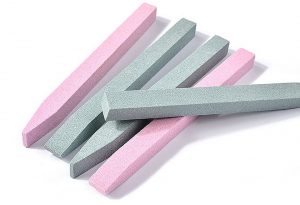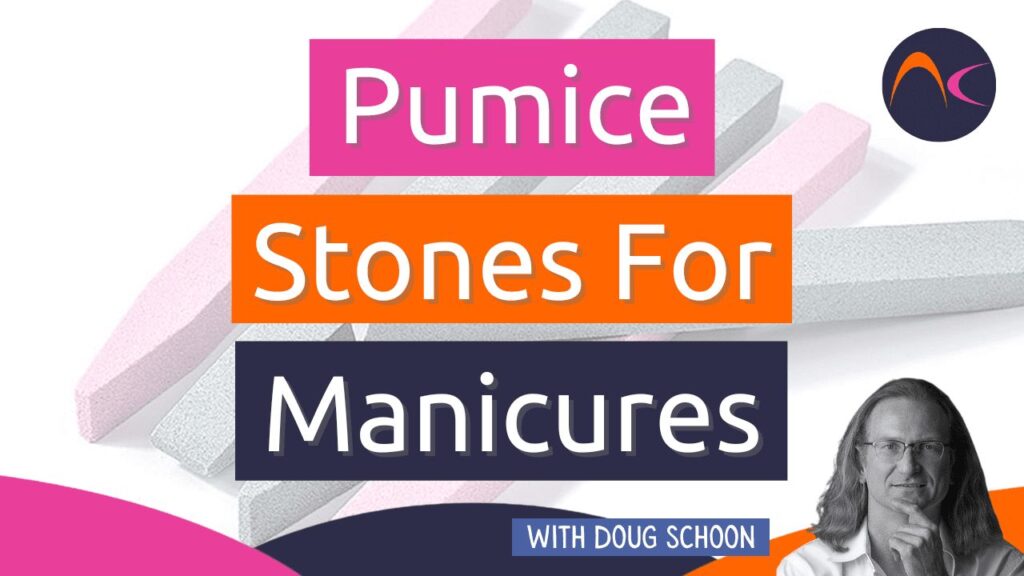
Pumice stones, or so-called Hindu stones, have been sold to nail professionals under various names for many years and are nothing new. These are made of pumice, which is finely ground lava rock. These manicure stones are very similar to the stones used in some nail salons to remove calluses. Lava stones are used mainly because they are highly aggressive and remove calluses quickly. The main difference between the different types of lava stones is the size and depth of the holes in their surfaces.
For use on feet – the holes are very large and deep, and for manicuring – they are very small and shallow. Pumice stones have been prohibited in many places mainly because they can be very difficult to clean, especially the stones used for pedicures. The large holes quickly and easily trap dead tissue. The holes make these stones very difficult to properly clean since skin is hard to remove from the deep crevices. If they can’t be properly cleaned, then they can’t be properly disinfected. I personally don’t recommend these be used on feet. These stones are too aggressive and often used to completely remove calluses. As explained in other questions, calluses should only be smoothed and should never be completely removed. Complete removal of a callus makes the foot more susceptible to injury, blisters, and infection. Calluses are designed to protect the feet.
As pedras-pomes usadas para manicure têm orifícios superficiais muito pequenos e não profundos, portanto, são muito menos propensas a reter detritos e, portanto, são muito mais fáceis de limpar. Não as testei para determinar se podem ser desinfetadas adequadamente, mas suspeito que possam ser desinfetadas se forem cuidadosamente limpas. Isso significa a remoção de todos os sinais visíveis de detritos antes de mergulhá-los completamente em um desinfetante.
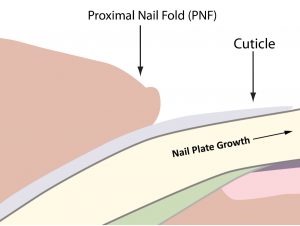
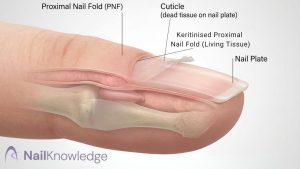
The biggest problem in my view is that for manicuring, these stones are very hard, highly abrasive, and not flexible. This causes them to be overly aggressive and damaging to the natural nail plate. To make matters worse, they are sometimes used to remove the very thin cuticle tissue adhering to the thinnest and softest part of the nail plate. What? Or I should ask why? Isn’t this like using a chain saw to mow the grass? You can do that, but why would you want to? This is extreme overkill and these pumice stones are not the best way to safely and carefully remove cuticle tissue.

Se for usada pressão excessiva para baixo com essas pedras, a placa ungueal poderá ser seriamente danificada e excessivamente afinada. Em vez disso, recomendo o uso de um empurrador de madeira descartável, que é muito mais seguro. As curetas de metal também são muito úteis para essa finalidade, mas os empurradores de metal podem ser muito afiados e podem ferir o tecido vivo. Independentemente do instrumento utilizado, recomendo usar um toque suave sempre que estiver trabalhando na placa ungueal e, especialmente, próximo a a lúnula (lua), onde a placa ungueal é mais macia e ainda não está totalmente endurecida. Os danos às unhas nessa área ocorrem facilmente, portanto, tome os devidos cuidados.