• Bỏ qua primary navigation
  • Bỏ qua nội dung chính
  • Bỏ qua footer
Kiến thức về móng tay

Kiến thức về móng tay

  • Các khóa học
  • MyNailEra
  • Sách điện tử miễn phí
  • Cơ sở tri thức
    • Cơ sở tri thức
    • Hỏi các chuyên gia
    • Thuật ngữ
  • Tin tức
  • Blog
  • Đăng nhập

Lưu trữ choTháng 7 22, 2023

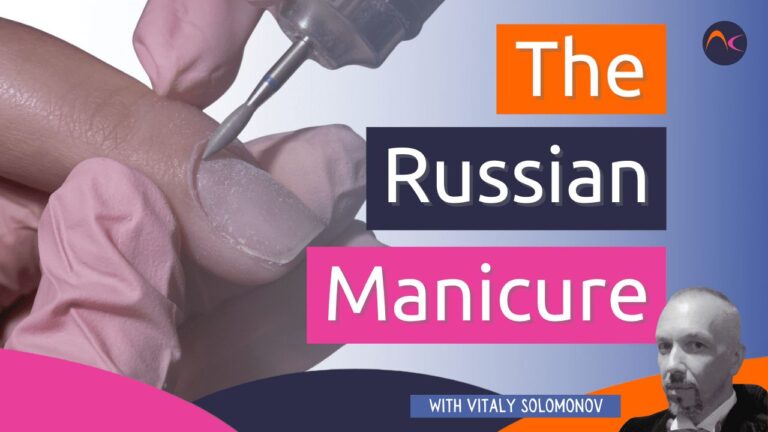
Móng tay kiểu Nga

Làm móng tay theo phong cách Nga: Cân bằng giữa vẻ đẹp và rủi ro trong thẩm mỹ móng tay

In the world of nail cosmetology, achieving both beauty and health is a delicate art. The Russian manicure, a popular technique known for its gentle approach, has garnered attention for its ability to deliver aesthetically beautiful and healthy results simultaneously. However, beneath the flawless exterior, the use of harsh abrasives in this procedure can lead to hidden micro-injuries on the skin. It is crucial for professionals to understand the concept of controlled inflammation in cosmetology and recognize the fine line between beneficial and harmful practices. This article delves into the significance of comprehending inflammation in the context of the Russian manicure technique and highlights the potential risks it entails.

Hiểu về tình trạng viêm trong thẩm mỹ

Trong quá trình theo đuổi vẻ đẹp hoàn hảo, những khuyết điểm thường bị bỏ qua. Trong trường hợp làm móng tay kiểu Nga, các dấu hiệu đỏ, kích ứng và sưng tấy có thể bị coi là những khuyết điểm đơn thuần. Tuy nhiên, những dấu hiệu này thực chất là triệu chứng của tình trạng viêm, đóng vai trò kép trong sức khỏe của chúng ta. Một mặt, tình trạng viêm đóng vai trò là công cụ bảo vệ và tái tạo cho làn da của chúng ta, mặt khác, nếu không được kiểm soát đúng cách, nó có thể dẫn đến các tình trạng và bệnh tật không lành mạnh.

Vai trò của việc kiểm soát tình trạng viêm trong việc làm móng tay kiểu Nga

Kiểu làm móng tay của Nga, nổi tiếng với cách tiếp cận nhẹ nhàng, dựa trên khái niệm về tình trạng viêm được kiểm soát để đạt được kết quả đáng chú ý. Các chuyên gia phải hiểu được sự cân bằng tinh tế giữa tình trạng viêm có lợi và có hại để đảm bảo an toàn và hiệu quả. Trong khi rèn luyện thể chất là điều cần thiết, thì giáo dục lý thuyết cũng quan trọng không kém, vì nó cung cấp sự hiểu biết toàn diện về sự phức tạp của tình trạng viêm trong thẩm mỹ.

Khám phá các kỹ thuật mài mòn

One of the key aspects of the Russian manicure is the use of scrubs, peels, and abrasion to achieve the desired outcomes. Among these, scrubs stand out as a mild form of abrasion, effectively awakening deep living cells in the skin and promoting regeneration of new, fresh skin layers. This process triggers a series of biological reactions, vital for re-covering the skin’s barriers and restoring its health. Essentially, when we refer to “skin rejuvenation,” it is, in fact, synonymous with skin inflammation, as the skin’s ability to regenerate is closely tied to controlled inflammation.

Những nguy hiểm của việc lột da sâu

While mild abrasion methods such as scrubs and nail polishing have their benefits, deep peelings require special medical education to understand the skin’s responses from the initial stage of inflammation to full healing and recovery. Peelings are often associated with chemical action, but regardless of the damaging agent—be it chemical, mechanical, or infectious—the skin responds with inflammation. Understanding how to control severe inflammation during harsh abrasion procedures is crucial to achieving positive results without risking adverse effects or turning inflammation into disease.

Tác động tích lũy của viêm

An essential aspect to consider is the cumulative impact of repeated mild inflammations. When the skin is unable to recover between procedures, the cycles of inflammation overlap, leading to chronic injury. The skin’s renewal cycle, which is approximately 30 days, becomes disrupted, resulting in signs of abnormality such as extreme dryness, slow nail growth, thin and fragile nail plates, and changes in shape. In severe cases, conditions like onycholysis, onychomadesis, or pterygium may arise, involving the nail matrix in the process.

Các vấn đề gây ra và phản ứng viêm

Improper procedures, particularly those involving deep abrasion, can induce a chain reaction of inflammatory responses. This interconnected cycle may lead to additional problems, including infections, allergies, and burns, further highlighting the significance of understanding the limits and risks in cosmetological practices.

Trách nhiệm nghề nghiệp trong ngành thẩm mỹ

Bài viết này không có ý định hạ thấp bất kỳ kỹ thuật cụ thể nào; thay vào đó, nó nhằm mục đích làm sáng tỏ những nguy hiểm tiềm ẩn phát sinh khi các chuyên gia không nhận ra giới hạn trách nhiệm của họ. Efiles, mặc dù mạnh mẽ và không thể thiếu trong nhiều lĩnh vực chuyên môn, đòi hỏi kỹ năng và sự hiểu biết để đảm bảo thực hành an toàn và hiệu quả. Giống như bất kỳ quy trình thẩm mỹ nào, làm móng theo phong cách Nga đòi hỏi chuyên môn, hiểu biết về tình trạng viêm và cam kết không ngừng nghỉ với trách nhiệm nghề nghiệp.

Phần kết luận

In conclusion, the Russian manicure’s gentle approach to nail cosmetology is an admirable technique, but it necessitates an in-depth understanding of controlled inflammation. Through theoretical education and careful consideration of the potential risks, professionals can deliver aesthetically beautiful and healthy results while safeguarding their clients’ well-being. Remember, the beauty lies not only in the outcome but also in the responsible practices that underpin it.

Câu hỏi thường gặp:

1. Làm móng tay kiểu Nga là gì và nó khác với kiểu làm móng tay truyền thống như thế nào?

   – The Russian manicure is a gentle nail cosmetology technique that utilizes controlled inflammation. It differs from traditional manicures by using specialized tools and mild abrasion to achieve healthier and aesthetically beautiful results.

2. Kiểm soát tình trạng viêm có lợi cho làn da khi làm móng kiểu Nga không?

   – Yes, controlled inflammation in the Russian manicure triggers regenerative processes in the skin, promoting skin health and rejuvenation.

3. Những rủi ro tiềm ẩn liên quan đến việc lột da sâu trong thẩm mỹ móng tay là gì?

   – Deep peelings in nail cosmetology can lead to severe inflammation and require specialized knowledge to avoid adverse effects.

4. How does repeated mild inflammation impact the skin’s renewal cycle?

   – Repeated mild inflammation can disrupt the skin’s renewal cycle, leading to chronic injury and signs of abnormality, such as slow nail growth and thin nail plates.

5. Những dấu hiệu bất thường ở da và móng tay do viêm mãn tính là gì?

   – Signs of abnormality due to chronic inflammation include extreme dryness, changes in nail shape, and conditions like onycholysis or pterygium involving the nail matrix.

Thuộc chủ đề:Sức khỏe và An toàn, Dịch vụ làm móng

Acetone: Câu chuyện là gì?

The nail industry would be lost without acetone! It is the fastest and most efficient solvent remover for all nail coatings.

Understanding its Properties and Safety in Nail Care

Some people believe is an allergen (as they have experienced adverse skin reactions) but it is not an allergen. We know that the human body produces small quantities of acetone during metabolism. Some diabetic conditions produce larger quantities as do those on a keto diet.

It is, however, an irritant as it dries the skin faster than natural moisturisation and can be replaced when overused and after long skin contact.

It is a lot safer than alternatives used in ‘acetone free’ polish removers. These take considerable; y longer to remove coatings so result in much longer skin contact and therefore are more irritation. Acetone is a solvent as opposed to iso-propyl alcohol which is an alcohol. The two work well together as a nail plate cleanser as they remove different types of oils found on the tấm móng tay.

The Versatility and Precautions of Acetone:

Understanding its Usage in Various Industries

It is used in many applications in a variety of industries. e.g. paints, and household cleaners It poses no significant danger to the environment except aquatic systems due to microbial consumption. There is no strong evidence of chronic health effects with normal and careful usage.

It is a very volatile chemical so evaporates quickly. It is unwise to have too much in a salon breathing environment but US regulators state that 1000 parts per million is the safety limit which is quite high, especially when the known alternative, ethyl acetate (used in acetone free removers) is only 400 PPM.

The most hazardous property of acetone is its extreme flammability so must be kept away from a naked flame and even electrical equipment as a flash point can occur!

Smart Buying

It is best to purchase from beauty wholesalers. This is because it will be suitable for cosmetic use and relatively pure. Bottles bought from other outlets is likely to be contaminated with other chemicals that could cause adverse skin reactions.

Proper Storage of Acetone

Storing acetone should be in its original container in a cool, dark place away from any electricity. When decanted into pumps for the nail desk make sure it had a lid and is kept away from direct sunlight where it could get too warm and therefore more volatile.

Best Practices for Acetone Usage

It is safer to use when wearing protective nitrile gloves to avoid any skin irritation. For the removal of coatings that need soaking, a small piece of cotton wool (about the same size of the nail) that has been soaked in acetone and placed on the nail then wrapped in foil is one of the safest methods as it avoids too much skin contact and reduces evaporation. If using a bowl method, the surrounding skin can be painted with a petroleum jelly product and the bowl covered with a towel.

Disposing of Acetone Safely

Spillages should be soaked up with disposable towels and placed in a metal bin with a lid and liner. This should be removed and double bagged and placed in the usual refuse arrangement. Do NOT tip down any sink as most water pipes are plastic and it will end up in natural water.

Larger quantities of used acetone should be collected by the local hazardous waste management system.

Don’t be afraid of acetone just understand how to use it safely and effectively.

Phần kết luận

Acetone plays a vital role in the nail industry as a fast and efficient solvent remover for various nail coatings. While some individuals may mistakenly believe it to be an allergen, it is essential to understand that it is not one, but rather an irritant when used excessively with prolonged skin contact.

Acetone stands out as a safer alternative compared to “acetone-free” polish removers, as it efficiently removes coatings, reducing the risk of extended skin contact and subsequent irritation.

Being aware of acetone’s volatile and highly flammable nature is crucial for safe usage. Proper storage in a cool, dark place away from electricity is recommended to maintain stability and avoid potential hazards.

To protect against skin irritation, users should opt for protective nitrile gloves while handling acetone. The article provides safe methods for usage, such as the effective soaking of cotton wool and wrapping it on the nail to minimise skin contact and evaporation.

Disposing responsibly is vital, with spillages collected in metal bins with lids and liners. Pouring down sinks must be avoided to prevent potential contamination of natural water sources. Larger quantities should be handled through local hazardous waste management systems.

For assured quality and purity, it is advisable to purchase acetone from reputable beauty wholesalers, ensuring its suitability for cosmetic use and reducing the risk of skin reactions from potentially contaminated sources.

In conclusion, with proper knowledge and adherence to safety practices, acetone can be a valuable asset in the nail industry, offering efficient and effective results while ensuring the well-being of both professionals and users alike.

Câu hỏi thường gặp

1. Is acetone an allergen, and can it cause skin reactions?
Acetone is not an allergen; however, it can be an irritant to the skin when overused or with prolonged contact. Some individuals may experience adverse skin reactions due to its drying effect. It’s essential to handle acetone with care and use protective measures, such as wearing nitrile gloves, to avoid skin irritation.

2. Why is acetone considered a safer option compared to “acetone-free” polish removers?
It is a preferred choice for nail coating removal due to its efficiency and quick action. Unlike “acetone-free” removers, which may take considerably longer to remove coatings, acetone reduces skin contact time, thereby minimizing irritation risks. It is essential to use responsibly and according to recommended guidelines.

3. How should acetone be safely stored and disposed of?
To ensure safety, acetone should be stored in its original container in a cool, dark place, away from electricity and direct sunlight. When decanted into pumps or containers, ensure they have a lid and are kept away from heat to reduce volatility. Spillages should be absorbed with disposable towels and disposed of in metal bins with lids and liners. Avoid pouring acetone down sinks, as it can contaminate natural water sources. Larger quantities should be handled through local hazardous waste management systems for proper disposal.

Thuộc chủ đề:Thông tin chung, Sức khỏe và An toàn, Sữa dưỡng, Thuốc và Chất đánh bóng, Hóa học sản phẩm

Nâng cao kiến thức về làm móng

Tham gia bản tin của chúng tôi!
ĐĂNG KÝ...

Bản quyền © NailKnowledge

Kiến thức về móng tay

  • MyNailEra
  • Sách điện tử
  • Về chúng tôi
  • Các khóa học
  • Tin tức
  • Blog
  • Bản tin
  • Thuật ngữ

Chính sách

  • Trang riêng tư
  • Điều khoản và điều kiện
  • Chính sách Cookie

Ủng hộ

  • Liên hệ với chúng tôi
  • Gặp gỡ các chuyên gia
  • Hỏi các chuyên gia
  • Hỗ trợ hệ thống
  • Câu hỏi thường gặp
Vietnamese
Vietnamese
English Portuguese Spanish