• Skip to primary navigation
  • Skip to main content
  • Skip to footer
NailKnowledge

NailKnowledge

  • Courses
  • MyNailEra
  • Free eBooks
  • Knowledge Base
    • Knowledge Base
    • Ask the Experts
    • Glossary
  • News
  • Blog
  • Login

Archives for July 22, 2023

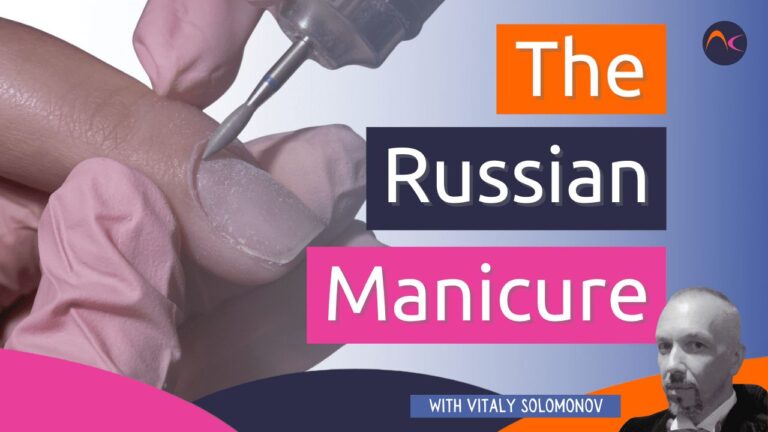
The Russian Manicure

The Russian Manicure: Balancing Beauty and Risk in Nail Cosmetology

In the world of nail cosmetology, achieving both beauty and health is a delicate art. The Russian manicure, a popular technique known for its gentle approach, has garnered attention for its ability to deliver aesthetically beautiful and healthy results simultaneously. However, beneath the flawless exterior, the use of harsh abrasives in this procedure can lead to hidden micro-injuries on the skin. It is crucial for professionals to understand the concept of controlled inflammation in cosmetology and recognize the fine line between beneficial and harmful practices. This article delves into the significance of comprehending inflammation in the context of the Russian manicure technique and highlights the potential risks it entails.

Understanding Inflammation in Cosmetology

In the pursuit of flawless beauty, imperfections are often overlooked. In the case of the Russian manicure, signs of redness, irritation, and swelling may be dismissed as mere imperfections. However, these signs are actually symptoms of inflammation, which plays a dual role in our well-being. On one hand, inflammation acts as a protective and regenerative tool for our skin, while on the other hand, it can lead to unhealthy conditions and diseases if not properly controlled.

The Role of Controlled Inflammation in the Russian Manicure

The Russian manicure, renowned for its gentle approach, relies on the concept of controlled inflammation to achieve its remarkable results. Professionals must understand the delicate balance between beneficial and detrimental inflammation to ensure safety and efficacy. While physical training is essential, theoretical education is equally vital, as it provides a comprehensive understanding of the intricacies of inflammation in cosmetology.

Exploring Abrasion Techniques

One of the key aspects of the Russian manicure is the use of scrubs, peels, and abrasion to achieve the desired outcomes. Among these, scrubs stand out as a mild form of abrasion, effectively awakening deep living cells in the skin and promoting regeneration of new, fresh skin layers. This process triggers a series of biological reactions, vital for re-covering the skin’s barriers and restoring its health. Essentially, when we refer to “skin rejuvenation,” it is, in fact, synonymous with skin inflammation, as the skin’s ability to regenerate is closely tied to controlled inflammation.

The Dangers of Deep Peelings

While mild abrasion methods such as scrubs and nail polishing have their benefits, deep peelings require special medical education to understand the skin’s responses from the initial stage of inflammation to full healing and recovery. Peelings are often associated with chemical action, but regardless of the damaging agent—be it chemical, mechanical, or infectious—the skin responds with inflammation. Understanding how to control severe inflammation during harsh abrasion procedures is crucial to achieving positive results without risking adverse effects or turning inflammation into disease.

The Cumulative Effect of Inflammation

An essential aspect to consider is the cumulative impact of repeated mild inflammations. When the skin is unable to recover between procedures, the cycles of inflammation overlap, leading to chronic injury. The skin’s renewal cycle, which is approximately 30 days, becomes disrupted, resulting in signs of abnormality such as extreme dryness, slow nail growth, thin and fragile nail plates, and changes in shape. In severe cases, conditions like onycholysis, onychomadesis, or pterygium may arise, involving the nail matrix in the process.

Induced Problems and Inflammatory Reactions

Improper procedures, particularly those involving deep abrasion, can induce a chain reaction of inflammatory responses. This interconnected cycle may lead to additional problems, including infections, allergies, and burns, further highlighting the significance of understanding the limits and risks in cosmetological practices.

Professional Responsibility in Cosmetology

This article does not seek to demonize any specific technique; rather, it aims to shed light on the hidden dangers that arise when professionals fail to recognize the limits of their responsibility. Efiles, while powerful and indispensable in various professional fields, require skill and understanding to ensure safe and effective practices. As with any cosmetic procedure, the Russian manicure demands expertise, knowledge of inflammation, and an unwavering commitment to professional responsibility.

Conclusion

In conclusion, the Russian manicure’s gentle approach to nail cosmetology is an admirable technique, but it necessitates an in-depth understanding of controlled inflammation. Through theoretical education and careful consideration of the potential risks, professionals can deliver aesthetically beautiful and healthy results while safeguarding their clients’ well-being. Remember, the beauty lies not only in the outcome but also in the responsible practices that underpin it.

FAQs:

1. What is the Russian manicure, and how is it different from traditional manicures?

   – The Russian manicure is a gentle nail cosmetology technique that utilizes controlled inflammation. It differs from traditional manicures by using specialized tools and mild abrasion to achieve healthier and aesthetically beautiful results.

2. Is controlled inflammation beneficial for our skin during the Russian manicure?

   – Yes, controlled inflammation in the Russian manicure triggers regenerative processes in the skin, promoting skin health and rejuvenation.

3. What are the potential risks associated with deep peelings in nail cosmetology?

   – Deep peelings in nail cosmetology can lead to severe inflammation and require specialized knowledge to avoid adverse effects.

4. How does repeated mild inflammation impact the skin’s renewal cycle?

   – Repeated mild inflammation can disrupt the skin’s renewal cycle, leading to chronic injury and signs of abnormality, such as slow nail growth and thin nail plates.

5. What are the signs of abnormality in the skin and nails due to chronic inflammation?

   – Signs of abnormality due to chronic inflammation include extreme dryness, changes in nail shape, and conditions like onycholysis or pterygium involving the nail matrix.

Filed Under: Health and Safety, Nail Services

Acetone: What’s the Story?

The nail industry would be lost without acetone! It is the fastest and most efficient solvent remover for all nail coatings.

Understanding its Properties and Safety in Nail Care

Some people believe is an allergen (as they have experienced adverse skin reactions) but it is not an allergen. We know that the human body produces small quantities of acetone during metabolism. Some diabetic conditions produce larger quantities as do those on a keto diet.

It is, however, an irritant as it dries the skin faster than natural moisturisation and can be replaced when overused and after long skin contact.

It is a lot safer than alternatives used in ‘acetone free’ polish removers. These take considerable; y longer to remove coatings so result in much longer skin contact and therefore are more irritation. Acetone is a solvent as opposed to iso-propyl alcohol which is an alcohol. The two work well together as a nail plate cleanser as they remove different types of oils found on the nail plate.

The Versatility and Precautions of Acetone:

Understanding its Usage in Various Industries

It is used in many applications in a variety of industries. e.g. paints, and household cleaners It poses no significant danger to the environment except aquatic systems due to microbial consumption. There is no strong evidence of chronic health effects with normal and careful usage.

It is a very volatile chemical so evaporates quickly. It is unwise to have too much in a salon breathing environment but US regulators state that 1000 parts per million is the safety limit which is quite high, especially when the known alternative, ethyl acetate (used in acetone free removers) is only 400 PPM.

The most hazardous property of acetone is its extreme flammability so must be kept away from a naked flame and even electrical equipment as a flash point can occur!

Smart Buying

It is best to purchase from beauty wholesalers. This is because it will be suitable for cosmetic use and relatively pure. Bottles bought from other outlets is likely to be contaminated with other chemicals that could cause adverse skin reactions.

Proper Storage of Acetone

Storing acetone should be in its original container in a cool, dark place away from any electricity. When decanted into pumps for the nail desk make sure it had a lid and is kept away from direct sunlight where it could get too warm and therefore more volatile.

Best Practices for Acetone Usage

It is safer to use when wearing protective nitrile gloves to avoid any skin irritation. For the removal of coatings that need soaking, a small piece of cotton wool (about the same size of the nail) that has been soaked in acetone and placed on the nail then wrapped in foil is one of the safest methods as it avoids too much skin contact and reduces evaporation. If using a bowl method, the surrounding skin can be painted with a petroleum jelly product and the bowl covered with a towel.

Disposing of Acetone Safely

Spillages should be soaked up with disposable towels and placed in a metal bin with a lid and liner. This should be removed and double bagged and placed in the usual refuse arrangement. Do NOT tip down any sink as most water pipes are plastic and it will end up in natural water.

Larger quantities of used acetone should be collected by the local hazardous waste management system.

Don’t be afraid of acetone just understand how to use it safely and effectively.

Conclusion

Acetone plays a vital role in the nail industry as a fast and efficient solvent remover for various nail coatings. While some individuals may mistakenly believe it to be an allergen, it is essential to understand that it is not one, but rather an irritant when used excessively with prolonged skin contact.

Acetone stands out as a safer alternative compared to “acetone-free” polish removers, as it efficiently removes coatings, reducing the risk of extended skin contact and subsequent irritation.

Being aware of acetone’s volatile and highly flammable nature is crucial for safe usage. Proper storage in a cool, dark place away from electricity is recommended to maintain stability and avoid potential hazards.

To protect against skin irritation, users should opt for protective nitrile gloves while handling acetone. The article provides safe methods for usage, such as the effective soaking of cotton wool and wrapping it on the nail to minimise skin contact and evaporation.

Disposing responsibly is vital, with spillages collected in metal bins with lids and liners. Pouring down sinks must be avoided to prevent potential contamination of natural water sources. Larger quantities should be handled through local hazardous waste management systems.

For assured quality and purity, it is advisable to purchase acetone from reputable beauty wholesalers, ensuring its suitability for cosmetic use and reducing the risk of skin reactions from potentially contaminated sources.

In conclusion, with proper knowledge and adherence to safety practices, acetone can be a valuable asset in the nail industry, offering efficient and effective results while ensuring the well-being of both professionals and users alike.

FAQs

1. Is acetone an allergen, and can it cause skin reactions?
Acetone is not an allergen; however, it can be an irritant to the skin when overused or with prolonged contact. Some individuals may experience adverse skin reactions due to its drying effect. It’s essential to handle acetone with care and use protective measures, such as wearing nitrile gloves, to avoid skin irritation.

2. Why is acetone considered a safer option compared to “acetone-free” polish removers?
It is a preferred choice for nail coating removal due to its efficiency and quick action. Unlike “acetone-free” removers, which may take considerably longer to remove coatings, acetone reduces skin contact time, thereby minimizing irritation risks. It is essential to use responsibly and according to recommended guidelines.

3. How should acetone be safely stored and disposed of?
To ensure safety, acetone should be stored in its original container in a cool, dark place, away from electricity and direct sunlight. When decanted into pumps or containers, ensure they have a lid and are kept away from heat to reduce volatility. Spillages should be absorbed with disposable towels and disposed of in metal bins with lids and liners. Avoid pouring acetone down sinks, as it can contaminate natural water sources. Larger quantities should be handled through local hazardous waste management systems for proper disposal.

Filed Under: General Information, Health and Safety, Lotions, Potions and Polishes, Product Chemistry

Level Up Your Nail Insights

Join our Newsletter!
SUBSCRIBE...

Copyright © NailKnowledge

NailKnowledge

  • MyNailEra
  • eBooks
  • About us
  • Courses
  • News
  • Blog
  • Newsletter
  • Glossary

Policies

  • Privacy Page
  • Terms & Conditions
  • Cookie Policy

Support

  • Contact Us
  • Meet the Experts
  • Ask the Experts
  • System Support
  • FAQs
English
English
Portuguese Spanish Vietnamese