• Bỏ qua primary navigation
  • Bỏ qua nội dung chính
  • Bỏ qua footer
Kiến thức về móng tay

Kiến thức về móng tay

  • Các khóa học
  • MyNailEra
  • Sách điện tử miễn phí
  • Cơ sở tri thức
    • Cơ sở tri thức
    • Hỏi các chuyên gia
    • Thuật ngữ
  • Tin tức
  • Blog
  • Đăng nhập

Lưu trữ choTháng 12 11, 2024

Lớp phủ không lau: Làm rõ sự nhầm lẫn

We get asked this question a lot: “Do non-wipe top coats really need to be wiped?” With so much conflicting information out there, it’s understandable to feel unsure. Safety is essential, and knowing the facts helps protect both you and your clients from potential allergies or irritation.

To help clear things up, here’s a detailed breakdown of non-wipe top coats, why some people still choose to wipe, and how to use them safely and effectively.

What is a Non-Wipe Top Coat?

  1. Non-wipe top coats are designed to cure completely without leaving a sticky or tacky inhibition layer after being cured under a UV or LED lamp.
  2. This means, in theory, you do không need to wipe the nail with alcohol or any cleanser after curing.

Why Some People Might Still Wipe

  1. Misunderstanding: Some people may be used to traditional top coats (which do leave an inhibition layer) and automatically wipe without realizing it’s unnecessary.
  2. Shine or Texture Preference: Occasionally, people feel that wiping enhances the shine or feel of the top coat. However, for genuine non-wipe top coats, this step is unnecessary.
  3. Safety Concerns: Some technicians worry that uncured product might be left behind, causing allergies or contact dermatitis. However, if the product cures correctly under a calibrated UV/LED lamp, it should be fully set, and no harmful substances should remain. If you are worried about the incidences of allergies then continue to wipe over the cured coating just in case there is any uncured material. Remember to wipe from base to the tip each time and start with little finger

Best Practices for Using a Non-Wipe Top Coat Safely

  1. Follow Manufacturer Instructions: Ensure you are using a top coat specifically formulated as a non-wipe product. Always trust the manufacturer’s guidelines and use the correct curing times and lamps they recommend.
  2. Proper Curing: Ensure your UV/LED lamp is suitable (check wattage and cure times). An under-cured product can lead to uncured monomers causing skin irritation or allergies.
  3. Check the Surface: After curing, if the nail feels fully smooth and dry, there’s no need to wipe. If it feels tacky, there may be an issue with the curing process, or it might not be a true non-wipe formula.
  4. Regularly Test Your Lamp: Over time, lamps may lose their efficiency. Ensure your lamp is functioning well to avoid incomplete curing.
  5. Allergy Awareness: If you or your clients have sensitive skin, make sure to avoid direct skin contact with the uncured product, as this can increase the risk of allergies.

Phần kết luận

If your top coat is labeled as a non-wipe product and you are using it correctly with a properly functioning lamp, there’s no need to wipe. Inconsistent advice may come from misunderstandings or concerns about proper curing. Trust the product guidelines and ensure good curing practices to keep yourself and your clients safe.

If you still feel uncertain, consider reaching out directly to the manufacturer’s customer support for clarification or additional advice tailored to their product.
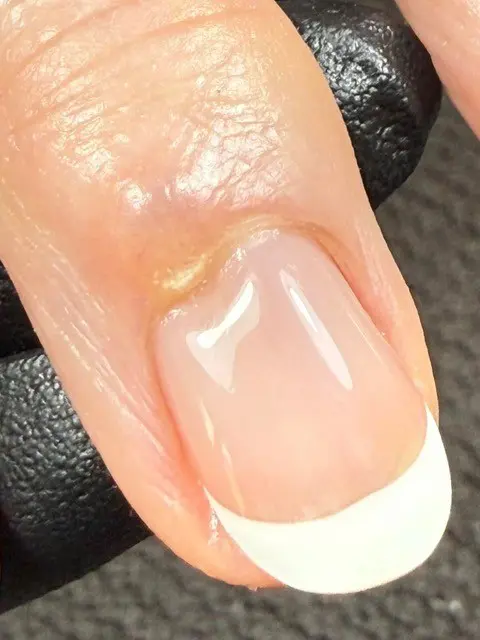
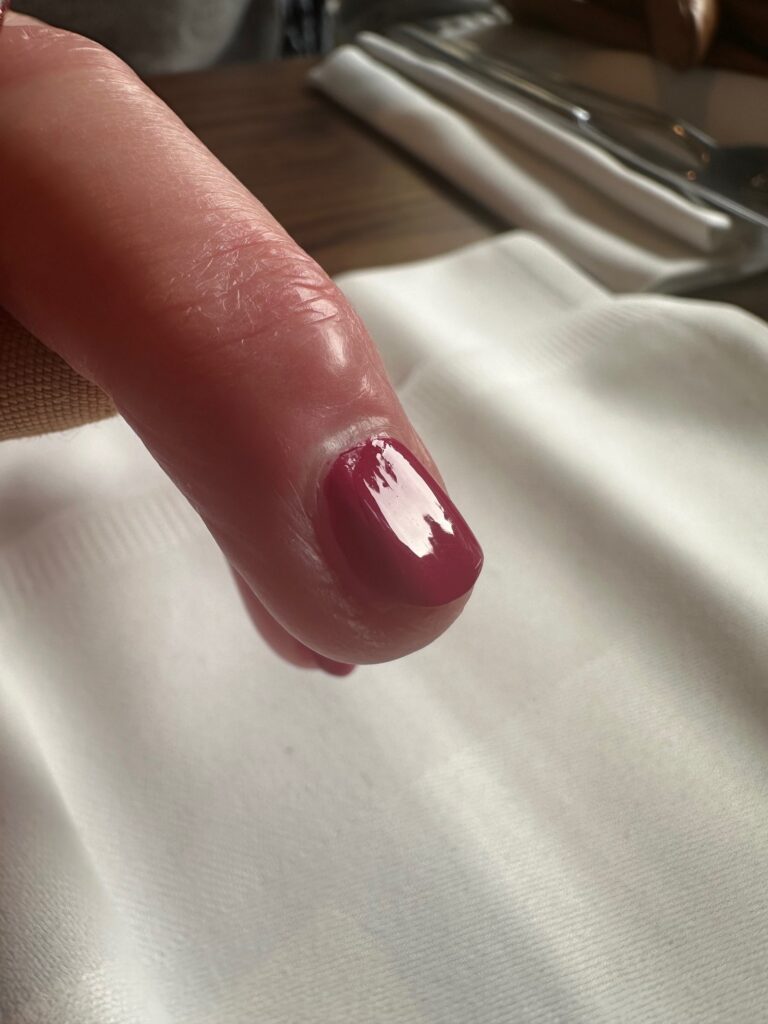
Thuộc chủ đề:Sữa dưỡng, Thuốc và Chất đánh bóng

U nang Myxoid kỹ thuật số

U nang Myxoid kỹ thuật số: Phổ biến hơn bạn nghĩ nhưng chưa bao giờ được giáo dục

As a nail professional, you may have come across unusual conditions affecting the nails and surrounding skin. One such condition is the Digital Myxoid Cyst (DMC). While not often discussed in traditional training or educational resources, this condition is more common than many realise and can present challenges for both clients and professionals alike. This blog aims to demystify Digital Myxoid Cysts, filling a crucial gap in knowledge and equipping you with the tools to navigate this condition confidently.

U nang nhầy ngón tay là gì?

U nang Myxoid kỹ thuật số

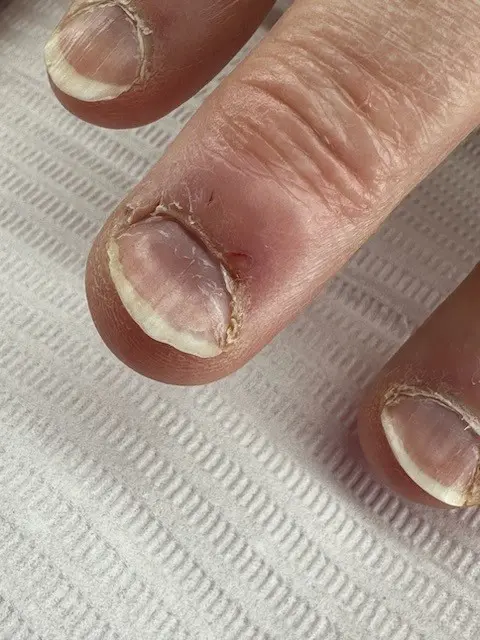
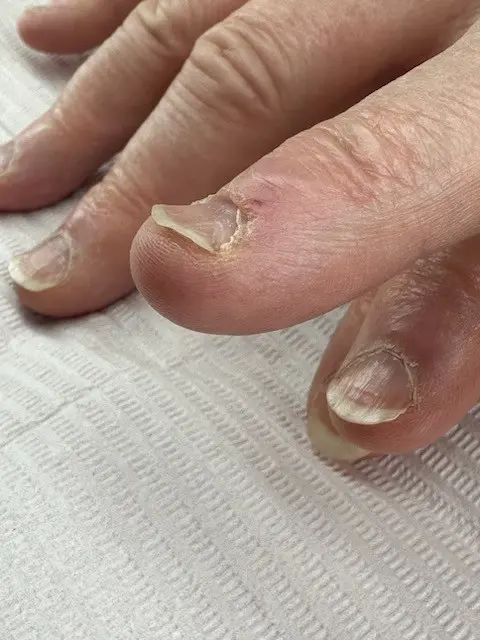
A Digital Myxoid Cyst, also known as a mucous cyst, is a benign, fluid-filled lump typically found near the nail folds of the fingers or toes. Despite the term “cyst,” these are not true cysts as they lack a capsule. Instead, they are filled with a thick, jelly-like fluid derived from the synovial fluid of the joint or the gelatinous substance of connective tissue.

These cysts often appear as small, translucent bumps located on the dorsal aspect of the distal finger, close to the base of the nail plate. They may cause a ridge or groove to form on the nail plate due to pressure on the nail matrix, resulting in a characteristic deformity.

Nguyên nhân gây ra u nang myxoid ngón tay là gì?

Nguyên nhân chính xác gây ra U nang Myxoid kỹ thuật số vẫn chưa được hiểu rõ hoàn toàn, nhưng người ta tin rằng chúng phát sinh từ hai yếu tố chính:

  1. Thoái hóa khớp: Digital Myxoid Cysts are often associated with osteoarthritis, particularly in the distal interphalangeal (DIP) joint. Over time, wear and tear on the joint can lead to the leakage of synovial fluid, which then collects and forms a cyst.
  2. Chấn thương hoặc căng thẳng lặp đi lặp lại: Trong một số trường hợp, chấn thương hoặc căng thẳng lặp đi lặp lại ở khu vực này có thể góp phần gây ra các u nang này, ngay cả khi không bị viêm khớp.

Các yếu tố góp phần khác có thể bao gồm lão hóa, vì tình trạng này thường gặp nhất ở những người trên 50 tuổi và cơ địa dễ mắc bệnh về khớp.

Ai dễ mắc bệnh u nang nhầy ngón tay nhất?

U nang Myxoid kỹ thuật số có xu hướng ảnh hưởng đến những người thuộc một hoặc nhiều nhóm sau:

  • Tuổi: Những người trên 50 tuổi có nguy cơ cao hơn do quá trình lão hóa tự nhiên và tình trạng viêm xương khớp phổ biến ở nhóm tuổi này.
  • Giới tính: Các nghiên cứu cho thấy phụ nữ có nguy cơ mắc loại u nang này cao hơn một chút, có thể là do sự khác biệt về hormone hoặc cấu trúc trong sức khỏe khớp.
  • Nghề nghiệp hoặc lối sống: Các hoạt động liên quan đến chuyển động lặp đi lặp lại của tay hoặc ngón tay, hoặc những hoạt động gây căng thẳng cho ngón tay và móng tay, có thể làm tăng khả năng mắc u nang nhầy ngón tay.
  • Tình trạng bệnh lý có từ trước: Những người bị viêm xương khớp hoặc các bệnh thoái hóa khớp khác có nguy cơ mắc phải tình trạng này cao hơn đáng kể.

Các lựa chọn điều trị

Mặc dù U nang Myxoid ngón tay không đe dọa đến tính mạng, nhưng chúng có thể gây khó chịu và có thể cần phải điều trị, đặc biệt nếu chúng gây đau, cản trở các hoạt động hàng ngày hoặc ảnh hưởng đáng kể đến hình dạng của móng. Các lựa chọn điều trị bao gồm:

  1. Quản lý bảo thủ: Trong một số trường hợp, không cần điều trị nếu u nang nhỏ và không có triệu chứng. Bảo vệ khu vực khỏi chấn thương và tránh áp lực có thể ngăn ngừa các biến chứng tiếp theo.
  2. Thoát nước: Chuyên gia chăm sóc sức khỏe có thể lựa chọn dẫn lưu u nang bằng kim vô trùng. Tuy nhiên, cách tiếp cận này thường dẫn đến tái phát trừ khi giải quyết được nguyên nhân gốc rễ.
  3. Liệu pháp lạnh: Đông lạnh u nang bằng nitơ lỏng có thể làm u nang co lại, nhưng giống như dẫn lưu, phương pháp này có thể không phải là giải pháp lâu dài.
  4. Cắt bỏ bằng phẫu thuật: Surgical removal of the cyst and its connection to the joint is the most definitive treatment and significantly reduces the likelihood of recurrence. This is typically performed by a dermatologist or hand surgeon.
  5. Liệu pháp laser hoặc tiêm steroid: Những phương pháp này có thể được cân nhắc cho những trường hợp cụ thể, đặc biệt khi các phương pháp điều trị khác không phù hợp.

Là một chuyên gia làm móng, bạn có thể làm gì?

As a nail professional, your role is not to diagnose or treat Digital Myxoid Cysts but to recognise the condition, educate your clients, and adapt your services accordingly. Here’s how you can contribute:

  1. Giáo dục bản thân và khách hàng của bạn: Hiểu được các dấu hiệu và nguyên nhân của U nang Myxoid kỹ thuật số giúp bạn giáo dục khách hàng của mình. Nếu bạn nhận thấy u nang, hãy nhẹ nhàng giải thích đó có thể là gì và khuyên họ nên tham khảo ý kiến của chuyên gia chăm sóc sức khỏe để được chẩn đoán xác định.
  2. Điều chỉnh phương pháp điều trị của bạn: Avoid applying excessive pressure or using tools that could irritate the cyst. For example, skip aggressive cuticle work or filing in the affected area. Gentle handling is key.
  3. Hygiene and Infection Prevention: Since the cyst can occasionally leak fluid, it’s crucial to maintain strict hygiene standards to prevent secondary infections. Always use clean, sterilised tools and follow best practices.
  4. Collaborate with Healthcare Providers: If a client is undergoing treatment for a Digital Myxoid Cyst, communicate with their healthcare provider (with the client’s permission) to ensure your services align with their treatment plan.
  5. Empathy and Support: Clients may feel self-conscious about the appearance of their nails or the cyst itself. Provide reassurance and support, emphasising that this is a common and manageable condition.

Suy nghĩ cuối cùng

Digital Myxoid Cysts may not be a topic that frequently appears in nail education, but their impact on nail health and appearance makes them highly relevant to our industry. By broadening your understanding of this condition, you not only enhance your professional expertise but also position yourself as a trusted resource for your clients.

Remember, knowledge is power. The more we educate ourselves about these often-overlooked conditions, the better equipped we are to provide exceptional care and support. Whether it’s through recognising the signs, adapting treatments, or offering empathy, your role as a nail professional can make a significant difference.

Let’s continue to bridge the gaps in education and bring awareness to the many conditions that affect nail and skin health. Your commitment to learning and growing ensures that clients always receive the best possible care, even in the face of uncommon challenges.

U nang Myxoid kỹ thuật số on a finger
U nang Myxoid kỹ thuật số
Fingers showing U nang Myxoid kỹ thuật số

Thuộc chủ đề:Tình trạng móng tay

Nâng cao kiến thức về làm móng

Tham gia bản tin của chúng tôi!
ĐĂNG KÝ...

Bản quyền © NailKnowledge

Kiến thức về móng tay

  • MyNailEra
  • Sách điện tử
  • Về chúng tôi
  • Các khóa học
  • Tin tức
  • Blog
  • Bản tin
  • Thuật ngữ

Chính sách

  • Trang riêng tư
  • Điều khoản và điều kiện
  • Chính sách Cookie

Ủng hộ

  • Liên hệ với chúng tôi
  • Gặp gỡ các chuyên gia
  • Hỏi các chuyên gia
  • Hỗ trợ hệ thống
  • Câu hỏi thường gặp
Vietnamese
Vietnamese
English Portuguese Spanish