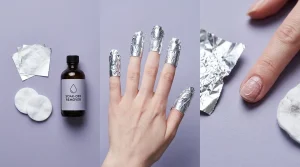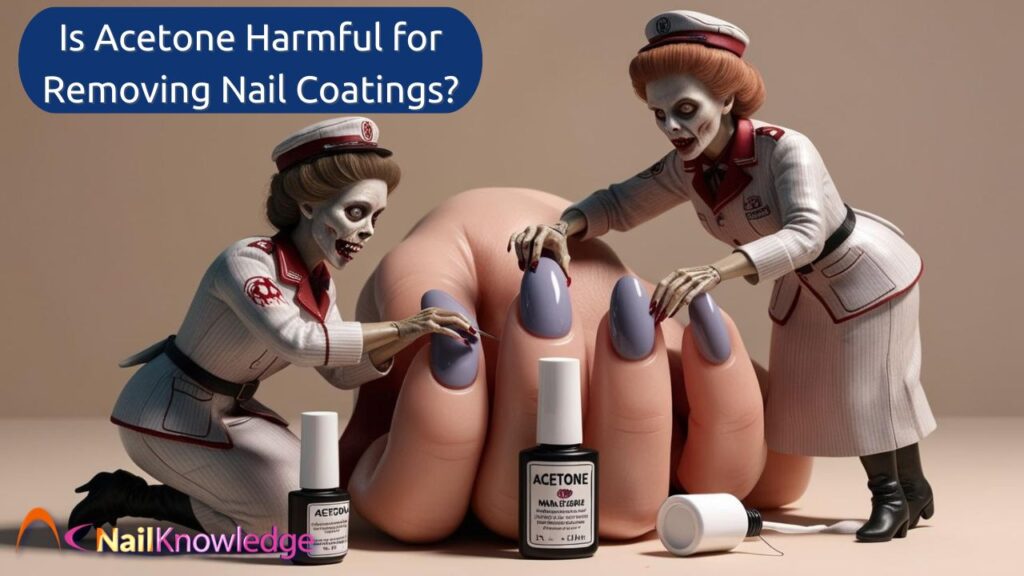
Acetone is a ubiquitous presence in nail salons, often used to remove nail coating products with remarkable efficiency. But as we dip our fingertips into this potent solvent, it’s natural to wonder about its safety. Is acetone harmful for removing nail coatings? Let’s investigate the science and separate fact from fiction.

The Penetrating Power of Acetone
When it comes to acetone and skin penetration, it’s crucial to distinguish between “into” and “through”. Acetone doesn’t penetrate through the skin or nail plate in significant amounts, but it can enter into the upper layers. Picture it like a shallow puddle on a hot pavement – it might seep into the cracks, but it won’t reach the underlying soil.
The rapid evaporation of acetone is key to understanding its effects. As soon as it touches your skin, the warmth of your hand causes it to evaporate quickly. This swift exit strategy means that acetone doesn’t hang around long enough to cause lasting damage. However, it does leave a calling card – temporary dehydration of the surface layers of skin and nails.
Dehydration: A Temporary Surface Effect
Imagine your skin as a sponge. When you douse it with acetone, it’s like squeezing that sponge dry – but only on the surface. The acetone binds with water in the upper layers, causing it to vaporize along with the solvent. This creates a temporary drying effect, much like how a cool breeze might make your lips feel chapped.
But fear not! This dehydration is fleeting. Just as a dry sponge quickly absorbs water when dunked, your skin and nails will rehydrate when exposed to moisture. It’s a bit like magic – now you see it, now you don’t!
Safety First: Acetone in Nail Salons
Is acetone harmful for removing nail coatings in the long run? The evidence suggests not. With a long history of safe use in salons, acetone has earned its stripes as one of the safest solvents available for nail care. It’s like the trusty old hammer in a toolbox – simple, effective, and reliable.
However, like any tool, acetone must be used correctly. It’s highly flammable, so keep it away from heat sources, sparks, or flames. Using acetone near a lit cigarette or candle would be like juggling fireballs, exciting, but potentially disastrous!
Warming Up to Acetone (But Not Too Much!)
If you’ve ever considered warming acetone to boost its effectiveness, think again. Heating acetone is like revving a sports car engine – it makes it more volatile and potentially dangerous. The safest method is to gently warm it in a loosely capped plastic bottle submerged in warm water, no hotter than a cosy Jacuzzi (about 40°C or 104°F).
Remember, it’s the acetone vapours that are flammable, not the liquid itself. So, using acetone in a well-ventilated area is crucial. Think of it as giving the acetone room to breathe – and keeping your lungs happy too!
The Verdict: Is Acetone Harmful for Removing Nail Coatings?
In the grand scheme of things, acetone appears to be a safe choice for removing nail coatings when used properly. It’s like a skilled surgeon – precise, effective, and safe in the right hands. While it may cause temporary surface dehydration, there’s no evidence of long-term harm from typical nail salon use.
That said, everyone’s skin is different. If you find that acetone leaves your skin feeling particularly dry or irritated, you might want to explore gentler alternatives. It’s all about finding what works best for you – after all, beauty shouldn’t come at the cost of comfort!
Embracing Safe Nail Care Practices
As we wrap up our acetone adventure, let’s not forget the bigger picture. Safe nail care isn’t just about the products we use, but how we use them. Here are a few tips to keep your nails (and yourself) happy and healthy:
- Always use acetone in a well-ventilated area.
- Keep acetone away from heat sources and open flames.
- If you experience any unusual reactions, consult a healthcare professional.
- Don’t forget to moisturise after using acetone to combat that temporary drying effect.
In conclusion, while acetone is a powerful solvent, it’s not the nail-biting horror story some might fear. When used responsibly, it’s a safe and effective tool for removing nail coatings. So next time you’re at the salon, you can relax and let your nails soak in acetone without worry. After all, life’s too short for nail-biting anxiety, save that energy for choosing your next fabulous nail colour instead!
Acetone Science Check
Acetone does not damage, weaken, or change the structure of the natural nail plate.
It does not denature keratin or cause permanent harm.
Acetone temporarily removes surface oils and moisture, which can make nails feel dry. This is a cosmetic effect, not structural damage, and is fully reversible with proper hydration and regular use of nail oil.