• Bỏ qua primary navigation
  • Bỏ qua nội dung chính
  • Bỏ qua footer
Kiến thức về móng tay

Kiến thức về móng tay

  • Các khóa học
  • Sách điện tử
  • Giỏ sách điện tử
  • Cơ sở tri thức
    • Cơ sở tri thức
    • Hỏi các chuyên gia
    • Thuật ngữ
  • Tin tức
  • Blog
  • Phòng trưng bày
    • Thư viện nghệ thuật làm móng
    • Nghệ sĩ làm móng
    • Tham gia Elite
  • Đăng nhập

Khoa học & Sức khỏe móng tay

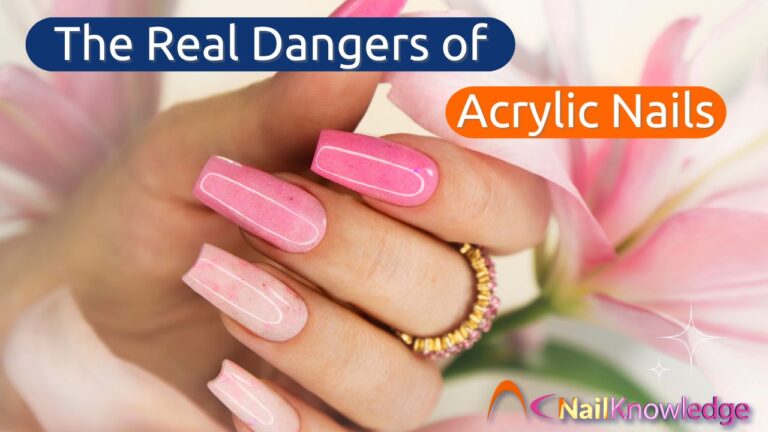
Những nguy hiểm thực sự của móng Acrylic

Những gì khoa học mới nhất cho chúng ta biết

There’s something undeniably satisfying about a fresh set of acrylics. The glossy finish, the perfect length, the instant confidence boost, it’s easy to see why they’re a go-to for so many. But new research is prompting an important question: are we fully aware of the potential risks behind those polished tips? According to recent findings from the University of Nevada, Reno, the dangers of acrylic nails go beyond the usual wear and tear, and it’s time we had an honest conversation about it.

🧪 What’s New in the Science of Acrylic Nails?

Acrylic enhancements (all enhancements that need to cure with either a UV LED lamp or air dry as L&P) have long been a staple in nail salons, celebrated for their durability and aesthetic appeal. However, this new study dives into the less glamorous side, specifically, the chemical compounds released during application and wear. Các nhà nghiên cứu highlighted concerns over substances like methyl methacrylate (MMA), toluene, and formaldehyde resin. These aren’t new names in the beauty world, but their impact is becoming clearer as our understanding of toxicology evolves.

Theo nghiên cứu, việc tiếp xúc nhiều lần với một số hơi nước and dust created during filing or curing can lead to respiratory irritation, skin sensitivity, and, in some cases, more serious systemic effects. Now, does this mean acrylics are inherently dangerous? Not quite—but it does mean we need to get smarter about how and when they’re used.

💬 Một chiếc đinhKiến thức: Khoa học nên định hình thực hành

At NailKnowledge, we’ve always advocated for education-first practices. The beauty industry moves fast, but we believe science should move faster. These findings don’t mean a full stop on acrylics—but they do call for a fresh look at safety standards, product choices, and client communication.

Đối với các chuyên gia, đây là lời nhắc nhở:

  • Chọn các giải pháp thay thế an toàn hơn cho các hóa chất có nguy cơ cao (tránh võ thuật hỗn hợp at all costs, it’s banned in many places for a reason).
  • Đảm bảo tiệm của bạn có hệ thống thông gió hiệu quả.
  • Use proper PPE when filing or removing acrylics, especially during high-dust procedures.
  • Keep up with Material Safety Data Sheets (MSDS) and manufacturer updates.

For clients, it’s about informed choices. Ask questions. Understand what’s being applied to your nails. If your technician can’t tell you what’s in the products they’re using, that’s a red flag.

🔍 Hiểu về mối nguy hiểm thực sự của móng Acrylic

One of the most compelling points in the University of Nevada study was around cumulative exposure. While a single acrylic application likely won’t cause harm, it’s the repeated and prolonged exposure, particularly in poorly ventilated salons, that raises concerns. Imagine it like a dripping tap. One drop? Not a problem. But over time, that constant drip fills a bucket and potentially overflows.

And it’s not just about clients. Nail techs are on the frontlines of this exposure daily. This is why updated education and rigorous health standards are non-negotiable in our industry.

🔄 Cùng nhau cập nhật kiến thức của chúng ta

We’re not here to sensationalise, we’re here to support. As new research emerges, so do better practices. That’s why we’re reviewing older NailKnowledge articles and updating where necessary. If past guidance no longer reflects current science, we’ll flag it. Transparency isn’t a trend, it’s a responsibility.

🧠 Vậy, bạn nên làm gì?

If you’re a nail pro:

  • Stay current with ingredient safety. Don’t assume a product is safe just because it’s on the shelf.
  • Ưu tiên giáo dục cho bản thân và khách hàng của bạn. Nhận thức dẫn đến kết quả an toàn hơn.
  • Ủng hộ việc cải thiện các quy trình an toàn tại nơi làm việc của bạn.

If you’re a client:

  • Don’t be afraid to ask your technician about the products being used.
  • Hãy tìm những tiệm coi trọng vấn đề vệ sinh, thông gió và tính minh bạch.
  • Pay attention to how your nails and skin react, your body often tells you when something’s not right.

🗣 Editor’s Note (April 2025)

Bài viết này đã được cập nhật để phản ánh nghiên cứu mới về rủi ro tiếp xúc hóa chất của móng acrylic. NailKnowledge vẫn cam kết giáo dục dựa trên bằng chứng và khuyến khích cộng đồng của chúng tôi luôn cập nhật thông tin khi khoa học phát triển.

📢 Chúng tôi muốn nghe từ bạn

Have a question about this new research? Or think we need to re-evaluate a past recommendation? Email us at [email protected] We’re building a community of learners, not know-it-alls.

Vào cuối ngày, móng tay không bao giờ nên đánh đổi bằng sức khỏe. Những nguy hiểm của móng acrylic là có thật, nhưng có thể kiểm soát được. Acrylic hoàn toàn có thể có một vị trí trong thời hiện đại chăm sóc móng tay, when we use them wisely, with a full understanding of what’s involved

Bởi vì móng tay đẹp không bao giờ là mối nguy hiểm.

Thuộc chủ đề:Khoa học & Sức khỏe móng tay

Sự phát triển và lão hóa của móng tay

Sự phát triển của móng tay là cửa sổ báo hiệu sự lão hóa

We don’t often think of our nails as messengers of internal health, but recent research from Harvard geneticist Dr David Sinclair is shining new light on that exact idea. In the study, Sinclair and his team point to a small but steady slowdown in nail growth and ageing after the age of 25. According to the data, nail growth declines by roughly 0.5% each year.

That might not sound dramatic, but over time it paints a bigger picture. Slower nail growth may reflect broader biological processes such as decreased cellular regeneration and metabolic efficiency that naturally come with age. As a result, your nails could quietly be keeping track of your internal “biological clock.”

Let’s unpack what this means for you and the wider nail industry.

Khoa học nói gì về sự phát triển và lão hóa của móng tay

The study focused on nail plate growth rates across different age groups. Researchers observed that as people age, their nail plates grow more slowly, suggesting this could be used as a non-invasive proxy for biological age, similar to other indicators like skin elasticity or hair density.

Interestingly, nail growth doesn’t decline in a straight line. It follows biological rhythms tied to factors like temperature, nutrition, stress, and hormone levels. For instance, nails tend to grow faster in warmer months, and slower when circulation is reduced or illness is present.

Ngày càng có nhiều bằng chứng cho thấy sự phát triển của móng tay được xếp vào cùng loại với các dấu hiệu sinh học trên da, cung cấp manh mối về mọi thứ, từ lão hóa đến bệnh mãn tính.

NailKnowledge’s take: small signs, big implications

This new research aligns beautifully with what we’ve long known in professional nail care: nails are more than just a beauty feature. They’re windows into internal health. While we’ve typically used nail changes to spot deficiencies or local infections, this deeper link to biological age opens up new possibilities for preventative care.

It also supports the need for regular, informed nail assessments by qualified professionals. Nail techs are often the first to notice subtle shifts that clients may not pick up on, such as slower regrowth between appointments or changes in nail thickness or quality.

This isn’t about turning salons into diagnostic clinics, of course. But it là about recognising the potential role of nail professionals as early observers of age-related changes.

Tại sao hiểu biết về sự phát triển và lão hóa của móng tay lại quan trọng

Cụm từ “nail growth and ageing” có thể giống như nó thuộc về một tạp chí y khoa, nhưng nó có ý nghĩa thực tế trong thực hành hàng ngày.

Here’s why it matters:

  • Chăm sóc cá nhân: Understanding a client’s age-related nail changes helps you tailor services, avoid overly aggressive treatments, and recommend suitable home care.
  • Niềm tin của khách hàng: Việc hướng dẫn khách hàng về những thay đổi tự nhiên trong quá trình phát triển móng tay của họ thể hiện sự chuyên nghiệp và xây dựng lòng trung thành lâu dài.
  • Phát triển chuyên môn: Việc cập nhật thông tin khoa học mới về sức khỏe móng tay sẽ giúp công việc hành nghề của bạn luôn phù hợp và được tôn trọng.

Ví dụ, nếu một khách hàng ở độ tuổi 50 nhận thấy móng mọc lại chậm hơn sau khi tháo bỏ miếng dán, nghiên cứu này sẽ đưa ra lời giải thích khoa học và là cơ hội tuyệt vời để thảo luận về thói quen chăm sóc sức khỏe hỗ trợ móng phát triển khỏe mạnh, như chế độ dinh dưỡng cân bằng và thói quen tăng cường lưu thông máu.

Lời khuyên thực tế cho thợ làm móng

Sau đây là một số cách để áp dụng kiến thức này:

  1. Theo dõi chu kỳ phát triển của móng. Hãy lưu ý đến tốc độ mọc lại của móng giữa các lần chăm sóc, đặc biệt là ở những khách hàng lớn tuổi, để phát hiện ra những kiểu mọc móng mới.
  2. Điều chỉnh kỳ vọng. Khách hàng lớn tuổi có thể gặp tình trạng móng mọc và lành chậm hơn, do đó thời gian điều trị có thể cần phải kéo dài hơn.
  3. Khuyến khích hỗ trợ lối sống. Nhắc nhở khách hàng rằng việc cung cấp đủ nước, chế độ ăn uống và giảm căng thẳng đều có tác động đến sức khỏe và quá trình lão hóa của móng.
  4. Hãy luôn tò mò. Sử dụng hiểu biết này như một chủ đề để bắt đầu cuộc trò chuyện. Nhiều khách hàng thích tìm hiểu cách móng tay của họ phản ánh sức khỏe tổng thể của họ.

📖 Nghiên cứu ban đầu:
Harvard’s David Sinclair: Nail Growth Shows How Fast You’re Aging
🔗 Đọc toàn bộ nghiên cứu

📝 Editor’s Note:

Nghiên cứu này có thể mở rộng cách chúng ta hiểu về những thay đổi của móng theo thời gian. Mặc dù không phải là chẩn đoán, tốc độ phát triển của móng một ngày nào đó có thể được sử dụng như một chỉ số sức khỏe rộng hơn. NailKnowledge sẽ tiếp tục theo dõi các diễn biến theo Nail Science Watch: What’s Changing in 2025 sáng kiến.

💬 Chúng tôi muốn có sự hiểu biết sâu sắc của bạn!

Have you noticed changes in your clients’ nail growth over the years? Do you tailor treatments based on age-related nail behaviour?

Bạn nghĩ hướng dẫn trước đây của chúng tôi có sai không? Chúng tôi muốn nghe ý kiến của bạn.
📩 Email us at: [email protected]

Suy nghĩ cuối cùng

Khoa học về móng tay luôn luôn phát triển và mối liên hệ mới này giữa sự phát triển và lão hóa của móng tay cung cấp cái nhìn thú vị về cách các chi tiết có vẻ đơn giản có thể phản ánh các quy trình nội bộ phức tạp. Đối với các chuyên gia làm móng, nó củng cố giá trị của việc quan sát có kỹ năng, giáo dục liên tục và quan điểm toàn diện về sức khỏe móng.

Khi khoa học mới xuất hiện, các khuyến nghị của chúng tôi cũng xuất hiện.

Let’s keep learning, one nail at a time.

Thuộc chủ đề:Khoa học & Sức khỏe móng tay

Đánh giá sơn móng tay từ tính: Giải thích hiệu ứng nghệ thuật móng tay nhung

In the ever-evolving world of nail art, magnetic nail polishes have emerged as a groundbreaking innovation, offering enthusiasts the ability to create captivating velvet-like effects with minimal effort. These polishes, infused with magnetic particles, react to a magnet held over the nail, forming unique patterns and finishes that mimic the luxurious texture of velvet. This article explores the science behind these polishes, their application techniques, and reviews from recent tests of leading brands.

Understanding Magnetic Nail Polishes

Magnetic nail polishes are formulated with fine metallic particles that respond to magnetic fields. When a magnet is held over freshly applied polish, these particles align to create patterns such as waves, stripes, or the sought-after velvet finish. This effect offers a dynamic, multidimensional look that shifts under different lighting conditions, adding depth and intrigue to manicures.

Application Techniques for Optimal Velvet Effects

Achieving the desired velvet effect requires precision and the right technique:

  1. Base Preparation: Start with clean, shaped nails. Apply a base coat to protect the natural nail and ensure better adhesion of the magnetic polish.
  2. Polish Application: Apply a generous layer of the magnetic sơn móng tay. The thickness ensures that the magnetic particles can move freely when the magnet is applied.
  3. Magnet Usage: Immediately after applying the polish, hold the magnet close to the nail surface (about 1/4 inch away) for 15-30 seconds. The duration and proximity influence the intensity of the effect. Some users find that holding the magnet longer enhances the velvet appearance.
  4. Curing and Protection: Allow the polish to dry thoroughly. Finish with a lớp phủ trên cùng to seal in the design and add extra shine and durability.

Recent Evaluations of Leading Magnetic Polishes

A recent article on Byrdie evaluated four prominent magnetic nail polish brands, assessing their performance in terms of application ease, wear time, and the intensity of the velvet effect.

  • Mooncat: Known for its bold, multidimensional colors, Mooncat’s formula is thinner, allowing for easy layering. Users observed that holding the magnet over the nail for a few extra seconds intensified the velvet effect. The polish demonstrated good durability, maintaining its appearance for five days with minimal chipping.
  • Lights Lacquer: Offering a neutral champagne silver shade, this polish provides a subtle shimmer suitable for everyday wear. The magnetic effect is noticeable yet understated. It lasted five days with minimal chipping and was relatively easy to remove.
  • Olive & June: This brand elevates magnetic polishes with fine shimmer and versatile shades. The formula is easy to apply, and the magnetic wand allows for a blended, all-over shimmering velvet finish. Nails remained shiny and chip-free for five days, and removal was straightforward.
  • KB Shimmer: Featuring a thicker formula with intense, vibrant color shifts, KB Shimmer requires careful application to avoid uneven patches. The polish dried quickly but began chipping by the third day. Removal was more challenging due to the dense shimmer particles.

Advantages of Magnetic Nail Polishes

  • Creative Freedom: These polishes allow users to experiment with various designs without the need for advanced nail art skills.
  • Time Efficiency: Achieving complex-looking designs becomes quicker, as the magnet creates patterns instantly.
  • Versatility: Suitable for both short and long nails, magnetic polishes can adapt to various nail shapes and personal styles.

Considerations and Best Practices

While magnetic nail polishes offer exciting possibilities, users should keep the following in mind:

  • Application Speed: The magnetic effect must be applied while the polish is still wet. Working one nail at a time ensures optimal results.
  • Magnet Maintenance: Clean the magnet between uses to prevent polish buildup, which can interfere with the desired effect.
  • Layering: Some polishes may require multiple coats to achieve the desired opacity and effect. Ensure each layer is properly cured to prevent smudging.

Phần kết luận

Magnetic nail polishes have revolutionized nail art by making intricate designs accessible to a broader audience. By understanding the application techniques and characteristics of different brands, users can achieve salon-quality velvet effects at home. As with any beauty product, experimenting with various brands and methods will help individuals discover what works best for their unique preferences.

Thuộc chủ đề:Khoa học & Sức khỏe móng tay

Nâng cao kiến thức về làm móng

Tham gia bản tin của chúng tôi!
ĐĂNG KÝ...

Bản quyền © NailKnowledge

Kiến thức về móng tay

  • Sách điện tử
  • Về chúng tôi
  • Các khóa học
  • Tin tức
  • Blog
  • Bản tin
  • Thuật ngữ

Chính sách

  • Trang riêng tư
  • Điều khoản và điều kiện
  • Chính sách Cookie

Ủng hộ

  • Liên hệ với chúng tôi
  • Gặp gỡ các chuyên gia
  • Hỏi các chuyên gia
  • Hỗ trợ hệ thống
  • Câu hỏi thường gặp
Vietnamese
Vietnamese
English Portuguese Spanish