• Bỏ qua primary navigation
  • Bỏ qua nội dung chính
  • Bỏ qua footer
Kiến thức về móng tay

Kiến thức về móng tay

  • Các khóa học
  • MyNailEra
  • Sách điện tử miễn phí
  • Cơ sở tri thức
    • Cơ sở tri thức
    • Hỏi các chuyên gia
    • Thuật ngữ
  • Tin tức
  • Blog
  • Đăng nhập
Thuốc và độ nhạy cảm của móng với tia UV. Sử dụng thuốc làm tăng độ nhạy cảm với tia UV có thể dẫn đến phản ứng bất lợi cho da khi sử dụng đèn UV làm móng.

Thuốc và độ nhạy cảm của móng tay với tia UV

Tháng 2 26, 2024 qua Doug Schoon

682 Views

Bài viết này có hữu ích không?
Lỗi khi gửi đánh giá

Recently, a customer raised an important question regarding the potential effects of medications on nail health, particularly in relation to UV exposure. We understand the significance of this topic and are here to shed light on how certain medications can impact nail sensitivity to UV light.

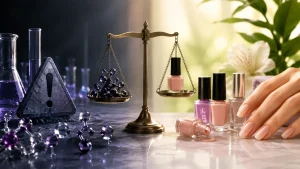
Using a medication that heightens sensitivity to UV can lead to adverse skin reactions when using a UV nail lamp.
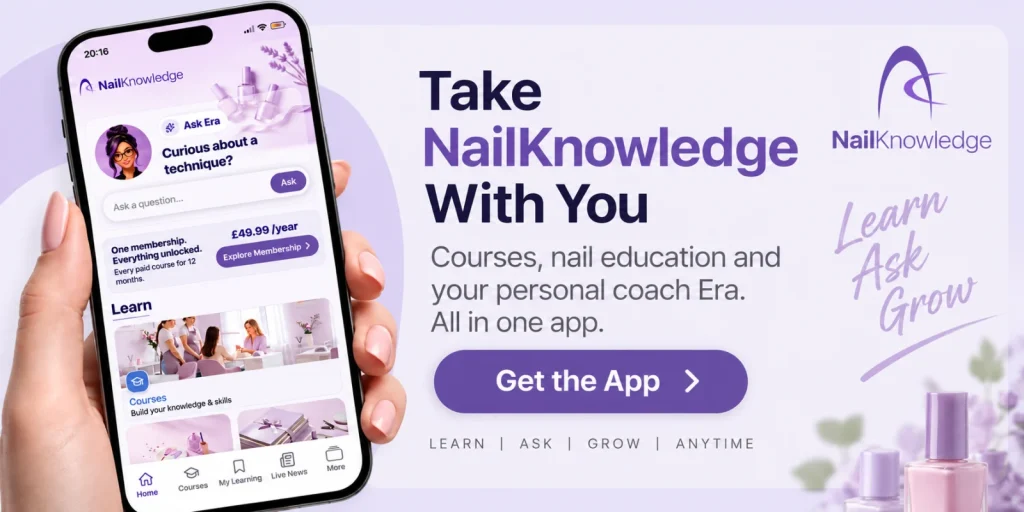

Understanding Medication-Induced Photosensitivity in Nail Health

The nail plates themselves are not adversely affected, but the skin may be more easily burned while using these medications or treatments.  This is called a “Photosensitivity” and this can lead to skin irritation or an allergic response.

Medication-Induced Photosensitivity: Oral and Topical Medications

This can occur with medications taken orally or applied topically. The most well-known example is the antibiotic tetracycline, but there are several dozen medications that can cause these types of sensitivities.

Typically, the skin will react within minutes, but sometimes the reaction is delayed a few hours. Often the reaction will appear as exaggerated redness or swelling and blisters can form.  The skin can become very itchy. The reaction isn’t always isolated to the area of exposure and even adjacent unexposed skin can display symptoms.

Protective Measures and Medical Advice for Minimizing UV Exposure

Wearing sunscreen or covering the hand with a cloth or UV protective gloves can help minimize exposure. However, for advice that involves medication, it is always best to ask the prescribing physician.  In these cases, the doctor will most likely advise their patient to skip such services, until they’ve completed taking their medication. Better to be safe than sorry, as the saying goes.
Bài viết này có hữu ích không?
Lỗi khi gửi đánh giá

Categorised: Thông tin chung, Chất lỏng và bột, Gel UV

Related Articles

Giảm căng thẳng cho móng gel

Excessive Curing Tension in Gel Nails

Let’s talk about curing tension in gel nails, something most gel nail lovers have experienced but might not fully understand.…

Read More
Quá trình làm khô sơn gel diễn ra như thế nào

Gel Polish Curing Explained: Behaviour, Lamps and Common Problems

Gel polish curing is a chemical process, not simply a matter of time spent under a lamp. Many common problems…

Read More
Sấy khô bằng tia UV - lớp mỏng cho bộ móng hoàn hảo

UV Curing: Why Thin Layers Matter for Perfect Nails

When it comes to working with gels, UV curing is one of the most important steps in creating long-lasting, safe…

Read More
Da móng bong tróc sau khi làm móng gel

Nails Peeling Off After Gel? Here’s What You Need to Know

If you’ve had gel nails applied and within a week they’ve started to lift, only to leave your natural nails…

Read More
Làm lại hoặc điều chỉnh lại bộ móng giả

What to Look for When Redoing or Rebalancing Artificial Nail Enhancements

There’s something incredibly satisfying about removing old gel polish or giving artificial nails a good rebalance. It’s like hitting the…

Read More
Gel cứng so với chất làm dày dạng chai

Hard Gel vs Bottled Builder

In recent years, the debate of hard gel vs bottled builder has taken centre stage in the nail industry. Though…

Read More

Nâng cao kiến thức về làm móng

Tham gia bản tin của chúng tôi!
ĐĂNG KÝ...

Bản quyền © NailKnowledge

Kiến thức về móng tay

  • MyNailEra
  • Sách điện tử
  • Về chúng tôi
  • Các khóa học
  • Tin tức
  • Blog
  • Bản tin
  • Thuật ngữ

Chính sách

  • Trang riêng tư
  • Điều khoản và điều kiện
  • Chính sách Cookie

Ủng hộ

  • Liên hệ với chúng tôi
  • Gặp gỡ các chuyên gia
  • Hỏi các chuyên gia
  • Hỗ trợ hệ thống
  • Câu hỏi thường gặp
Vietnamese
Vietnamese
English Portuguese Spanish