• Skip to primary navigation
  • Skip to main content
  • Skip to primary sidebar
  • Skip to footer
NailKnowledge

NailKnowledge

  • Courses
  • eBooks
  • eBook Basket
  • Knowledge Base
    • Knowledge Base
    • Ask the Experts
    • Glossary
  • News
  • Blog
  • Gallery
    • Nail Art Gallery
    • Nail Artists
    • Join the Elite
  • Login
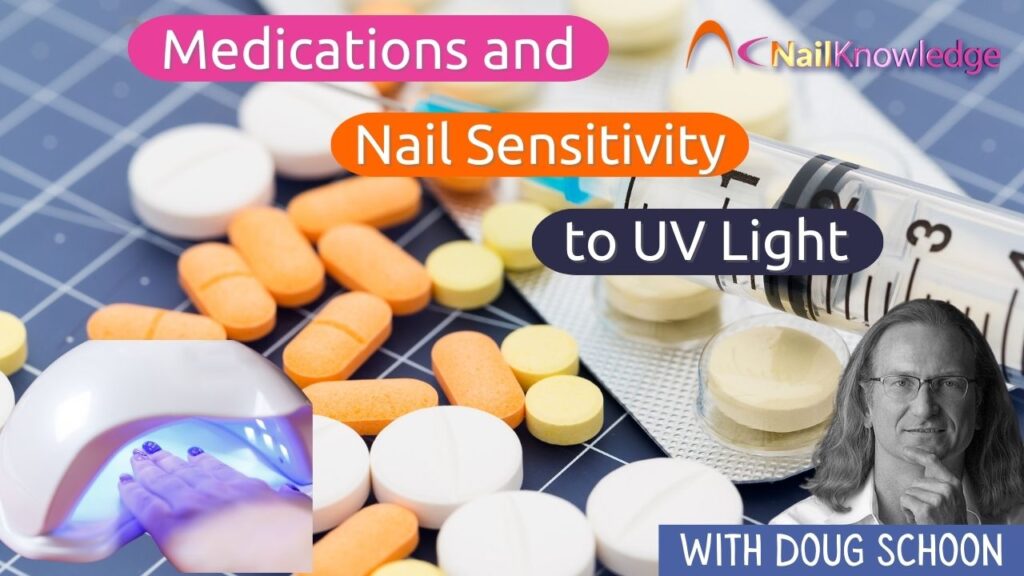
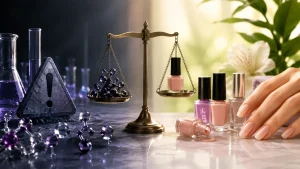
Medications and nail senisitivity to UV light. Using a medication that heightens sensitivity to UV can lead to adverse skin reactions when using a UV nail lamp.


Medications and Nail Sensitivity to UV Light

February 26, 2024 by Doug Schoon

682 Views

Was this article helpful?

We'd love to hear your feedback:

Submitting... Submit Feedback Please provide feedback Error submitting rating Error submitting feedback

Recently, a customer raised an important question regarding the potential effects of medications on nail health, particularly in relation to UV exposure. We understand the significance of this topic and are here to shed light on how certain medications can impact nail sensitivity to UV light.

Using a medication that heightens sensitivity to UV can lead to adverse skin reactions when using a UV nail lamp.

Understanding Medication-Induced Photosensitivity in Nail Health

The nail plates themselves are not adversely affected, but the skin may be more easily burned while using these medications or treatments.  This is called a “Photosensitivity” and this can lead to skin irritation or an allergic response.

Medication-Induced Photosensitivity: Oral and Topical Medications

This can occur with medications taken orally or applied topically. The most well-known example is the antibiotic tetracycline, but there are several dozen medications that can cause these types of sensitivities.

Typically, the skin will react within minutes, but sometimes the reaction is delayed a few hours. Often the reaction will appear as exaggerated redness or swelling and blisters can form.  The skin can become very itchy. The reaction isn’t always isolated to the area of exposure and even adjacent unexposed skin can display symptoms.

Protective Measures and Medical Advice for Minimizing UV Exposure

Wearing sunscreen or covering the hand with a cloth or UV protective gloves can help minimize exposure. However, for advice that involves medication, it is always best to ask the prescribing physician.  In these cases, the doctor will most likely advise their patient to skip such services, until they’ve completed taking their medication. Better to be safe than sorry, as the saying goes.
Was this article helpful?

We'd love to hear your feedback:

Submitting... Submit Feedback Please provide feedback Error submitting rating Error submitting feedback

Filed Under: General Information, Liquid and Powder, UV Gel

Primary Sidebar

Courses and eBooks


  • Curing Tension in Gel Nails

    Excessive Curing Tension in Gel Nails

    January 21, 2026160 Views
  • How gel polish cures

    Gel Polish Curing Explained: Behaviour, Lamps and Common Problems

    January 9, 2026146 Views
  • UV Curing - thin layers for perfect nails

    UV Curing: Why Thin Layers Matter for Perfect Nails

    August 17, 2025318 Views
  • Nail peeling after gel

    Nails Peeling Off After Gel? Here’s What You Need to Know

    August 14, 20251.2k Views
  • redoing or rebalancing artificial nail enhancements

    What to Look for When Redoing or Rebalancing Artificial Nail Enhancements

    July 27, 20252 Views

Level Up Your Nail Insights

Join our Newsletter!
SUBSCRIBE...

Copyright © NailKnowledge

NailKnowledge

  • eBooks
  • About us
  • Courses
  • News
  • Blog
  • Newsletter
  • Glossary

Policies

  • Privacy Page
  • Terms & Conditions
  • Cookie Policy

Support

  • Contact Us
  • Ask the Experts
  • System Support
  • FAQs
English
English
Portuguese Spanish Vietnamese