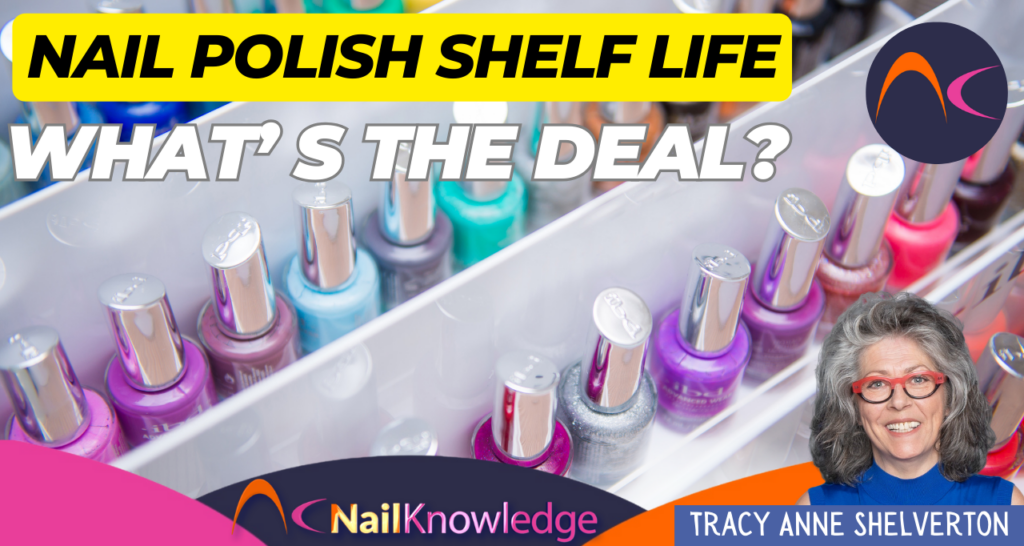
Ever wondered about the shelf life of your beloved nail polish? It’s not just about picking your favourite colour; it’s about making that colour last. So, let’s dive into the world of nail polish longevity.
The Basics of Nail Polish Shelf Life
Picture this: you’ve got an unopened bottle of nail polish sitting pretty on your shelf. That bad boy can last for a solid 2 to 3 years, and even longer if you treat it right. Keep it snug in a cool, dark place with the cap firmly sealed, and you’re golden.
But what happens when you pop that bottle open? Well, hang on to your nail files; things get a bit trickier.
Unveiling the Mysteries of Normal Nail Polish
Now, let’s talk about regular nail polish. The quality makes all the difference. Splurging on top-notch brands can give you a longer-lasting mani. Cheap knockoffs? Not so much. They might start fading faster than yesterday’s news.
Oh, and here’s a fun fact: thinning out your normal polish continuously won’t make it last forever. In fact, it might just cost you clients. We’ll get to that in a sec.
UV Gel Polish: The Hero of Longevity
Enter UV gel polish, the hero of long-lasting nails. This stuff can go weeks without chipping or fading if you treat it right. The secret sauce? UV or LED light. It’s like the superhero cape that hardens and sets this polish to perfection.
Signs Your Polish Is on Its Last Leg
So, how do you know when your nail polish has seen better days?
1. Thickening: If your polish has turned into a gooey mess, it’s time to say goodbye.
2. Separation: When you see layers forming, it’s like a relationship gone wrong. Time to break up with that polish.
3. Clumping: Clumpy polish is like trying to spread cold butter on toast – not pretty.
4. Weird Odor: If it smells funny, trust your nose; it’s a no-go.
Did You Know That Nail Polish is Thixotropic
If you’re like me and enjoy painting your nails in all sorts of fabulous colors, you might be surprised to learn that your favorite nail polish has a pretty cool property – it’s thixotropic. But wait, what in the world does “thixotropic” even mean? Don’t worry; I’ve got the scoop for you.
What’s Thixotropy, Anyway?
Okay, let’s break it down. Thixotropy is a mouthful, but it’s actually a simple concept. It’s all about how some substances can change their viscosity, or how thick and runny they are, when they’re agitated or stressed.
Imagine your nail polish as a thick, gooey substance sitting calmly in its bottle. When you dip your brush in and start applying it to your nails, you’re agitating it. Suddenly, it becomes more liquid and easier to spread. That’s thixotropy in action!
The Magic of Nail Polish
So, why does nail polish behave this way? It’s because of its unique formula. Nail polish consists of various components, including pigments, solvents, and resins. These components work together to give you that gorgeous, colorful finish.
The solvents in nail polish are responsible for its thixotropic behavior. They help keep the polish in a liquid state in the bottle. When you apply it to your nails, the agitation from brushing it on causes the solvents to evaporate quickly, leaving behind the color and resin that sticks to your nails.
Why Does Thixotropy Matter?
Understanding thixotropy is essential for both nail polish manufacturers and us nail aficionados. For manufacturers, it’s about creating a product that’s easy to apply but stays put once it’s on your nails. The thixotropic nature of nail polish strikes that balance perfectly.
For us, it means we can enjoy smoother, streak-free application. The polish spreads easily when we apply it but doesn’t drip all over the place. Plus, it dries relatively quickly, so we can get back to our daily activities without worrying about smudging.
Tips for Perfect Nail Polish Shelf Life
Now that you know your nail polish’s secret superpower, here are a few tips to make the most of it:
1. Store It Properly: Keep your nail polish tightly sealed and away from extreme temperatures to maintain its thixotropic properties.
2. Roll, Don’t Shake: Instead of shaking your nail polish bottle vigorously, roll it between your hands. This helps mix the ingredients without introducing air bubbles.
3. Thin It Out: If your polish thickens over time, use a nail polish thinner to restore its consistency.
4. Be Patient: Allow each coat to dry before applying the next one. Thixotropy helps with quicker drying, but you still need a little patience.
In a Nutshell
Wrapping it up, understanding nail polish shelf life is a game-changer. Your manicures will thank you for it. Remember, it’s not just about the color; it’s about the quality and care you give to your polish. And don’t forget, thinning normal polish isn’t a magic fix; it might just thin out your client list.
Now, let’s address some FAQs!
1. Làm nail polish expire?
Yes, nail polish can indeed expire. Just like other cosmetic products, nail polish has a shelf life. Over time, certain ingredients in nail polish can break down, causing changes in texture, color, and application. Expired nail polish may become thick, clumpy, or develop an unusual odor. To ensure the best results and prevent potential issues, it’s advisable to replace nail polish that has passed its expiration date. Proper storage, such as keeping the cap tightly sealed and storing in a cool, dark place, can help extend its shelf life.
2. How do I make my nail polish last longer?
Seal it tight, keep it cool, and don’t expose it to too much air. Your polish will thank you.
3. Can I save thickened polish?
Yep, you can! Nail polish thinner to the rescue. Just don’t overdo it.
4. How can I remove my nail polish, is acetone fre better?
Use acetone or a remover with acetone, put a little on a lint free pad, hold it down for 30 seconds, then your nail polish will come off with ease.
5. Can I mix nail polish brands?
Sure, you can, but be cautious. Some combos might not play nice together.
6. Any eco-friendly nail polish options?
Absolutely! Many brands are going green, just be aware, too green is not good, chemicals need to be in your nail polish, its the nature of the beast, but its an added bonus if the company making the polish are doing everything they can to save the plant in the process – sun pannels for energy, electricity from wind turbines – recyleable packaging etc so you can have fabulous nails without harming the planet.
So, there you have it, folks! Nail polish shelf life – demystified. Now, go forth and rock those fabulous nails! 💅