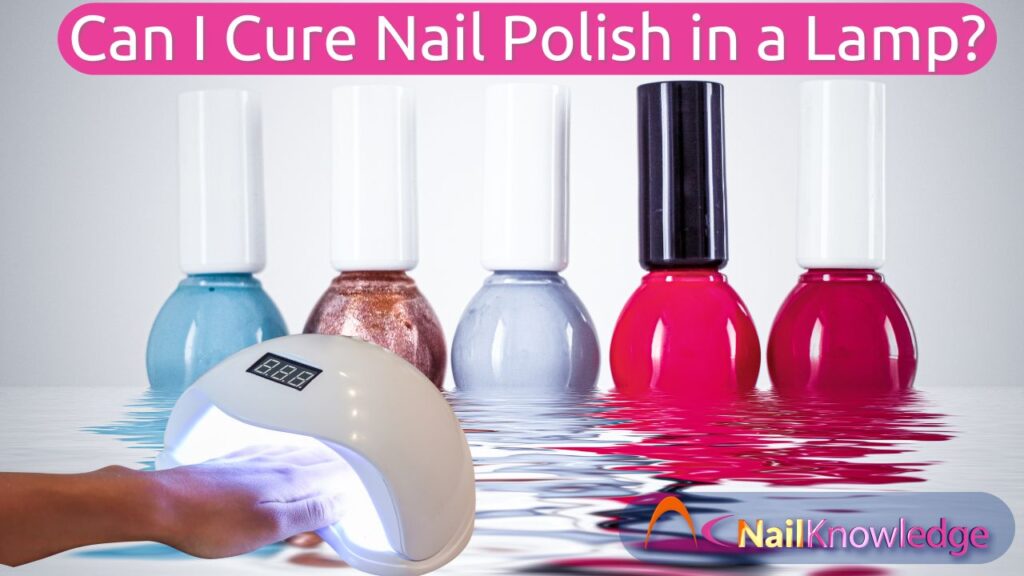
Những người đam mê làm móng thường tự hỏi, “Can I cure regular nail polish in a UV/LED lamp?”
The short answer is no, but the long answer requires a deeper dive into why this is not an ideal practice. While gel polishes are designed specifically for UV/LED curing, traditional nail polish is formulated differently. Let’s explore this topic in detail, covering the science, risks, and alternatives.
Sự khác biệt giữa sơn móng tay thông thường và sơn gel là gì?
Before understanding if you can cure nail polish in a lamp, it’s important to grasp the fundamental difference between regular nail polish and gel polish.
- Sơn móng tay truyền thống: Loại sơn bóng khô bằng không khí này dựa vào sự bay hơi của dung môi để đông cứng. Nó không chứa thành phần nào phản ứng với tia UV/LED.
- Sơn Gel: This is a special formula designed to cure under UV or LED light. Gel polish contains photoinitiators that activate under light exposure, causing the polish to harden almost instantly.
Traditional nail polish simply doesn’t have the chemical components necessary to benefit from UV/LED exposure. Trying to use a lamp with traditional polish is merely a fruitless exercise. Some UV/LED lamps emit warmth/heat that may support the evaporation of the polish solvents to a small degree or this method may be used to keep a client with a fidgety hand to remain still, but either way does not assist the overall drying of the polish.
Bạn có thể cho sơn móng tay thông thường vào đèn UV/LED không?
Về mặt kỹ thuật, bạn Có thể đặt sơn móng tay truyền thống vào đèn UV/LED, nhưng nó sẽ không đông cứng đúng cách. Sơn móng tay truyền thống cần không khí để dần dần làm bay hơi dung môi, và đèn UV/LED sẽ chỉ làm tăng tốc độ bay hơi dung môi nếu đèn tỏa ra bất kỳ hơi ấm nào. Điều này có thể tạo ra hiệu ứng làm khô hời hợt trên lớp sơn trên cùng, khiến các lớp sơn bên dưới ướt và mềm.
If the base layers aren’t dry, this can lead to:
- Làm mờ
- Kết cấu không đồng đều
- Làm móng tay trong thời gian ngắn
Sử dụng đèn UV/LED trên sơn móng tay thông thường có nguy cơ gì?
Using a UV/LED lamp with regular nail polish isn’t just ineffective; it can also come with risks.
- Thời gian sấy kéo dài
Thay vì đẩy nhanh quá trình khô, việc tiếp xúc với tia UV/LED có thể khiến sơn móng tay của bạn dính lâu hơn vì nó làm gián đoạn quá trình bay hơi tự nhiên. - Sự đổi màu hoặc suy thoái
Các loại sơn thông thường không được thiết kế để tiếp xúc với tia UV và có thể bị hỏng hoặc đổi màu khi tiếp xúc với ánh sáng UV/LED. - Làm hỏng đèn của bạn
Over time, using traditional nail polish in a lamp simply is a waste of the lamp’s working hours, which is best saved for the gel products it was designed for.

Tại sao một số chuyên gia lại sử dụng chất đánh bóng truyền thống với đèn UV/LED?
You may have seen nail technicians applying traditional nail polish with UV/LED lamps and wonder how they make it work. The trick lies in the technique.
Some professionals use a “gel sandwich” method, where they:
- Apply a gel base coat and cure it.
- Phủ một lớp sơn móng tay thông thường mỏng và để khô hoàn toàn (Việc này mất thời gian).
- Seal with a gel top coat and cure.
This method allows for the use of regular colours, however, it’s important to note that the regular polish must be completely dry before applying gel layers. Even light dampness can cause bubbling, peeling, or lifting, it is certainly not a fully trusted method. It is always best practice to use products according to the manufacturer’s instructions vs playing chemist with professional products.
Giải pháp thay thế tốt nhất cho việc làm khô sơn móng tay thông thường là gì?
If you want the benefits of a UV/LED manicure while using traditional polish, there are safer and more effective methods:
- Đánh bóng lai
Some brands offer hybrid nail polishes designed for UV/LED curing. These products combine the thinner, swifter removal, and flexibility experienced with regular polish with the durability of gel. - Lớp phủ và bình xịt khô nhanh
If you’re looking to speed up drying times, a quick-dry top coat for traditional polish is a better option than using a UV/LED lamp. Also available are quick dry drops or sprays which speed up the evaporation of the solvents within the polish. - Phương pháp ứng dụng
Có được kết quả tốt nhất và thời gian khô nhanh bằng cách nâng cao phương pháp áp dụng của bạn. Đảm bảo móng sạch và khô, sẵn sàng để sơn bóng, sơn nhiều lớp mỏng, để mỗi lớp gần khô, tránh mọi sai sót của người đưa thư.
Điều gì xảy ra nếu bạn sử dụng sai sản phẩm trong đèn UV/LED?
Nếu bạn sử dụng sản phẩm không được thiết kế để xử lý bằng đèn UV/LED, một số điều có thể xảy ra không mong muốn:
- Bảo dưỡng không hoàn chỉnh:Chất đánh bóng có thể vẫn mềm hoặc dính, dẫn đến bị nhòe.
- Sủi bọt hoặc nâng lên:Việc bảo dưỡng không đúng cách có thể tạo ra các túi khí làm yếu lớp sơn móng tay.
- Thời gian lãng phí: You won’t achieve the long-lasting, glossy finish you expect from gel polishes.
Phán quyết cuối cùng: Bạn có thể làm khô sơn móng tay bằng đèn không?
While it’s tempting to use a UV/LED lamp for regular nail polish, the results won’t be what you’re hoping for. Traditional polishes are not designed for curing under UV/LED light, and attempting to do so can lead to disappointing results and potential risks.
If you’re looking for the durability and shine of gel nails, it’s best to stick with products formulated for UV/LED curing. Alternatively, use hybrid polishes to combine the best of both worlds.
For a flawless manicure, the right tools and products make all the difference. Now you know the science and risks behind curing regular nail polish in a UV/LED lamp—so you can make the best choice for your nails!