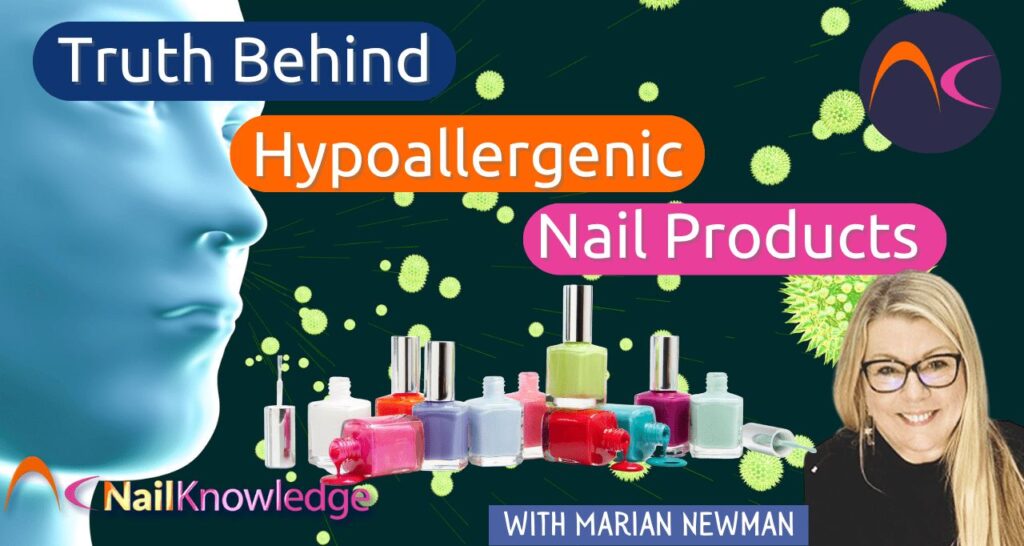
In the nail industry, there is often a buzz surrounding hypoallergenic products, which are claimed to be less likely to cause allergic reactions. However, it’s crucial to understand that hypoallergenic does not equate to “non-allergenic.” Instead, it signifies a reduced likelihood of triggering allergic responses, although individuals with compromised immunity may still be affected. Furthermore, highly allergenic ingredients are intentionally included in formulations for specific purposes and are often substituted with alternatives possessing similar properties. To shed light on this subject, let’s delve into the concept of hypoallergenic products in the context of the nail industry and gain a comprehensive understanding of their true nature.
Understanding the Comparative Nature of Hypoallergenic Nail Products
Within the realm of nail products, the term hypoallergenic is a comparative descriptor that requires a point of reference for comparison. It is crucial to ascertain what these products are being compared to. While they may be labeled hypoallergenic in comparison to similar nail products, it is important to note that this comparison does not imply a complete absence of allergenic potential.
Navigating Personal Allergies and Individual Needs in the Nail Industry
For individuals who are concerned about potential allergic reactions, opting for hypoallergenic nail products can be a wise choice. However, it is even more beneficial to identify the specific ingredients that trigger allergic responses in your case, allowing you to avoid them entirely. By understanding the allergens that affect you personally, you can take proactive measures to protect your clients’ nail health and overall well-being. Collaborating with a dermatologist or allergist can prove invaluable in pinpointing the substances to avoid and selecting appropriate hypoallergenic alternatives.
The Science Behind Hypoallergenic Nail Formulations
Hypoallergenic nail products undergo meticulous formulation to minimize the risk of allergic reactions, particularly among individuals with sensitive skin or compromised immune systems. During the formulation process, highly allergenic ingredients are deliberately replaced with alternative substances that offer comparable properties. For example, if a traditional nail product contains an ingredient known to cause reactions, it may be substituted with a milder or less sensitizing alternative. This strategic ingredient selection helps create nail products that are better tolerated by a wider range of individuals.
Benefits and Considerations of Hypoallergenic Nail Products
Hypoallergenic nail products can offer numerous benefits for both nail technicians and their clients who are prone to allergies. They provide a reduced likelihood of triggering allergic reactions, making them suitable for individuals with sensitive skin or known allergies. However, it’s important to recognize that each individual’s nails and skin are unique, and what works for one person may not work for another. Therefore, conducting patch tests or seeking guidance from healthcare professionals is advisable before incorporating new nail products into your salon or personal routine. Additionally, maintaining proper nail hygiene, using quality tools, and implementing safe and hygienic practices can significantly contribute to overall nail health and minimize the risk of adverse reactions.
Phần kết luận
Hypoallergenic nail products in the industry offer a reduced potential for causing allergic reactions compared to similar products. However, it’s essential to remember that hypoallergenic does not guarantee complete immunity to allergies. By understanding personal allergies, seeking professional guidance, and adopting a comprehensive approach to nail care, nail technicians can make informed choices that prioritize the health and well-being of their clients’ nails.
Câu hỏi thường gặp

- What does it mean for a nail product to be hypoallergenic?
- Hypoallergenic nail products are formulated to have a reduced likelihood of triggering allergic reactions compared to other similar products. However, it does not guarantee complete immunity to allergies.
- Are hypoallergenic nail products completely free of allergenic potential?
- No, hypoallergenic products still have the potential to cause allergic reactions, albeit at a reduced rate. The term “hypoallergenic” indicates a comparative nature, suggesting a lower likelihood of triggering allergies but not a complete absence of allergenic potential.
- Why are highly allergenic ingredients intentionally included in some nail product formulations?
- Highly allergenic ingredients may be intentionally included in nail product formulations for specific purposes, such as improving performance or achieving certain effects. However, in hypoallergenic products, these ingredients are often substituted with alternative substances that offer similar properties but with lower allergenic potential.
- How can individuals identify the specific ingredients that trigger allergic responses in their case?
- To identify the specific ingredients that trigger allergic responses, individuals can consult with a dermatologist or allergist. These healthcare professionals can conduct tests and help pinpoint the substances to avoid, allowing for the selection of appropriate hypoallergenic alternatives.
- Are hypoallergenic nail products suitable for everyone?
- While hypoallergenic nail products provide a reduced likelihood of triggering allergic reactions, each individual’s nails and skin are unique. What works for one person may not work for another. It is advisable to conduct patch tests or seek professional guidance before incorporating new nail products into a salon or personal routine to ensure compatibility and minimize the risk of adverse reactions.
Please note that these FAQs are for informational purposes and should not substitute professional advice.