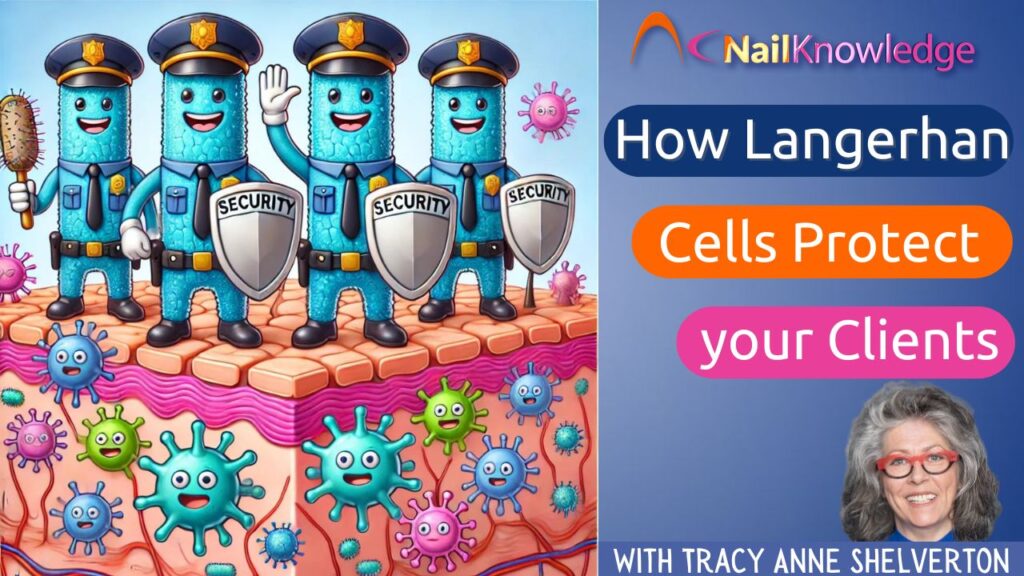
Como técnico de uñas, probablemente te hayas encontrado en situaciones en las que productos como el esmalte o los acrílicos se derraman accidentalmente sobre la piel alrededor de la uña. Si bien esto puede parecer un pequeño percance, hay mucho más sucediendo bajo la superficie de la piel de lo que parece. De hecho, nuestros cuerpos tienen sus propios defensores naturales que trabajan duro para protegernos del daño. Conoce las células de Langerhans, las heroínas anónimas del sistema inmunológico.


¿Qué son las células de Langerhans?
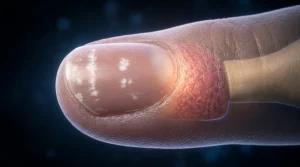
Las células de Langerhans son como los guardias de seguridad de la piel, siempre patrullando y listas para defenderse de cualquier cosa que no debería estar allí. Estas células, que se encuentran en la capa más externa de la piel (la epidermis), incluida la delicada zona alrededor de las uñas, son esenciales para mantener nuestra piel sana.
Entonces, ¿qué hacen exactamente estos pequeños guardianes? Su trabajo principal es detectar sustancias dañinas como bacterias, virus o incluso irritantes químicos que puedan haber entrado en la piel. Una vez que detectan una amenaza, la capturan y alertan al resto del sistema inmunitario para que responda. Piense en ellos como la primera línea de defensa, siempre listos para pedir refuerzos cuando sea necesario.
Por qué deben preocuparse los técnicos de uñas
Como técnico de uñas, comprender el papel de las células de Langerhans puede ayudarte a cuidar mejor de ti mismo y de tus clientes. Cuando un producto entra en contacto con la piel, o un placa para clavos se ha adelgazado tanto al lijarlo que puede llegar a la cama de la uña, donde se encuentran estas células. Si las células de Langerhans detectan algo dañino, entran en acción. Esto podría resultar en enrojecimiento, hinchazón, que eventualmente podría desencadenar una reacción alérgica mientras el sistema inmunológico trabaja para proteger la piel y nadie quiere eso, por lo que es inteligente prestar atención y evitarlo.
Por ejemplo, digamos que un poco de esmalte en gel se filtra accidentalmente en la piel, se mete debajo de la uña o incluso se derrama en el lecho ungueal. Las células de Langerhans podrían reconocer algunos de los químicos del esmalte como extraños o irritantes. En respuesta, se activan, lo que lleva a una reacción inflamatoria. Si bien esta es una respuesta natural y protectora, no es agradable, ya que puede causar molestias y arruinar el hermoso trabajo que acabas de hacer.
Consejos prácticos para técnicos de uñas
Para minimizar las posibilidades de fuga de producto y la consiguiente respuesta inmunitaria, he aquí algunos consejos prácticos:
- Utilice técnicas de aplicación precisas: Ten cuidado con la cantidad de producto que utilizas, especialmente cerca del pliegue ungueal proximal y los laterales de las uñas. Considera usar un pincel más pequeño para trabajos detallados y evitar derrames accidentales.
- Proteger la piel: Aplique una crema barrera alrededor de las uñas antes de empezar el servicio. Esto puede ayudar a evitar que los productos penetren en la piel.
- Limpieza inmediata: Si algún producto entra en contacto con la piel, límpielo lo antes posible. Cuanto menos tiempo permanezca en la piel, menor será el riesgo de desencadenar una respuesta inmunitaria.
- Sea consciente de la sensibilidad de los clientes: Algunos clientes pueden tener la piel más sensible que otros. Saberlo puede ayudarte a elegir productos más suaves o a ajustar tu técnica de aplicación para evitar problemas.
- Dejar de adelgazar la lámina ungueal: La eliminación de las capas de protección de la placa ungueal no sólo altera el equilibrio de la mejora de la uña que está creando, sino que también abre la uña a la invasión de agentes patógenos o a la fuga de productos.
Comunicación con los clientes
Si un cliente experimenta enrojecimiento o irritación, es importante comunicarse con él de manera clara y tranquila. Aquí hay una forma sencilla de explicar lo que está sucediendo:
“Tu piel tiene unas células increíbles llamadas células de Langerhans que actúan como guardias de seguridad. Cuando algo que no les gusta, como un poco de producto, llega a tu piel, pueden reaccionar causando algo de enrojecimiento o hinchazón. Es solo la forma en que tu cuerpo te protege.”
Al explicar la situación de esta manera, puedes tranquilizar a tu cliente asegurándole que lo que está experimentando es una reacción normal y que tú sabes cómo manejarlo.
Las células de Langerhans: Claves para una piel sana y un cuidado seguro de las uñas
Las células de Langerhans pueden ser diminutas, pero su papel en la protección de la piel de sus clientes es enorme. Al comprender cómo funcionan estas células, puede tomar medidas para prevenir fugas de productos y asegurarse de que sus clientes salgan de su salón no solo con uñas hermosas, sino también con una piel sana.
La próxima vez que estés trabajando en un cliente, recuerda a estos guardianes de la uña y utiliza tus conocimientos para brindar la mejor atención posible. ¡Tus clientes te lo agradecerán!