

El peligro del polvo de uñas: El asesino invisible de los salones de manicura
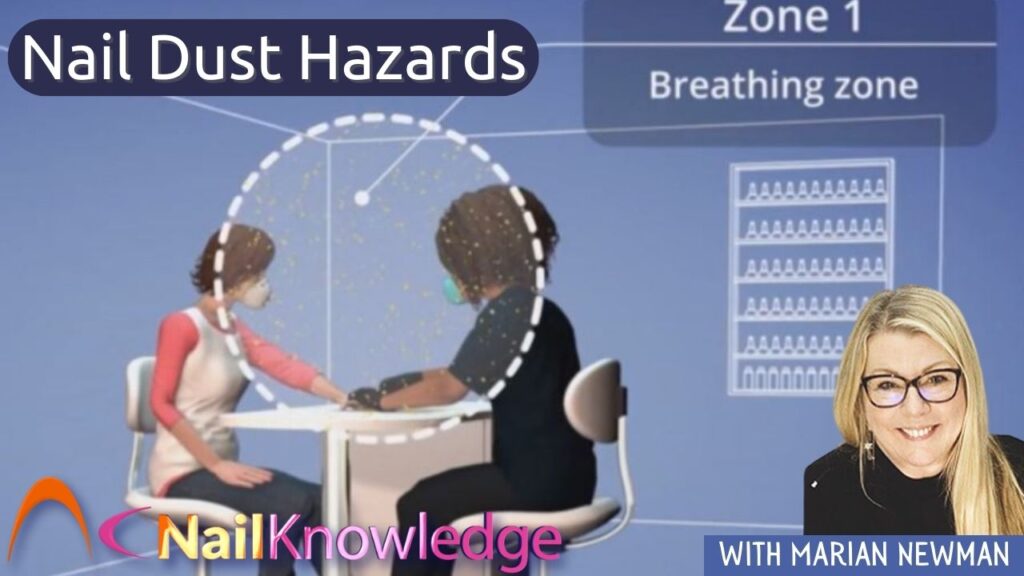
El asesino invisible, el polvo de uñas, es una preocupación seria en los salones de uñas. Limar y dar forma a las uñas, ya sea manual o con una lima eléctrica, provoca mucho polvo. Puede cubrir equipos, áreas de trabajo, uniformes e incluso a los clientes. Pero, lo que es más importante, es perjudicial para su salud. El polvo de uñas puede contener acrílico de las uñas, partículas de pegamento o esmalte seco, piel humana e incluso bacterias u hongos (dependiendo de la salud del cliente). ¿Le gustaría inhalar todo eso? Inhalar este polvo a través de la nariz y hacia la garganta puede causar reacciones alérgicas, tos, estornudos, dolores de cabeza y otros problemas. Pero el verdadero peligro es el polvo invisible. La vista humana puede ver hasta aproximadamente 10 micras; eso es aproximadamente el mismo grosor que un cabello humano. Pero la mayoría del polvo de uñas es mucho más pequeño que esto. Es tan pequeño que puede pasar a los pulmones y afectar su funcionamiento. Como resultado, muchos técnicos de uñas tienen un mayor riesgo de desarrollar problemas respiratorios, como asma ocupacional o incluso cáncer. El polvo de uñas también puede depositarse y entrar en los ojos, causando llagas e irritaciones. Además, puede empeorar condiciones de salud existentes, como el eccema. Entonces, ¿qué pueden hacer los empleados de los bares y salones de uñas para protegerse?Salud y seguridad de los trabajadores
Control de sustancias peligrosas para la salud (COSHH) Las Regulaciones son una ley que exige a todos los empleadores proteger a su personal de sustancias nocivas en el trabajo. Los empleadores pueden prevenir o reducir la exposición de su personal a sustancias peligrosas realizando evaluaciones de riesgos, asegurando que se tomen las medidas correctas para reducir el daño a la salud y planificando para emergencias. Los salones de uñas pueden ayudar a proteger a los trabajadores proporcionando cierto equipo de seguridad. Esto debe incluir guantes y mascarillas protectoras. Los funcionarios de salud pública recomiendan guantes de nitrilo en lugar de látex o vinilo, ya que estos ayudan a proteger a los trabajadores de la exposición a productos químicos. Los técnicos de uñas también deben usar mascarillas adecuadas, como la mascarilla N95. Estas filtran las partículas más pequeñas y protegen contra productos químicos, a diferencia de las mascarillas de papel. También es vital que los salones de uñas tengan una buena ventilación. Por lo tanto, los empleadores deben proporcionar una campana extractora o una mesa con extracción descendente para el trabajo de uñas, y abrir las ventanas para asegurar una buena ventilación. Los técnicos de uñas también deben usar gafas de seguridad para proteger sus ojos. Desafortunadamente, los técnicos de uñas ponen en riesgo su salud cada vez que van a trabajar, ya sea por el contacto con polvo, productos químicos o incluso clientes que están enfermos o tienen una infección. Así que la próxima vez que vayas por una manicura o pedicura, echa un vistazo y ve si el personal lleva el equipo de seguridad adecuado. Si no llevan guantes y mascarillas y las ventanas están todas cerradas, puede valer la pena visitar un salón diferente.