

Nail Dust Hazard: The Invisible Assassin in Salons
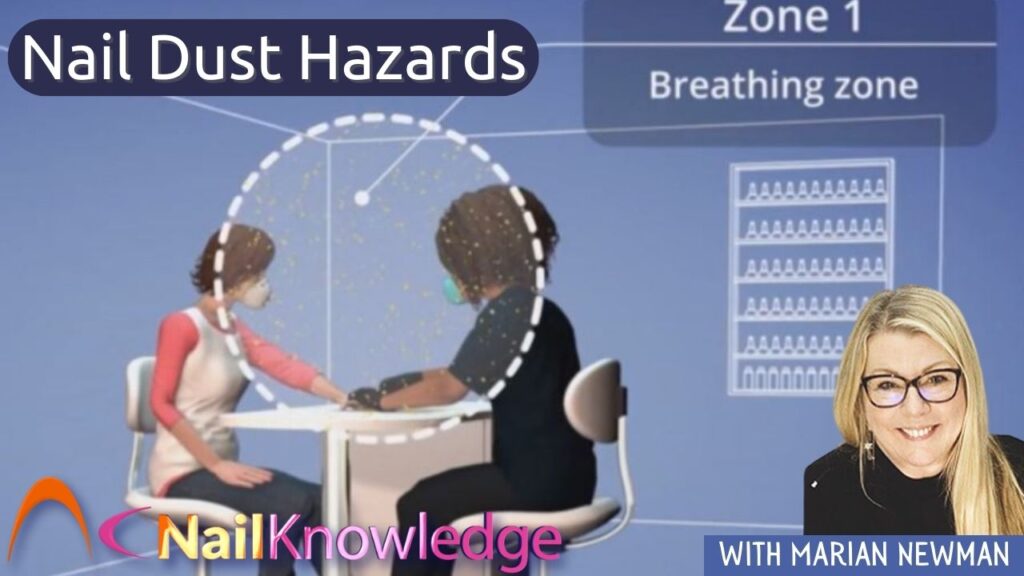
The invisible assassin, nail dust, is a serious concern in nail salons. Filing and shaping nails, either manually or with an e-file, causes a lot of dust. It can cover equipment, workspaces, uniforms and even customers. But, more importantly, it’s bad for your health. Nail dust can contain acrylic from the nails, dried glue or polish particles, human skin and even bacteria or fungus (depending on the health of the customer). Would you fancy breathing all that in? Inhaling this dust through the nose and into the throat can cause allergic reactions, coughing, sneezing, headaches and other issues. But the real danger is the invisible dust. Human eyesight can see down to approximately 10 microns – that’s roughly the same thickness as a human hair. But most nail dust is a lot smaller than this. It’s so small it can pass into the lungs and affect how they function. As a result, many nail technicians are at higher risk of developing breathing conditions, such as occupational asthma or even cancer. Nail dust can also settle get into the eyes, causing sores and irritations. Plus it can make existing health conditions worse, like eczema. So what can employees at nail bars and salons do to protect themselves?Employee Health and Safety
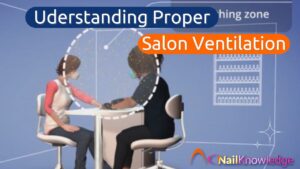
The Control of Substances Hazardous to Health (COSHH) Regulations is a law that requires all employers to protect their staff from harmful substances at work. Employers can prevent or reduce their staff’s exposure to hazardous substances by doing risk assessments, ensuring the correct measures are in place to reduce harm to health, and planning for emergencies. Nail salons can help protect workers by providing certain safety equipment. This should include protective gloves and masks. Public health officials recommend nitrile gloves instead of latex or vinyl as these help guard workers from exposure to chemicals. Nail technicians should also wear proper face masks, such as the N95 mask. These filter the smallest particles and protect against chemicals, unlike paper masks It’s also vital for nail bars to have good ventilation. So, employers should provide an extractor hood or down draught table for nail work, and open windows to ensure there’s plenty of fresh air. Nail technicians should also wear safety glasses to protect their eyes. Unfortunately, nail technicians put their health at risk whenever they go into work – whether that’s from coming into contact with dust, chemicals or even customers who are sick or have an infection. So next time you go for a manicure or pedicure, have a look around and see if the staff are wearing the correct safety gear. If they’re not wearing gloves and masks and the windows are all closed, it might be worth visiting a different salon.