• Saltar a la navegación principal
  • Saltar al contenido principal
  • Saltar al pie de página
Conocimientos de uñas

Conocimientos de uñas

  • Cursos
  • MyNailEra
  • Libros electrónicos gratuitos
  • Base de conocimientos
    • Base de conocimientos
    • Pregunte a los expertos
    • Glosario
  • Noticias
  • Blog
  • Inicio de sesión

Salud y seguridad

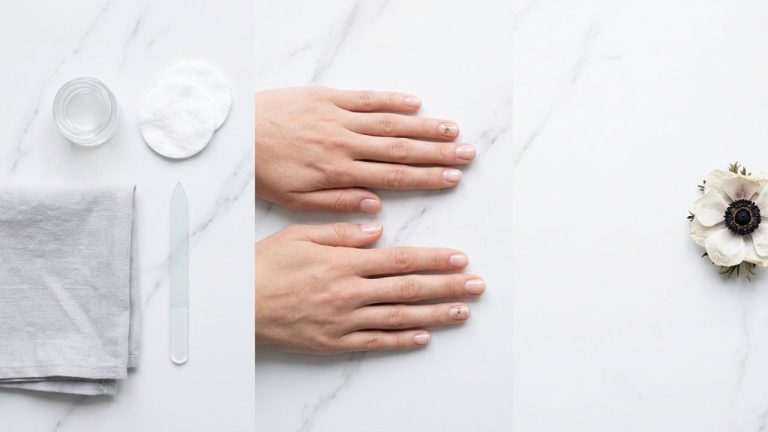
Cuidado de las uñas durante el tratamiento del cáncer

Cancer treatment places significant demands on the body, and while the main focus is understandably on medical care, the condition of your skin and nails should not be overlooked. Chemotherapy and immunotherapy medicines can affect rapidly growing cells, including those responsible for healthy skin and nail growth.

Nail care during cancer treatment is therefore not simply cosmetic. Good nail and skin care may help reduce discomfort, minimise complications, and lower the risk of infection while your immune system is more vulnerable.

This guidance is based on advice provided by oncology specialists experienced in managing treatment-related changes affecting the hands and nails.

Understanding nail care during cancer treatment can help patients make informed decisions about maintaining comfort and protecting nail health throughout therapy.

How Cancer Treatment Affects Nails and Skin

Many cancer therapies influence how quickly cells grow and repair themselves. Nails grow from specialized cells within the matriz de uñas, and the development of these cells can become temporarily disrupted during chemotherapy or immune-based treatments.

As a result, some people may notice:

  • Increased nail fragility or splitting
  • Thinning of the skin around the nails
  • Dry or sensitive skin around the nails
  • Changes in nail thickness or texture
  • Swelling of the fingers
  • Tenderness of the nail bed
  • Nails lifting away from the nail bed (onycholysis)
  • Increased susceptibility to irritation or infection and or ‘infection reactions’

Not everyone experiences these changes, but maintaining healthy nails and surrounding skin can help reduce the severity of potential side effects.

Keeping Nails and Skin Healthy During Cancer Treatment

During cancer treatment, hydration and protection become especially important. Dryness and reduced skin elasticity are common concerns. When skin loses flexibility, it becomes easier to damage through everyday activities or routine nail treatments. Small breaks in the skin or nail plate may allow bacteria or fungi to enter, increasing the risk of infection.

Simple daily care can make a meaningful difference:

  • Regularly apply nail and skin oil to maintain flexibility
  • Use moisturising hand lotions frequently throughout the day
  • Keep nails clean and comfortably short
  • Protect hands during household tasks using gloves

Maintaining moisture helps support the skin’s natural barrier function, which becomes particularly important during chemotherapy or immunotherapy.

Nail Treatments During Cancer Treatment and Chemotherapy

Many people wish to continue normal self-care routines during treatment, including having their nails done. Feeling comfortable and confident in your appearance can positively support wellbeing. However, some adjustments are recommended to prioritise reducing the risk of any or all abrasions and wounds.

Specialists advise avoiding gel nail systems or products that require curing under LED or UV lamps during active cancer therapy.

During treatment, nails and surrounding tissues may become more sensitive to UV and LED light. Gel systems create a firm coating that cannot be quickly removed without filing or soaking procedures. If a nail reaction develops underneath the coating, this may go unnoticed and could lead to complications such as nail lifting or infection.

Instead, traditional nail polish or acrylic paint products are considered a safer alternative during treatment. These options can still provide an attractive finish while allowing rapid removal if inspection or medical assessment becomes necessary.

Is Acetone Nail Polish Remover Safe During Cancer Treatment?

Some patients worry that acetone-based removers may be harmful or too harsh. Oncology guidance confirms that acetone nail polish remover can be used when needed.

Acetone works quickly, meaning less rubbing or prolonged exposure is required. Any temporary dryness caused by removal can usually be managed effectively by reapplying nail & skin oil and moisturising lotion afterwards.

The priority during treatment is the ability to safely and efficiently remove nail coatings when required.

Treatments and Techniques to Avoid

Because skin and nail structure may change during chemotherapy or immunotherapy, procedures normally considered routine may increase the risk of injury.

The following should be avoided during active treatment:

  • Aggressive nail buffing
  • Use of electric files (e-files) on the natural nail or surrounding skin
  • Cutting the skin around the cuticle area & side with nippers
  • Any procedure that may thin or weaken the nail plate

Even minor trauma can become extremely problematic when healing responses are reduced. Gentle care is essential at all times, and preserving the integrity of the nail and surrounding tissue should always take priority over cosmetic appearance.

The Importance of Regular Nail Checks

An important but often overlooked recommendation is to regularly inspect the nails.

Any nail coating should ideally be removed after approximately 48 hours so the nail plate, nail bed, and surrounding skin can be checked carefully. If everything appears healthy, polish may be reapplied.

Early inspection helps identify possible treatment-related changes such as redness, separation, swelling, or discomfort before they worsen.

If you notice anything unusual, inform your oncology or medical team promptly. Early reporting allows appropriate advice or treatment if required.

When to Seek Medical Advice for Nail Changes

During cancer treatment, it is important not to ignore changes affecting the nails or surrounding skin.

Contact your medical team if you notice:

  • Nail lifting or separation
  • Persistent redness or swelling
  • Pain around the nail
  • Numbness in fingers or hand
  • Tingling sensation of any kind
  • Possible signs of infection
  • Sudden or significant nail changes

Healthcare professionals involved in your cancer care are familiar with treatment-related side effects and can advise on the safest next steps.

Supporting Wellbeing Through Safe Self-Care

Maintaining nail care routines during cancer treatment is not about vanity. For many people, small acts of self-care provide comfort, normality, and emotional reassurance during a challenging time and reducing the discomfort that side effects may bring is smart.

With appropriate precautions, it is possible to continue caring for your nails safely while prioritizing health.

The key principles are simple:

  • Keep nails and skin well moisturized
  • Choose removable nail coatings
  • Avoid aggressive nail procedures
  • Inspect nails regularly
  • Report concerns early

Taking a cautious approach helps protect both nail health and overall wellbeing throughout treatment.

A Gentle Reminder About Nail Care

Every cancer treatment plan is different, and individual responses may vary. This information provides general educational guidance based on specialist oncology advice relating to nail and skin care.

If you are unsure whether a nail treatment is suitable for you, always consult your oncology or healthcare team before proceeding.

Healthy nails during cancer treatment begin with protection, hydration, and gentle care.

Small preventative steps can help reduce complications and support comfort while your body focuses on healing.

Publicado en: Salud y seguridad, Sin categoría

Por qué probar el esmalte de gel en la piel es un error peligroso

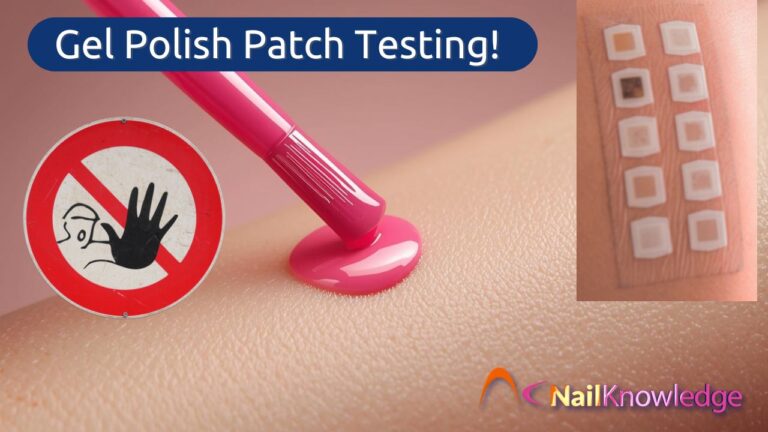
Ever been tempted to dab a bit of gel polish on your skin just to “see if you’re allergic”? It might seem like a sensible shortcut, especially if you’ve had a reaction in the past or are trying a new brand. But here’s the thing, gel polish patch testing on skin is not only ineffective, it’s potentially dangerous. Let’s break down why this common DIY beauty habit is one to avoid, and what you should do instead.

What Actually Es a Patch Test?

Before we get stuck in, let’s clear up what a patch test really means. In medical terms, a patch test is a controlled method used by dermatologists to identify allergens, substances that can trigger allergic reactions. These allergens are applied to the skin in tiny, measured amounts under special patches, which are then monitored over time to check for signs of irritation or inflammation.

What this isn’t: slapping on some gel polish behind your ear or on your wrist and hoping for the best. That’s not just unscientific, it can actually cause the very problem you’re trying to avoid.

The Hidden Dangers Lurking in Gel Polish

Gel polish may look harmless in its shiny little bottle, but it contains some pretty intense ingredients. Chemicals like acrilatos y metacrilatos are the main culprits here. These are well-known allergens, meaning they’re capable of causing allergic contact dermatitis, an itchy, sometimes painful skin rash that flares up after exposure to a substance your body sees as a threat.

Here’s the kicker: these ingredients are meant to polymerise, in other words, harden into a safe, stable coating – under UV or LED light on your nail plate, not your skin. When you put uncured gel directly onto your skin, those raw chemicals can soak in and sensitise your body.

And once you’re sensitised? That’s a life sentence. Even a tiny bit of contact in the future, not just with nail products, but potentially with dental materials, medical adhesives, or other common substances that contain similar compounds, can spark a reaction.

So, Is Any Kind of Gel Polish Patch Testing Safe?

Short answer? Not the kind you can do at home. The only safe way to test for a gel allergy is through a formal medical patch test, carried out by a dermatologist. They’ll use purified, lab-measured versions of the allergens in question, applied in microscopic amounts and monitored over time. That’s the gold standard, not a dot of polish behind the ear.

It might feel like overkill, especially if you’re just experimenting with new colours or brands. But remember, allergies don’t mess around. One bad reaction can leave you permanently sensitive, not just to that product but to a whole family of related chemicals.

What Should Nail Techs and Salon-Goers Do Instead?

Here’s where we bring it back to basics. The real key to avoiding allergic reactions isn’t about testing, it’s about prevention. And that means:

  • Never apply gel polish to the skin, for any reason.
  • Apply only to the nail plate – that’s the hard surface of your actual nail, not the surrounding skin or cuticle area.
  • Ensure the product is fully cured using the correct UV or LED lamp.
  • Avoid skin contact during application and removal – even a small slip of the brush can cause problems over time.

This is especially important in salon settings, where repeated exposure can add up fast. Whether you’re a nail tech or a beauty enthusiast doing DIY manicures at home, the safest practice is one that keeps gel strictly where it belongs, on the nails.

Real Talk: Why the Confusion?

It’s easy to see where the misunderstanding comes from. In the world of hair dye and skincare, patch testing is widely recommended and even required in some cases. So it’s natural to assume the same applies to gel polish.

But the difference lies in the chemistry. Hair dyes and face creams are formulated to be applied to skin, gel polish isn’t. It’s designed to undergo a chemical transformation on a non-porous surface (your nail plate), and exposing the raw product to your skin completely bypasses that safety mechanism.

Think of it like handling raw chicken, it’s fine if you cook it properly, but you definitely don’t want it rubbing all over your skin.

The Bottom Line: No, You Shouldn’t Patch Test Gel Polish on Skin

If there’s one thing you take away from this, let it be this: gel polish patch testing on your skin is not a safe shortcut. It might seem like a quick way to check for allergies, but it can do far more harm than good. The chemicals in gel formulas are strong, reactive, and need to be handled properly to avoid serious consequences.

If you’re concerned about potential allergies, the only trustworthy route is through a dermatologist. And if you’re applying gel at home or in a salon, the most effective “test” is your technique – keep it clean, keep it precise, and keep it off the skin.

Your future self – with happy, healthy nails – will thank you.

Publicado en: Salud y seguridad

Ventilación adecuada en los salones de manicura

If you’re running a salon or working in one, your top priority should be the health and comfort of both clients and professionals. One of the most overlooked, but absolutely critical, elements of salon safety is proper ventilation. Understanding proper ventilation in nail salons means knowing not just que you need fresh air, but how to achieve it effectively, consistently, and professionally. It’s not simply about opening a window, it’s about installing the right systems, using them correctly, and ensuring they’re suited to the demands of a busy salon environment.

What Does Proper Ventilation in Nail Salons Really Mean?

Proper ventilation goes far beyond just opening a window or plugging in an air purifier. It means having professionally installed and specifically designed equipment that ensures a consistent supply of high-quality air. This system must be:

  • Effective for your specific salon setup and services.
  • Always turned on during business hours.
  • Well maintained year-round.

The gold standard? A professional-grade source capture ventilation system designed specifically for nail salons.

Why Home Air Cleaners Just Don’t Cut It

Avoid using home air purifiers in a professional setting. They might make the air smell fresher, but they won’t adequately remove dangerous vapours or fine dust. Worse yet, they give a false sense of security. Professional salons require ventilation tailored to the tasks performed, and that includes handling multiple clients and technicians working at once.

Signs Your Ventilation in Nail Salons Isn’t Working Properly

Ask yourself or your staff these questions:

  • Do strong product odours linger more than 10 minutes after use?
  • Can you smell products from other rooms?
  • Is there a noticeable odour when opening the salon in the morning?
  • Do clients comment or complain about strong smells?
  • Do you have to open windows or doors to clear the air?
  • Are there signs of excess moisture—like foggy windows or sweating walls?
  • Is there a fine layer of dust on surfaces despite regular cleaning?

If you said “yes” to even one, it’s time to get help. Contact a local HVAC (Heating, Ventilation, and Air Conditioning) expert to inspect and maintain your system. These professionals can also advise on reducing dust, allergens, and vapours, improving both air quality and health outcomes in your salon.

Recognising the Symptoms of Poor Air Quality

Salon workers experiencing frequent:

  • Headaches
  • Sore throats
  • Coughing or nausea
  • Watery or burning eyes
  • Blurry vision

…might be reacting to poor ventilation. These are signs of “sensory irritation” and shouldn’t be ignored.

Don’t Confuse Odours with Danger

Here’s a myth to bust: Odour = danger. That’s not always true. Smelly items like dirty socks or nappies aren’t necessarily harmful. On the other hand, some fragrances, which smell great, can trigger allergies.

So what’s the point? Ventilation shouldn’t be used to eliminate odours, it should control vapours and dust. Don’t be misled by products that promise to “neutralise” smells. Odour is actually your warning sign that the air quality isn’t good enough.

What About “Fumes”?

This is another common misconception. In salons, we’re not dealing with “fumes” (which come from burning, like smoke). Nail products give off vapours when they evaporate, completely different from fumes. So you’re not removing fumes; you’re managing vapours and dusts.

Practical Tips to Improve Ventilation in Nail Salons and Reduce Dust

  • Empty bins regularly – Use metal bins with self-closing lids to contain vapours.
  • Avoid using fans – They just blow dust and vapours around the room.
  • Use nail oils when filing – Especially with electric files, specially formulated nail oils help capture dust before it becomes airborne.
  • Maintain your ventilation system – Regular servicing ensures optimal performance.

Focus on the Breathing Zone

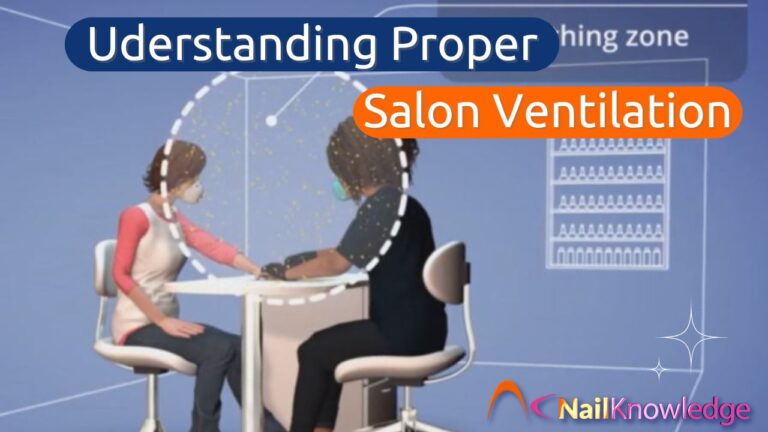
The most important airspace to protect is the breathing zone, a sphere about two feet in front of your face. This is where you’re inhaling directly, so it’s vital to keep this area as clean as possible.

Source capture systems, which sit at or near the nail table, are ideal for this. When combined with general building ventilation, they create a highly effective air quality system.

Should You Wear a Mask?

Yes—if it’s the right kind

Training Staff on Effective Ventilation in Nail Salons

Even with the right equipment, salon air quality can only be maintained if everyone in the salon understands how y por qué to use it correctly. Salon owners should create a clear ventilation policy and ensure all staff are properly trained. This includes:

  • Turning on all ventilation systems at the start of the working day and keeping them on until closing time.
  • Performing regular filter checks and replacements on all equipment, especially source capture units.
  • Ensuring workstation cleanliness, including daily wiping of surfaces to remove dust buildup.
  • Proper disposal of used materials such as nail wipes, cotton pads, and disposable files in self-closing metal bins.

Training should be reviewed periodically, ideally every six months, to refresh best practices and introduce any updates to equipment or procedures. A simple checklist by each nail station can act as a daily reminder of the steps needed to maintain good air quality.

The Role of Product Choice in Minimising Vapour and Dust Exposure

Product selection can significantly impact air quality in the salon. Lower-odour options, like odourless acrylic systems or hard gels with low vapour output, can help reduce the airborne chemical load. While no product is entirely vapour-free, some are designed to be less volatile, meaning they release fewer vapours into the air during use.

Additionally, avoid excessive use of alcohol-based cleansers, acetone, and primers when they’re not absolutely necessary. Always keep containers sealed tightly when not in use, and use pump dispensers rather than open dishes to limit surface evaporation.

Product education is vital. Nail professionals should understand the chemical behaviour of the products they use so they can adjust their handling methods accordingly. Remember: just because a product doesn’t smell strong doesn’t mean it’s safe to breathe in excess amounts of its vapours.

Ventilation is a Health Investment, Not a Cosmetic Upgrade

It’s easy to think of ventilation systems as optional extras, especially in smaller or home-based salons, but they are essential to the long-term health of everyone in the salon. Inadequate ventilation can lead to:

  • Chronic respiratory issues
  • Sensory irritation (burning eyes, dry throat, etc.)
  • Long-term chemical sensitivities
  • Workplace dissatisfaction and discomfort
  • Reduced client retention due to unpleasant odours

Think of a good ventilation system like PPE, it’s an investment in your business and your team’s wellbeing. Many insurance providers and regulatory bodies are also beginning to expect evidence of proper air handling systems in place, particularly in environments where chemicals are used frequently.

Summary: A Layered Approach for Safer Air

Improving air quality in salons isn’t about relying on a single piece of equipment or shortcut fix. It requires a layered approach, where each strategy supports the other to ensure a clean, comfortable, and healthy environment. That includes:

  1. Source Capture Ventilation – to extract vapours and dust at the table.
  2. General Salon Ventilation – to replace stale air with clean, filtered air.
  3. Routine Cleaning and Disposal Practices – to keep dust and vapour sources to a minimum.
  4. Dust Masks (N95-rated) – for added technician protection, never as a substitute.
  5. Education and Training – to ensure consistency and proper equipment use.
  6. Smart Product Handling – to minimise unnecessary chemical exposure.

The air you breathe while you work matters. Nail professionals are highly skilled individuals working with complex chemistry on a daily basis, your environment should reflect that level of professionalism. By taking the right steps now, you protect your team, your clients, and the reputation of your salon long into the future.

Publicado en: Salud y seguridad, Higiene del salón

Parabenos en los productos para las uñas: Lo que dice la ciencia

We hear a lot these days about what’s “toxic” in beauty. From sulphates to silicones, and yes, parabens in nail products, the internet is bursting with warnings, red flags, and product blacklists. But how much of it is actually backed by science? And how much is fear-based noise that gets repeated without question?

For nail techs, salon owners, and even well-informed clients, the concern over parabens often comes up when choosing lotions, cuticle creams, or strengthening treatments. The conversation feels urgent, especially when tied to something as serious as breast cancer. But is the concern valid? Or are we chasing shadows?

Let’s unpack what parabens are, why they’ve caused so much controversy, and what you really need to know about their role in cuidado de las uñas.

What Are Parabens and Why Are They in Nail Care Products?

Parabens are a group of synthetic preservatives used in cosmetics, personal care products, and even some pharmaceuticals. Their job is simple but essential: to prevent the growth of harmful bacterias, mould, and yeast, which can thrive in water-based formulas. Without preservatives like parabens, many of our favourite products would have dangerously short shelf lives.

You’ll most often see them listed as methylparaben, ethylparaben, propylparaben, or butylparaben on ingredient labels.

In the context of nail care, parabens in nail products appear mainly in moisturising treatments such as cuticle oils, hand creams, nail strengtheners, or hybrid polish formulas that include skin-conditioning ingredients. Traditional nail polish doesn’t usually contain them, as it’s a solvent-based product less prone to microbial growth.

Origins of the Paraben Scare and Cancer Controversy

The widespread fear around parabens can largely be traced back to a single, now-discredited study from 2004. That study claimed to have found traces of parabens in breast cancer tissue and the conclusion drawn was that they might be a cause of cancer. Understandably, this sparked alarm.

But here’s the problem. The study never compared the cancerous tissue to healthy tissue, and no causation was ever proven. It simply found the presence of parabens, which could have come from a wide range of sources. Since then, multiple follow-up studies have failed to replicate those results, and leading organisations like the Susan G. Komen Foundation have stated there is no credible evidence linking cosmetic parabens to breast cancer.

So why does this myth keep popping up?

Because fear spreads faster than facts. Especially online.

Real Stories and Misinformation in Nail and Beauty Advice

Doug Schoon, a respected scientist in the nail and cosmetic industry, shares a powerful story that highlights just how easily misinformation spreads, even among professionals.

While accompanying a friend, a breast cancer survivor, to her routine check-up, Schoon was surprised to hear the doctor warn her to avoid parabens, especially in beauty products. When asked for the source of this advice, the doctor admitted it came from “an environmental website” and “something he read online.”

No research. No verified data. Just repetition of something he heard somewhere, sometime, and now passes on to patients as though it’s established truth.

This is how parabens in nail products ended up on “danger” lists, not through credible science, but through repetition, fear, and a few loud activist groups pushing junk science.

Are Cosmetic Preservatives Like Parabens Actually Safe?

Yes, they are. And here’s why that matters.

Compared to many alternative preservatives, parabens are actually among the safest and most effective options available. They:

  • Work at very low concentrations
  • Are highly effective against a broad spectrum of microbes
  • Are less likely to cause allergic reactions than some newer, less-studied alternatives
  • Have a long safety record supported by decades of use and regulatory oversight

Regulatory bodies like the FDA (U.S.) and the Scientific Committee on Consumer Safety (EU) continue to permit the use of parabens in cosmetics within set concentration limits. If they were unsafe, they would be banned.

Instead, what we’re seeing is a growing number of products marketed as “paraben-free” not because parabens are dangerous, but because brands are responding to consumer fears. Fears that were born out of misinformation, not evidence.

Why Nail Professionals Should Understand Preservative Facts

When a client asks you if the parabens in nail products are dangerous, what will you say?

This is your opportunity to be both reassuring and factual. Let them know:

  • The original study linking parabens to cancer has been debunked
  • Parabens are effective and safe when used within regulatory guidelines
  • The dose makes the poison. Trace exposure in nail products is not dangerous
  • Alternatives often require higher concentrations, which may irritate the skin more

By educating your clients with facts rather than feeding the fear, you build trust and protect the integrity of your service.

Should Clients Avoid Parabens in Nail Products?

If you have a known allergy or sensitivity, of course, always avoid ingredients that don’t agree with your skin.

But for the vast majority of people, parabens in nail products pose no health risk. In fact, they increase the safety and shelf life of the product by preventing microbial contamination. Without them, you’re more likely to use a product that has gone bad, and that’s a real concern.

So before you toss out a perfectly good cream or cuticle oil because it contains a paraben, pause and ask: is this based on facts or fear?

Final Thoughts on Parabens and Nail Product Safety

We live in a time where “clean beauty” often means “fear-based marketing.” And while it’s wonderful to be informed and selective about what we put on our bodies, that doesn’t mean demonising ingredients without credible evidence.

Parabens in nail products have been unfairly targeted by junk science and misinformation. The truth is, they are well-researched, widely used, and among the safest preservatives in the industry. So the next time someone warns you about them, you’ll know exactly what to say and why it matters.

Because in beauty, as in science, the truth shouldn’t be optional.

Publicado en: Acabar con los mitos, Química del producto

¿Merece la pena el tratamiento de uñas con zumo de limón?

La tendencia del tratamiento de uñas con zumo de limón

We’ve all heard it: when life gives you lemons, use them on your nails. Okay, maybe not quite that phrase, but the idea of a tratamiento de uñas con zumo de limón has floated around beauty blogs and Pinterest boards for years. It’s one of those home remedies that promises brighter, stronger, healthier nails with ingredients from your kitchen. Sounds perfect, right?

But not so fast. While the allure of natural nail care is tempting, there’s a flip side to this citrusy trick that not everyone talks about. So, before you start dunking your fingers in lemon juice, let’s take a deeper dive into what this treatment actually does and whether it’s really worth the squeeze.

¿En qué consiste el tratamiento de uñas con zumo de limón?

Touted as a multi-purpose fix for stained, brittle, or fungal-prone nails, the lemon juice nail treatment is exactly what it sounds like: applying fresh lemon juice to your nails and cuticles, either directly, mixed with olive oil, or as a soak.

The appeal lies in the simplicity. Vitamin C? Check. Natural antiseptic? Yup. A kitchen staple that smells great? Absolutely. And, according to DIY devotees, it’s supposed to:

  • Elimina las manchas amarillas o la decoloración de las uñas
  • Brighten the overall appearance of the nail plate
  • Fortalezca las uñas débiles con vitamina C
  • Fight minor fungal infections thanks to citric acid

It’s easy to see why people give it a try. Plus, compared to pricey nail serums and treatments, it’s incredibly low-cost.

¿Funciona realmente?

Más o menos. El zumo de limón puede ayudar a levantar las manchas superficiales, como las de esmalte de uñas o fumar, gracias a su suave efecto blanqueador. Es como una pasta de dientes blanqueadora, pero para las uñas. Usado con moderación, sobre todo mezclado con aceite de oliva, puede incluso ofrecer un poco de hidratación y brillo.

There’s also something satisfying about rubbing a slice of lemon across your fingertips. It feels clean, zesty, refreshing. And sure, vitamin C is an essential nutrient that contributes to collagen production, which plays a role in nail strength.

But here’s the kicker. Just because vitamin C is in lemon juice doesn’t mean your nails will soak it up and start growing like wildflowers. The actual amount absorbed through the nail plate is likely minimal, and the benefit is more anecdotal than scientifically proven.

Los peligros ocultos del cuidado de uñas con cítricos DIY

This is where things get interesting. While the lemon juice nail treatment might seem harmless, there’s a surprising danger that comes with it, especially if you’re a sun-lover.

Have you ever heard of phytophotodermatitis? It sounds like a spell from Harry Potter, but it’s actually a very real and unpleasant skin reaction. Here’s how it works. Citrus juices like lemon or lime can linger on your skin. If you then go out into the sun, certain compounds in the juice chemically react with UV light, causing redness, streaks, rashes, or even painful blisters.

These reactions can take a day or two to show up, often looking like sunburn, eczema, or even second-degree burns. And get this. They can last for weeks. Not exactly the glowing beauty look you were going for.

Nail professionals and dermatologists warn that even small, raw amounts of lemon juice applied to the skin, especially around the nails and cuticles, can absorb and trigger this effect. So while you’re soaking your nails for beauty, you might be setting yourself up for a seriously uncomfortable experience if you go outdoors too soon after.

¿Vale realmente la pena un remedio natural con limón para las uñas?

It depends on your goal and your sun exposure. If you’re indoors, trying to gently remove manchas en las uñas antes de una nueva capa de esmalte, a one-time lemon juice rub might be fine. Especially if you rinse thoroughly and moisturise afterwards.

But if you’re looking for something to strengthen your nails or treat ongoing issues like hongos o fragilidad, you’re probably better off using treatments specifically designed for that purpose. Ones that don’t risk turning your skin into a rashy science experiment.

And definitely, definitely don’t sit by a sunny window or go outside right after a lemon juice soak. Trust us, those streaky rashes are not worth it.

Alternativas más seguras para aclarar y fortalecer las uñas

Si el tratamiento de uñas con zumo de limón doesn’t quite feel safe anymore, don’t worry. There are safer, more effective ways to give your nails the TLC they deserve:

  • Utiliza un lápiz blanqueador de uñas para dar brillo cosmético
  • Hidratar con aceites para cutículas that contain jojoba or vitamin E
  • Exfoliate gently with a nail buffer to remove surface stains

The best part? These methods won’t leave you nervously avoiding sunlight like a vampire in July.

Nuestro veredicto sobre el uso del zumo de limón para la salud de las uñas

Home remedies can feel comforting. There’s something empowering about using natural, familiar ingredients to care for ourselves. But it’s important to remember that “natural” doesn’t always mean safe or effective.

The lemon juice nail treatment might seem like a harmless beauty hack, but between the risk of phytophotodermatitis and the lack of strong scientific backing, it’s probably better kept as a once-in-a-while experiment, not a go-to nail routine.

A veces, lo mejor es dejar los limones para el té.

Publicado en: Información general, Acabar con los mitos

La verdad sobre el calcio micronizado en los productos para las uñas

We’ve all seen it slapped across bottles on beauty shelves: “Enriched with Micronized Calcium!” It sounds sciencey and impressive, right? Like something your nails have been secretly crying out for all along. But just because it’s trending doesn’t mean it’s truly doing what marketers claim.

When it comes to micronized calcium, some nail product manufacturers suggest it helps your nails absorb calcium better, supposedly making them stronger and healthier. It sounds logical on the surface. After all, calcium is essential for strong bones and teeth. But nails? Well, that’s where things start to get murky.

Cómo se utiliza el calcio micronizado en los productos para las uñas

Let’s start with the basics. Micronized calcium is just regular calcium that’s been ground down into an ultra-fine powder, sometimes as tiny as one micron (that’s a thousandth of a millimetre). It’s not a chemical change; it’s purely physical. This isn’t some magical new form of calcium that suddenly penetrates the body in ways regular calcium can’t. It’s simply smaller particles.

You’ll often hear comparisons made to talcum powder or floating dust, which are also examples of micronized substances. The idea is that because the particles are smaller, they might be more easily absorbed. But this is where the marketing stretches beyond what science actually supports.

El mito comercial de la absorción

According to Doug Schoon, one of the world’s leading scientific voices in the nail industry, these absorption claims don’t hold water, literally or figuratively. He’s spoken to marketers who say that since calcium is good for bones and teeth, it must be good for nails too. That’s a convenient leap, but not one grounded in actual evidence.

Here’s the kicker: nails are made of keratin, not bone. They don’t have blood flow, so they don’t “absorb” nutrients in the way living tissues do. Studies show that only trace amounts of calcium are found in nails, and interestingly, it’s usually just on the surface. Where does it come from? Most likely the water we wash our hands with. Tap water naturally contains dissolved calcium, and that’s the only place it really seems to come from in terms of nails.

So if water, which contains individual calcium molecules, can’t get into the deeper layers of the placa para clavos, how exactly would a solid micronized particle, made up of thousands of molecules, manage to penetrate it? The answer is simple: it can’t. It just sits on the surface until it’s washed off.

Entonces, ¿por qué lo utilizan las marcas?

That’s the million-pound question. If micronized calcium doesn’t benefit the nails de manera significativa, ¿por qué algunas marcas lo incluyen?

La respuesta está en la percepción. La industria de la belleza se nutre de ingredientes sonido beneficial. Micronized calcium gives products a kind of health halo. It adds a pseudo-scientific edge that makes them seem advanced or premium. For consumers who associate calcium with strength, the leap feels natural. But feeling natural doesn’t make it scientifically accurate.

There’s also the trend factor. Once a few brands start adding something and shouting about it, others often follow suit to stay competitive. It becomes more about shelf appeal than actual function.

Why Particle Size Doesn’t Help Micronized Calcium Work Better

En el caso de calcio micronizado, not at all. This is truly one of those moments where the size of the particle doesn’t change its effectiveness, or in this case, its ineffectiveness.

Doug Schoon is refreshingly blunt on the matter. He says there’s simply ningún beneficio demostrado to putting any form of calcium in nail products, especially when it comes to promoting nail plate strength or health. Washing your hands with tap water will expose your nails to just as much useful calcium (if not more) than slathering on a fancy product with micronized particles.

¿Qué debe buscar en su lugar?

Rather than chasing hyped-up ingredients, look for nail products that are backed by real science and deliver proven benefits. Moisturisers containing ingredients such as glycerine, jojoba oil, or urea can help retain water and improve flexibilidad de uñas. Las uñas flexibles son más fuertes y menos propensas a romperse.

If your goal is healthier nails, focus on consistent care: hydration, protection from harsh chemicals, and regular maintenance. Diet can help too, but again, it’s more about overall nutritional balance than mega-dosing one element like calcium.

Bottom Line: Don’t Be Fooled by Fancy Labels

It’s easy to be seduced by claims and buzzwords. After all, we want the best for our nails, and if a label promises strength and health through some high-tech sounding ingredient like micronized calcium, it’s tempting to believe.

But science isn’t about what suena good, it’s about what works. And in this case, there’s just no credible evidence that micronized calcium delivers anything your nails actually need. It’s a well-crafted marketing story, not a miracle ingredient.

Así que la próxima vez que vea un producto que anuncia su contenido en calcio, pregúntese: ¿Es esto ciencia o marketing? Y recuerde que, a veces, las partículas más pequeñas son las que menos impacto tienen.

Publicado en: Acabar con los mitos

  • Página 1
  • Página 2
  • Página 3
  • Páginas intermedias omitidas ...
  • Página 22
  • Ir a la página siguiente »

Mejora tus conocimientos sobre uñas

Suscríbase a nuestro boletín
SUSCRÍBETE...

Copyright © NailKnowledge

Conocimientos de uñas

  • MyNailEra
  • Libros electrónicos
  • Quiénes somos
  • Cursos
  • Noticias
  • Blog
  • Boletín
  • Glosario

Políticas

  • Página de privacidad
  • Condiciones generales
  • Política de cookies

Ayuda

  • Póngase en contacto con nosotros
  • Conozca a los expertos
  • Pregunte a los expertos
  • Soporte del sistema
  • Preguntas frecuentes
Spanish
Spanish
English Portuguese Vietnamese