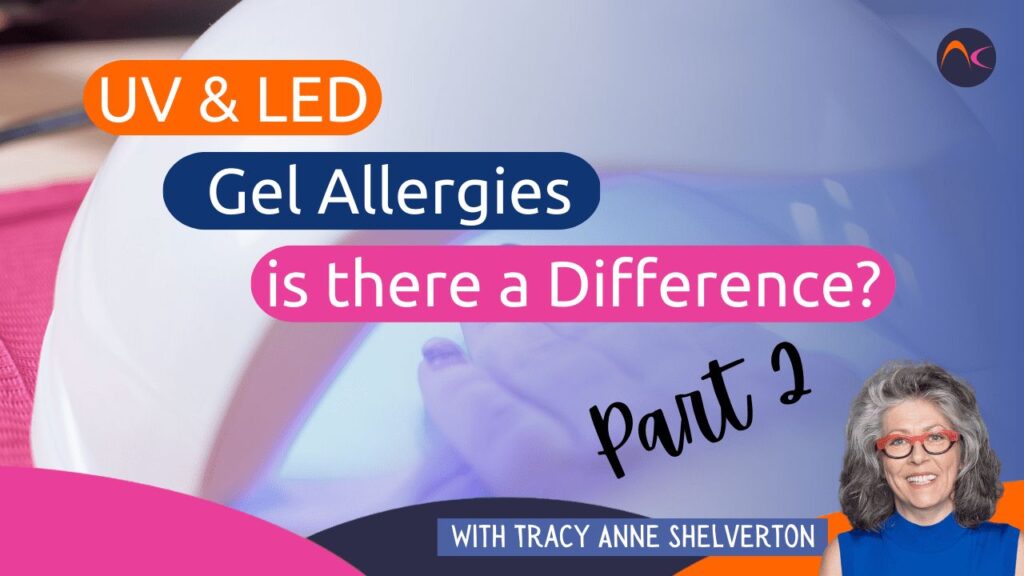
Las alergias al gel UV son una reacción alérgica a los químicos utilizados en los productos de gel para uñas curados con UV. Estos productos típicamente contienen una combinación de químicos, incluyendo monómeros, oligómeros y fotoiniciadores, que son activados por la energía UV en la luz UV para endurecer y curar el gel.


¿Qué es la energía UV?
La energía UV emitida por la luz UV se mide en nanómetros. Los nanómetros se utilizan para medir las longitudes de onda de la luz y las distancias entre los átomos en las moléculas y nuestros productos de gel UV, algunos fotoiniciadores se combinan con los nanómetros para ‘recibir’ la energía y esto inicia el proceso de curado de nuestro gel UV.
Es importante tener en cuenta que todos los productos para uñas etiquetados como “gel” se curan con luz ultravioleta, por lo que es importante revisar la etiqueta del producto o consultar con el fabricante para determinar el método de curado y aplicación.
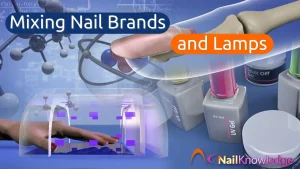
Es importante que la lámpara que usas para curar tu gel coincida con el gel que aplicas. Esto garantizará un curado adecuado de tu gel UV y ayudará a prevenir alergias. La empresa que te vende el producto debería poder responder todas tus preguntas antes y después de comprarlo. Si no pueden, quizás valga la pena buscar otro proveedor.
Cómo reconocer una reacción alérgica
Las reacciones alérgicas a los alérgenos en los geles curados con UV pueden variar desde irritación leve hasta síntomas más severos, como enrojecimiento, picazón, hinchazón o ampollas. En algunos casos, la reacción puede retrasarse y aparecer varias horas o días después de la exposición inicial al gel (algunas reacciones pueden tardar años en manifestarse, una alergia podría desarrollarse durante un largo período de tiempo). Si notas alguno de estos síntomas en cualquier momento, retira todo el producto y cuida de recuperar tus uñas y piel con un buen aceite y loción.
Para prevenir alergias al gel UV en el salón o centro de formación, se recomienda tomar ciertas precauciones, como usar guantes durante la aplicación y el retiro, buena ventilación, evitar el contacto de la piel con el gel tanto como sea posible y usar solo productos de alta calidad y reputación que hayan sido probados y certificados para seguridad, dejando intactas todas las capas de piel alrededor de la unidad ungueal.
La exposición repetida a estos químicos (sin curar o curados incorrectamente) también puede aumentar el riesgo de desarrollar una alergia con el tiempo. Tenga en cuenta que también es posible sufrir una ‘alergia aguda’, especialmente si ha reaccionado previamente a otro alérgeno.
Nuestra piel y las alergias
Nuestros sellos protectores nos protegen no solo de patógenos, sino también de químicos que pueden estar o no en nuestra piel y nuestra piel es nuestro propio filtro de radiación UV ‘incorporado’, eliminar cualquiera de las capas de tu piel durante un servicio de salón podría aumentar la posibilidad de desarrollar cáncer de piel.
Nosotros no recomendar autoinoculación del producto en una pequeña área de la piel, deje eso a los expertos y evite usar un producto similar con protección UV si aparecen signos de irritación o alergia hasta que sepa con certeza qué ingrediente y/o alérgeno causó la reacción en primer lugar. Es mucho más fácil encontrar un producto que pueda usar cuando se sabe qué causó el problema.
¿Qué hacer si se sospecha una reacción alérgica a un gel UV?
Si sospechas que tienes una alergia a los geles UV, es importante informar a la marca y a la empresa de donde lo compraste y buscar atención médica para un diagnóstico y tratamiento adecuados antes de cambiar a otro producto, esto evitará futuras reacciones alérgicas y mantendrá seguros a ti y a tus clientes en el salón.
Nota: Casi todos los geles UV han sido reemplazados por geles LED, pero todavía existen cantidades significativas de geles UV hoy en día, especialmente en los kits ‘caseros’.
¿Por qué no revisa la PARTE 2 de este artículo sobre Gel UV y LED abajo.