Onicofagia
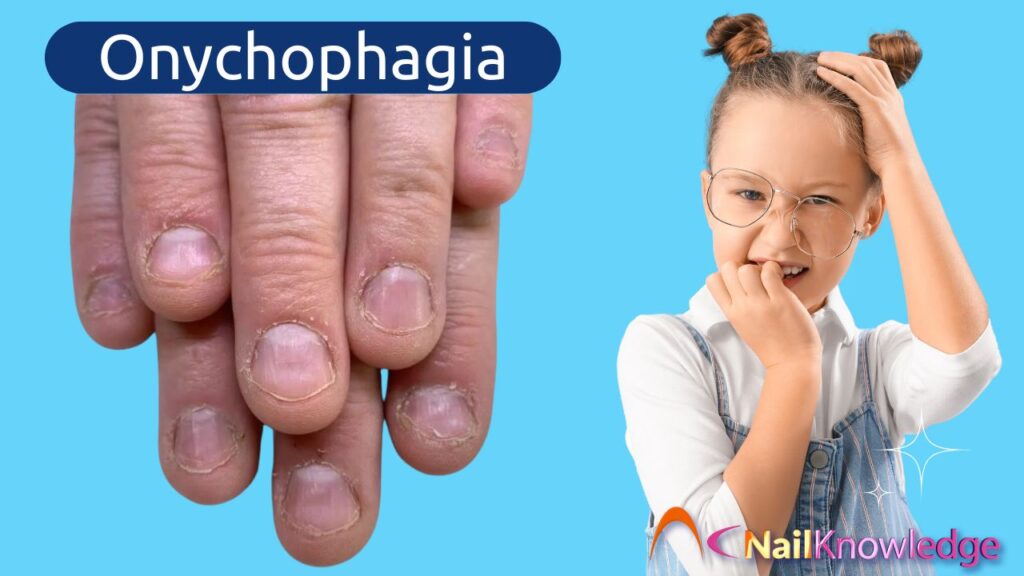
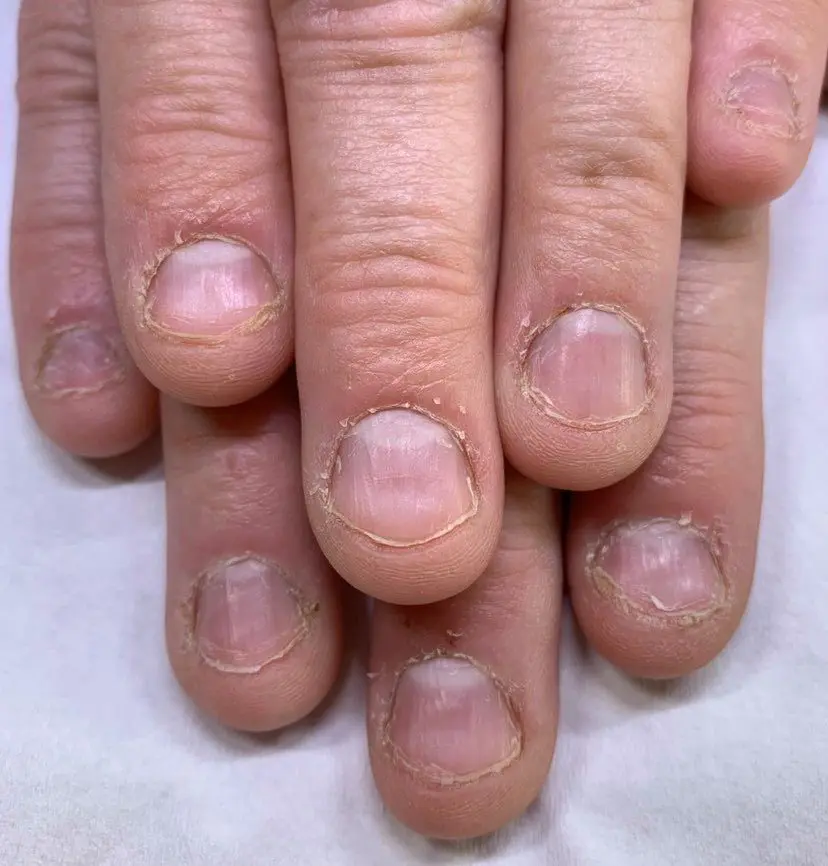
Onicofagia (pronuncia-se on-i-ko-FAY-jee-ah) is the medical term for chronic nail biting — a body‑focused repetitive behaviour (BFRB) that involves chewing the fingernails, toenails, and sometimes the surrounding skin. While occasional nail biting is common and often harmless, onychophagia refers to a persistent habit that can lead to physical damage and emotional distress.
How Onychophagia Is Classified
- Medical Category: Impulse control disorder / BFRB
- Related Conditions: Onychotillomania (compulsive nail picking), dermatophagia (skin biting), trichotillomania (hair pulling)
- Diagnostic Context: Recognised in the Diagnostic and Statistical Manual of Mental Disorders (DSM‑5) under Other Specified Obsessive–Compulsive and Related Disorders
Causes and Triggers of Onychophagia (Chronic Nail Biting)
Onychophagia can develop at any age but often begins in childhood.
Common contributing factors include:
- Psychological triggers: Stress, anxiety, boredom, or perfectionism
- Learned behaviour: Observing roer unhas in parents, siblings, or peers
- Neurodevelopmental links: Higher prevalence in individuals with ADHD, OCD, or anxiety disorders
- Sensory reinforcement: The physical sensation of biting may provide temporary comfort or relief

Health Risks and Complications of Onychophagia
Persistent onychophagia can result in:
- Nail plate deformation and slowed growth
- Damage to cuticles and periungual skin
- Painful hangnails and inflammation
- Increased risk of bacterial, viral, or infecções fúngicas
- Dental damage including chipped teeth and enamel wear
- Transfer of pathogens from fingers to mouth, potentially causing illness
Management and Treatment
Breaking the cycle of onychophagia often requires a combination of strategies:
- Behavioural interventions: Habit Reversal Training (HRT) and stimulus control
- Stress management: Mindfulness, relaxation exercises, or therapy to address underlying anxiety
- Physical deterrents: Bitter‑tasting nail coatings, gloves, or adhesive nail covers
- Professional nail care: Regular manicures to protect nails and encourage maintenance
- Medical or psychological support: For severe or compulsive cases, referral to a GP, dermatologist, or mental health professional
Prognosis
With consistent management, most people can significantly reduce or eliminate the habit. However, relapse is common, especially during periods of stress. Ongoing self‑monitoring and maintenance strategies are recommended.
See also: