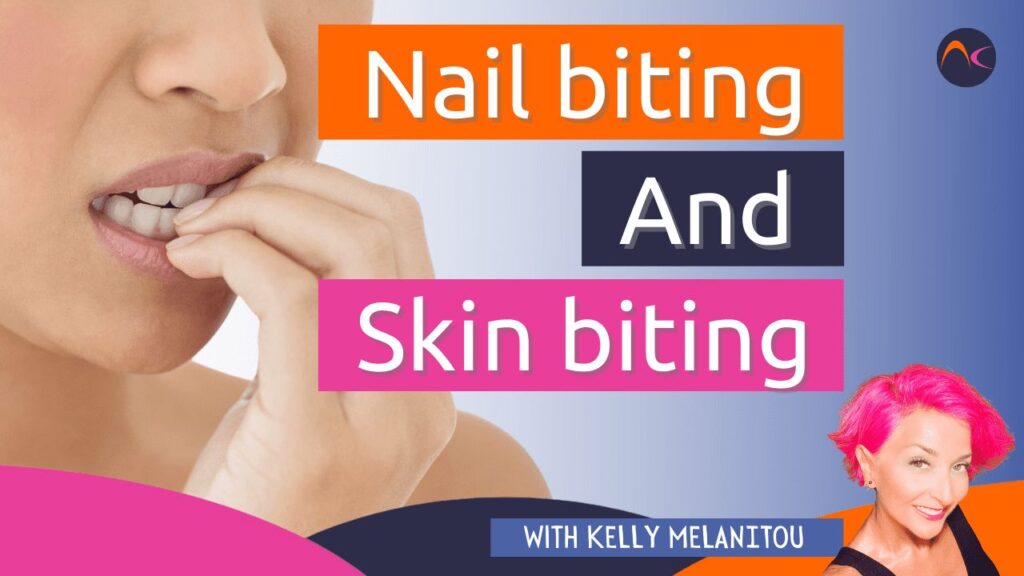
As nail professionals, one of the most common types of “problem nails” we encounter is the bitten ones. Nail biting and skin biting typically begin in childhood and usually accelerate during adolescence. They then become a habit that can be difficult to manage. But why does someone develop this habit, to begin with? How harmful is it? And how can we help?
Entendendo o hábito de roer as unhas: From Childhood Habit to Lifelong Challenge (Do hábito infantil ao desafio para toda a vida)
Embora muitas pessoas consigam superar o hábito de roer as unhas (inclusive eu!), para outras isso se torna um hábito para toda a vida. Geralmente, começa como um hábito nervoso, possivelmente um esforço para encontrar alívio temporário para o estresse e a ansiedade. Roer as unhas pode se tornar um hábito que ocorre quando alguém se sente nervoso, impaciente, frustrado ou entediado. Também pode ser uma atividade distraída quando se está concentrado em outra coisa, como resolver um problema. Às vezes, embora não com muita frequência, roer as unhas pode ser um sintoma de problemas de saúde mental, como TOC, TDAH, TDM etc.
A very common progression from nail biting (also called onychophagia) is skin picking and skin biting (periononychophagia). These can severely and drastically change the look of someone’s nails and fingers, and lead to viral infections such as paroníquia since the skin is broken. In some cases, the nails and fingers can become severely deformed after years of nail and skin biting. Also, if there is a mental health condition behind this habit, it can evolve to dermatophagia, which is a compulsion disorder of gnawing or biting someone’s skin.
Efeitos colaterais comuns de roer as unhas e a pele
Os efeitos colaterais comuns do hábito de roer as unhas e a pele são:
- Dor
- Fungal infection of the nail and surrounding skin
- Inchaço ou dor ao redor das unhas
- Onicólise
- Doenças bucais
- Illnesses due to pathogens transferred from fingers to mouth (from intestinal infections to common flu)
- Danos aos dentes, como lascas
No entanto, isso também pode ter um impacto social, pois muitos roedores de unhas sentem vergonha da aparência de seus dedos, o que faz com que mantenham as mãos nos bolsos, evitem apertos de mão e se retraiam socialmente.
Há muitas medidas que um roedor de unhas pode tomar para interromper esse hábito:
- Evite fatores que desencadeiam o hábito de roer as unhas, como excesso de estimulação ou estresse
- Tome medidas para controlar o estresse e a ansiedade
- Mantenha suas mãos ocupadas com algo como um dispositivo fidget, uma bola antiestresse, miçangas, etc.
- Use a bitter nail polish, specifically designed for nail biters
- Terapia cognitivo-comportamental ou treinamento de reversão de hábitos
- Visite um salão de beleza com frequência
Thankfully, nail professionals can really help with this by transforming the look of a nail biter’s nails and fingers with manicures and enhancements.
A good manicure will remove any unhas de suspensão e pele dura e suavizar as bordas irregulares, tornando menos tentador mordê-las. Além disso, gastar o dinheiro e saber que alguém verificará suas unhas em breve pode evitar que um roedor de unhas continue com esse hábito.
Promoção do programa Unhas Saudáveis no salão de beleza
Nail enhancements, besides the fact that they are not that easy to bite, can really transform the look of a nail biter’s nails and hands. They provide a hard, protective coating that makes the nails look prettier, which can make the nail biter think twice before putting them in their mouth. If nail art is added, it can be even more effective for children and young adults.
My preferred approach is to create an anti-nail-biting program at the salon. This can include manicures, spa and paraffin treatments, home care products, and eventually enhancements, to help your clients quit this unhealthy habit. I can guarantee you they will be grateful, and you will have a loyal client with frequent appointments!
Leia mais em nosso Roer as unhas artigo