Entendendo a descamação da borda livre: Por que a parte superior de suas unhas sempre parece descascar primeiro
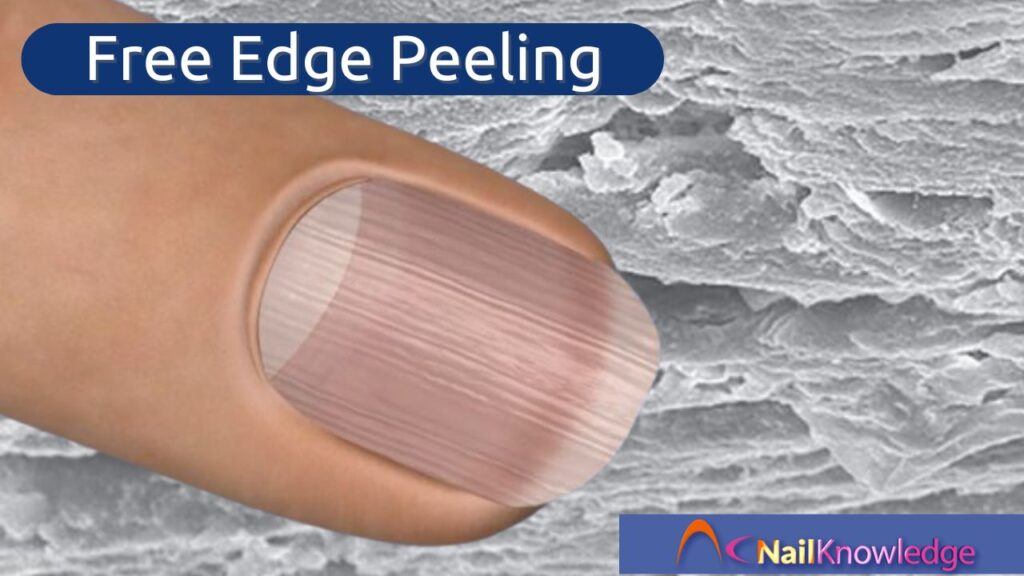
Você já notou que suas unhas parecem descascar da pele? superior side of the free edge, rather than the underside? It’s one of those beauty quirks that might seem random or just plain annoying, but it turns out, there’s a fascinating biological reason behind it. The phenomenon of free edge peeling is deeply rooted in the natural growth pattern of your nail plate, and once you understand what’s happening beneath the surface, it all starts to make a lot more sense.
Let’s take a deeper look at why this happens, what your nails are trying to tell you, and what you can do to keep those tips strong and intact.
The Nail Plate’s Journey: How Nail Cells Grow and Travel
To understand free edge peeling, we have to begin at the source, the nail matrix. This is the root zone where all nail cells are born. Now, not all nail cells take the same path as they mature and move forward. Think of the nail matrix as a factory with two main production lines: one at the back (called the dorsal matrix) and one near the front (a lúnula(a área pálida, em forma de meia-lua, que às vezes pode ser vista perto da base da unha).
Here’s where things get interesting. The nail cells that form on the top surface of your nail plate come from that dorsal matrix at the back. They have to travel a longer journey, roughly 50 to 60 days, just to reach the front edge of the lunula. That’s almost two months of aging, hardening, compacting, and being shaped into a protective shield as they slowly move forward.

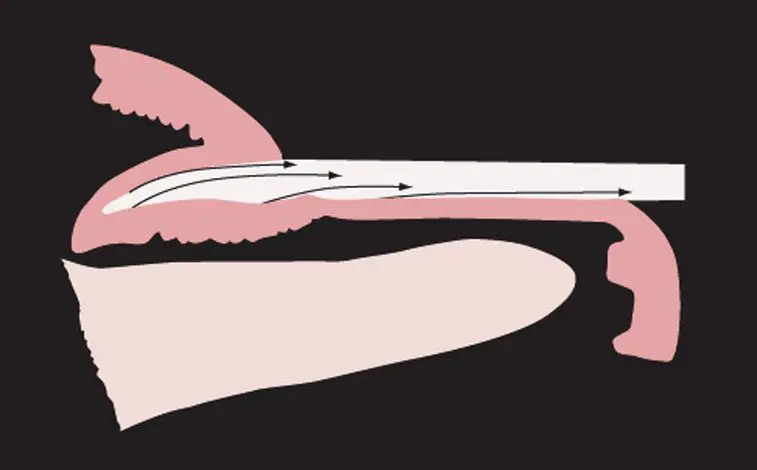
In contrast, the nail cells underneath—the ones that make up the underside of your nail plate, come from the lunula, right at the front of the matrix. These cells are much newer and exposed to the outside world for a far shorter time.
Então, o que isso significa para o peeling?
Por que a borda livre se desprende da parte superior
Here’s the deal: since the top layers of your nail have been around the longest, they’re older, more compacted, and harder. But despite their toughness, they’ve also had more time to be affected by the environment, think water, air, sunlight, detergents, polish removers, and all the physical stress your hands go through daily. The free edge peeling we see is often the result of these old, hardened cells on the top finally giving way.
It’s a bit like the shingles on a roof, they’re built to endure a lot, but over time, wear and tear eventually cause some to lift or crack. Meanwhile, the underside of the nail, being newer and less exposed, generally stays intact longer. Plus, it gets less of that day-to-day abuse, fewer chemicals, less friction, and less sunlight.
It’s this difference in cell age and exposure that explains why free edge peeling happens from the top down.
O papel do eponíquio e das dobras das unhas
Now, while we’re discussing nail anatomy, let’s not forget the eponychium, the living tissue that gives rise to the cuticle. Though once thought to be thick and robust, modern research shows it’s only about 0.1 to 0.15mm thick. This thin layer protects the nail matrix and contributes to cuticle development.
Por que isso é importante no contexto do peeling? Porque danificar o eponíquio or the proximal nail fold (PNF), that little “flap” of skin at the base of your nail, can actually disrupt healthy nail growth. Over-cutting or picking at this area (a common habit or salon misstep) can cause trauma to the matrix, impacting the quality of the nail plate as it forms.
Quando a matriz da unha está estressada ou lesionada, ela pode produzir camadas mais fracas ou irregulares na placa ungueal, preparando o terreno para a descamação da borda livre mais tarde.
Então, o que você pode fazer a respeito?
Aqui estão algumas dicas práticas para ajudar a reduzir ou evitar o descascamento na borda livre:
- Hidratação diária: Nail plates are made of keratin, like your hair, and they need hydration. Oils like jojoba or vitamin E can penetrate the nail surface and keep it flexible.
- Avoid overexposure to water: A repetição de umedecimento e secagem enfraquece as camadas de queratina. Use luvas ao limpar ou lavar a louça.
- Seja gentil com suas ferramentas: Don’t use your nails as tools for scraping or prying. That stress adds up over time.
- Ignorar o arquivamento grosseiro: Use a fine-grit lixa de unha e sempre lixe em uma direção. O lixamento agressivo para frente e para trás desgasta as camadas superiores, acelerando a descamação.
- Don’t pick at polish or gels: When you peel polish or gel off, you’re often taking the top layer of the nail with it, literally causing free edge peeling yourself.
Entendimento significa capacitação
At the end of the day, your nails are telling a story. That little bit of peeling at the tip isn’t just cosmetic, it’s the visible result of weeks of cell movement, environmental exposure, and possibly a few habits that need rethinking. Now that you know the science behind free edge peeling, you can treat your nails with a bit more intention and care.
And remember: strong, healthy nails don’t come from quick fixes. They grow from the inside out, slowly and steadily, like the nail cells themselves, on their quiet two-month journey from matrix to free edge.
So maybe next time you spot a little flaking at the tip, you won’t groan. Instead, you’ll smile and think, “Ah, so that’s what two months of wear looks like.”