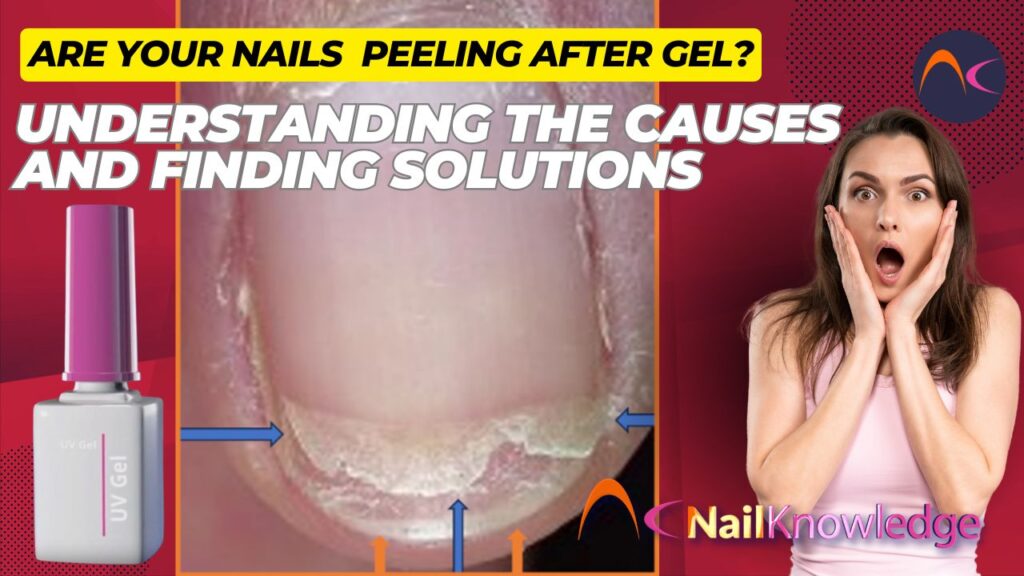
If you’ve had gel nails applied and within a week they’ve started to lift, only to leave your natural nails peeling off in layers, you’re not alone. A question that comes up all the time is: “Why are my nails peeling off after gel, even though I’m using nail repair products?” It’s not only frustrating but also painful and confusing. Let’s explore the real reasons behind this common problem and the best ways to deal with it, based on science, not just salon gossip.
Understanding Nails Peeling Off After Gel
When nails start to peel or flake after gel polish, it’s usually a case of nail plate delamination where the top layers of your nail separate. This happens when the structural bonds within the nail are compromised. While it might look like a product failure, in most cases, it’s a result of how the gel manicure was applied, maintained, or removed.
The good news? It’s a repairable condition with the right care and approach.
What Causes Peeling After Gel Nails?
Let’s take a look at some of the most common culprits:
Over-filing during prep
If the nail technician files too much of your natural nail to help the gel stick, the nail plate becomes thinner and weaker. This makes it prone to splitting and peeling.
Peeling or picking off gel polish
This is one of the most damaging habits. Gel polish bonds tightly to the nail surface, and if you peel it off manually, you’re often taking off layers of your nail plate with it.
Aggressive removal techniques
Long acetone soaks, scraping with metal tools, or over-buffing can cause the surface of the nail to break down, leading to brittleness and peeling.
Chemical dehydration
Soaking in solvents like acetone or non-acetone removers (especially more than twice a month) can remove surface oils and temporarily take away some surface moisture, which can make the nail look “dry.” This isn’t true dehydration, just a short-term surface effect. When that happens, any damage already in the nail plate will look worse. If the nail has been weakened by filing, trauma, or previous peeling, repeated soaking can make it less flexible and more likely to peel, crack, or split.
Pre-existing nail weaknesses
Sometimes gel polish masks problems that are already there. Once the coating is removed, underlying issues like thinness, ridges, or brittleness become apparent and the nails start to flake.
Is It Just Delamination or Something More?
There are different types of nail peeling. The most common, superficial delamination, is usually caused by trauma or environmental stress (like water exposure or chemicals). However, in more persistent or severe cases, nail peeling could be a sign of an underlying condition such as onychoschizis (a deeper form of delamination often linked to psoriasis), or fungal infections.
To get a deeper understanding of the biological causes of nail peeling, visit this science-backed article on peeling and flaking nails. It outlines everything from environmental damage to medical causes like thyroid imbalances and nutrient deficiencies.
How to Heal Peeling Nails After Gel
Recovery takes time, typically around 3 to 6 months, depending on how much of the nail plate was damaged. But you can support the process with consistent care.

1. Take a break from coatings
Avoid all polishes, gels, and artificial enhancements for at least a few months. Anything that requires filing or acetone will just slow healing.
2. Use nail oil religiously
Apply cuticle oil 2 to 3 times a day. Look for ingredients like jojoba oil or vitamin E. These help to rehydrate and rebond the nail layers naturally.
3. Protect your nails
Keep them trimmed to prevent catching, and wear gloves when cleaning or washing dishes. Water exposure can cause the nails to swell and then crack when they dry again.
4. Moisturise after washing
Use a hand cream or lotion that includes humectants like urea or glycerin, which draw moisture into the skin and nails.
5. Be patient with repair products
Products like OPI Repair Mode can help, but they need to be part of a broader care routine. They work best when used alongside oils and physical protection, not as a standalone solution.
How to Prevent It Next Time
Once your nails are healthy again, you might want to go back to gel, and that’s fine, as long as you take a few precautions:
- Ask your nail tech to skip aggressive buffing and only do what’s necessary for adhesion
- Ensure correct soak-off removal (no picking or scraping)
- Take a break from gels every few months to allow your nails to recover naturally
- Continue using oil and moisturiser, even when your nails are coated
When to See a Specialist
If your nails don’t improve after a couple of months, or if you notice signs of infection (like discolouration, odour, or thickening), it’s worth seeing a dermatologist or a qualified hand specialist. Conditions like eczema, fungal infections, or nutrient deficiencies may be at play, and they need a more targeted approach.
Considerações finais
Having nails peeling off after gel can be disheartening, especially when you’re doing your best to look after them. But the key lies in understanding the root cause, not just treating the symptoms. Whether it’s poor removal techniques, dehydration, or an underlying condition, knowing what’s going on allows you to respond effectively.
Remember: healthy nails aren’t just about the polish. They’re about daily habits, protection, and science-backed care. With the right approach, and a bit of patience, you’ll be back to strong, resilient nails that can handle whatever look you’re after.
And if you want to go deeper into the biology and advanced causes of nail peeling, make sure to read this in-depth expert blog on why nails peel and flake. It’s packed with insights from nail science professionals and offers a more complete picture for anyone serious about nail health.