A mídia social está promovendo a Lâmpada UV Nail artigos de segurança
Está circulando um relatório que questiona a segurança das lâmpadas UV! Ele sugere alguns resultados bastante horríveis. As mídias sociais e vários sites de notícias estão se interessando pelo assunto e criando seus próprios artigos para distribuição.
Original Article – Comunicações da Natureza
Artigo do Yahoo Life
Dail Mail – Artigo de jornal on-line
O NailKnowledge recebeu várias consultas solicitando comentários. Para isso, Doug Schoon abordou esse relatório e questionou todos os detalhes.
Doug Schoon Responder
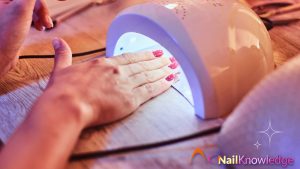
Infelizmente, a cada poucos anos, alguém decide atacar injustamente as lâmpadas UV para unhas. Isso parece ter acontecido mais uma vez. O novo estudo em Nature Communications*, “DNA damage and somatic mutations in mammalian cells after irradiation with a nail polish dryer”, is nothing more than a biased and unfair attack. Why do I say this? This study does not look at the safety of UV nail lamps as used in nail salons… not at all! Rather, this is an unfair attempt to make all UV nail lamps appear to be very dangerous. How so?
The study authors did not choose the most widely used, or even commonly used UV nail lamps. Instead, they tested only ONE lamp- the highest wattage UV nail lamp on the market, a lamp that is rarely used by the nail industry. The seller claims this lamp is 50% faster than traditional
lâmpadas de pregos. Por que eles usaram apenas essa lâmpada? Parece que eles estão tentando obter o pior resultado possível, quando o objetivo deveria ter sido entender a segurança das lâmpadas UV para unhas.
- Ensuring they get a scary result, they incorrectly used this lamp- exposing their samples to 20 minutes of continuous exposure. That’s right, they used an unrealistic lamp and exposed the tissue for an unrealistic length of time! To make matters worse, they repeated this unrealistic test with two more consecutive 20-minute exposures for a total of 60 minutes over three days. This is an irresponsible way to do scientific experiments. Tricksters often use shoddy scientific experiments to fool the public, so this is not new. They picked conditions that will give them the results they want. That’s silly science. These researchers know that the nail is typically exposed to 1-minute exposures, yet they tested 20 minutes- when no client should ever place their hand in any UV nail lamp for this long.
- The article claims to have tested exposure levels between 0 and 20 minutes, but the researchers only report the results of 20 minutes. I can guarantee that the results would be MUCH different if they used three 1-minute exposures. Why would they not test realistic exposures? It appears their agenda is to make all UV nail lamps look dangerous. If so, they should be ashamed of the needless fear they’ve created.
Por mais de 20 anos, milhões de pessoas têm usado regularmente essas lâmpadas, portanto, elas têm um LONGO histórico de uso seguro. Em resumo, a maior parte das evidências científicas demonstra que as lâmpadas UV para unhas são seguras, quando usadas adequadamente.
Note that the authors state, “this does NOT provide direct evidence for an increased cancer risk in humans,” yet they appear to be promoting an exaggerated cancer risk to the media in their interviews. That raises the question, what is their true intention? All this study really demonstrates is that nail technicians should not use 54-watt UV nail lamps and expose their client’s skin for 20 continuous minutes. No surprise there. What’s really sad is when researchers use scientific studies to deceive the public and dupe the news media, when instead science is supposed to enlighten us with new and useful knowledge.
Em resumo, a maior parte das evidências científicas continua a demonstrar que as lâmpadas UV para unhas são seguras quando usadas adequadamente.