• Bỏ qua primary navigation
  • Bỏ qua nội dung chính
  • Bỏ qua footer
Kiến thức về móng tay

Kiến thức về móng tay

  • Các khóa học
  • MyNailEra
  • Sách điện tử miễn phí
  • Cơ sở tri thức
    • Cơ sở tri thức
    • Hỏi các chuyên gia
    • Thuật ngữ
  • Tin tức
  • Blog
  • Đăng nhập

Lưu trữ choTháng 9 14, 2023

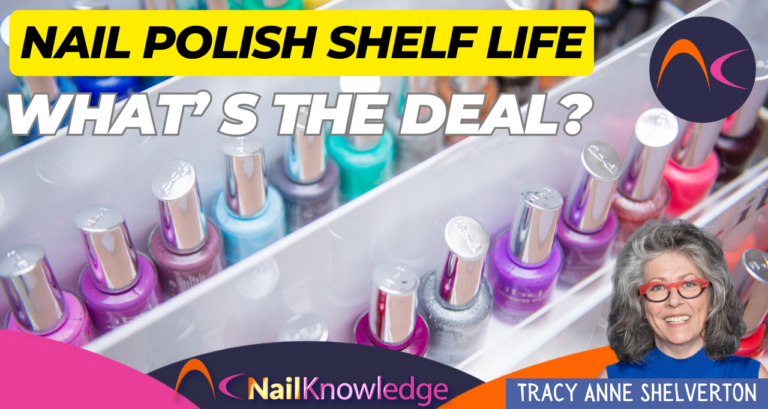
Thời hạn sử dụng của sơn móng tay: Có vấn đề gì không?

Ever wondered about the shelf life of your beloved nail polish? It’s not just about picking your favourite colour; it’s about making that colour last. So, let’s dive into the world of nail polish longevity.

The Basics of Nail Polish Shelf Life

Picture this: you’ve got an unopened bottle of nail polish sitting pretty on your shelf. That bad boy can last for a solid 2 to 3 years, and even longer if you treat it right. Keep it snug in a cool, dark place with the cap firmly sealed, and you’re golden.

But what happens when you pop that bottle open? Well, hang on to your nail files; things get a bit trickier.

Unveiling the Mysteries of Normal Nail Polish

Now, let’s talk about regular nail polish. The quality makes all the difference. Splurging on top-notch brands can give you a longer-lasting mani. Cheap knockoffs? Not so much. They might start fading faster than yesterday’s news.

Oh, and here’s a fun fact: thinning out your normal polish continuously won’t make it last forever. In fact, it might just cost you clients. We’ll get to that in a sec.

UV Gel Polish: The Hero of Longevity

Enter UV gel polish, the hero of long-lasting nails. This stuff can go weeks without chipping or fading if you treat it right. The secret sauce? UV or LED light. It’s like the superhero cape that hardens and sets this polish to perfection.

Signs Your Polish Is on Its Last Leg

So, how do you know when your nail polish has seen better days?

1. Thickening: If your polish has turned into a gooey mess, it’s time to say goodbye.
2. Separation: When you see layers forming, it’s like a relationship gone wrong. Time to break up with that polish.
3. Clumping: Clumpy polish is like trying to spread cold butter on toast – not pretty.
4. Weird Odor: If it smells funny, trust your nose; it’s a no-go.

Did You Know That Nail Polish is Thixotropic

If you’re like me and enjoy painting your nails in all sorts of fabulous colors, you might be surprised to learn that your favorite nail polish has a pretty cool property – it’s thixotropic. But wait, what in the world does “thixotropic” even mean? Don’t worry; I’ve got the scoop for you.

What’s Thixotropy, Anyway?

Okay, let’s break it down. Thixotropy is a mouthful, but it’s actually a simple concept. It’s all about how some substances can change their viscosity, or how thick and runny they are, when they’re agitated or stressed.

Imagine your nail polish as a thick, gooey substance sitting calmly in its bottle. When you dip your brush in and start applying it to your nails, you’re agitating it. Suddenly, it becomes more liquid and easier to spread. That’s thixotropy in action!

The Magic of Nail Polish

So, why does nail polish behave this way? It’s because of its unique formula. Nail polish consists of various components, including pigments, solvents, and resins. These components work together to give you that gorgeous, colorful finish.

The solvents in nail polish are responsible for its thixotropic behavior. They help keep the polish in a liquid state in the bottle. When you apply it to your nails, the agitation from brushing it on causes the solvents to evaporate quickly, leaving behind the color and resin that sticks to your nails.

Why Does Thixotropy Matter?

Understanding thixotropy is essential for both nail polish manufacturers and us nail aficionados. For manufacturers, it’s about creating a product that’s easy to apply but stays put once it’s on your nails. The thixotropic nature of nail polish strikes that balance perfectly.

For us, it means we can enjoy smoother, streak-free application. The polish spreads easily when we apply it but doesn’t drip all over the place. Plus, it dries relatively quickly, so we can get back to our daily activities without worrying about smudging.

Tips for Perfect Nail Polish Shelf Life

Now that you know your nail polish’s secret superpower, here are a few tips to make the most of it:

1. Store It Properly: Keep your nail polish tightly sealed and away from extreme temperatures to maintain its thixotropic properties.
2. Roll, Don’t Shake: Instead of shaking your nail polish bottle vigorously, roll it between your hands. This helps mix the ingredients without introducing air bubbles.
3. Thin It Out: If your polish thickens over time, use a nail polish thinner to restore its consistency.
4. Be Patient: Allow each coat to dry before applying the next one. Thixotropy helps with quicker drying, but you still need a little patience.

In a Nutshell

Wrapping it up, understanding nail polish shelf life is a game-changer. Your manicures will thank you for it. Remember, it’s not just about the color; it’s about the quality and care you give to your polish. And don’t forget, thinning normal polish isn’t a magic fix; it might just thin out your client list.

Now, let’s address some FAQs!

1. Làm nail polish expire?

Yes, nail polish can indeed expire. Just like other cosmetic products, nail polish has a shelf life. Over time, certain ingredients in nail polish can break down, causing changes in texture, color, and application. Expired nail polish may become thick, clumpy, or develop an unusual odor. To ensure the best results and prevent potential issues, it’s advisable to replace nail polish that has passed its expiration date. Proper storage, such as keeping the cap tightly sealed and storing in a cool, dark place, can help extend its shelf life.

2. How do I make my nail polish last longer?

Seal it tight, keep it cool, and don’t expose it to too much air. Your polish will thank you.

3. Can I save thickened polish?

Yep, you can! Nail polish thinner to the rescue. Just don’t overdo it.

4. How can I remove my nail polish, is acetone fre better?

Use acetone or a remover with acetone, put a little on a lint free pad, hold it down for 30 seconds, then your nail polish will come off with ease.

5. Can I mix nail polish brands?

Sure, you can, but be cautious. Some combos might not play nice together.

6. Any eco-friendly nail polish options?

Absolutely! Many brands are going green, just be aware, too green is not good, chemicals need to be in your nail polish, its the nature of the beast, but its an added bonus if the company making the polish are doing everything they can to save the plant in the process – sun pannels for energy, electricity from wind turbines – recyleable packaging etc so you can have fabulous nails without harming the planet.

So, there you have it, folks! Nail polish shelf life – demystified. Now, go forth and rock those fabulous nails! 💅


Thuộc chủ đề:Sữa dưỡng, Thuốc và Chất đánh bóng, Hóa học sản phẩm

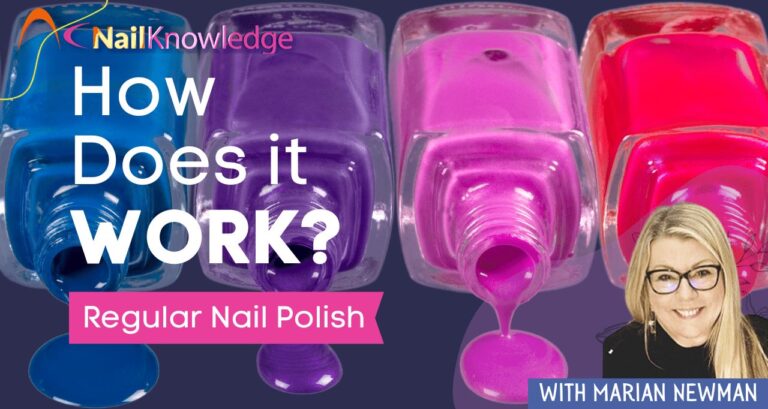
Khoa học đằng sau sơn móng tay thông thường: Nó hoạt động như thế nào?

In this enlightening journey, we will unravel the captivating world of nail polish and how it works, diving deep into its composition, application techniques, and the mesmerising process of drying. We’ll decode the essential ingredients that transform liquid polish into a glossy masterpiece and understand the factors that influence its longevity.

What is Nail Polish?

Nail polish, also known as nail varnish, nail enamel, or nail lacquer, is a cosmetic product specifically designed for painting and decorating the nails. It comes in a wide array of colors, finishes, and formulations, making it a versatile accessory for people of all ages and styles.

The Popularity of Nail Polish as a Cosmetic Product.

A History of Beauty and Self-Expression

Nail polish has a rich history dating back to ancient civilizations. It was used by the Egyptians, Chinese, and other cultures as a form of self-expression and a symbol of social status. Over time, nail polish has evolved from basic dyes to the vibrant, diverse range of colors we have today.

A Statement of Style

Today, nail polish is not just a cosmetic product; it’s a fashion statement. People use nail polish to express their personality, match their outfits, and follow seasonal trends. It’s an easy and affordable way to experiment with different looks.

The Influence of Pop Culture

The popularity of nail polish has been further amplified by pop culture, with celebrities and influencers frequently showcasing their nail art on social media platforms. Nail trends spread like wildfire, inspiring individuals to try out new designs and colors.

Nail Care and Health

Apart from aesthetics, nail polish has also played a role in nail care. Some nail polishes are fortified with ingredients that claim to promote nail strength and health, making them a dual-purpose product.

The Global Market

The global nail polish market continues to thrive, with countless brands offering a vast spectrum of colors and formulations. From classic reds and pinks to unconventional blues and metallics, there’s a nail polish for every preference.

Composition of Nail Polish

Each ingredient in nail polish plays a specific role in its formulation and performance. Here’s an overview of the role of each key ingredient:

1. Solvents:

   – Role: Solvents are volatile liquids that keep the nail polish in a liquid state inside the bottle but evaporate after application. The process is called air drying as opposed to UV gel polish that needs to be polymerised to ‘dry’ (proper name cure)

   – Function: They allow the nail polish to be easily spread on the nail’s surface during application.
   – Importance: Solvents enable the drying process by evaporating, leaving behind a solid, colored film on the nail.

2. Polymers:

   – Role: Polymers are responsible for forming a durable and glossy film on the nail as the polish dries.
   – Function: They provide the structure and strength to the nail polish, ensuring it adheres well to the nail’s surface.
   – Importance: Polymers contribute to the longevity of the nail polish and its resistance to chipping and peeling.

3. Pigments and Colorants:

   – Role: Pigments and colorants give nail polish its desired color and opacity.
   – Function: They provide the vibrant or subtle hues that enhance the appearance of the nails.
   – Importance: Pigments and colorants are crucial for creating the wide range of nail polish shades available in the market. Also, effects such as a summer or glitter.
– When applying a nail polish it is quite thick and hides any imperfections on the surface of the nail e.g. ridges. When the solvents have evaporated, it is much thinner and imperfections are noticeable. This is due to the pigments laying flat on each other without the bilk of the solvents.

4. Plasticisers:

   – Role: Plasticizers are additives that make the dried nail polish flexible and prevent it from becoming brittle.
   – Function: They maintain the polish’s flexibility and durability, allowing it to bend and move with the nail without cracking.
   – Importance: Plasticizers contribute to the overall quality and wearability of nail polish.

5. Film Formers:

   – Role: Film formers are responsible for creating a smooth and even layer of polish on the nail.
   – Function: They ensure that the polish dries into a solid, continuous film rather than leaving streaks or imperfections.
   – Importance: Film formers help achieve a polished and professional appearance on the nails.

6. Stabilisers and Additives:

   – Role: Stabilizers and other additives are included to enhance the shelf life, consistency, and application properties of nail polish.
   – Function: They help maintain the product’s quality, prevent separation or clumping, and improve application.
   – Importance: These ingredients ensure that the nail polish remains in good condition over time and is easy to use.

7. UV Inhibitors

   – Role: Some nail polishes may include UV inhibitors to protect the color from fading or changing when exposed to sunlight.
   – Function: UV inhibitors help preserve the polish’s color integrity, especially in bright or sunny conditions.
   – Importance: These ingredients are more common in nail polishes with vibrant or light-sensitive colors.

Understanding the role of each ingredient in nail polish can help users make informed choices and select products that meet their specific preferences and needs.

Preparing your Nails

      1. Nail cleaning and removal of old polish. The nail plate must be perfectly clean and free from oils, creams and the skin of the cuticle for the polish to anger. Without this level of cleanliness the polish will chip or peel off
      2. Using a base coat for better adhesion. A specific base coat is always recommended as this is formulated to adhere to a nail plate it is usually thinner in viscosity so it will very slightly penetrate the upper layers of the nail for a good anchor.

How to Apply Nail Polish Effectively

1. Thin, even coats.
2. Three thin coats is better than one thick one. It will dry faster and have better longevity.
3. Using a good nail oil after finishing will help it dry.
4. There is no need to wait for layers to dry as the solvents in the next coat will just make it wet again.

Why Multiple Coats are Necessary for Color Intensity

The first coat may look streaky but more thin coats will give an even and intense colour coating.

The Drying Process

Have you ever wondered how that freshly applied nail polish miraculously transforms into a stunning, glossy finish?

Let’s demystify the enchanting drying process. First, it all begins with the evaporation of solvents, those volatile liquids that allow the polish to glide smoothly onto your nails during application. As these solvents gracefully evaporate, they pave the way for the next captivating step: the formation of a solid film. This film not only adds durability but also gives your nails that flawless, polished look. And here’s the artistic touch – as the pigments within the polish settle, they flatten and meld together, creating a sleek, thin plastic film that enhances the color’s vibrancy and ensures your nail art remains nothing short of mesmerising.

How drying time can vary based on factors like humidity

The rate of evaporation of the solvents will affect the drying time. A warm atmosphere will speed it up (and sometimes make it difficult to paint as it is drying too quickly). Colder will slow down the evaporation and different brands have very different drying times. But slow can be good as a fast drying time can result in a brittle coating.

Topcoats for Shine and Protection

The role of clear topcoats:

1. Sealing the color.
2. Preventing chipping.
3. Top coats are usually harder wearing than colour coats so will help with longevity
4. Some modern top coats have a small amount of UV cured polymers so they become tougher over time with exposure to daylight.

It is often worth applying an additional top coat a few days after the first. It will brighten up the colour and toughen up the coating.

Maintenance and Longevity

Tips for extending the life of your nail polish:

1. Avoiding activities that may damage your nails.
2. Regular touch-ups.
3 Another top coat
4. Avoid soaking in water
5 Apply a good nail oil every day

Factors affecting the longevity of nail polish:

1. Quality of the product.
2. Application technique. e.g too thick

Advantages and Disadvantages of Regular Nail Polish

Regular nail polish is relatively easy to apply and remove, making it a popular choice for at-home and salon manicures. However, it may not last as long as other nail enhancements like gel or acrylic nails, so you may need to touch up your nail polish periodically to maintain the desired look. Additionally, the longevity of regular nail polish can vary depending on factors such as the quality of the product and how well it’s applied and cared for.

   A. Pros:
1. Easy to apply and remove.
2. Wide variety of colors and shades.

   B. Cons:
1. May not last as long as other nail enhancements.
2. Potential for chipping.

Những câu hỏi thường gặp (FAQ)

1. Why might regular nail polish not last as long as other nail enhancements?

Regular nail polish, while versatile and easy to apply, may not have the same durability as other nail enhancements like gel or acrylic nails. The reason lies in its formulation, as it lacks the robust structure and adhesion properties of these enhancements, which are designed for extended wear. However, with proper care and maintenance, you can still enjoy a stunning manicure with regular nail polish.

2. What causes the potential for chipping in regular nail polish?

Chipping in regular nail polish can occur due to various factors. One common cause is everyday wear and tear, such as typing, household chores, or physical activities that subject your nails to impact. Additionally, the absence of the sturdy layers found in gel or acrylic nails makes regular polish more susceptible to chipping. However, following best practices during application and investing in top-quality products can help minimize this issue.

3. Are there any tips for extending the life of regular nail polish?

Yes, there are several tips for prolonging the life of your regular nail polish. Avoid activities that could damage your nails, such as using them to open packages or engage in rough tasks. Consider regular touch-ups to fill in any minor imperfections, and applying an additional top coat a few days after the initial application can refresh the color and enhance durability. Also, avoid soaking your nails in water for extended periods and apply a nourishing nail oil daily to keep your nails in optimal condition.

4. How can I choose the right regular nail polish for the best results?

Selecting the right regular nail polish involves considering factors like the quality of the product and your application technique. Invest in reputable brands known for their long-lasting formulas and vibrant color selections. When applying, remember that thinner, even coats are preferable to thick ones, as they dry faster and tend to have better longevity. Additionally, using a high-quality base and top coat specifically designed for regular nail polish can enhance both the application process and the overall results.

5. What is breathable polish? How do nails breathe?

Nails don’t breathe, they are non living modified skin cells. It is a marketing term that is used to demonstrate that the coating is permeable, which means that the tiny molecules of water and oxygen can pass through in both directions.


Thuộc chủ đề:Sữa dưỡng, Thuốc và Chất đánh bóng, Hóa học sản phẩm

Nâng cao kiến thức về làm móng

Tham gia bản tin của chúng tôi!
ĐĂNG KÝ...

Bản quyền © NailKnowledge

Kiến thức về móng tay

  • MyNailEra
  • Sách điện tử
  • Về chúng tôi
  • Các khóa học
  • Tin tức
  • Blog
  • Bản tin
  • Thuật ngữ

Chính sách

  • Trang riêng tư
  • Điều khoản và điều kiện
  • Chính sách Cookie

Ủng hộ

  • Liên hệ với chúng tôi
  • Gặp gỡ các chuyên gia
  • Hỏi các chuyên gia
  • Hỗ trợ hệ thống
  • Câu hỏi thường gặp
Vietnamese
Vietnamese
English Portuguese Spanish