• Bỏ qua primary navigation
  • Bỏ qua nội dung chính
  • Bỏ qua footer
Kiến thức về móng tay

Kiến thức về móng tay

  • Các khóa học
  • MyNailEra
  • Sách điện tử miễn phí
  • Cơ sở tri thức
    • Cơ sở tri thức
    • Hỏi các chuyên gia
    • Thuật ngữ
  • Tin tức
  • Blog
  • Đăng nhập

Chăm sóc bàn chân & Giải phẫu

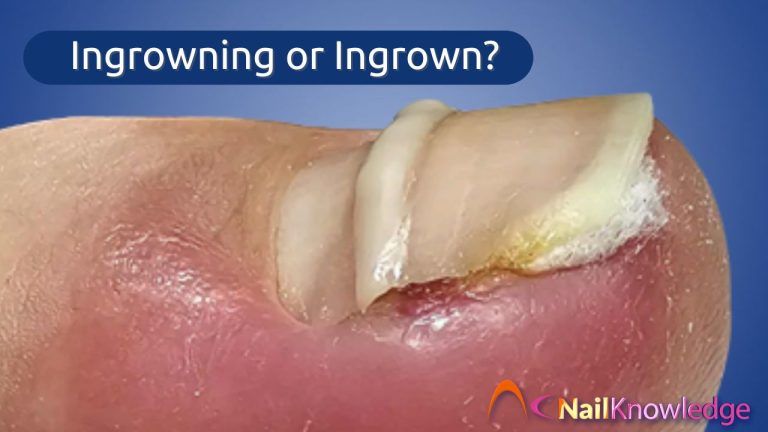
Móng chân mọc ngược – Nguyên nhân, triệu chứng và lời khuyên chăm sóc

Understanding an Ingrowing vs Ingrown Toenail

An ingrowing toenail occurs when the edge of the nail starts pressing into the surrounding skin.

An ingrown toenail happens when that edge pierces the skin, often leading to inflammation or infection.

Knowing the difference helps prevent the problem from becoming painful or infected.

Common Causes of an Ingrown Toenail

An ingrown toenail (or nail growing into the skin) can result from several factors, including:

  • Shoes that are too narrow or tight
  • Cutting nail corners too short or too round
  • Incorrect nail shape or trauma to the toe
  • Picking or tearing at the nail folds
  • Naturally curved or thick toenails
  • Misaligned toe position
  • Prolonged moisture around the toes

Regular maintenance and correct cutting techniques reduce your risk.

Signs and Symptoms of Ingrown or Ingrowing Nails

When the skin is not yet pierced (ingrowing nail):

  • Redness around the nail edge
  • Swelling or mild inflammation
  • Tenderness or pressure pain when walking

When the nail pierces the skin (ingrown toenail):

  • Increased inflammation
  • Pus or discharge
  • Sharp, throbbing pain or local infection

Recognising these early signs allows timely professional care before infection develops.

What You Can Do for a Mild Ingrowing Toenail

It’s best not to treat an ingrown toenail yourself, but you can support healing and comfort by:

  • Cutting toenails straight across, never too short, and avoiding rounded corners
  • Wearing well-fitting, supportive shoes with adequate toe space
  • Keeping the area clean, dry, and lightly moisturised with natural nail oil or gentle lotion
  • Consulting a (medical) podiatrist if soreness continues or you’re uncertain about safe care
  • Contacting your GP for referral if redness, swelling or pain increases

These simple steps often prevent the condition from worsening.

You Could Also Protect Your Feet by Avoiding These Actions

You could make small changes that help recovery and stop further irritation:

  • Skip foot baths – soft, moist skin raises infection risk
  • Don’t cut into nail corners – temporary relief often leads to deeper nail embedding later
  • Visit a podiatrist for safe pressure relief, such as:
    • Removing excess callus
    • Applying a soft protective dressing (Ligasano or Copaline)
    • Using a nail brace to lift the edge of the nail and reduce pressure 
  • If the skin is already pierced or inflamed, only a medical podiatrist should perform treatment, usually following a doctor’s referral.

When an Ingrown Toenail Needs Medical Treatment

If an ingrown toenail keeps recurring or causes constant pain, a medical specialist may perform a wedge excision — removing a small nail section and treating the nail root (matrix) with phenol to stop regrowth.

This is considered a last-resort option.

Working closely with a medical podiatrist is generally more effective and helps identify what’s causing the problem.

With the right footwear, regular maintenance, and correct nail trimming, most clients stay pain-free and infection-free without surgery.

Professional Advice for Nail and Foot Care Specialists

As a nail or foot professional, understanding the difference between an ingrowing and ingrown toenail helps you guide clients safely.

Avoid invasive work, maintain excellent hygiene, and refer to a qualified podiatrist whenever infection or broken skin is present.

Education, prevention, and gentle care go a long way toward maintaining healthy, comfortable feet.

Key Takeaway

Early awareness and small adjustments — correct trimming, good footwear, and timely podiatry advice — can stop a mild ingrowing nail from becoming a painful, infected ingrown toenail.

Prevention is always easier than treatment.

Ingrown toenail – treatment pedi sani hoorn

Thuộc chủ đề:Chăm sóc bàn chân & Giải phẫu

Tại sao việc giữ vệ sinh chân trong thời tiết nóng lại quan trọng hơn bạn nghĩ

Summer’s here and the temperature’s climbing, but while you’re reaching for sunscreen and iced drinks, there’s one part of your body quietly suffering in the heat: your feet. Foot hygiene in hot weather isn’t exactly the most glamorous topic, yet it’s one of those small daily rituals that can make a big difference in how you feel (and smell). Think about it: your feet are trapped in shoes all day, sweating away with every step. Ignore them too long, and they’ll remind you loudly or they could be in open slippers or sandals, seems better but is it?

Why Summer Challenges Foot Hygiene in Hot Weather

When temperatures soar, your feet don’t get a break. They’re usually tucked into shoes, wrapped in socks, or exposed to hot pavements in sandals. This creates the perfect storm of sweat, friction, and bacteria, three ingredients that don’t mix well if you’re hoping for odour-free, blister-free feet.

Feet have more sweat glands per square inch than any other part of the body. That’s not a fun fact you want to test the hard way. Without proper care, sweaty feet can become a breeding ground for fungi and bacteria, leading to everything from athlete’s foot to nail infections. Not to mention that unmistakable whiff when you kick your shoes off after a long day.

The Role of Foot Hygiene in Hot Weather

You might not give it much thought, but maintaining good foot hygiene in hot weather is about more than just feeling fresh. It’s your best defence against infections, skin irritation, and that dreaded foot odour. Think of it like brushing your teeth, essential, daily, and way less fun when skipped.

Start with a simple daily wash. Sounds obvious, but you’d be surprised how many people skip washing their feet properly. Letting water run over them in the shower doesn’t count. Get in there with soap and a gentle scrub, especially between the toes where moisture likes to hide. After washing, dry thoroughly with a highly absorbent towel paying particular attention to any little wounds that you spot, yes, even between the toes. That little bit of extra effort can prevent fungal growth that comes to visit if given the chance but is notoriously difficult to get rid of.

Choose the Right Footwear (and Rotate It!)

When it’s hot out, what you wear on your feet can make or break your hygiene game. Breathable materials are key, think canvas, mesh, or leather. Avoid plastic shoes like the plague. They trap heat and moisture, turning your feet into mini steam rooms.

If you’re on your feet all day, don’t wear the same pair of shoes two days in a row. Give them a chance to air out. Rotating your footwear helps keep sweat and bacteria from building up, which is a game-changer in hot climates. If that’s not possible use a shoe drying machine, there are many effective ones available that work very well.

Socks Matter More Than You Think

Socks are your feet’s first line of defence against sweat. Cotton might seem like a good choice, but it actually holds onto moisture. Try moisture-wicking fabrics instead, like wool blends or synthetic fibres designed to pull sweat away from the skin. Change your socks at least once a day, more if you’re prone to sweaty feet.

And here’s a tip most people overlook: flip your socks inside out before tossing them in the wash. That way, the sweat and dead skin cells on the inside get cleaned properly.

Pedicures Aren’t Just for Aesthetics

Regular foot care can go a long way in maintaining hygiene. You don’t need a fancy spa appointment, just a simple home pedicure once a week. Soak your feet for a couple of minutes  in warm water, exfoliate with a pumice stone, and trim your nails straight across to avoid ingrown toenails. Apply a light, non-greasy moisturizer to keep skin soft without trapping sweat.

Keeping your toenails clean and trimmed is more than a cosmetic thing. Dirt and bacteria can easily collect under long nails, and cracked heels can trap sweat and grime, creating perfect spots for infections to take root.

If you wear Gelpolish on your toenails, nail care and maintenance is essential, unlike the nails of our hands, we cannot see when a problem occurs under our gelpolish on our toes, using a high quality nail & skin oil is essential to guard against any unwanted pathogens especially if your wear your gelpolish for longer than the recommended time.

Preventing Smelly Feet: Foot Hygiene in Hot Weather

Let’s be honest, no one wants to be the person with the stinky shoes. But in summer, even the cleanest feet can start to smell. The culprit? Bacteria breaking down sweat. This is a good thing, it helps keep our feet healthy, but too much bacteria allowed to get out of control is an invitation for our feet to get nice and smelly.   

There is more than one effective way to combat this:

  • Keep your feet clean & dry and get used to nail & skin maintenance
  • Avoid callous buildup that splits, especially on the heals do not remove all of it – leave a thin layer behind, your heels need a little protection
  • Use antibacterial foot sprays or powders. They help keep moisture and odor under control when you cant keep them clean and dry

For a (temporary) natural remedy:

  • Try soaking your feet in for a couple of minutes in cool black tea (don’t forget to dry well afterwards between your toes). The tannic acid acts as an astringent, closing pores and reducing sweating. Plus, it has antibacterial properties. It’s not a miracle cure, but it does offer some relief when things get sweaty.

Don’t Forget Public Spaces

Hot weather means beach days, public pools, and locker rooms, all breeding grounds for foot fungus. Always wear flip-flops or water shoes in communal showers and changing areas. Even quick contact with these surfaces can be enough to pick up something unpleasant.

When you get home, check your feet for small wounds and wash your feet immediately and apply a high quality nail and skin oil en lotion. It’s a small habit that helps keep any hitchhiking fungi or bacteria from settling in.

Keep It Routine, Keep It Simple

What is the best part about foot hygiene in hot weather? It’s not rocket science. With just a few simple habits, daily washing, dry socks, breathable shoes and nail & skin maintenance of your feet as well as your hands, you can avoid the most common (and most embarrassing) foot issues. It’s about prevention, not cure. And once you build it into your daily routine, it becomes second nature.

So, next time you slip on your sandals or lace up your trainers, spare a thought for the hard-working feet beneath you. They deserve more than just occasional attention. Treat them well, especially when the heat’s on, and they’ll carry you comfortably through the summer, fresh, clean, and odour-free.

Thuộc chủ đề:Chăm sóc bàn chân & Giải phẫu

Cách nêu lên mối quan tâm y tế như mụn cóc ở tiệm làm móng

Tại sao việc điều trị mụn cóc ở tiệm làm móng lại quan trọng hơn bạn nghĩ

As nail technicians, we’re often closer to our clients’ skin, literally, than anyone else in their lives. While pampering someone’s feet or hands, we might catch sight of something they haven’t noticed or have chosen to ignore. It could be dry skin, discolouration, or something a little more concerning, like a verruca. Now, nobody gets into the beauty industry to play doctor, but when it comes to identifying something contagious or potentially harmful, such as a verruca in a nail salon, staying silent isn’t an option. Let’s face it, though: bringing up a potential medical issue can feel awkward. You don’t want to embarrass your client, and you certainly don’t want to sound accusatory or unprofessional. So how do you handle it gracefully? Here’s how you can navigate these tricky moments with compassion, tact, and confidence.

Nhận biết và ứng phó với vấn đề có thể xảy ra ở mụn cóc hoặc bàn chân

Biết những gì cần tìm là cách phòng thủ đầu tiên của bạn. Verrucae, thường được gọi là mụn cóc ở lòng bàn chân, are caused by the human papillomavirus (HPV). They usually appear on the soles of the feet and can look like small, rough lumps of skin, often with little black dots at the centre. They can be painful, especially when under pressure from walking or standing. Crucially, they’re contagious, easily spread in communal areas like pools, showers, and yes, salons. In a busy nail salon environment where tools and spaces are shared, spotting a verruca in a nail salon setting is not just a medical concern; it’s a professional and ethical responsibility. While you can’t diagnose conditions (and shouldn’t attempt to), being aware of the signs helps you act appropriately.

Tại sao tự điều trị mụn cóc ở tiệm làm móng lại là một rủi ro

It’s tempting to want to help, especially if your client looks worried or unsure. But resist the urge to just go over it with polish or ignore it entirely. Using tools on or near a verruca risks spreading the virus, not just to other parts of your client’s foot, but potentially to your other clients or even to yourself. As a nail tech, your job is to provide a clean, safe, and enjoyable experience. That includes knowing when a client should be referred to a podiatrist. Saying “I think this might be something to check out with a specialist” is not a sign of limitation, it’s a sign of professionalism.

Nói về mụn cóc một cách nhạy cảm và tự tin

Nobody wants to hear they’ve got something unusual on their feet during what’s supposed to be a relaxing pedicure. That’s why your tone and timing matter so much. First and foremost, stay calm. If you look uncomfortable, your client will sense that and might feel embarrassed or even defensive. Here’s a script-style suggestion you could adapt: “I’ve noticed a little area here that looks like it might be a verruca. They’re really common and not usually serious, but they can be contagious, so it’s best to get it checked by a bác sĩ chân before we do any foot treatments.” You’re not diagnosing or blaming. Instead, you’re simply flagging something in a kind, matter-of-fact way, like you’d mention a chipped nail or dry cuticles, just with a bit more care.

Tránh bối rối trong bối cảnh cá nhân hoặc công cộng

Let’s not underestimate how vulnerable clients can feel during a salon visit. Feet, in particular, are a sensitive topic for many. If you spot a verruca in a nail salon where the client is seated next to others, be discreet. Lower your voice. Don’t make a fuss. Avoid words that carry stigma like “infectious” or “disease.” Instead, keep your language neutral and reassuring. You might say something like: “This is just something I want to flag for your wellbeing, it’s easy to treat and very common.” Framing it this way prevents shame and keeps the trust between you and your client intact.

Giúp khách hàng giới thiệu bệnh Verruca ngoài ghế làm móng

Your responsibility doesn’t end with pointing it out. You can go a step further by helping your client access professional care. That might mean keeping a list of trusted local podiatrists, having a few business cards on hand, or even offering to look up a name while they’re still with you. Doing so doesn’t just show that you care, it also reinforces your credibility and professionalism. You’re not just saying, “This is a problem.” You’re saying, “Here’s a solution.”

Khiến khách hàng cảm thấy được chào đón sau khi điều trị

If a client has taken your advice, sought treatment, and is now ready to return, your approach should be warm and inclusive. Avoid making it a big deal. They might already feel a bit self-conscious, so keep the mood light. A simple “Lovely to see you again, how are your feet feeling now?” acknowledges their journey without making it awkward. That small kindness helps them feel comfortable and valued, and it shows you were invested in their wellbeing, not just their booking.

Suy nghĩ cuối cùng: Sự chuyên nghiệp với nét cá nhân

Đưa ra một mối quan tâm y tế như một mụn cóc ở tiệm làm móng might never feel entirely easy, but it’s a vital part of our role as beauty professionals. It’s not about crossing a line, it’s about holding the line when it comes to hygiene, safety, and care. Handled thoughtfully, these moments can actually deepen your relationship with your client. They’ll see that you’re not just there to give them shiny nails or soft heels, you’re there to look out for them. And that kind of care is what brings people back, again and again. So the next time you spot something unusual, don’t panic. Take a breath. Approach it with kindness, clarity, and a pinch of courage. You’ve got this.

Thuộc chủ đề:Chăm sóc bàn chân & Giải phẫu

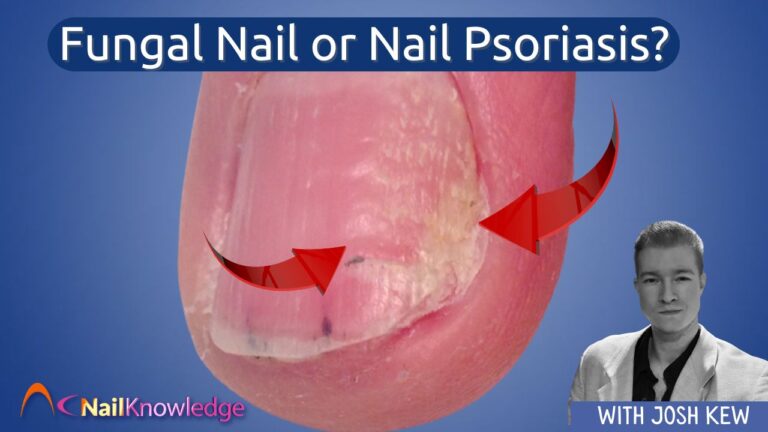
Sự khác biệt giữa nhiễm trùng nấm móng và bệnh vẩy nến móng

Nấm móng tay hay bệnh vẩy nến móng tay?

How Nail Pros Can Spot the Difference between Fungal Nail and Nail Psoriasis… and when to Refer

As a nail professional, your clients trust you to notice changes in their nails, and you’re often the first to spot signs of something unusual. Two of the most commonly confused conditions are fungal nail infections and nail psoriasis. Both can cause discolouration, thickening, and móng tay bong tróc bề mặt, nhưng chúng đòi hỏi những cách tiếp cận rất khác nhau.

Knowing what to look for and when to refer to a podiatrist can make a big difference to your clients’ nail health.

Nhiễm trùng nấm móng là gì?

Nhiễm trùng nấm móng (còn được gọi là bệnh nấm móng) is caused by a buildup of dermatophyte mould fungi that invade the nail plate, the skin underneath it (the nail bed) or any or all of the skin of the foot itself. These organisms thrive in warm, moist environments and often begin by infecting the skin between the toes (athlete’s foot) before spreading to the toenails.

Fig A: Looks like a fungal infection in a toe– it was tested and it is.
Fig B: Looks like a fungal infection in a fingernail – it was tested, and it is.
Fig C: Looks like Psoriasis was treated as Psoriasis and finally it was tested and it’s a fungal infection
Hình D1
Hình D2

Hình D1 và Hình D2: Looks like Psoriasis – It was tested and it’s a fungal infection but in this case, it could also be Psoriatic!

Fungal infections are contagious and can spread through shared footwear, nail tools, or damp environments like swimming pools, gyms and even your shower at home. Although a fungal infection can affect one or multiple nails, it may slowly worsen over time without treatment. You don’t have to be old to get one as fungal infections are often seen in young footballers or runners, the reason for this is damage to the đơn vị đóng đinh trong khi chạy hoặc vui chơi, thường có những chấn thương nhỏ tạo điều kiện cho nấm phát triển nhưng ngay cả giày dép quá nhỏ cũng có thể tạo ra lỗ hổng trên móng tay, nơi nấm có thể sinh sống.

Bệnh vẩy nến móng tay là gì?

Bệnh vẩy nến là một tình trạng viêm da kéo dài có thể ảnh hưởng đến bất kỳ hoặc tất cả các phần của móng tayS. In nail psoriasis, the immune system speeds up the production of skin cells around and under the nail, leading to a build-up of cells and abnormal nail growth.

Bệnh vẩy nến móng tay là không lây nhiễm, but it can be distressing and may lead to discomfort or changes in nail appearance. It may affect just the nails or be part of wider symptoms of psoriasis on the skin or even in the joints (psoriatic arthritis).

Nhiễm trùng nấm móng trông như thế nào

Nhiễm trùng nấm móng thường bắt đầu ở đầu hoặc cạnh móng và lan rộng từ từ.

Các dấu hiệu phổ biến:

  • Sự đổi màu vàng, nâu hoặc trắng
  • Vụn hoặc móng tay giòn các cạnh
  • Móng tay dày
  • Nail lifting from the nail bed (onycholysis)
  • Mảnh vụn bong tróc dưới móng tay
  • Mùi mốc hoặc khó chịu

Thường được liên kết tới:

  • Chấn thương móng tay
  • Mang giày chật, không thoáng khí hoặc không vừa chân
  • Athlete’s foot (tinea pedis)
  • Đi chân trần ở nơi công cộng
  • Chia sẻ dụng cụ làm móng
Giày bó sát, cà vạt bị đè bẹp & D5 ở nhiều vị trí khác nhau

Bệnh vẩy nến móng tay trông như thế nào

Bệnh vẩy nến móng có thể ảnh hưởng đến toàn bộ hoặc một phần riêng biệt của ma trận móng tay (which forms the nail plate) or the nail bed (beneath the nail). It can appear even if the client doesn’t have visible psoriasis on the skin.

Các dấu hiệu phổ biến:

  • Các lỗ nhỏ (vết lõm nhỏ) trên phiến móng
  • A salmon-pink “oil drop” patch under the nail
  • Các đường gờ hoặc rãnh chạy dọc theo móng tay
  • Thickened skin under the nail (subungual hyperkeratosis)
  • Các mảng trắng hoặc xuất huyết dằm
  • Nails lifting from the nail bed, often across multiple nails
Nhỏ dầu trị vẩy nến vào móng tay
Hình 2: Giọt dầu vảy nến trong móng tay
Rỗ vảy nến ở móng trên
Hình 3: Rỗ vảy nến ở móng trên
Bệnh vẩy nến ở móng tay và phục hồi bằng cách chăm sóc móng tay và bàn tay đúng cách
Hình 4: Bệnh vẩy nến ở nền móng và quá trình phục hồi bằng cách chăm sóc bàn tay và móng đúng cách

Những thay đổi ở móng do bệnh vảy nến thường mang tính đối xứng và có thể ảnh hưởng đến một hoặc nhiều móng cùng một lúc.

Tại sao nó quan trọng

Hai tình trạng này có thể trông rất giống nhau, nhưng nguyên nhân và phương pháp điều trị lại hoàn toàn khác nhau. It’s impossible to diagnose either with just the eye – Fungal infections can only be properly diagnosed with a test – Psoriasis needs to be diagnosed by a Dermatologist.

Treating a fungal nail with antifungal won’t help if the problem is actually psoriasis. Likewise, treating nail psoriasis with topical steroids or an antifungal product won’t touch a fungal infection.

That’s why it’s essential to refer clients to a podiatrist if you see any persistent changes or signs of infection.
***Xét nghiệm có thể loại trừ hoặc xác nhận tình trạng nhiễm nấm.

Khi nào nên giới thiệu khách hàng của bạn

Tham khảo ý kiến bác sĩ chuyên khoa chân nếu khách hàng của bạn có:

  • Đau, sưng, chảy máu hoặc đau nhức xung quanh móng
  • Móng tay có mùi hôi hoặc trông giống như bị nhiễm trùng
  • Symptoms that aren’t improving after self-treatment
  • Thay đổi ở nhiều móng tay, đặc biệt nếu chúng trông đối xứng
  • Tiền sử cá nhân hoặc gia đình bị bệnh vẩy nến hoặc các bệnh về da
  • Any unusual or concerning changes you’re unsure about

A podiatrist can take a nail sample, test for fungal infection, and make a clear diagnosis. They’ll also create a treatment plan tailored to your client’s needs.

Bạn có thể giúp đỡ như thế nào

You’re not expected to diagnose, but you là in the perfect position to notice early changes. Your trained eye, paired with good hygiene and proper referrals, plays a huge role in protecting your client’s well-being.

By referring to a podiatrist when something doesn’t seem right, you’re giving your clients the best care possible and helping them get the treatment they need sooner rather than later.

Suy nghĩ cuối cùng

Nail health is about more than just looks. Whether it’s fungus or psoriasis, catching it early can prevent long-term damage and give your client peace of mind. If something doesn’t look right, trust your instincts and refer to a podiatrist. You could be the first person to make a real difference in their health journey.

*** 1.Tsunemi Y, Takehara K, Miura Y, Nakagami G, Sanada H, Kawashima M. Screening for tinea unguium by Dermatophyte Test Strip. Br J Dermatol. 2014;170(2):328-31.

Thuộc chủ đề:Chăm sóc bàn chân & Giải phẫu, Tình trạng móng tay

Cách phát hiện bệnh ung thư hắc tố ở móng tay

A Podiatrist’s Guide to Catching This Silent Threat

As a podiatrist, I spend my days knee-deep (or should I say toe-deep?) in everything from ingrown toenails to verrucas. But every so often, I see something far more sinister, something that could quite literally be a matter of life or death: nail melanoma. The challenge? Many people don’t know how to spot nail melanoma, making early detection difficult and increasing the risk of late diagnosis.

Now, I know what you’re thinking. “Melanoma? In the nail?” Yes, it happens. It is what famous musician Bob Marley suffered from and what led to his unfortunate passing. And the tricky part? It’s shockingly easy to miss. That’s why whether you’re a fellow podiatrist, a nail technician, or just someone who loves a good pedicure, you need to know what to look out for.

So, let’s get into it—what does nail melanoma look like, and when should you be sending that client or patient straight to a dermatologist?

What Exactly Is Nail Melanoma & How Can You Spot It?

Nail melanoma (or subungual melanoma, if we’re getting fancy) is a rare but aggressive type of ung thư da that forms under the nail. It often starts in the nail matrix (the hidden part under the cuticle), which makes it difficult to detect in its early stages.

Unlike the more common superficial spreading melanoma that you might see on sun-exposed skin, nail melanoma doesn’t need sunlight to thrive. It’s sneaky, slow-growing, and often ignored until it’s too late.

How to Spot Nail Melanoma: The Subtle Signs You Might Miss

Here’s where things get tricky. Nail melanoma can masquerade as a bruise, fungal infection, or even just a natural pigmentation change—especially in people with darker skin tones, where nail pigmentation is more common. However, it is crucial to remember: never attempt to self-diagnose a nail melanoma. If you notice any of these changes and are unsure, seek medical evaluation rather than assuming it is harmless. Early professional assessment could be life-saving. Key Signs to Watch For:

1. A Dark Streak That Doesn’t Grow Out

A dark brown or black stripe running vertically down the nail is the most common sign. But here’s the catch—it doesn’t move up or grow out as the nail does. If that “bruise” isn’t budging after a few months, it’s time to investigate.

2. Pigment That Extends Onto the Skin (Hutchinson’s Sign)

If the pigmentation spills over onto the cuticle or surrounding skin (called Hutchinson’s sign), consider it a red flag. This is a classic sign of melanoma creeping beyond the tấm móng tay.

3. A New or Changing Nail Streak

If someone has had a faint nail streak for years without any change, it’s probably benign. But if a new streak appears, gets wider, darkens, or changes shape, that’s when alarm bells should start ringing.

4. Nail Dystrophy or Destruction

Melanoma doesn’t always stay neatly under the nail—it can distort, split, or destroy the nail plate. If a nail is lifting, crumbling, or disintegrating without obvious trauma or infection, you need to dig deeper (not literally, please).

5. A Persistent “Infection” That Won’t Clear

Think it’s a fungal nail? Maybe. But if antifungals aren’t working, and the nail is getting worse, reconsider your diagnosis. Melanoma can sometimes mimic bệnh nấm móng (fungal nails), and mistaking the two can delay life-saving treatment.

6. Pain, Bleeding, or a Lumpy Growth Under the Nail

Melanoma doesn’t always come in neat, stripey packages. It can present as a lump, ulceration, or spontaneous bleeding under the nail. If a client says, “I don’t remember injuring it, but it just won’t stop bleeding,” take it seriously.

Who’s at Risk?

Melanoma doesn’t discriminate, but some people are at higher risk than others:

  • People with darker skin tones (they’re more likely to develop subungual melanoma than fair-skinned individuals).
  • Those with a history of trauma to the nail (though it’s not always linked).
  • Individuals with a family history of melanoma.
  • Individuals who spend time in the sun without sunscreen.
  • Anyone over 50 (though it can occur at any age).

When to Refer? How to Spot Nail Melanoma & Act Fast

If you are a practitioner or technician and spot any of the warning signs above, do not hesitate—always refer to a medical doctor (MD) or dermatologist immediately. A delay in diagnosis significantly increases the risk of melanoma spreading, making early referral critical. Even if you are uncertain, it is far better to be overly cautious than to miss a potentially life-threatening condition.

Urgent Referrals Should Happen When:

  • A new or changing dark streak appears, especially in one nail.
  • Pigmentation extends onto the skin (Hutchinson’s sign).
  • The nail is lifting, breaking, or ulcerating without a clear cause.
  • There’s a persistent “infection” that doesn’t respond to treatment.
  • A nail lesion is painful, bleeding, or rapidly changing.

Time is of the essence. Melanoma under the nail is often diagnosed late, meaning it has a higher risk of spreading (metastasising). Learning to spot nail melanoma early, whether you’re a podiatrist, nail technician, or simply monitoring your own health, could be life-saving.

Final Thoughts: Trust Your Gut

If something about a nail doesn’t sit right with you, refer it. No one will fault you for being cautious—but missing a melanoma could have devastating consequences.

For podiatrists and nail techs, we’re often the first line of defence. The average person isn’t inspecting their own toenails with a magnifying glass, so if we don’t spot it, who will?

So next time you see a stubborn nail streak, don’t dismiss it. It could be a bruise… or it could be something much worse.

And in the world of melanoma, early detection is everything.

Have You Ever Spotted a Suspicious Nail?

If you’ve ever come across a case that turned out to be something serious, let’s talk about it. Awareness saves lives, and the more we share, the better we get at spotting these silent threats.

Stay sharp, stay curious, and keep those nails in check!

Thuộc chủ đề:Chăm sóc bàn chân & Giải phẫu, Tình trạng móng tay

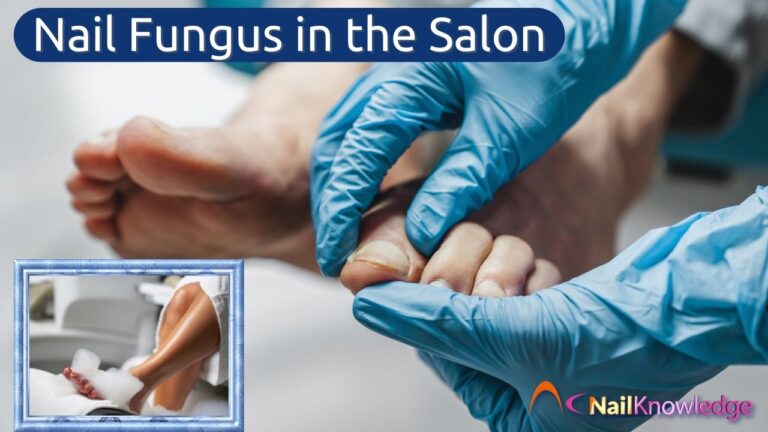
Nấm móng tay ở tiệm làm móng

Cách phát hiện, ngăn chặn, điều trị và khi nào cần đến gặp bác sĩ chuyên khoa chỉnh hình

Nếu bạn làm việc tại một tiệm làm móng, rất có thể bạn đã từng tiếp xúc với nấm móng tại tiệm mà không hề hay biết. Những trường hợp nhiễm trùng này, được gọi là bệnh nấm móng (onychomycosis), phổ biến hơn nhiều người nghĩ. Mặc dù chúng không gây nguy hiểm ngay lập tức, nhưng có thể kéo dài và gây mất thẩm mỹ, khiến việc điều trị dứt điểm trở nên khó khăn. Điều này nhấn mạnh tầm quan trọng của việc phát hiện sớm và xử lý hiệu quả, đặc biệt là trong môi trường tiệm làm móng, nơi vệ sinh là yếu tố then chốt.

Vậy, làm thế nào để phát hiện sớm bệnh nấm móng, bạn nên làm gì nếu khách hàng mắc bệnh này, và khi nào thì nên giới thiệu họ đến bác sĩ chuyên khoa chân? Hãy cùng phân tích từng bước một.

Nấm móng là gì? (Onychomycosis)

Nấm móng (onychomycosis) là một bệnh nhiễm trùng tiến triển chậm do các loại nấm gọi là nấm da gây ra. Các loại nấm này lấy keratin – một trong những loại protein cấu thành nên móng và da – làm nguồn dinh dưỡng, dẫn đến tình trạng móng dày lên, đổi màu và thường móng tay giòn.

Nhiễm trùng có thể bắt đầu ở một móng tay và nếu không được điều trị, có thể lan sang các móng khác bao gồm cả móng tay, mặc dù móng chân thường bị ảnh hưởng nhiều hơn.

Nhưng đây mới là vấn đề: nấm móng rất khó chữa. Bệnh không tự khỏi và thường phải điều trị trong nhiều tháng. Đó là lý do tại sao việc phát hiện sớm và điều trị đúng cách lại vô cùng quan trọng, đặc biệt là tại các tiệm làm đẹp – nơi vệ sinh là yếu tố then chốt.

Nhận dạng nấm móng tay trong tiệm

Trong giai đoạn đầu, móng tay nấm Các bệnh nhiễm trùng có thể rất khó lường. Chúng không phải lúc nào cũng biểu hiện rõ ràng “Này, tớ là một bệnh nấm đây!” Thay vào đó, chúng thường bắt đầu nhỏ, chỉ với một sự đổi màu mờ nhạt ở đâu đó trong hoặc xung quanh móng tay hoặc giường móng tay. Tuy nhiên, theo thời gian, chúng trở nên rõ ràng hơn nhiều.

Các dấu hiệu và triệu chứng cần chú ý:

  • Sự đổi màu – Các mảng màu vàng, trắng hoặc nâu trên móng tay. Trong những trường hợp nghiêm trọng, một số móng tay thậm chí có thể có màu xanh lục hoặc đen.
  • Làm dày – Móng tay có thể trở nên dày bất thường, khiến việc cắt móng trở nên khó khăn.
  • Độ giòn – Các mép móng tay có thể bị bong tróc, nứt hoặc gãy dễ dàng.
  • Bong móng (Onycholysis) – Móng có thể tách khỏi giường móng, tạo ra một khe hở khiến bụi bẩn và vi khuẩn có thể tích tụ.
  • Sự biến dạng – Hình dạng của móng tay có thể thay đổi, trở nên cong hơn hoặc không đều.
  • Mùi – Trong một số trường hợp, móng bị nấm có thể tỏa ra mùi hơi khó chịu.

Nấm móng không phải lúc nào cũng gây đau, nhưng nếu tình trạng nhiễm trùng tiến triển, móng dày lên có thể cọ xát vào giày, gây ra cảm giác khó chịu hoặc thậm chí dẫn đến nhiễm trùng thứ phát do vi khuẩn.

Chẩn đoán phân biệt: Đây có thực sự là bệnh nhiễm trùng do nấm không?

Không phải mọi trường hợp móng dày, đổi màu hoặc bị hư tổn đều do nấm gây ra. Với tư cách là một chuyên viên làm móng, điều quan trọng là phải phân biệt được sự khác biệt giữa nhiễm nấm và các tình trạng khác có triệu chứng tương tự.

Các tình trạng có thể trông giống như nấm móng tay:

  • Tổn thương – Áp lực liên tục do giày chật hoặc chấn thương có thể gây ra hiện tượng dày sừng, xuất hiện các mảng trắng và thậm chí là bong móng.
  • Bệnh vẩy nến – Móng tay bị vảy nến thường có các vết lõm nhỏ, dày lên và đổi màu sang vàng hoặc đỏ.
  • Bệnh chàm và các bệnh da liễu khác – Những yếu tố này có thể khiến móng tay trở nên giòn và bong tróc, trông giống như bị nhiễm nấm.
  • Nhiễm trùng do vi khuẩn – Móng tay có màu xanh lục, thường gặp ở khách hàng tại các tiệm làm đẹp, thường do một Vi khuẩn Pseudomonas vi khuẩn chứ không phải nấm.
  • Móng tay lão hóa – Khi chúng ta già đi, móng tay tự nhiên trở nên dày hơn và dễ gãy hơn, điều này đôi khi có thể giống với các triệu chứng do nấm gây ra.

Nếu bạn không chắc chắn liệu khách hàng có bị nhiễm nấm hay mắc một bệnh lý khác, đừng tự ý chẩn đoán. Hãy nhớ rằng, việc xác định chính xác tình trạng nấm móng tại tiệm là rất quan trọng để có thể giới thiệu khách hàng đến bác sĩ chuyên khoa chân nhằm thực hiện các xét nghiệm và xác nhận chính xác.

Bạn nên làm gì nếu phát hiện nấm móng tay ở tiệm làm tóc?

1. Không thực hiện điều trị trên móng bị ảnh hưởng

Dù rất muốn dùng sơn móng tay hoặc gel để che đi màu móng bị đổi màu – dù đó có phải là do nhiễm nấm hay không – nhưng điều đó sẽ không giải quyết được vấn đề. Thực tế, việc này còn có thể khiến tình hình trở nên tồi tệ hơn do giữ ẩm và tạo điều kiện cho nấm phát triển. Hơn nữa, việc chăm sóc móng bị nhiễm nấm sẽ gây nguy cơ lây nhiễm cho khách hàng, đặc biệt là nếu dụng cụ không được làm sạch và khử trùng đúng cách.

Thay vào đó, hãy nhẹ nhàng giải thích cho khách hàng những điều bạn đã nhận thấy và khuyên họ nên tìm kiếm sự tư vấn chuyên môn.

2. Khử trùng mọi thứ

Nhiễm nấm lây lan qua các bào tử nhỏ li ti, có thể bám lại trên dụng cụ, dũa móng tay và trong chậu ngâm chân. Để phòng ngừa lây nhiễm chéo:

  • Rửa sạch tất cả các dụng cụ và bề mặt kim loại bằng xà phòng và nước trước
  • Sử dụng chất khử trùng đạt chuẩn bệnh viện trên mọi bề mặt và dụng cụ bằng kim loại.
  • Hãy vứt bỏ các vật dụng dùng một lần như dũa móng tay và miếng chà móng.
  • Vệ sinh bồn ngâm chân sạch sẽ sau mỗi lần phục vụ khách hàng.

3. Tư vấn cho khách hàng về các bước tiếp theo

Nếu bạn nghi ngờ khách hàng bị nhiễm nấm móng, hãy khuyên họ đến gặp bác sĩ chuyên khoa chân. Nhiều người không nhận ra rằng nhiễm nấm cần phải điều trị y tế; chỉ cắt hoặc dũa móng thôi thì không thể chữa khỏi được. Cách duy nhất để xác định chắc chắn đó là nhiễm nấm là phải làm xét nghiệm.

Các lựa chọn điều trị cho nấm móng tay

Sau khi được chẩn đoán, khách hàng có nhiều lựa chọn điều trị. Là một kỹ thuật viên làm móng, hiểu được các phương pháp điều trị này sẽ giúp bạn giáo dục khách hàng và hỗ trợ họ trong hành trình chăm sóc móng.

1. Thuốc chống nấm tại chỗ (Sơn mài, Kem & Dung dịch)

Chúng được bôi trực tiếp lên móng và có thể giúp ích trong những trường hợp nhẹ, mặc dù cần sử dụng thường xuyên trong nhiều tháng. Các lựa chọn phổ biến bao gồm:

  • Amorolfine (Loceryl) – Một loại sơn móng tay có tác dụng điều trị.
  • Terbinafine (Lamisil)- Một loại thuốc xịt chống nấm mạnh
  • Ciclopirox (Curanail) – Một loại sơn chống nấm khác.
  • Dầu cây trà & các phương pháp chữa trị tự nhiên – Một số khách hàng rất tin tưởng vào chúng, nhưng kết quả thì tùy từng trường hợp.

2. Thuốc chống nấm uống (Chỉ theo toa)

Đối với các trường hợp nặng hơn, bác sĩ chuyên khoa chân có thể kê đơn các loại thuốc chống nấm uống như:

  • Terbinafin – Một trong những phương pháp hiệu quả nhất, thường được áp dụng trong vòng 3–6 tháng.
  • Itraconazole (Sporanox) – Một lựa chọn khác, thường được dùng cho những người không thể dùng terbinafine.

3. Liệu pháp laser

Một số phòng khám cung cấp dịch vụ điều trị bằng laser để điều trị các bệnh nhiễm nấm. Phương pháp này có thể mang lại hiệu quả, nhưng chi phí cao, không phải lúc nào cũng dễ tiếp cận và kết quả cũng không phải lúc nào cũng như nhau.

4. Nhổ móng (Trong trường hợp nghiêm trọng)

Nếu nhiễm trùng nghiêm trọng, bác sĩ chuyên khoa chân có thể đề nghị cắt bỏ hoàn toàn móng. Điều này cho phép điều trị trực tiếp vào nền móng và ngăn ngừa nấm lây lan xa hơn.

Khi nào nên tham khảo ý kiến bác sĩ chuyên khoa chỉnh hình bàn chân

Là một chuyên gia làm đẹp tại salon, bạn không được kỳ vọng sẽ chẩn đoán hay điều trị các bệnh nhiễm nấm — nhưng bạn có thể đóng vai trò quan trọng trong việc hướng dẫn khách hàng tìm đến sự trợ giúp phù hợp.

Giới thiệu khách hàng đến bác sĩ chuyên khoa chỉnh hình nếu:

  • Móng tay dày lên, đổi màu hoặc vỡ vụn.
  • Nhiễm trùng đang lan rộng ra nhiều móng.
  • Khách hàng đã bị nhiễm trùng trong một thời gian dài mà không có tiến triển.
  • Bệnh nhân bị tiểu đường hoặc tuần hoàn máu kém (những tình trạng này làm tăng nguy cơ biến chứng).
  • Móng bị nhô ra hoặc gây đau.

Bác sĩ chuyên khoa chân có thể xác nhận vấn đề có phải do nấm hay không (nếu cần, hãy xét nghiệm trong phòng thí nghiệm) và đưa ra phương pháp điều trị phù hợp nhất.

Suy nghĩ cuối cùng: Bảo vệ khách hàng và tiệm của bạn

Nấm móng là một vấn đề phổ biến nhưng thường bị bỏ qua tại các tiệm làm móng. Là một chuyên gia, nhiệm vụ của bạn không chỉ là làm cho móng tay trông đẹp mắt mà còn phải bảo vệ sức khỏe của khách hàng.

Bằng cách học cách nhận biết các triệu chứng của nhiễm nấm, tuân thủ nghiêm ngặt các tiêu chuẩn vệ sinh và giới thiệu khách hàng đến bác sĩ chuyên khoa chân khi cần thiết, bạn sẽ khẳng định mình là một chuyên viên làm móng có kiến thức chuyên môn và tinh thần trách nhiệm cao.

Và hãy thành thật mà nói, chẳng ai muốn nấm làm hỏng bộ móng chân hoàn hảo của mình cả. Vì vậy, hãy luôn cảnh giác, hướng dẫn khách hàng và giữ cho tiệm của bạn luôn là một môi trường không có nấm.

Thuộc chủ đề:Chăm sóc bàn chân & Giải phẫu

  • Trang 1
  • Trang 2
  • Trang 3
  • Chuyển đến Trang sau »

Nâng cao kiến thức về làm móng

Tham gia bản tin của chúng tôi!
ĐĂNG KÝ...

Bản quyền © NailKnowledge

Kiến thức về móng tay

  • MyNailEra
  • Sách điện tử
  • Về chúng tôi
  • Các khóa học
  • Tin tức
  • Blog
  • Bản tin
  • Thuật ngữ

Chính sách

  • Trang riêng tư
  • Điều khoản và điều kiện
  • Chính sách Cookie

Ủng hộ

  • Liên hệ với chúng tôi
  • Gặp gỡ các chuyên gia
  • Hỏi các chuyên gia
  • Hỗ trợ hệ thống
  • Câu hỏi thường gặp
Vietnamese
Vietnamese
English Portuguese Spanish