• Bỏ qua primary navigation
  • Bỏ qua nội dung chính
  • Bỏ qua footer
Kiến thức về móng tay

Kiến thức về móng tay

  • Các khóa học
  • MyNailEra
  • Sách điện tử miễn phí
  • Cơ sở tri thức
    • Cơ sở tri thức
    • Hỏi các chuyên gia
    • Thuật ngữ
  • Blog
  • Đăng nhập
gây ra dị ứng

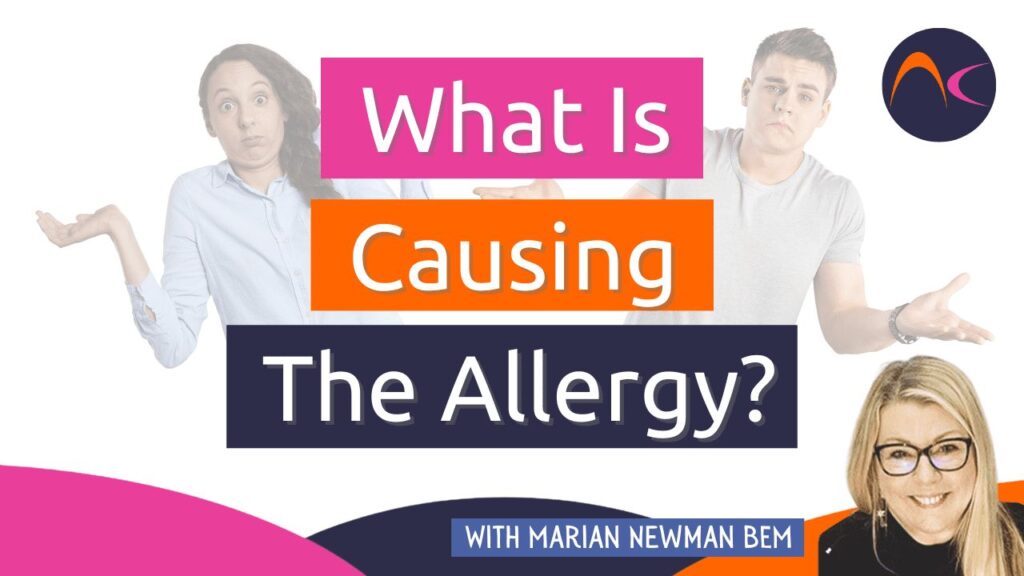
Nguyên nhân gây dị ứng là gì?

Tháng 6 28, 2022 qua Marian Newman, BEM

187 Lượt xem

Bài viết này có hữu ích không?
Lỗi khi gửi đánh giá

With the allergy situation escalating, not only in the UK but in many countries, many nail pros are super-stressing that they are the ones causing the allergy!! 

Maybe your products did but…..maybe they didn’t!

An individual can wear a nail product for several years and then, one day, their body rejects it!!! There is nothing usual about this. It’s how ‘stuff’ works. Overexposure.

But then you can have a new(ish) client with no problems with their nails and skin, you use products that you are confident are as safe as they can be, you work cleanly and efficiently and….BANG….they develop a reaction!! 

Đây có phải là lỗi của bạn không? Có lẽ là KHÔNG!

Tình trạng dị ứng của họ có thể phát triển theo thời gian nhưng thực tế là bắt đầu từ một sản phẩm trước đó thậm chí là vài tháng trước. 

This is why it is so difficult to pinpoint what product to avoid. The ONLY answer is to find out the specific ingredient/s with a patch test that includes methacrylate and acrylates.
Dị ứng có thể mất nhiều thời gian để phát triển hoặc có thể phát triển rất nhanh.

Tiếp xúc với da là nguyên nhân phổ biến nhất nhưng nghiên cứu mới đã chỉ ra rằng ngay cả khi không tiếp xúc với da thì vẫn có thể xảy ra!

Undercuring can cause it, and so can leaching when there are unreacted monomers in the cured coating.

Part of your client consultation should always discover if your client has been to any other salons or used DIY retail UV gels. You should also always ask if they have any allergies at all. Any type of allergy can suggest a compromised immunity. 

Although it is possible for a reaction to happen quickly after a first application, it is a bit more likely that it has been ‘brewing’ for a while, even years! Maybe the allergen was removed just before a reaction was obvious so there was no indication and it was just a coincidence. Then it is introduced again and the immune system recognised it and sent out the signals. 

Vì vậy, có thể không phải bạn hay sản phẩm của bạn là nguyên nhân gây dị ứng! 

Bài viết này có hữu ích không?
Lỗi khi gửi đánh giá

Categorised: Sức khỏe và An toàn

Related Articles

Chăm sóc móng tay trong quá trình điều trị ung thư

Nail Care During Cancer Treatment

Cancer treatment places significant demands on the body, and while the main focus is understandably on medical care, the condition…

Read More
Tại sao việc thử nghiệm miếng dán sơn gel trên da lại nguy hiểm

Why Gel Polish Patch Testing on Skin Is a Dangerous Mistake

Ever been tempted to dab a bit of gel polish on your skin just to “see if you’re allergic”? It…

Read More
Hiểu rõ về hệ thống thông gió hợp lý trong các tiệm làm móng

Understanding Proper Ventilation in Nail Salons

If you’re running a salon or working in one, your top priority should be the health and comfort of both…

Read More
Paraben trong sản phẩm làm móng

Parabens in Nail Products: What Science Really Says

We hear a lot these days about what’s “toxic” in beauty. From sulphates to silicones, and yes, parabens in nail…

Read More
Chăm sóc móng tay bằng nước cốt chanh

Is the Lemon Juice Nail Treatment Worth It?

A Closer Look at The Lemon Juice Nail Treatment Trend We’ve all heard it: when life gives you lemons, use…

Read More
Canxi dạng vi hạt trong sản phẩm làm móng

The Truth About Micronized Calcium in Nail Products

We’ve all seen it slapped across bottles on beauty shelves: “Enriched with Micronized Calcium!” It sounds sciencey and impressive, right?…

Read More

Nâng cao kiến thức về làm móng

Tham gia bản tin của chúng tôi!
ĐĂNG KÝ...

Bản quyền © NailKnowledge

Kiến thức về móng tay

  • MyNailEra
  • Sách điện tử
  • Về chúng tôi
  • Các khóa học
  • Tin tức
  • Blog
  • Bản tin
  • Thuật ngữ

Chính sách

  • Trang riêng tư
  • Điều khoản và điều kiện
  • Chính sách Cookie

Ủng hộ

  • Liên hệ với chúng tôi
  • Gặp gỡ các chuyên gia
  • Hỏi các chuyên gia
  • Hỗ trợ hệ thống
  • Câu hỏi thường gặp
Vietnamese
Vietnamese
English Portuguese Spanish