Các biện pháp vệ sinh cơ bản
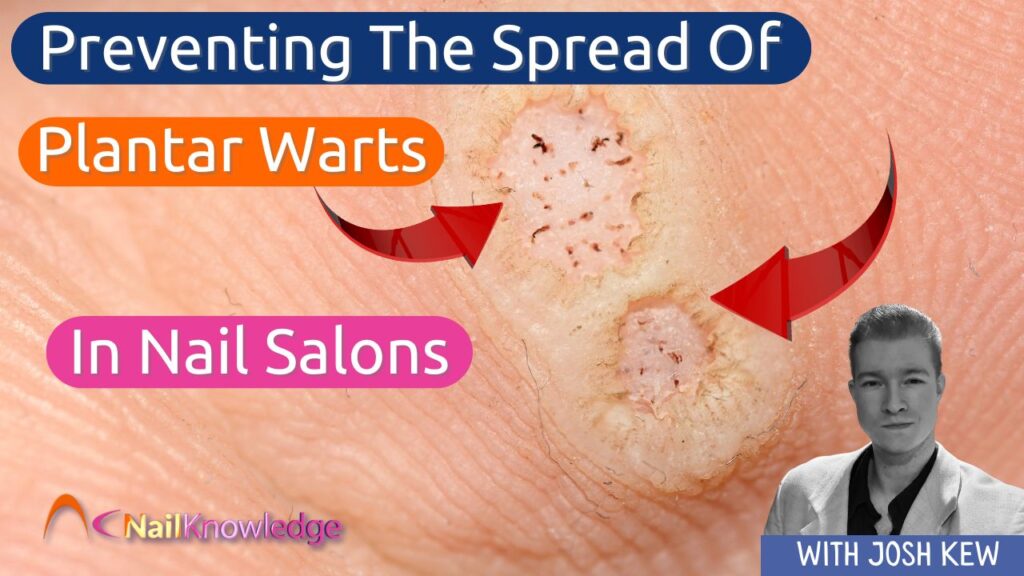
Mụn cóc lòng bàn chân, do vi-rút u nhú ở người (HPV) gây ra, là một vấn đề phổ biến nhưng có thể phòng ngừa được tại các tiệm làm móng. Loại vi-rút này phát triển mạnh trong môi trường ấm áp và ẩm ướt, và có thể lây lan qua tiếp xúc trực tiếp với da hoặc qua các bề mặt bị nhiễm vi-rút. Với tư cách là các chuyên viên làm móng chuyên nghiệp, việc duy trì không gian làm việc vệ sinh là yếu tố quan trọng để phòng ngừa mụn cóc việc truyền nhiễm và bảo vệ khách hàng và nhân viên.
Phòng ngừa mụn cóc lòng bàn chân tại các tiệm làm móng thông qua việc khử trùng
Sử dụng phương pháp tiệt trùng đạt tiêu chuẩn y tế
Tất cả các dụng cụ có thể tái sử dụng, chẳng hạn như kềm cắt móng, dụng cụ đẩy da móng và dũa kim loại, phải được khử trùng đúng cách sau mỗi lần sử dụng. Phương pháp hiệu quả nhất là nồi hấp tiệt trùng, sử dụng hơi nước áp suất cao để tiêu diệt vi khuẩn, vi-rút và nấm, đảm bảo khử trùng triệt để.
Tránh sử dụng các dụng cụ không thể tiệt trùng
Để giảm thiểu nguy cơ lây nhiễm, hãy tránh sử dụng các dụng cụ không thể khử trùng đúng cách giữa các khách hàng. Hãy ưu tiên sử dụng các dụng cụ dùng một lần bất cứ khi nào có thể, vì chúng giúp giảm nguy cơ lây nhiễm chéo.
Việc sử dụng máy khử trùng bằng tia UV
Trong khi Máy khử trùng bằng tia UV mặc dù có thể là một biện pháp bổ sung hữu ích, nhưng chúng không nên thay thế cho việc tiệt trùng bằng nồi hấp hoặc các quy trình khử trùng đúng cách.
Cách sử dụng đúng các vật dụng dùng một lần
Dụng cụ dùng một lần
Các mặt hàng như dũa móng tay, dụng cụ tách ngón chân và đá bọt nên được vứt bỏ sau mỗi lần sử dụng. Những vật liệu xốp này có thể là nơi ẩn náu của virus HPV và các tác nhân gây bệnh khác, khiến chúng không thích hợp để tái sử dụng.
Găng tay dùng một lần
Các chuyên viên làm móng nên đeo găng tay trong quá trình thực hiện dịch vụ, đặc biệt là khi chăm sóc bàn chân cho khách hàng. Nên thay găng tay sau mỗi khách hàng để ngăn ngừa lây nhiễm chéo.
Khăn tắm và khăn lót mới
- Sử dụng quần áo vừa giặt sạch hoặc khăn dùng một lần đối với mỗi khách hàng.
- Nếu cung cấp dịch vụ chăm sóc móng chân, bồn ngâm chân nên có túi lót dùng một lần được vứt bỏ sau mỗi lần sử dụng.
Tránh tiếp xúc với các vùng da bị nhiễm trùng, bao gồm cả mụn cóc ở lòng bàn chân
Sàng lọc bệnh nhân trước khi điều trị
Việc kiểm tra nhanh bằng mắt thường bàn tay và bàn chân trước khi bắt đầu bất kỳ dịch vụ nào có thể giúp phát hiện các trường hợp nhiễm trùng tiềm ẩn. Nếu có mụn cóc lòng bàn chân hoặc các vấn đề về da khác ở tiệm làm móng, các kỹ thuật viên cần thực hiện các biện pháp phòng ngừa cần thiết
Từ chối điều trị khi cần thiết
Nếu một khách hàng có vết thương hở, mụn cóc ở lòng bàn chân, hoặc các trường hợp nhiễm trùng đang diễn ra, cần khuyên họ nên đi khám trước khi tiến hành các dịch vụ làm móng. Việc tiếp tục thực hiện dịch vụ trên vùng da bị nhiễm trùng không chỉ có thể làm lây lan nhiễm trùng mà còn gây nguy cơ lây nhiễm cho các khách hàng khác.
Giáo dục khách hàng
Các tiệm làm đẹp có thể đóng vai trò trong việc giáo dục khách hàng bằng cách cung cấp thông tin về vệ sinh tay và chân để giảm thiểu nguy cơ nhiễm trùng. Khuyên khách hàng tránh đi chân trần ở những nơi công cộng và giữ cho da luôn khỏe mạnh có thể giúp ngăn ngừa sự hình thành mụn cóc.
Duy trì môi trường sạch sẽ tại tiệm làm đẹp
Khử trùng bề mặt định kỳ
Các bề mặt thường xuyên tiếp xúc như bàn làm việc, bàn làm móng và ghế cần được khử trùng vài lần mỗi ngày với một Chất khử trùng được Cục Bảo vệ Môi trường Hoa Kỳ (EPA) phê duyệt để ngăn ngừa ô nhiễm.
Sử dụng khăn lau y tế
Khăn lau Clinell và các sản phẩm khác khăn lau khử trùng y tế rất phù hợp để làm sạch bề mặt nhanh chóng và hiệu quả. Những miếng lau này đã được tẩm sẵn dung dịch kháng khuẩn, nên rất lý tưởng để lau sạch bàn làm việc, dụng cụ và các khu vực thường xuyên tiếp xúc giữa các khách hàng. Sử dụng Khăn lau đa năng Clinell hoặc các loại khăn lau y tế tương tự giúp khử trùng hiệu quả trên diện rộng, giảm nguy cơ lây truyền virus.
Đảm bảo thông gió tốt
Một tiệm làm đẹp được thông gió tốt sẽ giúp giảm nguy cơ lây truyền virus qua không khí và cải thiện vệ sinh chung.
Đào tạo nhân viên thường xuyên
Tổ chức đào tạo cho nhân viên về các quy trình kiểm soát nhiễm trùng đảm bảo tính nhất quán trong các quy trình vệ sinh. Cần tổ chức các khóa đào tạo bồi dưỡng định kỳ để củng cố các tiêu chuẩn này.
Bằng cách tuân thủ các biện pháp tốt nhất này, các tiệm làm móng có thể giảm đáng kể nguy cơ lây truyền mụn cóc và tạo ra một môi trường an toàn, sạch sẽ cho khách hàng. Việc áp dụng các quy trình khử trùng nghiêm ngặt, sử dụng dụng cụ dùng một lần đúng cách, tránh tiếp xúc trực tiếp với các vùng bị nhiễm trùng và duy trì môi trường làm việc sạch sẽ là những bước quan trọng nhằm bảo vệ sức khỏe và sự an toàn của cả khách hàng lẫn kỹ thuật viên.