• Saltar a la navegación principal
  • Saltar al contenido principal
  • Saltar al pie de página
Conocimientos de uñas

Conocimientos de uñas

  • Cursos
  • MyNailEra
  • Libros electrónicos gratuitos
  • Base de conocimientos
    • Base de conocimientos
    • Pregunte a los expertos
    • Glosario
  • Blog
  • Inicio de sesión
Cáncer de piel y lámparas UV: ¿son seguras?

Cáncer de piel y lámparas UV: Responsabilidad profesional y seguridad del cliente

14 de marzo de 2024 por Doug Schoon

442 visitas

Cáncer de piel y lámparas UV: Responsabilidad profesional y seguridad del cliente

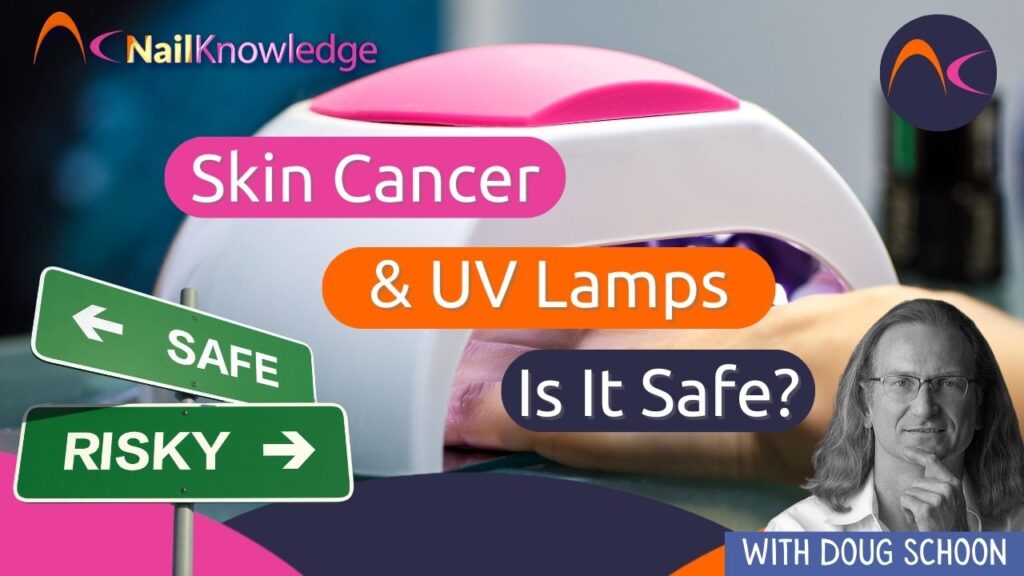
We get this query quite a lot: Is it safe to put your hands or nails into a nail lamp after being diagnosed with malignant melanoma skin cancer? This is a critical question that raises important considerations regarding professional responsibility and client safety.

Clients diagnosed with skin cancer have a medical condition and their doctor should determine if this is safe or hazardous for their patient. The doctor’s decision would be based on the patients’ medical history. I do NOT think this is a decision that a nail professional should ever make, because it is a medical choice, not cosmetic.  

Gestionar las peticiones de los clientes: Respetar el juicio profesional y las normas de seguridad

What if the “patient” wants to be a nail client and insists that you do the services? That’s a little more difficult to answer.  Please understand this, a client can NOT sign away or give up their right to have a safe service. In other words, a client can’t permit you to do something that goes against your professional judgment, if you believe it would be harmful or highly risky or potentially dangerous. The customer is NOT always right.

Prioridad a la seguridad del cliente

Consultar a los profesionales sanitarios para tomar decisiones informadas

As a professional, you are always responsible for working safely and protecting the client’s health. So, if an unhealthy condition exists, you should refuse the service. My guess is that most doctors, out of an abundance of caution, would likely advise against exposure to UV nail lamps. But some may recommend protecting the hand with a cover or SPF lotion. Or a disposable UV shield hand shield/glove can be extremely effective in blocking virtually all UV exposure. That’s why it’s always very important to get the doctor involved when clients are making such choices.

Don’t go around the doctor, remember, you’re working on their patient- it’s not just your client any longer.

Categorised: Información general, Acabar con los mitos, Servicios de uñas, Gel UV

Related Articles

nail reaction explained

Nail Reactions Explained: What Your Nails Are Telling You

Redness, soreness, lifting, itching after a nail appointment — these responses have a name and a cause. Getting nail reactions…

Read More
Cuticle vs Living Skin - PNF

Cuticle vs Living Skin: What You Remove vs What You Leave Alone

If you’re new to nail care, one of the most confusing areas is understanding the difference between the cuticle and…

Read More
Curar la tensión en las uñas de gel

Excessive Curing Tension in Gel Nails

Let’s talk about curing tension in gel nails, something most gel nail lovers have experienced but might not fully understand.…

Read More
Cómo se endurece el esmalte de gel

Gel Polish Curing Explained: Behaviour, Lamps and Common Problems

Gel polish curing is a chemical process, not simply a matter of time spent under a lamp. Many common problems…

Read More

Mixing Nail Brands and Lamps

A real-world case of mixing nail brands and lamps Mixing nail brands and lamps is a common temptation for professionals,…

Read More
Fotopolimerización UV: capas finas para unas uñas perfectas

UV Curing: Why Thin Layers Matter for Perfect Nails

When it comes to working with gels, UV curing is one of the most important steps in creating long-lasting, safe…

Read More

Mejora tus conocimientos sobre uñas

Suscríbase a nuestro boletín
SUSCRÍBETE...

Copyright © NailKnowledge

Conocimientos de uñas

  • MyNailEra
  • Libros electrónicos gratuitos
  • Quiénes somos
  • Cursos
  • Noticias
  • Blog
  • Boletín
  • Glosario

Políticas

  • Página de privacidad
  • Condiciones generales
  • Política de cookies

Ayuda

  • Póngase en contacto con nosotros
  • Conozca a los expertos
  • Pregunte a los expertos
  • Soporte del sistema
  • Preguntas frecuentes
Spanish
Spanish
English Portuguese Vietnamese