• Saltar a la navegación principal
  • Saltar al contenido principal
  • Saltar al pie de página
Conocimientos de uñas

Conocimientos de uñas

  • Cursos
  • Libros electrónicos
  • Cesta de libros electrónicos
  • Base de conocimientos
    • Base de conocimientos
    • Pregunte a los expertos
    • Glosario
  • Noticias
  • Blog
  • Galería
    • Galería Nail Art
    • Artistas de uñas
    • Únete a la élite
  • Inicio de sesión

Información general

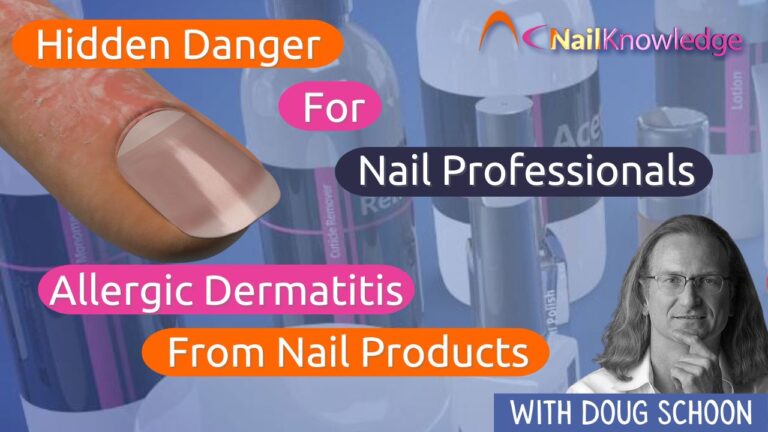
Técnicos de uñas: Dermatitis alérgica por productos para uñas

Working as a nail technician can be a fulfilling career, offering the opportunity to create beautiful manicures and boost clients’ confidence. However, amidst the artistry and client satisfaction lies a hidden danger for some: allergic reactions to nail products, such as UV gels, which can result in allergic dermatitis. Despite the meticulous care taken by many technicians, exposure to these substances poses significant risks and challenges that need to be addressed effectively.

Abordamos las experiencias de una técnica de uñas que, a pesar de tomar precauciones, tuvo que enfrentarse a reacciones alérgicas debilitantes. A través de su historia y de las opiniones de expertos del sector, descubrimos la importancia de las medidas de seguridad, el conocimiento de los productos y las estrategias proactivas para prevenir la dermatitis alérgica y preservar tanto la salud como la longevidad profesional.

El dilema de la dermatitis alérgica en los técnicos de uñas

Esta es una consulta habitual que recibimos de los técnicos de uñas que se enfrentan al desalentador reto de las reacciones alérgicas a los geles UV.

Unfortunately, my initial training using UV gels wasn’t great and I had overexposed myself before I knew it was a problem. Now, despite taking plenty of precautions I have severe reactions. I am very careful to use nitrile gloves and protect my hands, but sadly it’s not working. I have the most severe case of allergic dermatitis that is debilitating at times.  I have had allergy patch testing and know I am allergic to my products. Is there any hope for me? Or do I have to start considering giving up my job?

Doug Schoon’s Insights: Preventing Allergic Reactions in Nail Technicians

Wow, what can I say?  Other than “Don’t let this happen to you”.  The same will happen to many others because they don’t take the necessary precautions to work safely.

El papel de los ingredientes y las precauciones

People don’t become allergic to products, they become allergic to ingredients, so switching products usually won’t help them. Often these problems are a result of mixing products not intended to be used together or using the wrong nail lamp OR using pigments, glitters or other colorants that are not safe for cosmetic use. Or just from constantly exposing the skin to under cured dust/filings.

Decisiones difíciles para los técnicos de uñas que se enfrentan a la dermatitis alérgica

Guantes desechables de nitrilo para técnicos y profesionales de las uñas
Los guantes de nitrilo desechables son la mejor opción para los salones de belleza, con un grosor de guante de 8 mil.

Sadly, the best answer when extreme conditions like this occur is, “find a new line of work and stop using or wearing nail coating products forever”. Once a serious allergy develops, it will most likely worsen with each additional exposure. It sounds like that’s what has happened to this soon to be “former” nail technician.  

Prevención de problemas cutáneos en los técnicos de uñas: Estrategias clave para la intervención precoz

At the first signs of skin problems, this nail technician could have prevented problems from worsening simply by ensuring proper cure and avoiding skin contact with dust, filings, sticky layers, UV gel, etc. 

Keeping brush handles, containers and other objects free of sticky UV gel residues is also important.

Comprender el papel de las cremas de barrera para los técnicos de uñas

To make gloves more effective, some will wear “barrier creams” underneath their gloves and on the wrist and forearms.  Barrier creams are skin coating creams that can slow penetration of allergy causing substances into the skin where they activate allergic reactions.

Sin embargo, las cremas barrera NO sustituyen a los guantes y deben utilizarse con precaución, ya que suelen contener ingredientes de la familia de las siliconas.

Even small traces of silicones can block adhesion if they contaminate the nail plate, so be sure to carefully clean the client’s nail plates and avoid getting any silicone containing cream or lotion on tools or brushes.

Preserve su carrera: Priorice las medidas de seguridad

Finally, protect your career and the investment you’ve made to get where you are today. Please be serious about working safely. 

Publicado en: Información general, Salud y seguridad, Líquido y polvo, Gel UV

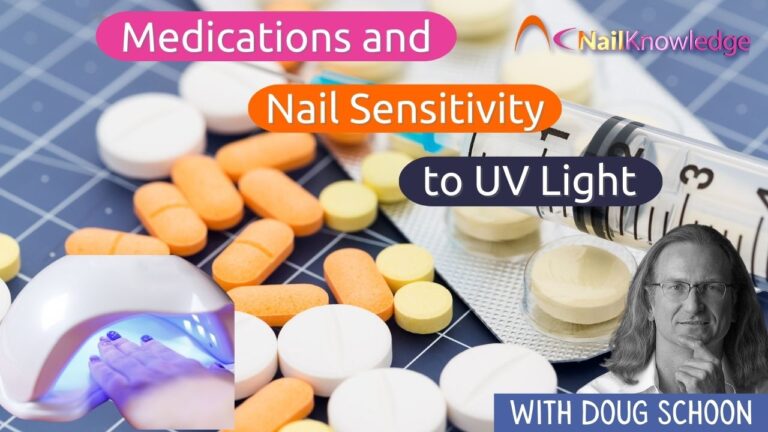
Medicamentos y sensibilidad de las uñas a la luz UV

Recientemente, un cliente planteó una importante cuestión sobre los posibles efectos de los medicamentos en la salud de las uñas, especialmente en relación con la exposición a los rayos UV. Entendemos la importancia de este tema y estamos aquí para arrojar luz sobre cómo ciertos medicamentos pueden afectar a la sensibilidad de las uñas a la luz UV.

El uso de un medicamento que aumente la sensibilidad a los rayos UV puede provocar reacciones cutáneas adversas al utilizar una lámpara UV para uñas.

Comprender la fotosensibilidad inducida por la medicación en la salud de las uñas

Las placas ungueales en sí no se ven afectadas negativamente, pero la piel puede quemarse más fácilmente al utilizar estos medicamentos o tratamientos. Esto se denomina "fotosensibilidad" y puede provocar irritación cutánea o una respuesta alérgica.

Fotosensibilidad inducida por medicamentos: Medicamentos orales y tópicos

Esto puede ocurrir con medicamentos tomados por vía oral o aplicados tópicamente. El ejemplo más conocido es el antibiótico tetraciclina, pero hay varias docenas de medicamentos que pueden causar este tipo de sensibilidades.

Normalmente, la piel reacciona en cuestión de minutos, pero a veces la reacción se retrasa unas horas. A menudo, la reacción se manifiesta como un enrojecimiento o hinchazón exagerados y pueden formarse ampollas. La piel puede llegar a picar mucho. La reacción no siempre está aislada en la zona de exposición e incluso la piel adyacente no expuesta puede mostrar síntomas.

Medidas de protección y consejos médicos para minimizar la exposición a los rayos UV

Llevar protección solar o cubrir la mano con un paño o guantes de protección UV puede ayudar a minimizar la exposición. Sin embargo, para los consejos que implican medicación, siempre es mejor preguntar al médico que la prescribe. En estos casos, lo más probable es que el médico aconseje a su paciente prescindir de tales servicios, hasta que haya terminado de tomar su medicación. Más vale prevenir que curar, como suele decirse.

Publicado en: Información general, Líquido y polvo, Gel UV

El viaje del aceite de jojoba y la vitamina E a la placa ungueal

Have you ever wondered how certain ingredients like jojoba oil and Vitamin E work their magic in nail care products? One reader’s query led us to delve into the science behind these ingredients and their ability to penetrate the nail plate. Join us as we uncover the mysteries behind jojoba oil, Vitamin E (tocopherol), and their role in promoting healthy nails.

Comprender la terminología: Tocoferol frente a vitamina E en el cuidado de las uñas

First, I want to discuss some terminology. Vitamin E is a food supplement name for a substance that is properly named “Tocopherol”.  In other words, tocopherol is the correct cosmetic name that should appear on the label and the term vitamin should only be used for foods and ingested nutritional supplements. I’ll use the correct cosmetic ingredient name, of course, and so should manufacturers and marketers.

Tamaño de la molécula y penetración en la uña: Tocoferol frente a aceite de jojoba

El tocoferol es una molécula muy grande y las moléculas de este tamaño suelen tener dificultades para penetrar en la lámina ungueal, pero lo mismo puede decirse del aceite de jojoba. Ciertas moléculas que se encuentran en el aceite de jojoba tienen una forma estilizada muy larga, en lugar de una forma grande y voluminosa, lo que realmente puede marcar una gran diferencia. Estoy de acuerdo en que las moléculas de vitamina E tendrían dificultades para penetrar por sí solas.

Most would likely sit on or near the surface of the nail plate, but that’s not a bad thing. Why it that? This is where tocopherols protective action is most needed, near the surface where sunlight and oxygen exposure create unwanted and potentially destructive chemical reactions that lead to discoloration and embrittlement of the nail plate and/or nail coatings.

Tocopherol is most needed on or near the surface, and it is less useful deep inside the nail plate or enhancement.

Aprovechar el tocoferol: la ciencia detrás de la penetración y protección de las uñas

He hecho pruebas con mezclas de tocoferol y varios productos naturales. aceites como el de jojoba and avocado oil and these studies indicated tocopherol did indeed slowly penetrate the nail plate over time and it seemed to concentrate near the surface.

These natural oils do act as carrier solvents for the tocopherol. That is NOT surprising since many vegetable oils naturally contain tocopherol. For example, wheat germ oil is the most concentrated natural source known for tocopherol. Therefore, I’m confident that some tocopherol does absorb, but not large amounts. However, large amounts of tocopherol aren’t needed, since it is highly effective in very low concentrations. 

This helps explain why nail oils which contain tocopherol, must be used regularly to ensure that a protective amount of tocopherol is always present. Of course, tocopherol can also be blended into a monomer liquid and/or UV gel to provide similar protective effects throughout the coating.  But, the real protective value of tocopherol is when it’s concentrated at the upper surface. Therefore, using a high-quality nail oil with tocopherol is a valid approach to protecting the integrity of both natural and artificial nails. 

Clarifying Tocopherol’s Role in Artificial Nail Products

Protección frente a absorción

When tocopherol is added to artificial nail products, it’s function is to protect the coating, not the nail plate. I am not aware of any evidence that demonstrates that any useful or significant amounts of “vitamins” can migrate from artificial nail coatings and absorb into the nail plate to provide benefits, so I recommend disregarding those claims until convincing evidence is provided.

Publicado en: Información general, Lociones, pociones y abrillantadores

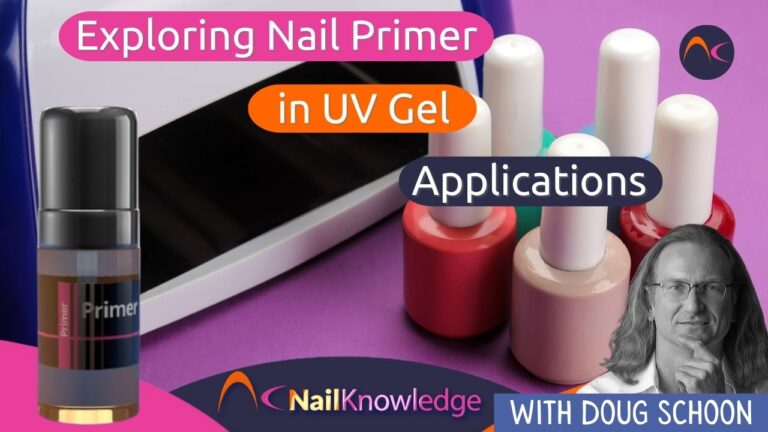
Explorando el papel de la base para uñas en las aplicaciones de uñas de gel UV

In the realm of nail care and beautification, one recurring question perplexes both professionals and enthusiasts alike: Can nail primer serve as a suitable bonding layer for UV gel nails?

The practice of applying a nail primer pen on the natural nail, curing it, and subsequently applying the building gel has sparked curiosity regarding the necessity of a specifically formulated product.

Below Doug Schoon delves into the intricacies of nail primer usage in UV gel nail applications, shedding light on its effectiveness and the potential need for specialised formulations.

Preocupaciones con los lápices de imprimación para uñas

There are several issues here, but I will try to address them all. First, I don’t recommend primer pens, since these are multi-use devices that can become contaminated with nail oils.

In my view, it is better to use a brush and bottle to be disposed of after use- not refill. Refilling allows oily contaminants to be transferred from the nail plate to the brush and into the product in the container.

Importancia de los adhesivos para uñas en las aplicaciones de gel UV

If UV gels require a nail bonder or primer layer which improves adhesion of the nail coating, then it should be used.  Otherwise, I would not recommend this to be done.  It is easy to see that too little adhesion causes lifting problems, but nail professionals often don’t stop to think about the problems caused by TOO MUCH adhesion.

El uso de una imprimación, cuando no es necesaria, puede crear demasiada adherencia, lo que dificulta la retirada, lleva más tiempo y puede aumentar los riesgos de daños en las uñas relacionados con los procesos de retirada.

Prevención de daños en las uñas: Técnicas adecuadas para retirar los esmaltes de uñas

Improper removal of nail coatings are top causes for nail damage.  Many become impatient and use forceful techniques to more quickly remove the nail coatings. When this occurs and nail damage results, many explain away the damage by fooling customers into thinking their nails are just dry, when actually the nail surface has been damaged due to improper removal.

My main point is this, if the directions for the UV gel don’t “specifically” mention the use of a nail primer, then a primer should NOT be used.

Cómo evitar que se levante el esmalte de uñas: El papel de una técnica adecuada sobre los imprimadores de uñas

Many times, a nail primer is used as a crutch to hide improper techniques. If the nail technician does a poor job preparing the nail plate, or they incorrectly apply the product, or they improperly cure with the wrong nail lamp, these can all result in lifting- premature loss of adhesion.

In these cases, the solution is NOT to use primer, instead, the best solution is to correct the issues that are causing the nail coatings to lift. If the UV gel doesn’t require the use of a primer in their directions or instructions, then don’t use one or this can create excessive adhesion and the nail coatings will be much more difficult and time consuming to remove.

Prevención de daños en las uñas: Alternativas a los Imprimadores

Many nail technicians will forcibly remove the nail coatings- which leads to nail plate thinning, pitting, splits, cracks, peeling and surface white spots. Instead of using a nail primer, it would be wiser to seek out the reason for the low adhesion and solve the problem. Maybe the client’s nails need more careful cleaning and preparation. Or perhaps, the professional needs to invest in purchasing and using the correct nail lamp, the one designed for use with the UV gel.  Or maybe they should take a manufacturer’s class to learn the proper application techniques. 

Responsabilidad y medidas correctivas en el cuidado de las uñas

Los técnicos de uñas son responsables de sus actos y de cualquier daño causado por sus acciones inadecuadas. Inventar sus propios procedimientos y hacer caso omiso de las instrucciones es un motivo frecuente de problemas en las uñas. En lugar de utilizar imprimaciones para corregir problemas creados por un uso incorrecto, los profesionales de las uñas deben abordar y resolver el problema correctamente. 

Preocupaciones con la base para uñas y el gel UV

Allergic Reactions and Industry Challenges

For instance, nail primer may improve adhesion when nail coatings aren’t fully cured, but then nail technicians or clients could develop allergic reactions to improperly cured dusts. The nail technician is not likely to realize they’re improperly curing, so they won’t take any steps to solve the real problem. Don’t make up your own directions/instructions. This is one of the greatest challenges facing the nail industry and a leading reason why most women are afraid of nail salon services and refuse to go to salons. Improper use of nail coatings, is the main reason why the nail industry isn’t growing and attracting more customers.

Publicado en: Información general, Lociones, pociones y abrillantadores, Gel UV

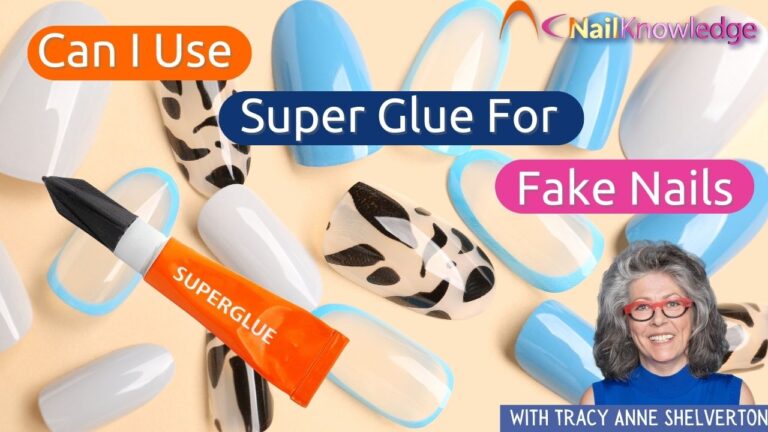
Los peligros de usar pegamento para uñas postizas

Los riesgos de usar pegamento para uñas postizas

In this blog, we explore the risks of using superglue for fake nails, like press-ons and fiberglass extensions, and explain why it’s crucial to steer clear of this practice.

In the pursuit of beautiful fake nails, some may resort to using unconventional methods, such as substituting super glue for proper nail adhesives. However, this practice can pose significant risks to both nail health and your overall well-being.

Efectos del pegamento en las uñas postizas o naturales

Although superglue is effective for specific purposes, it’s not intended for use on either fake nails or natural nails. Unlike nail adhesives formulated for cosmetics, superglue contains harsh chemicals that can result in adverse reactions and lasting damage.

Cuando se aplica a las uñas, el superglue puede:

  • Trigger Allergic Reactions: El superglue puede causar reacciones alérgicas graves, que pueden dar lugar a sensibilizaciones de por vida. Estas reacciones pueden manifestarse como irritación cutánea, hinchazón o incluso problemas respiratorios.
  • Cause Nail Coating Hardening: The rigidity of superglue can harden the nail coating excessively, resulting in damage to the delicate nail bed and surrounding tissues.
  • Inducir quemaduras químicas: La naturaleza reactiva del superglue puede provocar quemaduras químicas al entrar en contacto con la piel, lo que supone un riesgo importante durante la aplicación de la uña y hace casi imposible su retirada.

Los riesgos de sustituir la resina por pegamento en las extensiones de uñas

Cuando se trata de extensiones de uñas, sobre todo las de fibra de vidrio, una adhesión adecuada es crucial para la durabilidad y la seguridad. Aunque algunos pueden considerar el uso de superglue como sustituto de la resina, esto plantea varios riesgos:

  • Reacciones alérgicas: Las personas pueden experimentar reacciones alérgicas graves al superglue, poniendo en peligro no sólo la salud de sus uñas, sino también su bienestar general.
  • Daños en las uñas: Superglue’s adhesive properties can lead to excessive hardening of the nail coating, potentially causing irreversible damage to the nail bed and surrounding tissues.
  • Quemaduras químicas: La aplicación o retirada incorrecta de superglue puede provocar quemaduras químicas, causando dolor, molestias y daños en la piel a largo plazo.

Consejos para recuperar las uñas y prácticas seguras

Para salvaguardar la salud de las uñas y favorecer la recuperación de cualquier daño causado por el superglue u otros adhesivos inadecuados, tenga en cuenta los siguientes consejos:

  • Busque ayuda profesional: If you experience adverse reactions or nail damage, consult a qualified nail technician or dermatologist for proper assessment and treatment.
  • Evite los arreglos caseros: No intentes reparar las uñas con pegamento u otros adhesivos no autorizados. Pueden agravar los problemas existentes y provocar más daños.
  • Elija alternativas seguras: Opte por adhesivos de calidad cosmética específicamente formulados para uñas postizas, que garantizan la seguridad y eficacia durante la aplicación y el uso.
  • Dar prioridad a la salud de las uñas: Practice good nail care habits, such as keeping nails clean and moisturized, avoiding harsh chemicals, and giving nails adequate rest between applications.

To Summarise – Prioritise Nail Health and Safety

In the pursuit of beautiful nails, it’s crucial to prioritise health and safety above all else. Using superglue for fake nails, including press-ons and fiberglass extensions, poses significant risks that outweigh any potential benefits. By understanding the dangers associated with improper nail adhesives and following safe practices, individuals can maintain healthy, beautiful nails for years to come. Remember, when it comes to nail care, safety always comes first.

Publicado en: Información general, Lociones, pociones y abrillantadores

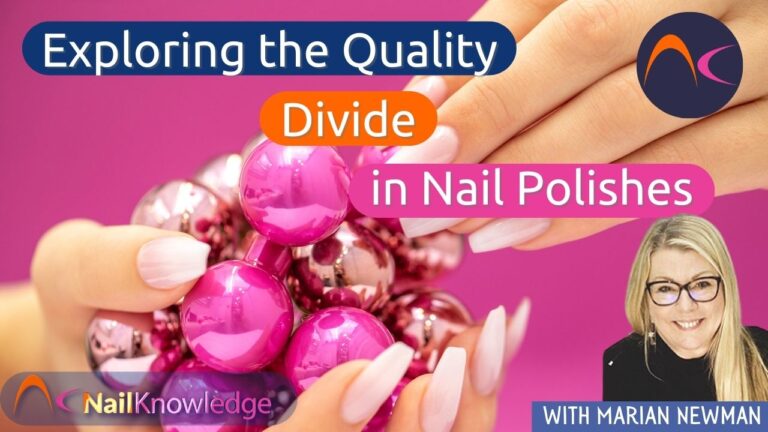
Explorando la brecha de calidad en los esmaltes de uñas

Esmaltes de uñas económicos y de lujo

The quality of nail polish can be assessed based on several characteristics, and it’s not solely determined by the price. Here are some factors to consider when evaluating the quality of nail polish:

1. Pigmentación: Un esmalte de uñas de alta calidad debe tener una pigmentación de color excelente, es decir, que cubra por completo con pocas capas. Los esmaltes más baratos pueden requerir varias capas para conseguir el color deseado.

 2. Longevidad: Quality esmalte de uñas should have good staying power and resist chipping and fading for an extended period. More expensive options often have better staying power.

 3. Aplicación suave: Look for nail polishes that apply smoothly without streaks or bubbles. High-end polishes tend to have better consistency.

 4. Secado rápido: Un buen esmalte de uñas debe secarse con relativa rapidez, reduciendo las posibilidades de que se corra o manche.

 5. Acabado: Los esmaltes de uñas tienen distintos acabados, como mate, brillante o metalizado. La calidad del acabado debe ajustarse a tus preferencias.

 6. Ingredientes: Some people prefer nail polishes that are free from harmful chemicals like formaldehyde, toluene, and dibutyl phthalate. High-quality brands may offer more “3-free” or “5-free” options.

 7. Reputación de marca: Las marcas de esmaltes de uñas establecidas y reputadas suelen invertir en investigación y desarrollo para crear productos de alta calidad. Su reputación puede ser un indicador de calidad.

 8. Precio: While price isn’t the only factor, more expensive nail polishes may contain better ingredients and have superior formulas.

9. Impacto del envasado: La calidad y el diseño del envase pueden influir en el valor percibido del esmalte y en el precio. Un envase de calidad superior puede contribuir a elevar el precio, mientras que un envase más sencillo puede resultar más económico.

10. Formulaciones vegetales: With growing consumer demand for eco-friendly and sustainable products, nail polish brands are increasingly offering plant-based formulations. These formulations often prioritise natural and renewable ingredients, providing an alternative for those seeking environmentally conscious nail care options.

Cómo comprar esmalte de uñas: Equilibrio entre calidad y presupuesto

It’s not always the case that budget-priced polishes are of lower quality, but they may not always meet the same standards as more expensive ones. It can be a bit of trial and error to find a budget-friendly nail polish that performs well for your specific needs. Ultimately, the choice depends on your preferences, budget, and the desired result. Some people find value in investing in higher-end nail polishes for special occasions or long-lasting wear, while others may be perfectly satisfied with budget options for everyday use.

Publicado en: Información general, Lociones, pociones y abrillantadores

  • « Ir a la página anterior
  • Página 1
  • Páginas intermedias omitidas ...
  • Página 9
  • Página 10
  • Página 11
  • Página 12
  • Página 13
  • Páginas intermedias omitidas ...
  • Página 30
  • Ir a la página siguiente »

Mejora tus conocimientos sobre uñas

Suscríbase a nuestro boletín
SUSCRÍBETE...

Copyright © NailKnowledge

Conocimientos de uñas

  • Libros electrónicos
  • Quiénes somos
  • Cursos
  • Noticias
  • Blog
  • Boletín
  • Glosario

Políticas

  • Página de privacidad
  • Condiciones generales
  • Política de cookies

Ayuda

  • Póngase en contacto con nosotros
  • Pregunte a los expertos
  • Soporte del sistema
  • Preguntas frecuentes
Spanish
Spanish
English Portuguese Vietnamese