Lo aceptes o no, estés de acuerdo o no, te ofenda o no, todo esto forma parte del siglo XXI y es mejor comprenderlo.
Creo que todos, como profesionales de las uñas, reconocemos la necesidad absoluta de diversidad e inclusión. Ya sea refiriéndonos a personal o clientes, NO DEBEMOS discriminar ninguna de las 9 características protegidas mencionadas en la Ley de Igualdad de 2010. Estas son: edad, discapacidad, reasignación de género, matrimonio y asociación civil, embarazo y maternidad, raza, religión o creencias, sexo u orientación sexual.
Pero, ¿por qué discriminar? Si una persona es buena en su trabajo, ¿qué importa su raza o sexo? Si un cliente está dispuesto a pagarte por un servicio, ¿qué importa el color de su piel, su sexo o el género con el que se identifique?
Veo demasiadas preguntas de ‘¡shock horror!’ en Facebook sobre una mujer que se hizo mejoras, por ejemplo, ¡pero solía ser un hombre! ¿Y qué?
Basta con un poco de educación, comprensión y amabilidad humana. Desde un punto de vista puramente comercial, hay un mercado enorme al que le encantaría sentirse cómodo y bienvenido cuando le hacen las uñas o cualquiera de los otros servicios y tratamientos de belleza.
Centrémonos en algunos de los temas comunes que surgen: género, ser transgénero, identidad de género y (lo que **aún** asusta tanto a algunos) el VIH.
Es posible que haya notado que a menudo en la actualidad, hay una divulgación de pronombres asociada con una persona, por ejemplo, ella/ella, él/él, ellos/ellos (lo noté en la reciente serie Glow Up para los concursantes). Personalmente, me he encontrado con esto durante varios años, ya que hay muchas modelos de moda que se identifican como no binarias o trans. Tengo que admitir que los pronombres “ellos/ellos” tardaron un poco en acostumbrarse. Si pensé que podría haberme equivocado, entonces solo toma la pregunta “¿lo hice bien?’ y todo está bien.
Si una situación así te ofende, entonces tienes que informarte más sobre el tema. Tú eres el profesional y ellos son los clientes. No puedes discriminar. Fin de la cuestión.
Para muchas personas trans, puede ser un viaje difícil (¡como muchas cosas en la vida!). Ser aceptado sin juzgar es todo lo que se necesita. ¿Podrían los pronombres ser una pregunta útil en los formularios de consulta? Podría ayudar a evitar ofensas y es una práctica común hoy en día en tantas situaciones.
Pasemos al VIH. Esto se encuentra dentro del aspecto de “discapacidad” de las características protegidas. Muchos de nosotros habremos sido entrenados para evitar a cualquier cliente con VIH, o, como mínimo, tratarlo como ciudadanos de segunda clase que infectarán a la raza humana. ¡Bueno, los tiempos han cambiado!
He invitado a Sam Marshall a añadir sus pensamientos en este Blog. Ella es una gran defensora de la comprensión del VIH y los temas LGBTQIA+ y está mucho mejor versada en este vasto tema que yo.
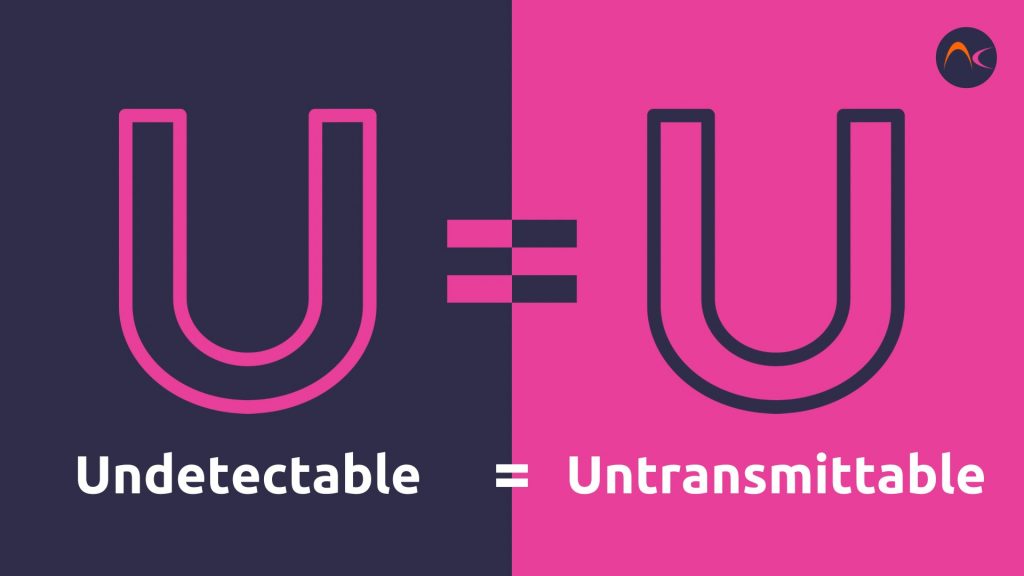
Las personas que viven con el VIH con tratamiento efectivo pueden ahora tener una vida larga, plena y saludable. Además, la mayoría de las personas que viven con el virus son “INDETECTABLES”, lo que también significa que son “INTRANSMISIBLES”, lo que básicamente significa que no puedes contagiarte de ellas.
Tampoco tienen que revelar su estado a nadie, y usted no debería preguntarles. Lógicamente, si hace la pregunta, luego deberá negar el tratamiento a cualquiera que no haya tenido una prueba negativa recientemente o a alguien positivo que no sea indetectable y tener una razón válida en su evaluación de riesgos.
En resumen, su estado no es asunto tuyo. Si te encuentras con una punción de aguja, una abrasión de una lima que te sacó sangre o de otra manera que te causó sangre en la piel (¡usas guantes para empezar!), seguirías el mismo procedimiento independientemente de la situación.
De hecho, es realmente difícil contraer el VIH, y nunca ha habido casos conocidos en las industrias de uñas, cabello o belleza. Jamás. En cuanto a las empresas que preguntan si los clientes tienen SIDA... bueno... no se muere de SIDA, se muere de una enfermedad relacionada con el SIDA y no estarías saliendo para una manicura rápida.
Si esta pregunta figura en sus formularios de consulta, por favor, quítenla. He cuestionado a muchas empresas por este motivo y ninguna me ha dado una razón decente.
Para más información, visite www.tht.org.uk o www.ght.org.uk y no dude en enviarme un correo electrónico directamente a [email protected]
Para obtener más información sobre la sensibilización de las personas trans, tengo un seminario web que se celebrará el 30 de septiembre.th 7 de junio de 7 p. m. a 9 p. m. junto con Keri de “Hair Has No Gender” a un precio de solo £45.
Para reservar, haga clic en este enlace:
@beautygurusam
Para concluir: somos una industria de servicios que trata con el público en general. No descarte a una gran parte de la humanidad porque no la entienda o porque le ofenda. Cada adulto es un cliente potencial. Dé la bienvenida a todos, haga que todos se sientan cómodos y bienvenidos, e incluso haga un esfuerzo especial por dar la bienvenida a todas las comunidades LGBTQIA+ y a las personas que viven con VIH a sus salones. Son clientes que pagan y que solo quieren aceptación (¡y no, no va a ‘contagiarse’ de nada!).