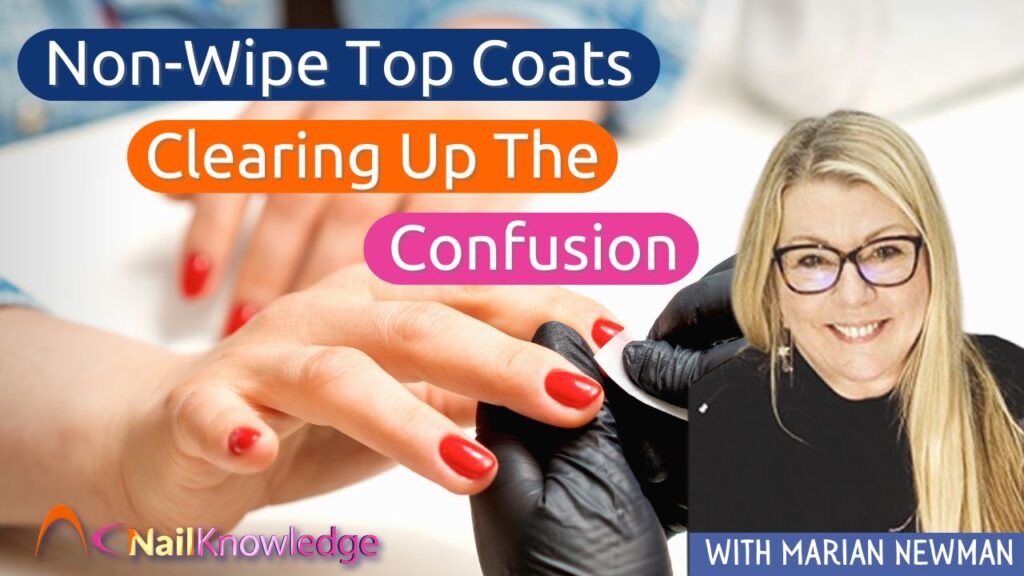
Esta pregunta nos la hacen a menudo: “¿Las capas superiores sin limpieza realmente necesitan limpieza?” Con tanta información contradictoria, es comprensible sentirse inseguro. La seguridad es esencial y conocer los hechos ayuda a protegerte a ti y a tus clientes de posibles alergias o irritaciones.
Para ayudar a aclarar las cosas, aquí tienes un desglose detallado de los top coats sin wipe, por qué algunas personas aún eligen limpiar, y cómo usarlos de manera segura y efectiva.
¿Qué es un barniz de acabado que no se limpia?
- Esmaltes de acabado que no se limpian están diseñados para curar completamente sin dejar una capa de inhibición pegajosa o pegajosa después de curarse bajo una lámpara UV o LED.
- Esto significa, en teoría no necesitas limpiar la uña con alcohol o cualquier limpiador después de curar.
Por qué algunas personas podrían seguir limpiándose
- MalentendidoAlgunas personas pueden estar acostumbradas a los top coats tradicionales (que sí dejan una capa de inhibición) y limpiarlos automáticamente sin darse cuenta de que es innecesario.
- Preferencia de brillo o textura: En ocasiones, la gente cree que pasar un paño mejora el brillo o el tacto del top coat. Sin embargo, en el caso de los auténticos top coats que no se limpian, este paso es innecesario.
- Cuestiones de seguridad: Algunos técnicos preocupan que el producto sin curar pueda quedar, causando alergias o dermatitis de contacto. Sin embargo, si el producto cura correctamente bajo una lámpara UV/LED calibrada, debería estar completamente fijado y no deberían quedar sustancias nocivas. Si te preocupan los casos de alergias, sigue limpiando la capa curada por si queda algún material sin curar. Recuerda limpiar desde la base hasta la punta cada vez y empezar por el dedo meñique.
Prácticas recomendadas para utilizar con seguridad un top coat sin paño
- Siga las instrucciones del fabricanteAsegúrate de estar usando un top coat específicamente formulado como producto sin limpiar. Confía siempre en las pautas del fabricante y utiliza los tiempos de curado y las lámparas correctas que recomienden.
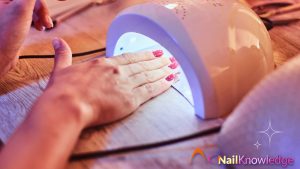
- Curado adecuado: Asegúrate de que tu lámpara UV/LED sea adecuada (verifica la potencia y los tiempos de curado). Un producto con curado insuficiente puede provocar que los monómeros no curados causen irritación o alergias en la piel.
- Compruebe la superficieDespués de curar, si la uña se siente completamente suave y seca, no es necesario limpiarla. Si se siente pegajosa, puede haber un problema con el proceso de curado, o podría no ser una fórmula verdadera sin limpiar.
- Pruebe regularmente su lámpara: Con el tiempo, las lámparas pueden perder su eficacia. Asegúrese de que la lámpara funciona correctamente para evitar un curado incompleto.
- Concienciación sobre las alergias: Si usted o sus clientes tienen la piel sensible, asegúrese de evitar el contacto directo del producto sin curar con la piel, ya que puede aumentar el riesgo de alergias.
Conclusión
Si tu capa superior (top coat) está etiquetada como un producto sin limpieza (non-wipe) y la estás usando correctamente con una lámpara que funciona bien, no hay necesidad de limpiar. Consejos inconsistentes pueden surgir de malentendidos o preocupaciones sobre el curado adecuado. Confía en las pautas del producto y asegúrate de tener buenas prácticas de curado para mantenerte seguro a ti y a tus clientas.
Si aún se siente inseguro, considere comunicarse directamente con el soporte al cliente del fabricante para obtener aclaraciones o asesoramiento adicional adaptado a su producto.