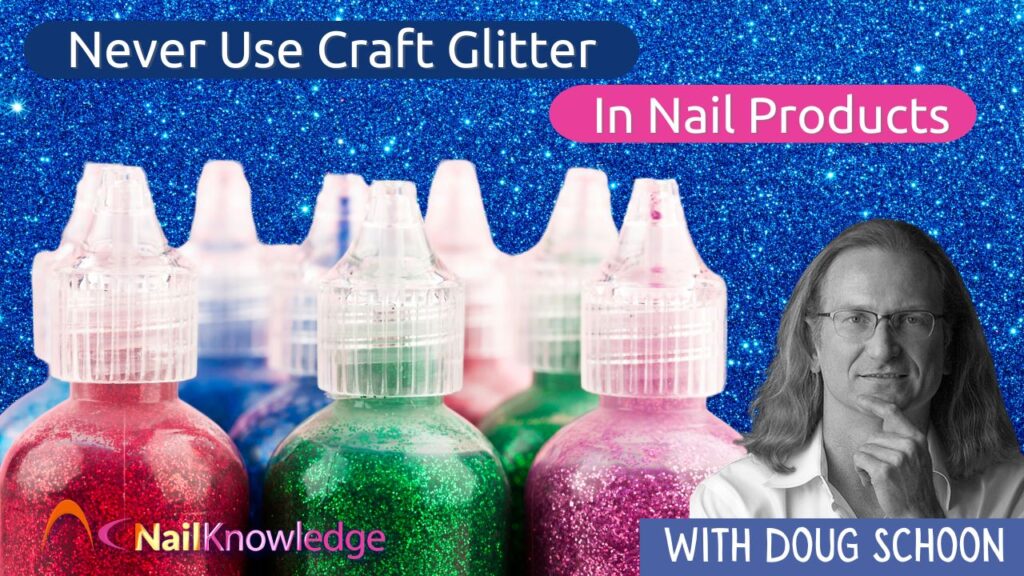
Recibimos esta pregunta con mucha frecuencia: “¿Puedo usar brillantina para manualidades con productos para uñas en lugar de brillantina hecha específicamente para uñas? ¿No son básicamente lo mismo?” Si bien puede parecer un intercambio inofensivo, existen razones importantes por las que la brillantina para manualidades nunca debe usarse en aplicaciones de uñas. Profundicemos en los detalles para aclarar cualquier confusión y explicar los riesgos potenciales.
Por qué sólo las purpurinas cosméticas son seguras para las uñas
En mi opinión, las brillantinas artesanales vendidas para manualidades no deben usarse para la aplicación de arte en uñas y nunca deben mezclarse con productos para uñas. Recomiendo usar solo brillantinas y otros colorantes de grado cosmético. No solo cualquier colorante de grado cosmético, sino aquellos que se venden específicamente para su uso en cosméticos para recubrimiento de uñas. ¿Por qué? Hay varias buenas razones por las que creo que esto es cierto. Muchos países, incluidos Estados Unidos, Canadá, Australia y los de la Unión Europea, entre otros, tienen regulaciones específicas sobre qué tipos de colorantes se pueden usar en cosméticos. Esto se hace para garantizar la seguridad. Los que se usan para manualidades u otros usos no cosméticos no están diseñados para el tipo de contacto que puede ocurrir con los cosméticos y pueden causar reacciones adversas en la piel.
Una advertencia de la vida real: Reacciones alérgicas a la purpurina para manualidades
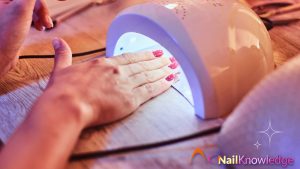
Un ejemplo de lo que puede suceder cuando se usan colorantes inadecuados. Esto se informó en una revista médica de gran prestigio en 2012. Varios médicos informaron un estudio de caso que involucraba a una paciente que acudió a ellos con una reacción alérgica después de usar recubrimientos de uñas de gel UV durante aproximadamente un año. Esta ama de casa de 37 años nunca antes había experimentado ningún tipo de reacción alérgica cutánea. Durante tres meses, recibió servicios de uñas artificiales de un profesional de uñas y luego decidió que ella podría “hacerlo ella misma”. Ese fue el primer error que cometió. Después de unos siete meses, desarrolló múltiples llagas intensamente picantes en la piel que rodeaba sus uñas y en las palmas de ambas manos.
Para determinar por qué estaba experimentando esta reacción cutánea adversa, su médico le hizo una prueba cutánea estándar con parches, en la que se expuso su piel a pequeñas cantidades de una amplia gama de sustancias comunes que producen alergia, así como al producto para uñas que estaba utilizando.
Los resultados de la prueba fueron sorprendentes. La prueba cutánea demostró que ella NO estaba reaccionando a ningún producto de recubrimiento de uñas, como los médicos podrían haber sospechado inicialmente. En cambio, estaba teniendo una reacción alérgica sorprendentemente fuerte a otra sustancia común productora de alergias incluida en la prueba de parche. Reaccionó fuertemente a una sustancia llamada “cloruro de cobalto”, lo que pareció bastante extraño hasta que se interrogó más a la paciente.
La doctora se enteró de que ella había comprado unos “purpurinas artesanales” por Internet y había estado mezclando sus propias combinaciones de colores que aplicaba en sus propias uñas. Ese fue su segundo error. Tras una investigación más profunda, se supo que el “cobalto” figuraba como ingrediente en las purpurinas. El ingrediente de cobalto en las purpurinas artesanales fue el único responsable de su reacción alérgica en la piel. Una vez que dejó de usar las purpurinas artesanales, estos problemas de piel desaparecieron.

Los peligros de los colorantes no cosméticos en los productos para uñas
Los colorantes cosméticos no contienen cobalto, níquel, cromo u otros metales similares, porque se sabe que causan reacciones alérgicas en la piel. No todos los metales causan alergias en la piel. El titanio es un ejemplo de uno que no. Estos metales que causan alergias y sus derivados nunca deben usarse en ningún producto cosmético. Incluso inhalar el polvo de estos colorantes metálicos que causan alergias puede ser perjudicial. También es importante entender que no todos los colorantes cosméticos son útiles para la aplicación en uñas.
Algunos contienen aditivos especiales que pueden contribuir a la falla del servicio de recubrimiento de uñas. Por ejemplo, algunos colorantes cosméticos tienen una superficie recubierta de silicona que puede impedir la adhesión y contribuir a problemas de levantamiento. Mientras que otros contienen aditivos que les permiten dispersarse en agua, haciéndolos incompatibles con los productos de recubrimiento de uñas. Su uso puede debilitar el recubrimiento de las uñas y hacer que sea más probable que se agriete o se rompa.
Por qué son importantes las marcas de confianza y los distribuidores autorizados
Los fabricantes responsables seleccionan y prueban las brillantinas y los pigmentos de color antes de venderlos; eligen aquellos que son seguros para su uso y que son compatibles con los productos de recubrimiento de uñas. Esto elimina las conjeturas y ayuda a proteger la seguridad de los profesionales de uñas y sus clientes. Ahora puedes ver por qué recomiendo que los profesionales de uñas utilicen solo brillantinas y colorantes diseñados específicamente para productos de uñas. Pero hay más, recomiendo comprar solo al fabricante o a sus distribuidores autorizados. Internet está lleno de productos falsificados que pueden ser inseguros y contener sustancias potencialmente peligrosas que NO deben usarse en productos cosméticos.
Evite las falsificaciones: recurra a distribuidores autorizados y marcas de confianza
Escribí una Actualización Educativa que advierte a los profesionales de salones sobre este problema. En esa Actualización, recomiendo evitar comprar productos profesionales de salón por Internet, a menos que el producto sea vendido por un distribuidor “autorizado”. Los productos falsificados a menudo son vendidos por distribuidores no autorizados, ¡así que ten cuidado! Estos se pueden encontrar en toda Internet. También recomiendo ceñirse a productos de marcas reconocidas y respetadas. De lo contrario, nunca se sabe lo que se está comprando o lo que se está usando en sus servicios. Pueden parecer más baratos, pero son más baratos por una razón. La mayoría de las veces, los ingredientes seguros han sido sustituidos por ingredientes más baratos que pueden ser inseguros.