• Pular para navegação primária
  • Pular para o conteúdo principal
  • Pular Rodapé
NailKnowledge

NailKnowledge

  • Cursos
  • Livros eletrônicos
  • Cesta de livros eletrônicos
  • Base de conhecimento
    • Base de conhecimento
    • Pergunte aos especialistas
    • Glossário
  • Notícias
  • Blog
  • Galeria
    • Galeria de arte para unhas
    • Artistas de unhas
    • Junte-se à elite
  • Login

Informações gerais

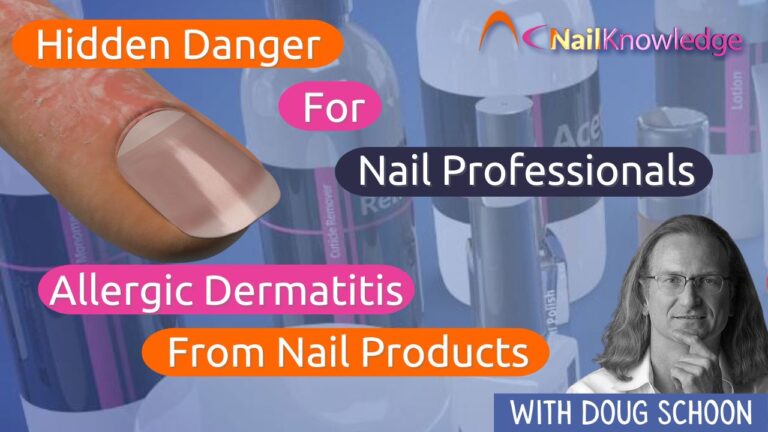
Pregoeiros: Dermatite alérgica causada por produtos para unhas

Working as a nail technician can be a fulfilling career, offering the opportunity to create beautiful manicures and boost clients’ confidence. However, amidst the artistry and client satisfaction lies a hidden danger for some: allergic reactions to nail products, such as UV gels, which can result in allergic dermatitis. Despite the meticulous care taken by many technicians, exposure to these substances poses significant risks and challenges that need to be addressed effectively.

Abordamos as experiências de uma dessas técnicas de unhas que, apesar de tomar precauções, se viu lutando contra reações alérgicas debilitantes. Por meio de sua história e de insights de especialistas do setor, revelamos a importância de medidas de segurança, conhecimento de produtos e estratégias proativas para evitar a dermatite alérgica e preservar a saúde e a longevidade da carreira.

O dilema da dermatite alérgica em técnicos de unhas

Essa é uma dúvida comum que recebemos de técnicos de unhas que estão enfrentando o desafio assustador das reações alérgicas aos géis UV.

Unfortunately, my initial training using UV gels wasn’t great and I had overexposed myself before I knew it was a problem. Now, despite taking plenty of precautions I have severe reactions. I am very careful to use nitrile gloves and protect my hands, but sadly it’s not working. I have the most severe case of allergic dermatitis that is debilitating at times.  I have had allergy patch testing and know I am allergic to my products. Is there any hope for me? Or do I have to start considering giving up my job?

Doug Schoon’s Insights: Preventing Allergic Reactions in Nail Technicians

Wow, what can I say?  Other than “Don’t let this happen to you”.  The same will happen to many others because they don’t take the necessary precautions to work safely.

O papel dos ingredientes e as precauções

People don’t become allergic to products, they become allergic to ingredients, so switching products usually won’t help them. Often these problems are a result of mixing products not intended to be used together or using the wrong nail lamp OR using pigments, glitters or other colorants that are not safe for cosmetic use. Or just from constantly exposing the skin to under cured dust/filings.

Decisões difíceis para os técnicos de unhas que enfrentam a dermatite alérgica

Luvas de nitrilo descartáveis para técnicos e profissionais de unhas
As luvas de nitrilo descartáveis são a melhor opção para salões de beleza, sendo a espessura de 8 milímetros a melhor.

Sadly, the best answer when extreme conditions like this occur is, “find a new line of work and stop using or wearing nail coating products forever”. Once a serious allergy develops, it will most likely worsen with each additional exposure. It sounds like that’s what has happened to this soon to be “former” nail technician.  

Preventing Skin Problems in Nail Technicians (Prevenção de problemas de pele em técnicos de unhas): Estratégias-chave para a intervenção precoce

At the first signs of skin problems, this nail technician could have prevented problems from worsening simply by ensuring proper cure and avoiding skin contact with dust, filings, sticky layers, UV gel, etc. 

Keeping brush handles, containers and other objects free of sticky UV gel residues is also important.

Entendendo a função dos cremes de barreira para os técnicos de unhas

To make gloves more effective, some will wear “barrier creams” underneath their gloves and on the wrist and forearms.  Barrier creams are skin coating creams that can slow penetration of allergy causing substances into the skin where they activate allergic reactions.

No entanto, os cremes de barreira NÃO substituem as luvas e devem ser usados com cautela, pois geralmente contêm ingredientes da família do silicone.

Even small traces of silicones can block adhesion if they contaminate the nail plate, so be sure to carefully clean the client’s nail plates and avoid getting any silicone containing cream or lotion on tools or brushes.

Preserve sua carreira: Priorize as medidas de segurança

Finally, protect your career and the investment you’ve made to get where you are today. Please be serious about working safely. 

Arquivado em: Informações gerais, Saúde e segurança, Líquido e pó, Gel UV

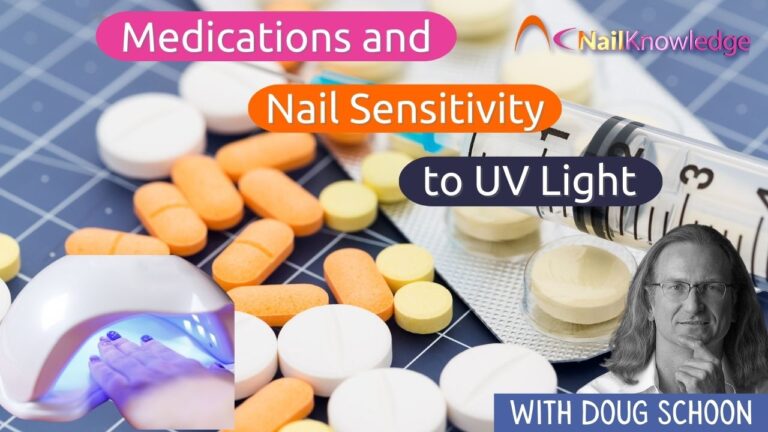
Medicamentos e sensibilidade das unhas à luz UV

Recentemente, um cliente fez uma pergunta importante sobre os possíveis efeitos dos medicamentos na saúde das unhas, especialmente em relação à exposição aos raios UV. Entendemos a importância desse tópico e estamos aqui para esclarecer como determinados medicamentos podem afetar a sensibilidade das unhas à luz UV.

O uso de um medicamento que aumenta a sensibilidade aos raios UV pode causar reações adversas na pele ao usar uma lâmpada UV para unhas.

Entendendo a fotossensibilidade induzida por medicamentos na saúde das unhas

As placas ungueais em si não são afetadas negativamente, mas a pele pode se queimar mais facilmente durante o uso desses medicamentos ou tratamentos. Isso é chamado de "fotossensibilidade" e pode levar à irritação da pele ou a uma resposta alérgica.

Fotossensibilidade induzida por medicamentos: Medicamentos orais e tópicos

Isso pode ocorrer com medicamentos tomados por via oral ou aplicados topicamente. O exemplo mais conhecido é o antibiótico tetraciclina, mas há várias dezenas de medicamentos que podem causar esse tipo de sensibilidade.

Normalmente, a pele reage em minutos, mas às vezes a reação demora algumas horas. Em geral, a reação aparece como vermelhidão ou inchaço exagerados e pode haver formação de bolhas. A pele pode ficar com muita coceira. A reação nem sempre é isolada na área de exposição e até mesmo a pele adjacente não exposta pode apresentar sintomas.

Medidas de proteção e orientação médica para minimizar a exposição aos raios UV

Usar protetor solar ou cobrir a mão com um pano ou luvas de proteção UV pode ajudar a minimizar a exposição. No entanto, para orientações que envolvam medicamentos, é sempre melhor perguntar ao médico que os prescreveu. Nesses casos, o médico provavelmente aconselhará o paciente a ignorar esses serviços até que ele termine de tomar a medicação. É melhor prevenir do que remediar, como diz o ditado.

Arquivado em: Informações gerais, Líquido e pó, Gel UV

A jornada do óleo de jojoba e da vitamina E na placa ungueal

Have you ever wondered how certain ingredients like jojoba oil and Vitamin E work their magic in nail care products? One reader’s query led us to delve into the science behind these ingredients and their ability to penetrate the nail plate. Join us as we uncover the mysteries behind jojoba oil, Vitamin E (tocopherol), and their role in promoting healthy nails.

Entendendo a terminologia: Tocoferol vs. Vitamina E nos cuidados com as unhas

First, I want to discuss some terminology. Vitamin E is a food supplement name for a substance that is properly named “Tocopherol”.  In other words, tocopherol is the correct cosmetic name that should appear on the label and the term vitamin should only be used for foods and ingested nutritional supplements. I’ll use the correct cosmetic ingredient name, of course, and so should manufacturers and marketers.

Tamanho da molécula e penetração na unha: Tocoferol vs. Óleo de Jojoba

O tocoferol é uma molécula muito grande e moléculas desse tamanho normalmente têm dificuldade para penetrar na placa ungueal, mas o mesmo pode ser dito do óleo de jojoba. Certas moléculas encontradas no óleo de jojoba têm um formato muito longo e elegante, em vez de um formato grande e volumoso, o que pode realmente fazer uma grande diferença. Concordo que as moléculas de vitamina E teriam dificuldade de penetrar sozinhas.

Most would likely sit on or near the surface of the nail plate, but that’s not a bad thing. Why it that? This is where tocopherols protective action is most needed, near the surface where sunlight and oxygen exposure create unwanted and potentially destructive chemical reactions that lead to discoloration and embrittlement of the nail plate and/or nail coatings.

Tocopherol is most needed on or near the surface, and it is less useful deep inside the nail plate or enhancement.

Aproveitamento do tocoferol: a ciência por trás da penetração e da proteção das unhas

Fiz testes com misturas de tocoferol e várias substâncias naturais óleos como o de jojoba and avocado oil and these studies indicated tocopherol did indeed slowly penetrate the nail plate over time and it seemed to concentrate near the surface.

These natural oils do act as carrier solvents for the tocopherol. That is NOT surprising since many vegetable oils naturally contain tocopherol. For example, wheat germ oil is the most concentrated natural source known for tocopherol. Therefore, I’m confident that some tocopherol does absorb, but not large amounts. However, large amounts of tocopherol aren’t needed, since it is highly effective in very low concentrations. 

This helps explain why nail oils which contain tocopherol, must be used regularly to ensure that a protective amount of tocopherol is always present. Of course, tocopherol can also be blended into a monomer liquid and/or UV gel to provide similar protective effects throughout the coating.  But, the real protective value of tocopherol is when it’s concentrated at the upper surface. Therefore, using a high-quality nail oil with tocopherol is a valid approach to protecting the integrity of both natural and artificial nails. 

Clarifying Tocopherol’s Role in Artificial Nail Products

Proteção vs. Absorção

When tocopherol is added to artificial nail products, it’s function is to protect the coating, not the nail plate. I am not aware of any evidence that demonstrates that any useful or significant amounts of “vitamins” can migrate from artificial nail coatings and absorb into the nail plate to provide benefits, so I recommend disregarding those claims until convincing evidence is provided.

Arquivado em: Informações gerais, Loções, poções e esmaltes

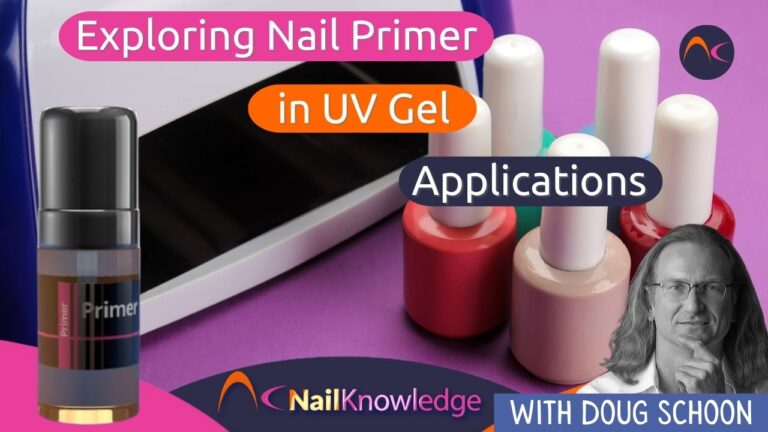
Explorando o papel do primer para unhas em aplicações de unhas de gel UV

In the realm of nail care and beautification, one recurring question perplexes both professionals and enthusiasts alike: Can nail primer serve as a suitable bonding layer for UV gel nails?

The practice of applying a nail primer pen on the natural nail, curing it, and subsequently applying the building gel has sparked curiosity regarding the necessity of a specifically formulated product.

Below Doug Schoon delves into the intricacies of nail primer usage in UV gel nail applications, shedding light on its effectiveness and the potential need for specialised formulations.

Como lidar com as preocupações com as canetas de primer para unhas

There are several issues here, but I will try to address them all. First, I don’t recommend primer pens, since these are multi-use devices that can become contaminated with nail oils.

In my view, it is better to use a brush and bottle to be disposed of after use- not refill. Refilling allows oily contaminants to be transferred from the nail plate to the brush and into the product in the container.

Importância dos adesivos de unha nas aplicações de gel UV

If UV gels require a nail bonder or primer layer which improves adhesion of the nail coating, then it should be used.  Otherwise, I would not recommend this to be done.  It is easy to see that too little adhesion causes lifting problems, but nail professionals often don’t stop to think about the problems caused by TOO MUCH adhesion.

O uso de um primer, quando não é necessário, pode criar uma adesão excessiva, o que torna a remoção mais difícil e demorada e pode aumentar os riscos de danos às unhas relacionados aos processos de remoção.

Prevenção de danos às unhas: Técnicas adequadas de remoção de revestimentos de unhas

Improper removal of nail coatings are top causes for nail damage.  Many become impatient and use forceful techniques to more quickly remove the nail coatings. When this occurs and nail damage results, many explain away the damage by fooling customers into thinking their nails are just dry, when actually the nail surface has been damaged due to improper removal.

My main point is this, if the directions for the UV gel don’t “specifically” mention the use of a nail primer, then a primer should NOT be used.

Evitando o levantamento do revestimento das unhas: O papel da técnica adequada sobre os primers para unhas

Many times, a nail primer is used as a crutch to hide improper techniques. If the nail technician does a poor job preparing the nail plate, or they incorrectly apply the product, or they improperly cure with the wrong nail lamp, these can all result in lifting- premature loss of adhesion.

In these cases, the solution is NOT to use primer, instead, the best solution is to correct the issues that are causing the nail coatings to lift. If the UV gel doesn’t require the use of a primer in their directions or instructions, then don’t use one or this can create excessive adhesion and the nail coatings will be much more difficult and time consuming to remove.

Prevenção de danos às unhas: Alternativas aos primers para unhas

Many nail technicians will forcibly remove the nail coatings- which leads to nail plate thinning, pitting, splits, cracks, peeling and surface white spots. Instead of using a nail primer, it would be wiser to seek out the reason for the low adhesion and solve the problem. Maybe the client’s nails need more careful cleaning and preparation. Or perhaps, the professional needs to invest in purchasing and using the correct nail lamp, the one designed for use with the UV gel.  Or maybe they should take a manufacturer’s class to learn the proper application techniques. 

Responsabilidade e ações corretivas no cuidado com as unhas

Os técnicos de unhas são responsáveis por suas ações e por qualquer dano causado por suas ações inadequadas. Criar seus próprios procedimentos e ignorar as instruções é um motivo comum para problemas nas unhas. Em vez de usar primers para corrigir problemas criados pelo uso incorreto, os profissionais de unhas devem abordar e resolver o problema corretamente. 

Preocupações com o primer para unhas e o gel UV

Allergic Reactions and Industry Challenges

For instance, nail primer may improve adhesion when nail coatings aren’t fully cured, but then nail technicians or clients could develop allergic reactions to improperly cured dusts. The nail technician is not likely to realize they’re improperly curing, so they won’t take any steps to solve the real problem. Don’t make up your own directions/instructions. This is one of the greatest challenges facing the nail industry and a leading reason why most women are afraid of nail salon services and refuse to go to salons. Improper use of nail coatings, is the main reason why the nail industry isn’t growing and attracting more customers.

Arquivado em: Informações gerais, Loções, poções e esmaltes, Gel UV

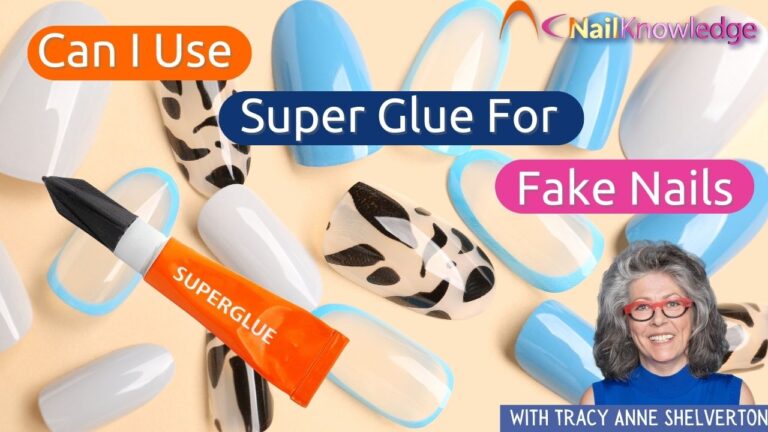
Os perigos de usar supercola em unhas postiças

Os riscos do uso de supercola para unhas postiças

In this blog, we explore the risks of using superglue for fake nails, like press-ons and fiberglass extensions, and explain why it’s crucial to steer clear of this practice.

In the pursuit of beautiful fake nails, some may resort to using unconventional methods, such as substituting super glue for proper nail adhesives. However, this practice can pose significant risks to both nail health and your overall well-being.

Entendendo os efeitos da supercola em unhas postiças ou naturais

Although superglue is effective for specific purposes, it’s not intended for use on either fake nails or natural nails. Unlike nail adhesives formulated for cosmetics, superglue contains harsh chemicals that can result in adverse reactions and lasting damage.

Quando aplicada nas unhas, a supercola pode:

  • Trigger Allergic Reactions: A supercola pode causar reações alérgicas graves, podendo levar a sensibilidades permanentes. Essas reações podem se manifestar como irritação da pele, inchaço ou até mesmo problemas respiratórios.
  • Cause Nail Coating Hardening: The rigidity of superglue can harden the nail coating excessively, resulting in damage to the delicate nail bed and surrounding tissues.
  • Induzir queimaduras químicas: A natureza reativa da supercola pode causar queimaduras químicas ao entrar em contato com a pele, o que representa um risco significativo durante a aplicação das unhas e torna a remoção quase impossível.

Os riscos de substituir a resina por supercola em extensões de unhas

Quando se trata de extensões de unhas, especialmente as de fibra de vidro, a adesão adequada é crucial para a durabilidade e a segurança. Embora algumas pessoas possam considerar o uso de supercola como substituto da resina, isso apresenta vários riscos:

  • Reações alérgicas: As pessoas podem apresentar reações alérgicas graves à supercola, colocando em risco não apenas a saúde das unhas, mas também seu bem-estar geral.
  • Danos às unhas: Superglue’s adhesive properties can lead to excessive hardening of the nail coating, potentially causing irreversible damage to the nail bed and surrounding tissues.
  • Queimaduras químicas: A aplicação ou remoção inadequada da supercola pode resultar em queimaduras químicas, causando dor, desconforto e danos à pele a longo prazo.

Dicas para recuperação de unhas e práticas seguras

Para proteger a saúde das unhas e promover a recuperação de qualquer dano causado por supercola ou outros adesivos inadequados, considere as dicas a seguir:

  • Procure assistência profissional: If you experience adverse reactions or nail damage, consult a qualified nail technician or dermatologist for proper assessment and treatment.
  • Evite consertos DIY: Evite tentar fazer reparos nas unhas usando supercola ou outros adesivos não aprovados. Isso pode agravar os problemas existentes e causar mais danos.
  • Escolha alternativas seguras: Opte por adesivos para unhas de grau cosmético formulados especificamente para unhas postiças, garantindo segurança e eficácia durante a aplicação e o uso.
  • Priorizar a saúde das unhas: Practice good nail care habits, such as keeping nails clean and moisturized, avoiding harsh chemicals, and giving nails adequate rest between applications.

To Summarise – Prioritise Nail Health and Safety

In the pursuit of beautiful nails, it’s crucial to prioritise health and safety above all else. Using superglue for fake nails, including press-ons and fiberglass extensions, poses significant risks that outweigh any potential benefits. By understanding the dangers associated with improper nail adhesives and following safe practices, individuals can maintain healthy, beautiful nails for years to come. Remember, when it comes to nail care, safety always comes first.

Arquivado em: Informações gerais, Loções, poções e esmaltes

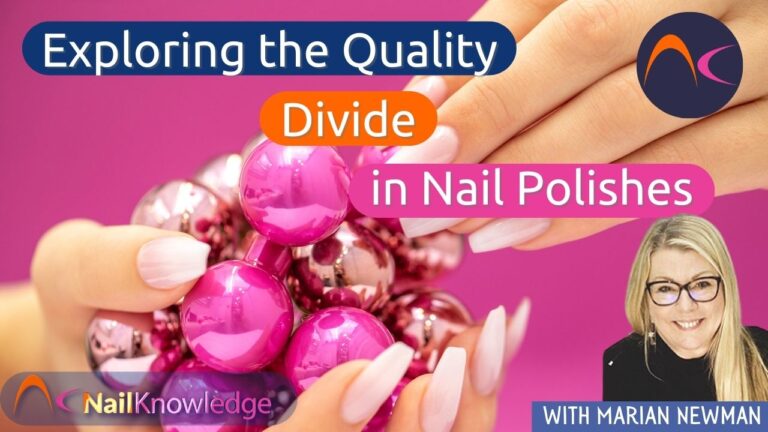
Explorando a diferença de qualidade dos esmaltes de unha

De esmaltes econômicos a esmaltes de luxo

The quality of nail polish can be assessed based on several characteristics, and it’s not solely determined by the price. Here are some factors to consider when evaluating the quality of nail polish:

1. Pigmentação: Um esmalte de alta qualidade deve ter excelente pigmentação de cor, o que significa que oferece cobertura total com menos camadas. Os esmaltes mais baratos podem exigir várias camadas para obter a cor desejada.

 2. Longevidade: Quality esmalte tradicional. should have good staying power and resist chipping and fading for an extended period. More expensive options often have better staying power.

 3. Aplicação suave: Look for nail polishes that apply smoothly without streaks or bubbles. High-end polishes tend to have better consistency.

 4. Secagem rápida: Um bom esmalte de unha deve secar relativamente rápido, reduzindo as chances de borrar ou manchar.

 5. Acabamento: Os esmaltes vêm em vários acabamentos, como fosco, brilhante ou metálico. A qualidade do acabamento deve atender às suas preferências.

 6. Ingredientes: Some people prefer nail polishes that are free from harmful chemicals like formaldehyde, toluene, and dibutyl phthalate. High-quality brands may offer more “3-free” or “5-free” options.

 7. Reputação da marca: Marcas de esmaltes estabelecidas e de boa reputação geralmente investem em pesquisa e desenvolvimento para criar produtos de alta qualidade. Sua reputação pode ser um indicador de qualidade.

 8. Preço: While price isn’t the only factor, more expensive nail polishes may contain better ingredients and have superior formulas.

9. Impacto da embalagem: A qualidade e o design da embalagem podem influenciar o valor percebido do esmalte e podem afetar as considerações de preço. A embalagem premium pode contribuir para um preço mais alto, enquanto uma embalagem mais simples pode resultar em uma opção mais econômica.

10. Formulações à base de plantas: With growing consumer demand for eco-friendly and sustainable products, nail polish brands are increasingly offering plant-based formulations. These formulations often prioritise natural and renewable ingredients, providing an alternative for those seeking environmentally conscious nail care options.

Navegando na compra de esmaltes: Equilíbrio entre qualidade e orçamento

It’s not always the case that budget-priced polishes are of lower quality, but they may not always meet the same standards as more expensive ones. It can be a bit of trial and error to find a budget-friendly nail polish that performs well for your specific needs. Ultimately, the choice depends on your preferences, budget, and the desired result. Some people find value in investing in higher-end nail polishes for special occasions or long-lasting wear, while others may be perfectly satisfied with budget options for everyday use.

Arquivado em: Informações gerais, Loções, poções e esmaltes

  • « Go to Previous Page
  • Página 1
  • Interim pages omitted …
  • Página 9
  • Página 10
  • Página 11
  • Página 12
  • Página 13
  • Interim pages omitted …
  • Página 30
  • Go to Next Page »

Aumente o nível de suas percepções sobre as unhas

Participe de nosso boletim informativo!
ASSINAR...

Direitos autorais © NailKnowledge

NailKnowledge

  • Livros eletrônicos
  • Sobre nós
  • Cursos
  • Notícias
  • Blog
  • Boletim informativo
  • Glossário

Políticas

  • Página de privacidade
  • Termos e condições
  • Política de cookies

Suporte

  • Entre em contato conosco
  • Pergunte aos especialistas
  • Suporte ao sistema
  • Perguntas frequentes
Portuguese
Portuguese
English Spanish Vietnamese