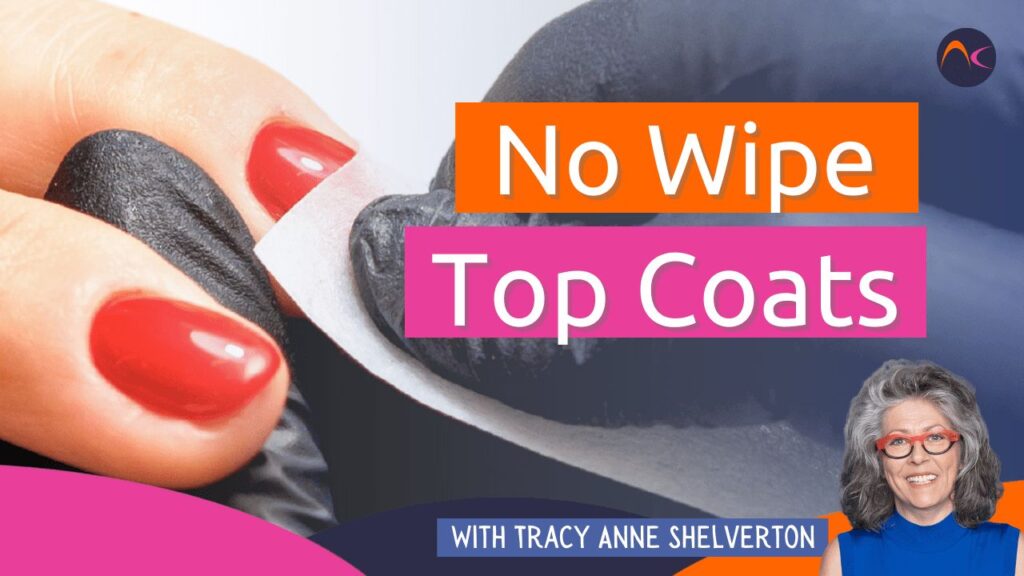
Em agosto de 2021, o Journal of Allergy and Clinical Immunology publicou uma nova pesquisa, mostrando que temos um novo problema na indústria de unhas. E esse problema não estava previsto: Trata-se dos NO WIPE TOP COATS - independentemente da marca.
Os No Wipe Top Coats são incríveis para esfregar nossas camadas de pigmento. Quem não gosta de um acabamento cromado?
Mas há outra coisa a que nenhum de nós prestou atenção:
1: Esses No Wipe Top Coats (ainda) têm uma camada pegajosa após a cura (e isso realmente faz sentido).
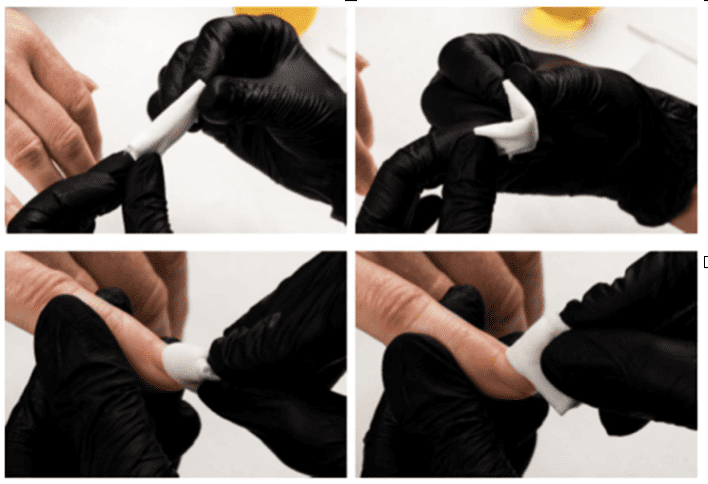
2: Devemos remover a camada pegajosa dos nossos No Wipe Top Coats com álcool 70% ou com o produto de limpeza de unhas de sua preferência, evitando o contato com a pele. Em seguida, permita que a cliente lave as mãos com água e sabão, enxaguando bem. Em seguida, aplique nosso óleo e loção de alta qualidade.
Como isso é possível? E por que só estamos ouvindo falar disso agora?
Com toda a honestidade, porque foi só agora que percebemos.
Já sabemos que, no último ano, houve um problema real com clientes, consumidores, técnicos de hobby e até mesmo alguns verdadeiros profissionais de unhas apresentando sinais de alergias desenvolvidas e diagnosticadas.
Ensinamos a todos vocês que o uso de produtos para o cuidado das mãos e das unhas, como loções e óleos de boa qualidade, é muito importante. E quase todos vocês levaram esse conselho a sério, não apenas para suas clientes mulheres, mas também para seus clientes homens! Vocês sabem que eles são bons não apenas para as unhas e a pele, mas também para manter todos os revestimentos. Todos vocês fazem isso muito bem. A maioria dos produtos de qualidade para o cuidado das mãos e das unhas tem ingredientes que promovem a absorção pela pele ou moléculas pequenas o suficiente para penetrar na placa ungueal. E isso é ótimo! MAS, se não limparmos a camada pegajosa depois de curar o nosso No Wipe Top Coat, nós o espalhamos, junto com o óleo, nas unhas, dedos e mãos de nossas clientes, bem como nas nossas!
Pedi a opinião de Doug Schoon e Vitaly Solomonoff. Além disso, perguntei se lavar as mãos com água e sabão seria suficiente para remover uma camada muito fina de resíduos. Aqui está o que eles compartilharam:
Doug Schoon:
Entrar em contato com a camada pegajosa pode causar alergias. Isso é bem conhecido. Acho que o que não é apreciado é o fato de que, para fazer um No Wipe Top Coat, muitos usam acrilatos porque eles curam mais rápido e com mais força do que os metacrilatos. Mas os acrilatos têm maior probabilidade de causar alergias do que os metacrilatos. Acho que esse é o maior problema. E, se eles (os técnicos de unhas) não usarem luvas, os solventes podem se combinar com os ingredientes não curados e levá-los para a pele. Além disso, não se trata de uma camada de dispersão, mas de uma camada de inibição de oxigênio. O oxigênio inibiu a cura na superfície e deixou muitos ingredientes não curados para trás. Apenas a lavagem pode não ser suficiente. O ideal é que você faça isso:
-limpar a camada
-Lavar e secar as mãos
-aplicar óleo para unhas
Vitaly Solomonoff:
Acho que os géis sem resíduos pegajosos podem ser lavados (refiro-me às mãos) com sabão. Mas deve ser usado um tipo de sabão líquido, não um sabão comum - o sabão líquido garantirá que a camada de inibição seja removida. Isso pode ser obtido com uma lavagem muito completa durante 2 a 3 minutos. Alguns tipos de camadas de inibição são difíceis de remover, mesmo com detergentes profissionais, e alguns resíduos se espalham pela superfície da pele. É por isso que eu prefiro limpar as unhas de gel com uma solução alcoólica antes de lavar as mãos. Ambas as formas são aceitáveis, mas a limpeza com álcool é preferível e mais segura. Também é importante observar que o profissional de unhas também deve lavar as mãos. Portanto, o melhor algoritmo seria:
-Curar a camada superior sem limpar
-Limpe com solução alcoólica
-Lave as mãos com sabão (qualquer sabão aqui)
-Aplique um óleo ou loção, ou ambos, como etapa final do serviço.
Você pode limpar seu No Wipe Top Coat com (uma pequena quantidade de) álcool 70% ou seu limpador de produtos para unhas favorito.
Concluindo: Nós realmente temos que LIMPAR o nosso NO WIPE TOP COAT!
Em seguida, orientamos nossos clientes a lavar as mãos com água e sabão após a conclusão do serviço. Finalize com óleo para unhas e loção para as mãos de alta qualidade.