• Bỏ qua primary navigation
  • Bỏ qua nội dung chính
  • Bỏ qua footer
Kiến thức về móng tay

Kiến thức về móng tay

  • Các khóa học
  • MyNailEra
  • Sách điện tử miễn phí
  • Cơ sở tri thức
    • Cơ sở tri thức
    • Hỏi các chuyên gia
    • Thuật ngữ
  • Tin tức
  • Blog
  • Đăng nhập

Sữa dưỡng, Thuốc và Chất đánh bóng

Độ dày của gel UV: Những hiểu biết quan trọng để ứng dụng gel UV tối ưu

Every day is a school day which offers a new learning opportunity, and that’s how it should be! never stop learning. I consider that I know and understand quite a bit about UV gels but I learned something new the other day about UV gel thickness.

Trong chúng tôi khóa học ngắn về gel UV we explain how if the gel coating is too thick it can cause over curing (heat spikes) and heavily pigmented can block the UV and cause under curing, but what I’d didn’t know is that a thick coat can also cause the lower part of the coating to be under cured as the UV cannot penetrate that deep.

Vai trò quan trọng của độ dày gel UV trong tính an toàn và hiệu quả của ứng dụng

Hướng dẫn luôn đưa ra là nên sơn lớp mỏng vì những lý do sau:

  1. over curing where the clients nail bed can be burned
  2. under curing if pigments are in the gel
  3. và hiện tại, các mức thấp hơn sẽ không được xử lý, điều này có thể dẫn đến rò rỉ trong quá trình sử dụng hoặc tháo bỏ.

If you think you know a lot about UV gels then test your knowledge against the insights shared in Doug Schoon’s latest articles, delve into his new sách điện tử về Gel UVvà thử thách bản thân với câu đố để kiếm huy hiệu kỹ thuật số.

I bet you’ll learn something new!!

Bài viết mới nhất của Dougs
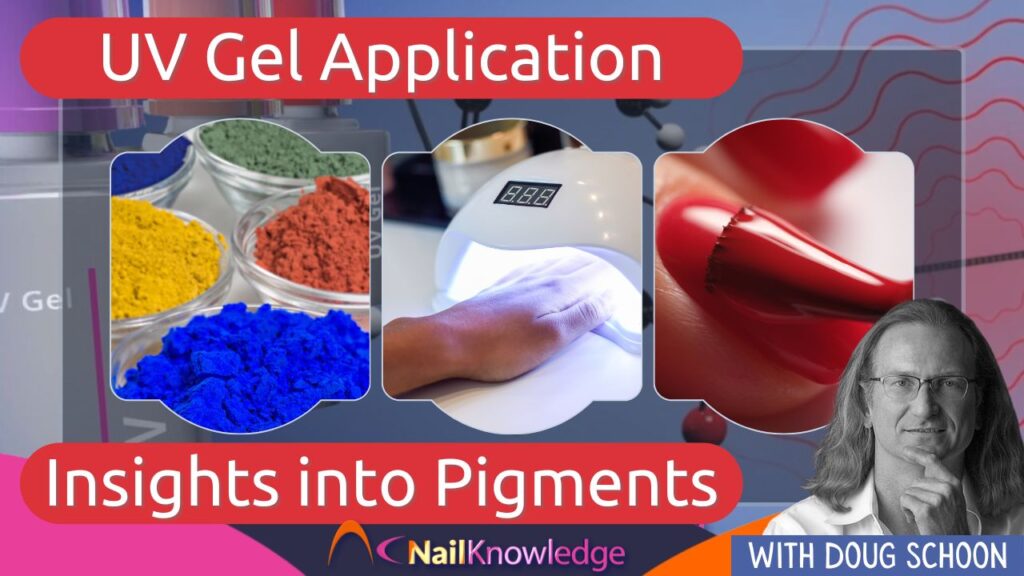
Sắc tố màu trong Gel UV, sắc tố ảnh hưởng đến khả năng hấp thụ Gel UV như thế nào
UV Gel Application – Insighs into Pigments
Tiết lộ những nguy cơ của việc sử dụng Gel UV dày
Nguy cơ của việc sử dụng Gel UV dày

Áp dụng phương pháp học tập liên tục trong ứng dụng Gel UV: Hành trình thành thạo và an toàn

The journey of mastering UV gel application is an ongoing process of learning and discovery, even for those well-versed in nail care. The revelation about the significance of UV gel thickness underscores the importance of continuous education in our field. It’s not just about adhering to the basics; it’s about delving deeper into the nuances that can make or break the safety and effectiveness of our nail treatments. This insight serves as a reminder to embrace every learning opportunity and to approach our craft with both curiosity and caution.

Whether you’re a seasoned professional or a budding nail technician, there’s always more to uncover, more to understand, and more to perfect. Let’s commit to refining our skills, staying informed through resources like Doug Schoon’s work, and elevating the standard of care we provide to our clients, one thin, meticulously applied coat at a time.


Thuộc chủ đề:Thông tin chung, Sữa dưỡng, Thuốc và Chất đánh bóng, Dịch vụ làm móng, Gel UV

Làm chủ ứng dụng Gel UV: Hiểu biết sâu sắc về sắc tố

In the realm of nail artistry, UV gel has revolutionised the way we approach nail enhancements. Its versatility, durability, and ability to create stunning designs have made it a favourite among nail professionals and enthusiasts alike. However, achieving flawless results with UV gel requires more than just skilful application. It involves understanding the intricate interplay between the gel, UV light, and pigments.

Join us as we uncover some of the science behind UV gel application, shedding light on the crucial factors that influence its curing process and the role pigments play in achieving optimal results.

Hấp thụ tia UV trong ứng dụng Gel UV

UV gel application is a meticulous process that hinges on the interaction between the gel and UV light. As a type of resin applied to the nail plate, UV gel undergoes a transformative journey under the influence of UV light. During the curing process, both the UV gel itself and the pigments within it eagerly absorb the UV light emitted by the curing lamp. This absorption sets off a cascade of chemical reactions within the gel, catalysing its cross-linking and solidification. The end result? A resilient and long-lasting coating that adheres seamlessly to the nail, showcasing the beauty and durability of UV gel manicures.

Ngoài gel UV, có thể thêm sắc tố vào gel để tạo ra màu sắc hoặc hiệu ứng mong muốn. Các sắc tố này cũng hấp thụ tia UV trong quá trình đóng rắn. Khi tia UV xuyên qua gel, nó sẽ tương tác với các sắc tố, khiến chúng hấp thụ tia cực tím energy. This absorption of UV light by the pigments may affect the curing process and the final appearance of the nail coating.

Bật mí bí mật về sắc tố trong gel UV

Các sắc tố đóng vai trò quan trọng trong thế giới làm móng gel UV, mang đến khả năng sáng tạo và thể hiện vô tận. Các chất phụ gia đầy màu sắc này được kết hợp vào các công thức gel UV để tăng thêm sức hấp dẫn về mặt thẩm mỹ, cho phép các nghệ sĩ làm móng tạo ra các thiết kế tuyệt đẹp và màu sắc rực rỡ. Từ màu đỏ đậm đến màu xanh lam đậm, các sắc tố có nhiều sắc thái và công thức khác nhau, mỗi loại đều có các đặc điểm và hiệu ứng riêng. Nhưng ngoài sức hấp dẫn về mặt thị giác, các sắc tố còn ảnh hưởng đến quá trình đông cứng của gel UV, ảnh hưởng đến độ mờ đục, độ đồng nhất và hiệu suất tổng thể của gel trên móng.

Đi sâu vào quá trình hấp thụ sắc tố: Hiểu về động lực màu sắc trong quá trình làm móng bằng gel UV

Khám phá sự hấp thụ sắc tố trong gel UV

Trong lĩnh vực làm móng gel UV, sắc tố là bảng màu mà các nghệ sĩ làm móng sử dụng để tô điểm cho những kiệt tác của họ. Những hạt nhỏ này, được truyền vớiTRONG gel, nắm giữ sức mạnh biến móng tay thành những tác phẩm nghệ thuật tuyệt đẹp. Nhưng đằng sau màu sắc rực rỡ và sắc thái quyến rũ của chúng là một hiện tượng hấp dẫn: sự hấp thụ sắc tố.

Các sắc tố trong gel UV, đặc biệt là các sắc thái như đỏ và đen, có khả năng hấp thụ tia UV hiệu quả hơn so với các màu sáng hơn như trắng hoặc xanh lam. Sự hấp thụ tăng cường này không chỉ làm tăng cường độ bão hòa màu mà còn ảnh hưởng đến quá trình đóng rắn của gel.

Furthermore, regardless of their specific hue, all pigments create what can be described as an “umbrella effect.” As UV light penetrates the layers of gel, pigments cast a subtle shade on the layers beneath them, altering the distribution of light and affecting the overall curing process.

Tác động của tải lượng sắc tố lên quá trình đóng rắn gel UV

The pigment load in UV gel plays a significant role in the curing process, with higher pigment concentrations presenting potential challenges. As the pigment load increases, more UV light is absorbed by the pigments themselves, thereby reducing the amount of light that penetrates through to the gel for proper curing. This phenomenon exacerbates the under-curing issue, as insufficient UV exposure leads to incomplete polymerisation, bị thỏa hiệp độ bền và tăng khả năng gây phản ứng phụ cho da.

Các chuyên gia làm móng phải cân nhắc cẩn thận lượng sắc tố trong công thức gel UV để đảm bảo quá trình đông cứng tối ưu và kết quả lâu dài. Cách duy nhất để các chuyên gia làm móng quản lý lượng sắc tố là đông cứng lâu hơn để đảm bảo quá trình đông cứng thích hợp và áp dụng các lớp mỏng hơn.

Xử lý rủi ro khi thêm sắc tố nghệ thuật móng tay vào gel UV

While the addition of nail art pigments can elevate the aesthetic appeal of UV gel manicures, it also introduces inherent risks that must be navigated with caution. One such risk is the increase in pigment load, which amplifies the likelihood of under-curing due to UV absorption by the pigments. As more UV light is absorbed by the pigments, less reaches the các lớp sâu hơn của gel để bảo dưỡng đúng cách, dẫn đến hao mòn sớm và tăng khả năng gây ra các phản ứng bất lợi cho da. Nghệ sĩ làm móng phải tạo được sự cân bằng tinh tế giữa tính sáng tạo và tính thực tế khi kết hợp sắc tố vào công thức gel UV, ưu tiên các kỹ thuật xử lý thích hợp và khả năng tương thích của sản phẩm để giảm thiểu rủi ro liên quan đến việc thêm sắc tố.

Thuộc chủ đề:Thông tin chung, Sữa dưỡng, Thuốc và Chất đánh bóng, Nghệ thuật làm móng, Gel UV

Tiết lộ những nguy cơ của việc sử dụng Gel UV dày

Hãy cùng tìm hiểu một sự thật quan trọng mà mọi chuyên gia làm móng, học viên hay người đam mê đều cần phải biết. Khi khám phá thế giới của việc sử dụng gel UV, điều cần thiết là phải hiểu rõ tác động của các loại gel có độ đặc cao hơn đối với quá trình làm khô. 

Sự thật quan trọng về độ dày của gel UV mà bạn không thể bỏ qua

Gel dày hơn: Các lớp gel UV dày hơn sẽ hấp thụ nhiều tia UV hơn ở bề mặt trên cùng, dẫn đến mức độ xuyên thấu vào các lớp gel bên dưới thấp hơn. Điều này có thể dẫn đến hiện tượng đóng rắn không hoàn toàn và đóng rắn chưa đủ ở các lớp sâu hơn.

Hiện tượng hấp thụ gel UV ở lớp gel dày hơn

Ở các lớp gel UV dày hơn, hầu hết ánh sáng UV được hấp thụ bởi các lớp gel phía trên, dẫn đến khả năng thâm nhập của ánh sáng UV vào các lớp dưới thấp hơn. Hiện tượng này xảy ra do bản chất của ánh sáng UV và các đặc tính của vật liệu gel UV.

Khi ánh sáng UV đi qua một vật liệu như gel UV, nó được hấp thụ hoặc phân tán bởi các phân tử bên trong gel UV. Khi ánh sáng đi sâu hơn vào gel, thậm chí nhiều ánh sáng hơn được hấp thụ hoặc phân tán, dẫn đến giảm cường độ ánh sáng UV đến các lớp bên dưới. Do đó, các lớp gel UV dày hơn cung cấp nhiều vật liệu hơn để ánh sáng UV tương tác, làm giảm thêm lượng ánh sáng UV có thể xuyên qua các lớp bên dưới.

Kết quả là, các lớp trên cùng của gel nhận được cường độ tia UV cao nhất, dẫn đến việc đóng rắn hiệu quả hơn ở các lớp trên. Tuy nhiên, khi ánh sáng đi sâu hơn vào gel, cường độ của nó giảm xuống và các lớp dưới nhận được ít tia UV hơn, điều này có thể dẫn đến việc đóng rắn không hoàn toàn và đóng rắn không đủ ở các vùng đó.

Hiện tượng này làm nổi bật tầm quan trọng của các kỹ thuật bảo dưỡng thích hợp, bao gồm sử dụng các lớp gel UV mỏng hơn để đảm bảo tia UV thâm nhập đầy đủ và bảo dưỡng đồng đều trên toàn bộ độ dày của lớp gel. Nó cũng nhấn mạnh nhu cầu hiểu các đặc tính bảo dưỡng của gel UV và điều chỉnh các kỹ thuật ứng dụng cho phù hợp để đạt được kết quả tối ưu.

Thuộc chủ đề:Thông tin chung, Sữa dưỡng, Thuốc và Chất đánh bóng, Gel UV

Xử lý tình trạng móng tay bị ố vàng đột ngột: Nguyên nhân và giải pháp

Khám phá thế giới chăm sóc móng tay sẽ hé lộ những điều phức tạp bất ngờ, đặc biệt là khi nói đến việc xử lý vết ố trên móng tay, theo chia sẻ của một trong những khách hàng thân thiết của chúng tôi.

Mặc dù đã rất cẩn thận trong việc áp dụng và thực hiện các kỹ thuật làm khô, họ vẫn thấy móng tay mình bị vấy bẩn bởi những vết ố cứng đầu, đặc biệt là sau khi sơn lên một màu đỏ đậm.

Trong nỗ lực làm sáng tỏ vấn đề phức tạp này, chúng tôi sẽ phân tích vai trò quan trọng của lớp sơn lót, đồng thời làm rõ cách độ dày của lớp sơn này có thể ảnh hưởng đến khả năng bị ố màu. Hãy cùng chúng tôi khám phá những thách thức đặc thù mà các loại sơn móng tay màu đỏ mang lại và tìm hiểu các chiến lược giúp giảm thiểu tình trạng ố màu, đồng thời khôi phục vẻ đẹp và độ bền cho bộ móng của khách hàng.

Xử lý tình trạng móng bị ố màu: Tầm quan trọng của độ dày lớp sơn lót

Một trong những điều đầu tiên cần lưu ý là lớp sơn lót, vì nếu sơn quá mỏng có thể làm tăng nguy cơ bị ố màu.  

Hiểu rõ thách thức liên quan đến lớp sơn móng tay màu đỏ và tình trạng móng tay bị ố màu

Sơn móng tay màu đỏ là một trong những thách thức lớn nhất đối với lớp móng. Rất khó để tạo ra màu đỏ đậm mà không làm ố lớp móng. Bởi vì một số phân tử chất tạo màu đỏ có thể thấm vào bề mặt lớp móng. Khi điều đó xảy ra, các phân tử này sẽ tích tụ và đọng lại ngay dưới bề mặt, tạo thành vết ố có thể nhìn thấy được.

Giải quyết vấn đề móng tay bị ố vàng: Vai trò của quá trình làm khô không hoàn toàn

Bề mặt lớp sơn móng tay có vẻ cứng, nhưng nếu lớp sơn màu chưa được làm khô hoàn toàn từ trong ra ngoài, nó sẽ vẫn còn dính ở vùng tiếp giáp với lớp sơn lót. Trong thuật ngữ chuyên môn, hiện tượng này được gọi là “giao diện dính”. Giao diện dính này khiến các chất tạo màu dễ dàng di chuyển hơn, xâm nhập vào và lan tỏa qua lớp sơn lót, do đó làm cho bề mặt móng tay dễ bị ố màu hơn.

Điều này đặc biệt đúng đối với những vùng móng bị tổn thương. Những móng bị dũa quá mức, bong tróc, có vết lõm hoặc bị tổn thương dưới bất kỳ hình thức nào đều dễ bị ố màu hơn. Điều này khó tránh khỏi khi bề mặt móng bị tổn thương. Mức độ tổn thương càng nặng, khả năng bị ố màu càng cao.

Các kỹ thuật ứng dụng để đạt được thành công

Ngoài ra, cần lưu ý rằng hiện tượng ố màu thường xảy ra nhiều hơn khi lớp sơn màu được phủ quá dày. Vì vậy, ngoài việc tìm ra giải pháp cho vấn đề bong tróc bề mặt, có lẽ điều mà chuyên gia làm móng này cần là tăng lượng lớp sơn lót và giảm lượng lớp sơn màu.

Thuộc chủ đề:Thông tin chung, Sữa dưỡng, Thuốc và Chất đánh bóng, Gel UV

Hành trình của dầu Jojoba và Vitamin E vào móng tay

Have you ever wondered how certain ingredients like jojoba oil and Vitamin E work their magic in nail care products? One reader’s query led us to delve into the science behind these ingredients and their ability to penetrate the nail plate. Join us as we uncover the mysteries behind jojoba oil, Vitamin E (tocopherol), and their role in promoting healthy nails.

Understanding Terminology: Tocopherol vs. Vitamin E in Nail Care

First, I want to discuss some terminology. Vitamin E is a food supplement name for a substance that is properly named “Tocopherol”.  In other words, tocopherol is the correct cosmetic name that should appear on the label and the term vitamin should only be used for foods and ingested nutritional supplements. I’ll use the correct cosmetic ingredient name, of course, and so should manufacturers and marketers.

Molecule Size and Nail Penetration: Tocopherol vs. Jojoba Oil

Tocopherol is a very large molecule and molecules of this size typically have a difficult time penetrating the nail plate, but the same could be said for jojoba oil. Certain molecules found in jojoba oil have a very long sleek shape, rather than a large, bulky shape, which can really make a big difference. I agree that vitamin E molecules would have a difficult time penetrating on their own.

Most would likely sit on or near the surface of the nail plate, but that’s not a bad thing. Why it that? This is where tocopherols protective action is most needed, near the surface where sunlight and oxygen exposure create unwanted and potentially destructive chemical reactions that lead to discoloration and embrittlement of the nail plate and/or nail coatings.

Tocopherol is most needed on or near the surface, and it is less useful deep inside the nail plate or enhancement.

Harnessing Tocopherol: The Science Behind Nail Penetration and Protection

I have done testing with blends of tocopherol and various natural oils such as jojoba and avocado oil and these studies indicated tocopherol did indeed slowly penetrate the nail plate over time and it seemed to concentrate near the surface.

These natural oils do act as carrier solvents for the tocopherol. That is NOT surprising since many vegetable oils naturally contain tocopherol. For example, wheat germ oil is the most concentrated natural source known for tocopherol. Therefore, I’m confident that some tocopherol does absorb, but not large amounts. However, large amounts of tocopherol aren’t needed, since it is highly effective in very low concentrations. 

This helps explain why nail oils which contain tocopherol, must be used regularly to ensure that a protective amount of tocopherol is always present. Of course, tocopherol can also be blended into a monomer liquid and/or UV gel to provide similar protective effects throughout the coating.  But, the real protective value of tocopherol is when it’s concentrated at the upper surface. Therefore, using a high-quality nail oil with tocopherol is a valid approach to protecting the integrity of both natural and artificial nails. 

Clarifying Tocopherol’s Role in Artificial Nail Products

Protection vs. Absorption

When tocopherol is added to artificial nail products, it’s function is to protect the coating, not the nail plate. I am not aware of any evidence that demonstrates that any useful or significant amounts of “vitamins” can migrate from artificial nail coatings and absorb into the nail plate to provide benefits, so I recommend disregarding those claims until convincing evidence is provided.

Thuộc chủ đề:Thông tin chung, Sữa dưỡng, Thuốc và Chất đánh bóng

Khám phá vai trò của sơn lót móng tay trong ứng dụng sơn gel UV

In the realm of nail care and beautification, one recurring question perplexes both professionals and enthusiasts alike: Can nail primer serve as a suitable bonding layer for UV gel nails?

The practice of applying a nail primer pen on the natural nail, curing it, and subsequently applying the building gel has sparked curiosity regarding the necessity of a specifically formulated product.

Below Doug Schoon delves into the intricacies of nail primer usage in UV gel nail applications, shedding light on its effectiveness and the potential need for specialised formulations.

Giải quyết các vấn đề liên quan đến bút sơn lót móng tay

There are several issues here, but I will try to address them all. First, I don’t recommend primer pens, since these are multi-use devices that can become contaminated with nail oils.

In my view, it is better to use a brush and bottle to be disposed of after use- not refill. Refilling allows oily contaminants to be transferred from the nail plate to the brush and into the product in the container.

Tầm quan trọng của chất kết dính móng trong ứng dụng gel UV

If UV gels require a nail bonder or primer layer which improves adhesion of the nail coating, then it should be used.  Otherwise, I would not recommend this to be done.  It is easy to see that too little adhesion causes lifting problems, but nail professionals often don’t stop to think about the problems caused by TOO MUCH adhesion.

Sử dụng sơn lót khi không cần thiết có thể tạo ra quá nhiều độ bám dính, khiến việc tẩy sơn khó khăn hơn, tốn thời gian hơn và có thể làm tăng nguy cơ làm hỏng móng liên quan đến quá trình tẩy sơn.

Ngăn ngừa hư tổn móng tay: Kỹ thuật loại bỏ lớp sơn móng tay đúng cách

Improper removal of nail coatings are top causes for nail damage.  Many become impatient and use forceful techniques to more quickly remove the nail coatings. When this occurs and nail damage results, many explain away the damage by fooling customers into thinking their nails are just dry, when actually the nail surface has been damaged due to improper removal.

My main point is this, if the directions for the UV gel don’t “specifically” mention the use of a nail primer, then a primer should NOT be used.

Tránh bong tróc lớp sơn móng tay: Vai trò của kỹ thuật đúng đối với lớp sơn lót móng tay

Many times, a nail primer is used as a crutch to hide improper techniques. If the nail technician does a poor job preparing the nail plate, or they incorrectly apply the product, or they improperly cure with the wrong nail lamp, these can all result in lifting- premature loss of adhesion.

In these cases, the solution is NOT to use primer, instead, the best solution is to correct the issues that are causing the nail coatings to lift. If the UV gel doesn’t require the use of a primer in their directions or instructions, then don’t use one or this can create excessive adhesion and the nail coatings will be much more difficult and time consuming to remove.

Ngăn ngừa hư tổn móng tay: Các giải pháp thay thế cho sơn lót móng tay

Many nail technicians will forcibly remove the nail coatings- which leads to nail plate thinning, pitting, splits, cracks, peeling and surface white spots. Instead of using a nail primer, it would be wiser to seek out the reason for the low adhesion and solve the problem. Maybe the client’s nails need more careful cleaning and preparation. Or perhaps, the professional needs to invest in purchasing and using the correct nail lamp, the one designed for use with the UV gel.  Or maybe they should take a manufacturer’s class to learn the proper application techniques. 

Trách nhiệm và hành động khắc phục trong chăm sóc móng tay

Kỹ thuật viên làm móng phải chịu trách nhiệm về hành động của mình và bất kỳ tổn hại nào do hành động không phù hợp của họ gây ra. Tự tạo ra quy trình và bỏ qua hướng dẫn là lý do phổ biến gây ra các vấn đề về móng. Thay vì sử dụng sơn lót để khắc phục các vấn đề do sử dụng không đúng cách, các chuyên gia làm móng nên giải quyết và xử lý vấn đề một cách chính xác. 

Mối quan tâm với sơn lót móng tay và gel UV

Allergic Reactions and Industry Challenges

For instance, nail primer may improve adhesion when nail coatings aren’t fully cured, but then nail technicians or clients could develop allergic reactions to improperly cured dusts. The nail technician is not likely to realize they’re improperly curing, so they won’t take any steps to solve the real problem. Don’t make up your own directions/instructions. This is one of the greatest challenges facing the nail industry and a leading reason why most women are afraid of nail salon services and refuse to go to salons. Improper use of nail coatings, is the main reason why the nail industry isn’t growing and attracting more customers.

Thuộc chủ đề:Thông tin chung, Sữa dưỡng, Thuốc và Chất đánh bóng, Gel UV

  • « Chuyển đến Trang trước
  • Trang 1
  • Các trang tạm thời đã được bỏ qua …
  • Trang 5
  • Trang 6
  • Trang 7
  • Trang 8
  • Trang 9
  • Các trang tạm thời đã được bỏ qua …
  • Trang 11
  • Chuyển đến Trang sau »

Nâng cao kiến thức về làm móng

Tham gia bản tin của chúng tôi!
ĐĂNG KÝ...

Bản quyền © NailKnowledge

Kiến thức về móng tay

  • MyNailEra
  • Sách điện tử
  • Về chúng tôi
  • Các khóa học
  • Tin tức
  • Blog
  • Bản tin
  • Thuật ngữ

Chính sách

  • Trang riêng tư
  • Điều khoản và điều kiện
  • Chính sách Cookie

Ủng hộ

  • Liên hệ với chúng tôi
  • Gặp gỡ các chuyên gia
  • Hỏi các chuyên gia
  • Hỗ trợ hệ thống
  • Câu hỏi thường gặp
Vietnamese
Vietnamese
English Portuguese Spanish