• Bỏ qua primary navigation
  • Bỏ qua nội dung chính
  • Bỏ qua footer
Kiến thức về móng tay

Kiến thức về móng tay

  • Các khóa học
  • MyNailEra
  • Sách điện tử miễn phí
  • Cơ sở tri thức
    • Cơ sở tri thức
    • Hỏi các chuyên gia
    • Thuật ngữ
  • Tin tức
  • Blog
  • Đăng nhập

Sữa dưỡng, Thuốc và Chất đánh bóng

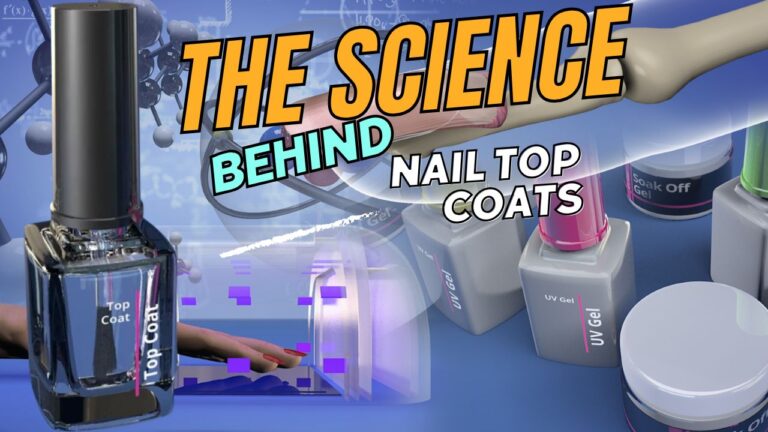
Khoa học đằng sau lớp sơn phủ móng tay

Nail care goes beyond simply choosing the right nail polish color; it’s a captivating blend of science and art that produces incredible results. And in this exciting world of nail products, the unsung hero is none other than the humble nail top coat. Shall we have a look at the fascinating science behind this unassuming yet essential finishing touch.

Lớp phủ bóng của móng tay

We all adore that mirror-like shine that a good top coat provides. But have you ever wondered how it works its magic? At its core, a top coat is designed to deliver a high-gloss finish that not only enhances the manicure but also offers protection.

Khoa học: Top coats contain film-forming ingredients that create a transparent shield over your nail polish. These ingredients are usually quick-drying and formulated to produce a gleaming surface. Think of it as a protective glass layer, made to preserve and enhance the colours beneath.

Độ bền và khả năng chống mẻ

The last thing we want is for our perfect nail art or vibrant colour to chip or fade prematurely. A top coat plays a pivotal role in extending the life of your manicure, ensuring it stays intact for longer.

Khoa học: The formulation of a top coat often includes hardening agents like acrylic or polymer resins. These substances provide strength and resilience to your nail polish, making it more resistant to the wear and tear of daily life. It’s like giving your nails an invisible suit of armor.

Thời gian khô của lớp sơn phủ móng tăng tốc

Việc chờ móng tay khô có thể khiến bạn cảm thấy như cả thế kỷ, nhưng một lớp sơn bóng có thể giúp đẩy nhanh quá trình này.

Khoa học: Nhiều lớp sơn phủ được thiết kế với công thức khô nhanh phát huy tác dụng kỳ diệu của chúng bằng cách bay hơi nhanh chóng. Điều này không chỉ giúp bạn tiết kiệm thời gian quý báu mà còn giảm nguy cơ làm nhòe hoặc móp móng tay mới sơn của bạn.

Ngăn ngừa phai màu và đổi màu

Ánh sáng mặt trời và các hoạt động hàng ngày có thể khiến sơn móng tay bị phai màu hoặc đổi màu theo thời gian. Một lớp sơn phủ móng tay tốt có thể giúp giải quyết vấn đề này.

Khoa học: Some top coats include UV filters or colour stabilisers that help shield your manicure from the harmful effects of sunlight. They act as a barrier against the elements, preserving the vibrancy of your nail polish. This is true for gel top coats too!

Lớp phủ móng tay làm mịn các khuyết điểm

If you’ve ever had a slightly uneven nail polish application, a top coat can be your saviour. It helps in smoothing out minor imperfections, giving your manicure a polished look.

Khoa học: Lớp sơn phủ có thể chứa thành phần tự san phẳng để làm phẳng các bề mặt không bằng phẳng, đảm bảo móng tay của bạn trông hoàn hảo và hoàn thiện tốt.

Độ bền và độ bóng của lớp sơn phủ móng tay

A top coat isn’t just about aesthetics; it’s about making your manicure last.

Khoa học: The chemistry of a top coat involves the careful selection of ingredients to achieve not only a high-gloss finish but also long-lasting wear. It’s the science of balance, combining elements that deliver both shine and durability.

In conclusion, the seemingly simple nail top coat is a masterpiece of science and artistry. It enhances the beauty of your nails, protects your manicure, and ensures your nail art stays flawless. The next time you apply a top coat, you’ll have a deeper appreciation for the science that transforms your nails into dazzling works of art.

Hướng dẫn từng bước: Cách sửa vết lõm trên sơn móng tay

  • The key is to ‘float’ the new color over the dent
  • When applying top coat, load your brush just enough that you dont have to go back over it – this will give the perfect finish.
Lớp phủ màu bị hư hỏng
Thoa lại nhẹ nhàng, không gây áp lực lên cọ
Reapply smoothly – no pressure on brush
Thiệt hại được làm mịn
Apply Top Coat – no pressure on brush
Lớp phủ móng tay, sọc áp lực
Áp lực sẽ tạo ra các sọc
Áp dụng lớp phủ móng tay
Smooth finish – damage can’t be seen

FAQ’s

1. Mục đích của lớp sơn phủ móng tay là gì?
A nail top coat serves several essential purposes in nail care. It provides a glossy finish, enhances the longevity of your manicure, protects nail polish from chipping, and can also add strength to your nails. Essentially, it’s the final step that seals and perfects your nail look.

2. Tôi phải sơn lớp sơn phủ móng tay như thế nào để có kết quả tốt nhất?
Để đạt được kết quả tốt nhất khi sơn móng tay, hãy làm theo các bước sau:

  • Chờ cho đến khi sơn móng tay gần khô (nhưng không khô hoàn toàn) trước khi sơn lớp phủ.
  • Apply a thin, floaty layer of top coat, starting from the base and ending with a gentle swipe along the tips of your nails to seal the edges.
  • Để lớp sơn phủ khô hoàn toàn để có lớp sơn bóng, chống bong tróc.

3. Tôi có thể dùng sơn móng tay trong suốt thông thường làm lớp sơn phủ không?
While regular clear nail polish can provide some protection and shine, it’s not as effective as a dedicated nail top coat. Top coats are specifically formulated with ingredients like quick-drying resins and UV filters to provide superior gloss, durability, and protection. Using a specialized top coat will yield better results.

4. Tôi nên sơn lại lớp sơn móng tay bao lâu một lần?
To maintain the longevity and shine of your manicure, it’s a good practice to reapply a nail top coat every few days. This helps refresh the gloss and adds an extra layer of protection to prevent chipping and fading. You can also apply a fresh top coat as part of your regular nail maintenance routine when you notice signs of wear and tear.

Thuộc chủ đề:Thông tin chung, Sữa dưỡng, Thuốc và Chất đánh bóng, Hóa học sản phẩm

Người hùng thầm lặng: Lớp sơn lót cho móng tay

The Secret to a Perfect Manicure Using Base Coat

Let’s dive deep into the world of nail care and explore the essential yet often underestimated hero of the perfect manicure, the base coat. In this blog, we’ll not only cover the basics but also delve into its significance, application tips, and why it’s a must-have in your nail care routine.

The Unsung Hero

Nail polish or Gel Polish is the final touch of artistry on your nails, but even the most vibrant color won’t shine its brightest without a solid foundation. Enter the lớp sơn lót, the unsung hero of nail care.

What is a Base Coat?

A base coat for nails is a clear or slightly tinted nail polish applied before your chosen nail color. Think of it as the primer before painting a wall or the canvas before a masterpiece – it provides a smooth, clean, and adhesive surface for your nail polish to adhere to.

The Science Behind Nail Adhesion and Protection

  • Enhanced Adhesion: Imagine building a house without a solid foundation; it wouldn’t stand strong. Similarly, applying nail polish directly to your bare nails can lead to poor adhesion, resulting in chipping and peeling. A base coat ensures your nail color stays put, prolonging the life of your manicure.
  • Protection: Just like sunscreen shields your skin from harmful UV rays, a base coat acts as a protective barrier for your nails. It prevents the chemicals in nail polish or Gel Polish from direct contact with your natural nails, reducing the risk of staining and weakening.
  • Smoothing Imperfections: Do you have ridges, unevenness, or tiny imperfections on your nails? A base coat can help. It creates a smooth canvas, making your nail color application appear flawless.
  • Preventing Yellowing: Frequent nail polish use can lead to yellowing of the nails over time. A coating minimises this issue, keeping your nails looking healthy and vibrant.

Application Tips for a Perfect Base Coat

Now that we understand why a base coat is crucial, let’s talk about how to apply it effectively:

Start with Clean Nails: Ensure your nails are clean, dry, and free from any oils or residue. Use nail polish remover or (cosmetic grade) acetone to eliminate any old polish and thoroughly wash your hands. Choose a nail plate cleanser (according to the manufactures instructions of the system you suse), preferably one that eliminates the need to rough up or remove the shine of the natural nail with a strong file . This will ensure to preserve the integrity of the natural nail and improve all of your nail coating services AND the longevity of wear.

Choose the Right One

  • There are various types of Nail Polish base coats available, such as strengthening, ridge-filling, or quick-dry formulas. Select one that suits your nail needs.
  • There are various types of Gel Polish base coats available. Are the nails flexible, strong or normal? Choose the right one for any of these nail types. If the nails are peeling or splitting they will need to be improved before applying the gel polish, this can take a couple of weeks so prepare your client well. Its also important to follow brand instructions, and if needed apply the matching primer or bonding product before the base, this step is most important layer in your Gel Polish treatment/enhancement.
  • Apply a Thin Layer: Less is more when it comes to applying. A thin layer is all you need to create a smooth foundation for your nail color. Too much product can lead to uneven drying and smudging.
  • Allow Proper Drying Time: Patience is key. With regular nail polish, let the base coat dry completely before applying your nail color. Rushing through this step can affect the overall longevity of your manicure. With gel polish, always make sure the base coat has been properly cured.
  • Seal the Edges: Pay attention to the edges of your nails while applying the base coat. This helps in preventing chipping along the tips of your nails.
  • Repeat as Needed: If you have particularly weak or damaged nails, don’t hesitate to apply a second layer of base coat for added protection, when working with lacquer. If working with UV cured products, always follow manufacturer’s instructions.

Why You Shouldn’t Skip the Base Coat

Now that you know how to apply it let’s discuss why you should never skip this process in your nail care routine.

  • Prolonged Manicure Life: We all love our nail colors to stay vibrant and chip-free for as long as possible. A base coat is your secret weapon for achieving just that. It acts as a bonding agent, ensuring your nail color adheres evenly and lasts longer.  This is true for nail polish and gel polish.
  • Protection Against Stains: Some nail polishes, especially darker shades, can stain your nails. A base coat acts as a protective barrier, preventing these stains and keeping your nails looking pristine.

Gel polish should only be removed in accordance with manufacturer’s instructions – if the product is a soak off product, soak it off. If the product is made to have an infill take great care when filing off the old product, leave a layer intact on the natural nail, make sure there is no product lifting and apply the new product or base coat as per manufacturer’s instructions.

  • Versatility: Base coats aren’t just for nail polish. They also work as a fantastic clear nail protector for a natural and polished look.

Base Coat Myths Debunked

Before we conclude, let’s address a few common myths about base coats:

Myth 1: Base coats are unnecessary.

Reality: As we’ve discussed, base coats play an important role in protecting your nails and ensuring your manicure looks flawless for an extended period.

Myth 2: Any clear nail polish can be used as a base coat.

Reality: While a clear polish may seem similar, dedicated base coats are formulated to provide better adhesion and protection. Using them yields superior results.

Myth 3: A base coat will make your nail polish chip faster.

Reality: This is quite the opposite. A coating enhances the longevity of your manicure by ensuring better adhesion and protection.

Conclusion: Embrace the Base Coat

In the world of nail care, the base coat is indeed the unsung hero, quietly working its magic to make your manicure last longer and look flawless. Don’t overlook its significance. By incorporating a base coat into your nail care routine, you’ll enjoy more vibrant and longer-lasting nail colors while keeping your nails healthy and stain-free. It’s a small step that makes a big difference – the secret behind that perfect, polished look! So, next time you reach for your favorite nail color, remember to give your nails the solid foundation they deserve. Your nails will thank you for it!

Thuộc chủ đề:Sữa dưỡng, Thuốc và Chất đánh bóng, Hóa học sản phẩm

Khoa học đằng sau lớp sơn nền móng

Bật mí những lợi ích của lớp sơn lót móng tay

When it comes to achieving a flawless and long-lasting manicure, the role of a nail base coat is often underestimated. This seemingly simple product offers a range of benefits that go beyond just enhancing the appearance of your nails. In this article, we’ll explore the science and secrets behind nail base coats, revealing how they provide essential adhesion, protection, smoothing, and even prevention of yellowing. Join us on a journey through the world of nail science to understand the numerous advantages of incorporating a nail base coat into your nail care routine.

Hiểu về hóa học của lớp sơn nền móng

The science behind how a nail base coat works is quite fascinating. At its core, a base coat is formulated to perform several crucial functions that help ensure your nail polish adheres well and your manicure lasts longer. Let’s have a look at the science behind it:

Độ bám dính của lớp sơn nền móng

The primary function of a base coat is to provide a strong adhesive bond between your natural nails and the nail polish you apply. Without it, the sơn móng tay may not adhere properly, leading to chipping and peeling. The same is true for Gel Polish base coats.

Khoa học: Base coats typically contain special polymers and adhesive agents that create a chemical bond with the keratin in your nails. Keratin is a protein that makes up your nails, and the base coat’s formulation allows it to hold onto them effectively.  This adhesion is vital for the longevity of your manicure.

Bảo vệ bằng cách sử dụng lớp sơn lót móng tay

A base coat acts as a protective barrier between your nails and the pigments and hóa chất có trong sơn móng tay. This barrier prevents direct contact and can help shield your natural nails from staining – which you might be tempted to file off – causing your nails to be thinner and inadvertently causing damage.

Khoa học: Base coats often contain film-forming ingredients, like nitrocellulose or acrylic polyme. Những chất này tạo ra một lớp bảo vệ ngăn chặn sự hấp thụ các sắc tố màu từ sơn móng tay. Chúng cũng hoạt động như một lá chắn chống lại các hóa chất có khả năng gây hại, làm giảm nguy cơ móng tay của bạn bị đổi màu hoặc yếu đi.

Làm mịn

Lớp sơn lót được thiết kế để tạo ra bề mặt mịn trên móng tay của bạn, che đi các khuyết điểm và đường gờ. Lớp sơn mịn này đảm bảo lớp sơn móng tay trông đều và hoàn hảo.

Khoa học: Some base coats contain ingredients like silica or other fillers that help in filling in tiny imperfections and ridges on the nail’s surface. This smoothing effect provides a consistent base for your nail polish, resulting in a polished appearance.

Ngăn ngừa vàng

Sử dụng sơn móng tay thường xuyên, đặc biệt là với màu tối hoặc nhiều sắc tố, có thể khiến móng tay bị ố vàng theo thời gian. Một lớp sơn lót có thể giảm thiểu vấn đề này.

Khoa học: Lớp sơn lót thường có chứa bộ lọc tia UV hoặc chất làm sáng quang học giúp bảo vệ móng và ngăn ngừa móng bị ố vàng.

Tính linh hoạt và độ bền

Lớp sơn lót được thiết kế để cân bằng giữa độ linh hoạt và độ bền. Chúng cần đủ linh hoạt để di chuyển cùng với móng tay tự nhiên của bạn mà không bị nứt, đồng thời cung cấp bề mặt bền để hỗ trợ sơn móng tay.

Khoa học: The chemistry of base coat formulation involves selecting specific resins and plasticizers to achieve the right balance of flexibility and durability. Resins like tosylamide resin are commonly used in base coats to enhance both adhesion and flexibility.

In summary, the science behind a nail base coat involves the careful selection and combination of various ingredients to achieve adhesion, protection, smoothing, and other desirable properties. The formulation of a base coat is a precise process that relies on chemistry and material science to create a product that not only enhances the performance of your nail polish but also helps maintain the health and appearance of your natural nails. So, the next time you apply a base coat, you’ll have a better understanding of the science working behind the scenes to give you that perfect, long-lasting manicure.

Thuộc chủ đề:Sữa dưỡng, Thuốc và Chất đánh bóng, Công nghệ làm móng, Hóa học sản phẩm

Trang chủ Móng Gel: Các Vấn Đề và Cách Giải Quyết

DIY Gel nails kits from high street stores and the internet are very popular. But there are problems associated with them. Let us discover the real story. The kits have become so popular for DIY, especially since the pandemic. They are marketed with such suggestions as: why pay salon prices when you can do them yourself at a fraction of the price.

Khám phá lý do tại sao việc tự chăm sóc móng tay lại hấp dẫn đến vậy

So, you know those DIY nail kits? They’re all the rage right now, and it’s not hard to see why. Many of us are already used to painting our nails with regular polish, so how much tougher can it be to do gel nails at home, right? Plus, it’s a wallet-friendly option compared to salon prices.

The thing about gel nails is that they’re super convenient. They dry quickly, and if you’re lucky (fingers crossed!), they can last way longer than regular polish.

Những nguy cơ tiềm ẩn khi sử dụng móng gel tự làm tại nhà

Allergies and Sensitivities

One of the biggest problems with DIY gel nails is one that the British Association of Dermatologists  identified in 2018 when they pushed a report that dermatologists are getting a huge influx of patients with allergic contact dermatitis. So much so they said it was an ‘allergy epidemic’ It will be even worse now as the numbers of kits being sold shot up during the pandemic    

Hóa học phức tạp đằng sau sơn gel UV và rủi ro tiềm ẩn

Công thức hóa học của Gel tia cực tím polishes differs enormously from traditional polishes. They dry (the correct term is cure) when exposed to UV light. The ingredients that make this happen are all known allergens (chemicals that are likely to cause an allergic reaction) and there are a lot of them.

Tac product has a specific formulation, and the UV lamp must be calibrated to match the formulas. This is expensive and would make the kits too expensive for the consumer. So small lamps are in the kits that are unlikely to be matched to the polish.

Hầu như tất cả các sản phẩm làm móng không nên chạm vào da và không phải tất cả người tiêu dùng đều có thể sơn cả hai tay hoàn hảo mà không tiếp xúc với da. Một chiếc đèn không phù hợp sẽ không làm khô hoàn toàn lớp phủ nhưng lớp phủ có cảm giác cứng khi chạm vào ở nhiệt độ 50%. Điều này có nghĩa là một số sản phẩm dạng lỏng vẫn còn bên trong lớp phủ nhưng có cảm giác khô và cứng.

Phần chất lỏng này có thể thấm vào da mỗi lần rửa tay, do đó khiến da tiếp xúc với các chất gây dị ứng đã biết.

Common symptoms are dry, red and itchy skin around the nails, hands or anywhere on the body that the hands touch. It can also cause respiratory problems. Nails can lift off the nail bed leaving a pocket under the skin of the nail bed that can overbore so it can be seen behind the nail.

Các chất gây dị ứng phổ biến trong sản phẩm làm móng

There are many allergens used in gel polish. The most common two have now been designated ‘for professional use only’ by the Cosmetic Regulations Act, meaning they should not be sold to consumers but only to those who have undertaken professional education. But they are still readily available today.

Dị ứng với thành phần sản phẩm làm móng: Chẩn đoán và ý nghĩa

Đã có rất nhiều trường hợp dị ứng nhưng cách duy nhất để chắc chắn đó là dị ứng là làm xét nghiệm da liễu. Tuy nhiên, tại NHS, thời gian chờ đợi có thể rất dài và các buổi tư vấn riêng có thể quá đắt đối với nhiều người.

Một vấn đề lớn khác là các thành phần này cũng được sử dụng trong nha khoa, các thủ thuật chỉnh hình và phẫu thuật mắt. Điều này có nghĩa là một cá nhân bị dị ứng với các thành phần này sẽ cần phải cho nha sĩ, chuyên gia chỉnh hình và bác sĩ nhãn khoa của họ biết vì cần phải có phương án thay thế.

Một người đã bị từ chối phẫu thuật đục thủy tinh thể do bị dị ứng, điều này đã gây ra hậu quả thảm khốc cho cô ấy. 

Nguy cơ nhiễm trùng do vi khuẩn và nấm

If the nail plate is damaged or lifted up from the nail bed it is open to many different bacterial, fungal or any other type of infection. Most kits require the buffing of the nail plate before application. This needs to be done with extreme care as it is very easy to overbid the nails and make them too thin.

Sơn gel sẽ không bám vào móng bị hư hại và sẽ dễ dàng bong ra, giữ nước bên dưới có thể dẫn đến nhiễm trùng do vi khuẩn hoặc sẽ bong ra hoàn toàn, kéo theo một phần bề mặt móng, gây ra tổn thương và phải mất nhiều tháng mới lành lại.

Tầm quan trọng của việc khử trùng đúng cách

The tools used prior to application must be very clean as it is so easy to cause infections. People who have used such kits for a long time with no adverse effects may believe they are safe. However, such is the characteristic of these products it is a case of when an allergy starts and not if. An allergy can start immediately but it can take years before the bodies immune system recognises it as an unwanted invader and fights it with the symptoms as described.

Bộ dụng cụ làm móng gel tự làm an toàn

Tầm quan trọng của việc xem xét kỹ lưỡng nhãn sản phẩm trong chăm sóc móng tay

When it comes to nail care, meticulous attention to detail is vital. This includes not only reading the manufacturer’s instructions but also understanding the proper technique for removing the nail coating. It’s advisable to perform this removal process every 2 to 3 weeks, allowing you to inspect the underlying nail for any signs of damage.

If you notice any discoloration, it’s crucial to refrain from reapplying any product until the discolored area has grown out completely. Additionally, maintaining well-nourished nails with ample nail oil is a practice that should be followed consistently.

Cung cấp thông tin chi tiết về tầm quan trọng của các bài kiểm tra vá

When it comes to certain products like hair color or eyelash glue, conducting a patch test is a common practice to ensure they don’t cause adverse skin reactions. However, it’s important to note that for some products, such as those used in nail care, conducting a patch test isn’t feasible because these products are not intended to come into direct contact with the skin.  

Kỹ thuật và vệ sinh đúng cách

The Correct Way to File and Shape Nails

Có nhiều cách bạn có thể làm để duy trì sức khỏe cho móng tay.

Khi dũa hình dạng hoặc chiều dài, hãy sử dụng loại dũa mềm nhất mà bạn có thể tìm thấy. Không bao giờ sử dụng loại dũa thô và cứng vì điều này sẽ gây bong tróc và tách lớp

Duy trì vệ sinh: Vai trò quan trọng của công cụ và không gian làm việc sạch sẽ

Trong lĩnh vực chăm sóc và chải chuốt móng, tầm quan trọng của sự sạch sẽ không thể được cường điệu hóa. Điều bắt buộc là tất cả các dụng cụ được sử dụng trong quá trình này phải được giữ sạch sẽ hoàn hảo và việc chia sẻ các dụng cụ như vậy phải được tránh nghiêm ngặt. Việc tuân thủ nghiêm ngặt các tiêu chuẩn vệ sinh này không chỉ đảm bảo sự an toàn và sức khỏe của cá nhân mà còn góp phần vào chất lượng và hiệu quả chung của các quy trình chăm sóc móng.

Thực hành tốt nhất để chăm sóc lớp biểu bì

Không bao giờ cắt lớp biểu bì as this is living skin and will just grow back thicker. Use a cuticle remover or a nail oil and massage the skin back as often as you can. You can use an orangewood stick to very gently push the skin back but do not cut it. It will naturally shrink without cutting.

Biết khi nào cần tìm kiếm sự hỗ trợ của chuyên gia cho các vấn đề về móng tay và da

In case you encounter any concerns related to your nails, it’s advisable to seek the expertise of a qualified professional. When doing so, it’s perfectly reasonable to request to see their certificates and insurance credentials; a genuine professional will readily provide this information.

For issues specifically related to toenails, it’s best to consult a podiatrist, as they can also assist with certain fingernail problems. However, when dealing with skin-related problems, it’s recommended to initiate the process by scheduling an appointment with your general practitioner (GP). Your GP can then assess your condition and, if necessary, refer you to a dermatologist for further specialised care.  

Phần kết luận:

The allure of DIY gel nail kits may be tempting, especially with the promise of cost savings and convenience. However, the risks associated with these products cannot be overstated. The ingredients involved, along with the complexity of UV gel polishes, pose significant dangers, from allergic reactions to infections. Allergies, once triggered, can become lifelong concerns, impacting not only your nail care routine but also other medical treatments you may require.

The critical takeaway is that professional knowledge and guidance are indispensable when dealing with gel nails, particularly in diagnosing and addressing allergic reactions. Seeking help from qualified experts, such as podiatrists and dermatologists, is essential in managing and mitigating the risks involved in DIY nail care. Moreover, understanding the significance of proper sterilisation, the importance of patch tests where feasible, and consistently adhering to best practices can help safeguard your nail health.

Cuối cùng, trong khi bộ dụng cụ làm móng gel DIY có vẻ là một lựa chọn hấp dẫn, chúng đi kèm với những tác động nghiêm trọng đòi hỏi phải cân nhắc cẩn thận và sử dụng có trách nhiệm. Ưu tiên sức khỏe và hạnh phúc của bạn luôn phải là ưu tiên hàng đầu trong hành trình chăm sóc móng của bạn.

Những câu hỏi thường gặp liên quan đến chủ đề về những nguy hiểm khi tự làm móng tay

  1. Những chất gây dị ứng phổ biến nào có trong các sản phẩm làm móng có thể dẫn đến dị ứng móng tay hoặc nhạy cảm?

There are many but the most common one is HEMA (Hydroxyethyl methacrylate) which should be ‘for professional use only’.

2. How can I tell if I’m having an allergic reaction to a nail product, and what should I do if it happens?

Ngứa và đỏ da, nâng móng tay từ nền móng, những mảnh dằm khô nhỏ dưới móng. Gặp bác sĩ gia đình hoặc bác sĩ da liễu

3. Are there specific risks associated with using nail glue or adhesives at home?

Nail glues are also allergens and should not touch the skin. There is also a danger of spilling on clothing. This can cause a very hot reaction that can burn the skin through the clothing, So take extra care when using.

4. Tôi nên thực hiện những biện pháp phòng ngừa nào để ngăn ngừa nhiễm trùng khi tự làm móng?

Keep all tools and equipment very clean and don’t share them with other people.

5. How do I properly clean and sanitise my nail tools and equipment to avoid bacterial or fungal infections?

Rửa sạch dụng cụ và ngâm trong dung dịch Milton hoặc thuốc tẩy rất loãng.

6. Hậu quả tiềm ẩn lâu dài của việc sử dụng sản phẩm làm móng tự chế không đúng cách là gì?

Dị ứng kéo dài mãi mãi nên có thể ảnh hưởng đến các ca phẫu thuật răng, chỉnh hình và mắt trong tương lai

7. Is it safe to use nail drills or electric files at home, and how can I avoid damaging my nails with them?

Không nên sử dụng giũa điện tại nhà vì có thể gây hư hỏng trong vài giây. Người chuyên nghiệp cần được đào tạo về cách sử dụng chúng một cách an toàn.

8. Một số dấu hiệu nào cho thấy tôi nên ngừng tự làm móng và tìm kiếm sự trợ giúp từ chuyên gia?

There are several indicators that may suggest it’s time to seek professional assistance for your nail care:

  • Allergic Reactions: If you experience any signs of an allergic reaction, such as itching, redness, swelling, or rash around your nails or on your skin after using nail products, it’s crucial to stop immediately and consult a dermatologist or healthcare professional.
  • Persistent Nail Issues: When you encounter persistent nail problems, like recurring fungal or bacterial infections, frequent nail lifting or breakage, or unusual changes in nail color or texture, it’s advisable to consult a qualified nail technician or podiatrist for a thorough assessment.
  • Difficulties with Application: If you find it challenging to properly apply nail products, leading to damaged or unhealthy nails, or if you consistently experience difficulty in maintaining nail hygiene and cleanliness, seeking professional guidance is a wise decision.
  • Đau hoặc khó chịu: Cảm thấy đau, khó chịu hoặc nhạy cảm trong hoặc sau khi tự chăm sóc móng có thể là dấu hiệu của một vấn đề tiềm ẩn. Tham khảo ý kiến chuyên gia có thể giúp giải quyết nguyên nhân gốc rễ và đảm bảo sức khỏe móng của bạn.

9. Tôi nên chú ý điều gì trên nhãn sản phẩm làm móng để đảm bảo an toàn và chất lượng?

Khi kiểm tra nhãn sản phẩm làm móng để đảm bảo an toàn và chất lượng, sau đây là một số yếu tố chính cần cân nhắc:

  • Ingredients List: Look for a comprehensive list of ingredients used in the product. Be cautious of products that don’t disclose their ingredients fully. Pay attention to known allergens or harmful chemicals, and be aware of any specific ingredients that you might be sensitive to.
  • Usage Instructions: Carefully read and follow the manufacturer’s usage instructions provided on the label. Ensure that you understand the recommended application and removal process to minimise the risk of damage or adverse reactions.
  • Professional Use Designation: Check if the product is labeled as “for professional use only.” Some ingredients may require professional training to handle safely. If you’re not a trained nail technician, it’s advisable to avoid such products.
  • Cảnh báo dị ứng: Tìm kiếm bất kỳ cảnh báo hoặc lưu ý nào về dị ứng trên nhãn. Điều này đặc biệt quan trọng nếu bạn có tiền sử dị ứng hoặc nhạy cảm với da. Nếu bạn nhận thấy cảnh báo liên quan đến dị ứng, hãy cân nhắc thực hiện thử nghiệm vá nếu có thể.
  • Ngày hết hạn: Đảm bảo sản phẩm có ngày hết hạn được ghi rõ ràng. Sử dụng sản phẩm làm móng hết hạn có thể dẫn đến kết quả không tối ưu và có thể gây ra rủi ro cho sức khỏe.

Bằng cách xem xét kỹ lưỡng các khía cạnh này của nhãn sản phẩm chăm sóc móng, bạn có thể đưa ra quyết định sáng suốt hơn về các sản phẩm mình sử dụng và bảo vệ sức khỏe móng tốt hơn.


Thuộc chủ đề:Sữa dưỡng, Thuốc và Chất đánh bóng, Dịch vụ làm móng, Gel UV

Mối liên hệ hóa học đáng ngạc nhiên giữa sơn móng tay và sơn xe hơi

A Colorful Connection

When Yvonne Millner turned heads by adorning her 1996 Mitsubishi Mirage with hundreds of bottles of nail polish, it made quite the media splash. However, what may seem like an unusual choice of material is more scientifically connected than you’d think. Nail polish and automobile paint share a common chemical ancestry.

Nitrocellulose – The Common Thread

At the heart of nail polish is nitrocellulose, a long-lasting film-forming agent derived from cellulose. But before it became a staple in nail polish, nitrocellulose had its debut in automobile paint, thanks to chemists at DuPont. Shortly after its introduction in car paint in the 1920s, patent literature began detailing formulations of nail enamels containing nitrocellulose. These patents revealed the depositing of a pigment-impregnated film on fingernails and toenails, mirroring the application on car surfaces. In fact, the popularity of nitrocellulose-based paint was so immense that it coated all General Motors’ cars within just four years. Although the auto industry has since moved on to other coatings, nitrocellulose remains a key component in many nail polishes today.

A Historical Glimpse

While the 1920s marked a technological leap in nail polish formula and production, the concept of nail adornment isn’t new. Records from European royal courts in the 17th and 18th centuries document the use of shiny, varnished nails. Even in the 19th century, recipe books from Britain and the U.S. included instructions for making nail paints, alongside recipes for more conventional items like bread.

The Ingredients that Make It Stick

Modern nail polish isn’t a recipe you’d find in your kitchen, mainly due to the unappetising ingredients. According to Paul Bryson, director of R&D at OPI Products, nail polish includes adhesive polymers, like tosylamide-formaldehyde resin (although this hasn’t been used in nail polish for some years now as many were worried about the formaldehyde connection even though it was safely contained in a resin), ensuring that the nitrocellulose adheres to the nail surface. Plasticisers, such as camphor, embed between polymer chains, making the polish flexible and resistant to cracking. To add color and shimmer, pigments and particles like mica are included. Thickening agents like stearalkonium hectorite prevent glittery particles from settling at the bottom of the bottle. Ultraviolet stabilisers like benzophenone-1 ensure that the polish maintains its color when exposed to UV light. All of these ingredients are dissolved or suspended in a solvent like butyl acetate or ethyl acetate, which evaporates, leaving behind a vibrant finish.

Changing Formulas and Concerns

Since the 1920s, nail polish formulas have remained relatively unchanged, except for responding to consumer demands. One notable modification was the removal of the plasticiser dibutyl phthalate in 2006 due to environmental and safety concerns. Toluene, another solvent, has also been eliminated by many companies for safety reasons.

Water-Based Revolution

One significant departure from the classic formula is the advent of water-based nail polishes. While they still require a solvent, pigment, and film-forming agent, they replace nitrocellulose with variants of styrene-acrylate copolymers. Unlike traditional formulas, water-based polishes don’t rely solely on solvent evaporation to dry. Instead, they utilise the permeability of keratin in nails to allow some water to pass through. This innovative approach is ideal for consumers seeking more environmentally friendly cosmetics or those sensitive to old formulas. However, many pathogens need water to survive which traditional polishes don’t have so other ingredients need to be added to keep the products safe for use.

Nail Polish – Where Chemistry Meets Beauty

The colorful world of nail polish holds a fascinating connection with the history of chemistry and technology. From its humble beginnings to modern innovations, nail polish chemistry continues to evolve while remaining a symbol of self-expression and style. So, next time you paint your nails, remember the hidden chemistry behind those dazzling colors – it’s truly a blend of art and science!


Thuộc chủ đề:Sữa dưỡng, Thuốc và Chất đánh bóng, Hóa học sản phẩm

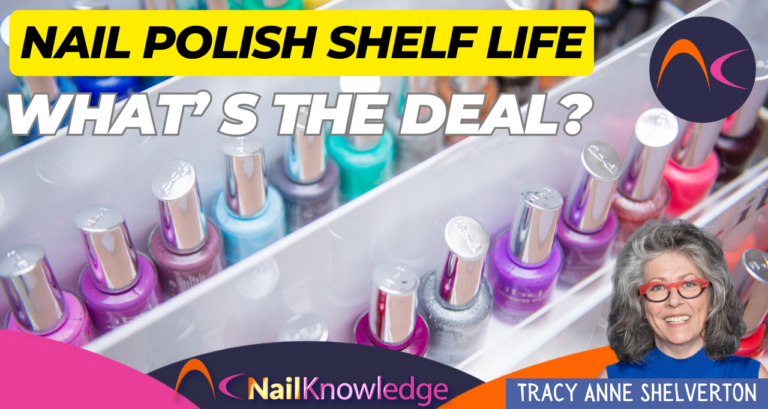
Thời hạn sử dụng của sơn móng tay: Có vấn đề gì không?

Ever wondered about the shelf life of your beloved nail polish? It’s not just about picking your favourite colour; it’s about making that colour last. So, let’s dive into the world of nail polish longevity.

The Basics of Nail Polish Shelf Life

Picture this: you’ve got an unopened bottle of nail polish sitting pretty on your shelf. That bad boy can last for a solid 2 to 3 years, and even longer if you treat it right. Keep it snug in a cool, dark place with the cap firmly sealed, and you’re golden.

But what happens when you pop that bottle open? Well, hang on to your nail files; things get a bit trickier.

Unveiling the Mysteries of Normal Nail Polish

Now, let’s talk about regular nail polish. The quality makes all the difference. Splurging on top-notch brands can give you a longer-lasting mani. Cheap knockoffs? Not so much. They might start fading faster than yesterday’s news.

Oh, and here’s a fun fact: thinning out your normal polish continuously won’t make it last forever. In fact, it might just cost you clients. We’ll get to that in a sec.

UV Gel Polish: The Hero of Longevity

Enter UV gel polish, the hero of long-lasting nails. This stuff can go weeks without chipping or fading if you treat it right. The secret sauce? UV or LED light. It’s like the superhero cape that hardens and sets this polish to perfection.

Signs Your Polish Is on Its Last Leg

So, how do you know when your nail polish has seen better days?

1. Thickening: If your polish has turned into a gooey mess, it’s time to say goodbye.
2. Separation: When you see layers forming, it’s like a relationship gone wrong. Time to break up with that polish.
3. Clumping: Clumpy polish is like trying to spread cold butter on toast – not pretty.
4. Weird Odor: If it smells funny, trust your nose; it’s a no-go.

Did You Know That Nail Polish is Thixotropic

If you’re like me and enjoy painting your nails in all sorts of fabulous colors, you might be surprised to learn that your favorite nail polish has a pretty cool property – it’s thixotropic. But wait, what in the world does “thixotropic” even mean? Don’t worry; I’ve got the scoop for you.

What’s Thixotropy, Anyway?

Okay, let’s break it down. Thixotropy is a mouthful, but it’s actually a simple concept. It’s all about how some substances can change their viscosity, or how thick and runny they are, when they’re agitated or stressed.

Imagine your nail polish as a thick, gooey substance sitting calmly in its bottle. When you dip your brush in and start applying it to your nails, you’re agitating it. Suddenly, it becomes more liquid and easier to spread. That’s thixotropy in action!

The Magic of Nail Polish

So, why does nail polish behave this way? It’s because of its unique formula. Nail polish consists of various components, including pigments, solvents, and resins. These components work together to give you that gorgeous, colorful finish.

The solvents in nail polish are responsible for its thixotropic behavior. They help keep the polish in a liquid state in the bottle. When you apply it to your nails, the agitation from brushing it on causes the solvents to evaporate quickly, leaving behind the color and resin that sticks to your nails.

Why Does Thixotropy Matter?

Understanding thixotropy is essential for both nail polish manufacturers and us nail aficionados. For manufacturers, it’s about creating a product that’s easy to apply but stays put once it’s on your nails. The thixotropic nature of nail polish strikes that balance perfectly.

For us, it means we can enjoy smoother, streak-free application. The polish spreads easily when we apply it but doesn’t drip all over the place. Plus, it dries relatively quickly, so we can get back to our daily activities without worrying about smudging.

Tips for Perfect Nail Polish Shelf Life

Now that you know your nail polish’s secret superpower, here are a few tips to make the most of it:

1. Store It Properly: Keep your nail polish tightly sealed and away from extreme temperatures to maintain its thixotropic properties.
2. Roll, Don’t Shake: Instead of shaking your nail polish bottle vigorously, roll it between your hands. This helps mix the ingredients without introducing air bubbles.
3. Thin It Out: If your polish thickens over time, use a nail polish thinner to restore its consistency.
4. Be Patient: Allow each coat to dry before applying the next one. Thixotropy helps with quicker drying, but you still need a little patience.

In a Nutshell

Wrapping it up, understanding nail polish shelf life is a game-changer. Your manicures will thank you for it. Remember, it’s not just about the color; it’s about the quality and care you give to your polish. And don’t forget, thinning normal polish isn’t a magic fix; it might just thin out your client list.

Now, let’s address some FAQs!

1. Làm nail polish expire?

Yes, nail polish can indeed expire. Just like other cosmetic products, nail polish has a shelf life. Over time, certain ingredients in nail polish can break down, causing changes in texture, color, and application. Expired nail polish may become thick, clumpy, or develop an unusual odor. To ensure the best results and prevent potential issues, it’s advisable to replace nail polish that has passed its expiration date. Proper storage, such as keeping the cap tightly sealed and storing in a cool, dark place, can help extend its shelf life.

2. How do I make my nail polish last longer?

Seal it tight, keep it cool, and don’t expose it to too much air. Your polish will thank you.

3. Can I save thickened polish?

Yep, you can! Nail polish thinner to the rescue. Just don’t overdo it.

4. How can I remove my nail polish, is acetone fre better?

Use acetone or a remover with acetone, put a little on a lint free pad, hold it down for 30 seconds, then your nail polish will come off with ease.

5. Can I mix nail polish brands?

Sure, you can, but be cautious. Some combos might not play nice together.

6. Any eco-friendly nail polish options?

Absolutely! Many brands are going green, just be aware, too green is not good, chemicals need to be in your nail polish, its the nature of the beast, but its an added bonus if the company making the polish are doing everything they can to save the plant in the process – sun pannels for energy, electricity from wind turbines – recyleable packaging etc so you can have fabulous nails without harming the planet.

So, there you have it, folks! Nail polish shelf life – demystified. Now, go forth and rock those fabulous nails! 💅


Thuộc chủ đề:Sữa dưỡng, Thuốc và Chất đánh bóng, Hóa học sản phẩm

  • « Chuyển đến Trang trước
  • Trang 1
  • Các trang tạm thời đã được bỏ qua …
  • Trang 7
  • Trang 8
  • Trang 9
  • Trang 10
  • Trang 11
  • Chuyển đến Trang sau »

Nâng cao kiến thức về làm móng

Tham gia bản tin của chúng tôi!
ĐĂNG KÝ...

Bản quyền © NailKnowledge

Kiến thức về móng tay

  • MyNailEra
  • Sách điện tử
  • Về chúng tôi
  • Các khóa học
  • Tin tức
  • Blog
  • Bản tin
  • Thuật ngữ

Chính sách

  • Trang riêng tư
  • Điều khoản và điều kiện
  • Chính sách Cookie

Ủng hộ

  • Liên hệ với chúng tôi
  • Gặp gỡ các chuyên gia
  • Hỏi các chuyên gia
  • Hỗ trợ hệ thống
  • Câu hỏi thường gặp
Vietnamese
Vietnamese
English Portuguese Spanish