¿Es prudente calentar los monómeros para uñas o es un riesgo?
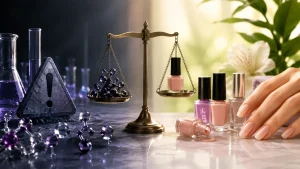
El problema del calentamiento de los monómeros en los salones de uñas, especialmente durante los meses más fríos, se ha convertido en un tema de debate. Algunos salones recurren a calentar el monómero en calentadores de biberones para combatir las bajas temperaturas. Pero, ¿es esta una práctica sensata o conlleva riesgos potenciales? Exploraremos los matices del calentamiento de los monómeros y por qué es esencial tener precaución.

Entender la diferencia: Calentar el monómero vs. Calentar
Calentar el monómero a temperatura ambiente es una práctica común para asegurar que permanezca en su estado óptimo para los servicios de uñas. Sin embargo, es crucial diferenciar entre calentar y sobrecalentar. Calentar los monómeros a temperaturas por encima de las condiciones normales de la habitación puede provocar varios problemas, entre ellos avería del servicio y los posibles riesgos para la salud.
Decoloración del monómero: Problemas de avería que deben evitarse
Calentar monómeros por encima de la temperatura ambiente puede tener efectos adversos en la calidad de los servicios de uñas. Una preocupación importante es la decoloración, donde el monómero puede cambiar de color, afectando la apariencia final de las uñas. Esta decoloración puede generar insatisfacción del cliente y dañar la reputación del salón.
Riesgos sanitarios
Calentar monómeros también puede presentar riesgos para la salud, principalmente a través del aumento de la inhalación de vapores. La sobreexposición a estos vapores puede provocar problemas respiratorios y otros problemas de salud. Es esencial priorizar la seguridad y el bienestar tanto de los técnicos de uñas como de los clientes.
Un enfoque mejor: Prevención de monómeros fríos
En lugar de recurrir a calentar el monómero, una estrategia más eficaz es evitar que se enfríe demasiado en primer lugar. Muchos salones experimentan temperaturas más bajas durante la noche después del cierre, lo que puede afectar la consistencia del monómero. Para abordar este problema, considere almacenar sus productos para uñas dentro de un recipiente aislado, como un “recipiente para hielo” o una “caja térmica”, durante la noche. Este simple paso ayudará a mantener los productos a una temperatura adecuada, eliminando la necesidad de calentamiento adicional.
Prioridad a la integridad y seguridad de los productos
En conclusión, si bien es esencial asegurarse de que los monómeros estén a temperatura ambiente para un rendimiento óptimo, no se recomienda calentarlos a temperaturas más altas. Hacerlo puede provocar problemas de avería en el servicio y riesgos para la salud. En su lugar, concéntrese en la prevención almacenando sus productos para uñas en recipientes aislados durante la noche para mantener su integridad y proteger la salud de todos en el salón. Al priorizar la seguridad y la calidad del producto, puede ofrecer servicios de uñas excepcionales al tiempo que mitiga los riesgos potenciales asociados con el calentamiento de monómeros.
Recuerde que el objetivo es conseguir unas uñas bonitas y, al mismo tiempo, mantener seguras y satisfechas tanto a las clientas como a los técnicos de uñas.