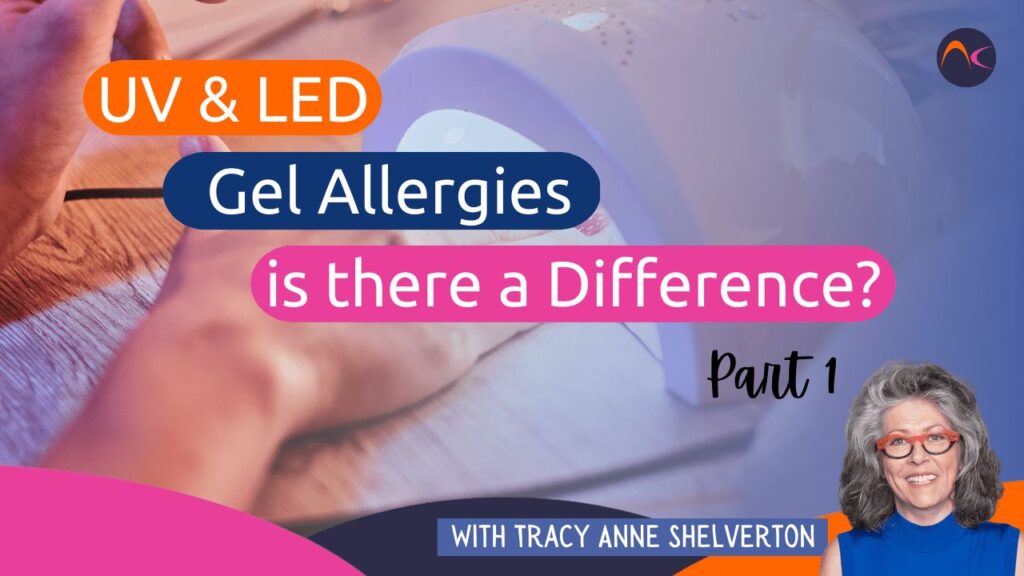
Alergias al gel LED son reacciones alérgicas a los químicos utilizados en los productos para uñas de gel curado con UV-LED. Los geles curados con UV-LED son similares a los geles curados con UV (estilo antiguo) en que contienen una combinación de químicos, que incluyen monómeros, oligómeros y fotoiniciadores, que son activados por la energía UV que se encuentra en la luz LED para endurecer y curar el gel.
Una nota de Doug Schoon: Estos LED emiten más UV, pero las manos permanecen bajo las lámparas durante menos tiempo, por lo que las exposiciones son más o menos las mismas que las de las antiguas lámparas fluorescentes UV para uñas.

¿Qué es la energía UV?
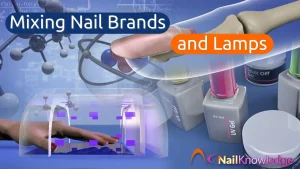
La energía UV emitida por las bombillas UV-LED se mide en nanómetros. Los nanómetros se utilizan para medir las longitudes de onda de la luz y las distancias entre átomos en moléculas, y en nuestros productos UV-LED hay fotoiniciadores que se ajustan a los nanómetros para ‘recibir’ la energía, lo que inicia el proceso de curado de nuestro gel UV-LED.
Sin embargo, las bombillas UV-LED emiten un espectro de energía más amplio que las bombillas UV, lo que significa que curan más rápidamente, lo que puede causar un tipo diferente de reacción en algunas personas, especialmente si los fotoiniciadores del gel UV-LED no coinciden con la salida (nanométrica) de la lámpara de curado UV-LED.
Es importante emparejar la lámpara que cura tu gel con el gel que utilizas, esto asegurará curado adecuado de tu gel UV-LED y ayudar a prevenir la aparición de alergias. La empresa que te vende el producto debería poder responder a todas tus preguntas antes y después de comprar su producto, si no pueden, podría valer la pena buscar otro proveedor.
Cómo reconocer una reacción alérgica
Las reacciones alérgicas a los alérgenos en los geles curados con LED UV pueden variar desde irritación leve hasta síntomas más graves, como enrojecimiento, picazón, hinchazón o ampollas. En algunos casos, la reacción puede retrasarse y aparecer varias horas o días después de la exposición inicial al gel. (Algunas reacciones pueden tardar años antes de manifestarse; una alergia podría desarrollarse a lo largo de un largo período de tiempo) Si notas alguno de estos síntomas, retira todo el producto y cuida de recuperar tus uñas con un buen aceite y loción.
La exposición repetida a estos químicos (no curados) también puede aumentar el riesgo de desarrollar una alergia con el tiempo, pero también es posible sufrir una ‘alergia aguda’, especialmente si ya has tenido una reacción a otro alérgeno.
Para prevenir alergias al gel LED en el salón o centro de formación, se recomienda tomar ciertas precauciones, como usar guantes durante la aplicación y retirada, una buena ventilación, evitar el contacto de la piel con el gel tanto como sea posible, y utilizar solo productos de alta calidad y reputación que hayan sido probados y certificados para la seguridad, además de dejar todas las capas de piel intactas alrededor de la unidad ungueal.
Nuestra piel y las alergias
Nuestros sellos protectores nos protegen no solo de patógenos, sino también de químicos que pueden estar o no en nuestra piel y nuestra piel es nuestro propio filtro de radiación UV ‘incorporado’, eliminar cualquiera de las capas de tu piel durante un servicio de salón podría aumentar la posibilidad de desarrollar cáncer de piel.
Nosotros no recomendar realizar pruebas de autoconexión del producto en una pequeña área de la piel, déjelo en manos de los expertos y evite usar un producto similar si aparecen signos de irritación o alergia hasta que sepa con certeza qué ingrediente y/o alérgeno causó la reacción en primer lugar. Es mucho más fácil encontrar un producto que pueda usar cuando sabe qué causó el problema en primer lugar.
¿Qué hacer si se sospecha una reacción alérgica a un gel UV-LED?
Si sospechas que tienes una alergia al gel, es importante informar a la marca y a la empresa a la que lo compraste y buscar atención médica para un diagnóstico y tratamiento adecuados antes de cambiar a otro producto, esto evitará reacciones alérgicas adicionales y mantendrá tu seguridad y la de tus clientes en el salón.
Por si se ha perdido la primera parte Alergias a UV y gel artículo.