• Saltar a la navegación principal
  • Saltar al contenido principal
  • Saltar al pie de página
Conocimientos de uñas

Conocimientos de uñas

  • Cursos
  • MyNailEra
  • Libros electrónicos gratuitos
  • Base de conocimientos
    • Base de conocimientos
    • Pregunte a los expertos
    • Glosario
  • Noticias
  • Blog
  • Inicio de sesión

Cuidado y anatomía del pie

Uña encarnada o encarnada - Causas, síntomas y consejos para su cuidado

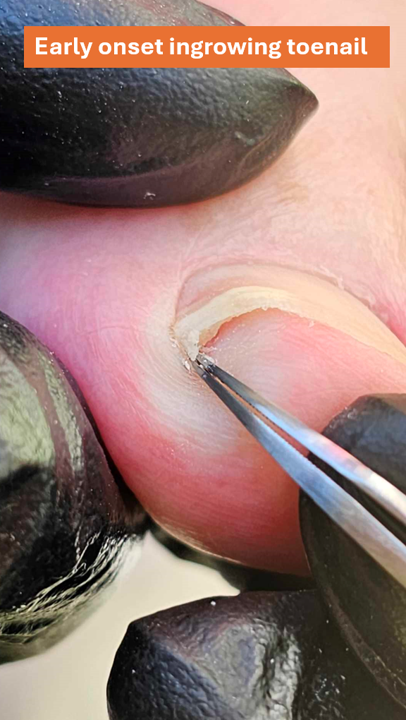
Understanding an Ingrowing vs Ingrown Toenail

An ingrowing toenail occurs when the edge of the nail starts pressing into the surrounding skin.

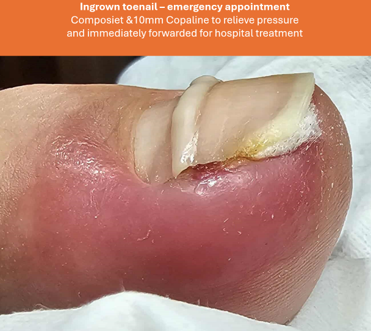
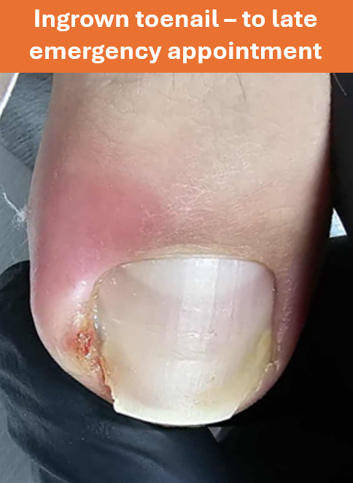
An ingrown toenail happens when that edge pierces the skin, often leading to inflammation or infection.

Knowing the difference helps prevent the problem from becoming painful or infected.

Common Causes of an Ingrown Toenail

An ingrown toenail (or nail growing into the skin) can result from several factors, including:

  • Shoes that are too narrow or tight
  • Cutting nail corners too short or too round
  • Incorrect nail shape or trauma to the toe
  • Picking or tearing at the nail folds
  • Naturally curved or thick toenails
  • Misaligned toe position
  • Prolonged moisture around the toes

Regular maintenance and correct cutting techniques reduce your risk.

Signs and Symptoms of Ingrown or Ingrowing Nails

When the skin is not yet pierced (ingrowing nail):

  • Redness around the nail edge
  • Swelling or mild inflammation
  • Tenderness or pressure pain when walking

When the nail pierces the skin (ingrown toenail):

  • Increased inflammation
  • Pus or discharge
  • Sharp, throbbing pain or local infection

Recognising these early signs allows timely professional care before infection develops.

What You Can Do for a Mild Ingrowing Toenail

It’s best not to treat an ingrown toenail yourself, but you can support healing and comfort by:

  • Cutting toenails straight across, never too short, and avoiding rounded corners
  • Wearing well-fitting, supportive shoes with adequate toe space
  • Keeping the area clean, dry, and lightly moisturised with natural nail oil or gentle lotion
  • Consulting a (medical) podiatrist if soreness continues or you’re uncertain about safe care
  • Contacting your GP for referral if redness, swelling or pain increases

These simple steps often prevent the condition from worsening.

You Could Also Protect Your Feet by Avoiding These Actions

You could make small changes that help recovery and stop further irritation:

  • Skip foot baths – soft, moist skin raises infection risk
  • Don’t cut into nail corners – temporary relief often leads to deeper nail embedding later
  • Visit a podiatrist for safe pressure relief, such as:
    • Removing excess callus
    • Applying a soft protective dressing (Ligasano or Copaline)
    • Using a nail brace to lift the edge of the nail and reduce pressure 
  • If the skin is already pierced or inflamed, only a medical podiatrist should perform treatment, usually following a doctor’s referral.

When an Ingrown Toenail Needs Medical Treatment

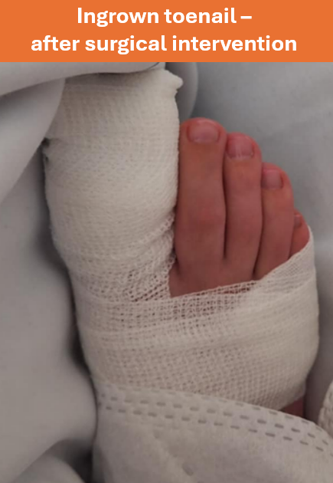
If an ingrown toenail keeps recurring or causes constant pain, a medical specialist may perform a wedge excision — removing a small nail section and treating the nail root (matrix) with phenol to stop regrowth.

This is considered a last-resort option.

Working closely with a medical podiatrist is generally more effective and helps identify what’s causing the problem.

With the right footwear, regular maintenance, and correct nail trimming, most clients stay pain-free and infection-free without surgery.

Professional Advice for Nail and Foot Care Specialists

As a nail or foot professional, understanding the difference between an ingrowing and ingrown toenail helps you guide clients safely.

Avoid invasive work, maintain excellent hygiene, and refer to a qualified podiatrist whenever infection or broken skin is present.

Education, prevention, and gentle care go a long way toward maintaining healthy, comfortable feet.

Key Takeaway

Early awareness and small adjustments — correct trimming, good footwear, and timely podiatry advice — can stop a mild ingrowing nail from becoming a painful, infected ingrown toenail.

Prevention is always easier than treatment.
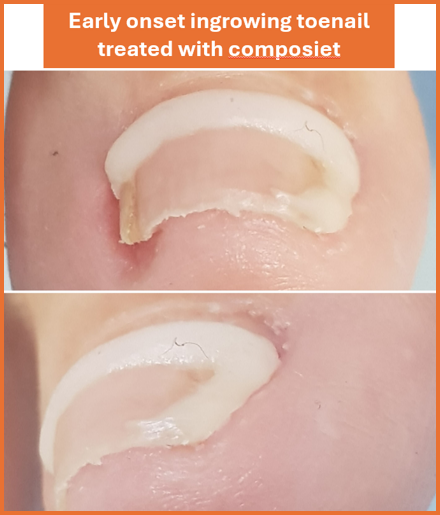
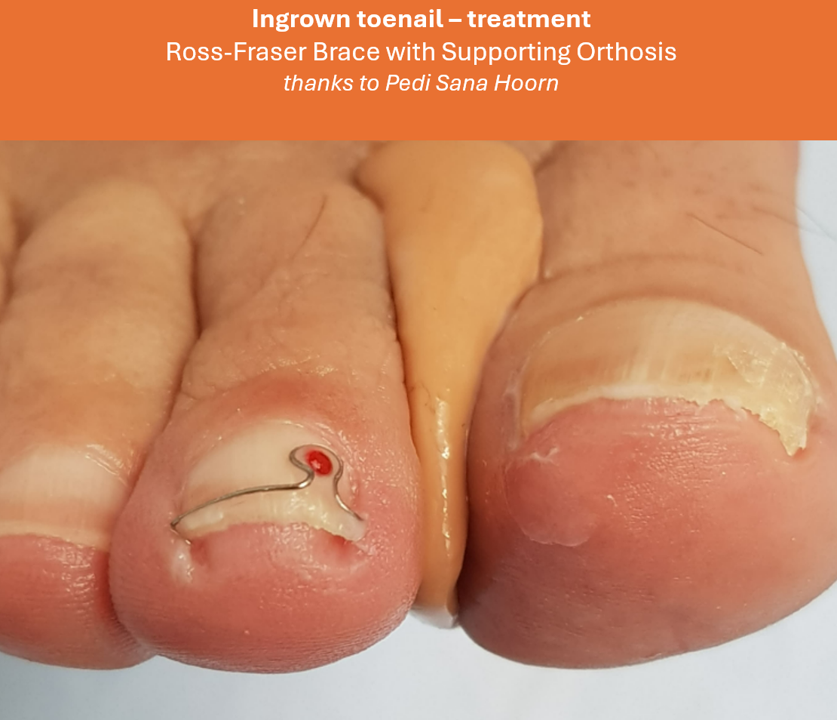
Ingrown toenail – treatment pedi sani hoorn

Publicado en: Cuidado y anatomía del pie

Por qué la higiene de los pies cuando hace calor es más importante de lo que cree

Summer’s here and the temperature’s climbing, but while you’re reaching for sunscreen and iced drinks, there’s one part of your body quietly suffering in the heat: your feet. Foot hygiene in hot weather isn’t exactly the most glamorous topic, yet it’s one of those small daily rituals that can make a big difference in how you feel (and smell). Think about it: your feet are trapped in shoes all day, sweating away with every step. Ignore them too long, and they’ll remind you loudly or they could be in open slippers or sandals, seems better but is it?

Why Summer Challenges Foot Hygiene in Hot Weather

When temperatures soar, your feet don’t get a break. They’re usually tucked into shoes, wrapped in socks, or exposed to hot pavements in sandals. This creates the perfect storm of sweat, friction, and bacteria, three ingredients that don’t mix well if you’re hoping for odour-free, blister-free feet.

Feet have more sweat glands per square inch than any other part of the body. That’s not a fun fact you want to test the hard way. Without proper care, sweaty feet can become a breeding ground for fungi and bacteria, leading to everything from athlete’s foot to nail infections. Not to mention that unmistakable whiff when you kick your shoes off after a long day.

The Role of Foot Hygiene in Hot Weather

You might not give it much thought, but maintaining good foot hygiene in hot weather is about more than just feeling fresh. It’s your best defence against infections, skin irritation, and that dreaded foot odour. Think of it like brushing your teeth, essential, daily, and way less fun when skipped.

Start with a simple daily wash. Sounds obvious, but you’d be surprised how many people skip washing their feet properly. Letting water run over them in the shower doesn’t count. Get in there with soap and a gentle scrub, especially between the toes where moisture likes to hide. After washing, dry thoroughly with a highly absorbent towel paying particular attention to any little wounds that you spot, yes, even between the toes. That little bit of extra effort can prevent fungal growth that comes to visit if given the chance but is notoriously difficult to get rid of.

Choose the Right Footwear (and Rotate It!)

When it’s hot out, what you wear on your feet can make or break your hygiene game. Breathable materials are key, think canvas, mesh, or leather. Avoid plastic shoes like the plague. They trap heat and moisture, turning your feet into mini steam rooms.

If you’re on your feet all day, don’t wear the same pair of shoes two days in a row. Give them a chance to air out. Rotating your footwear helps keep sweat and bacteria from building up, which is a game-changer in hot climates. If that’s not possible use a shoe drying machine, there are many effective ones available that work very well.

Socks Matter More Than You Think

Socks are your feet’s first line of defence against sweat. Cotton might seem like a good choice, but it actually holds onto moisture. Try moisture-wicking fabrics instead, like wool blends or synthetic fibres designed to pull sweat away from the skin. Change your socks at least once a day, more if you’re prone to sweaty feet.

And here’s a tip most people overlook: flip your socks inside out before tossing them in the wash. That way, the sweat and dead skin cells on the inside get cleaned properly.

Pedicures Aren’t Just for Aesthetics

Regular foot care can go a long way in maintaining hygiene. You don’t need a fancy spa appointment, just a simple home pedicure once a week. Soak your feet for a couple of minutes  in warm water, exfoliate with a pumice stone, and trim your nails straight across to avoid ingrown toenails. Apply a light, non-greasy moisturizer to keep skin soft without trapping sweat.

Keeping your toenails clean and trimmed is more than a cosmetic thing. Dirt and bacteria can easily collect under long nails, and cracked heels can trap sweat and grime, creating perfect spots for infections to take root.

If you wear Gelpolish on your toenails, nail care and maintenance is essential, unlike the nails of our hands, we cannot see when a problem occurs under our gelpolish on our toes, using a high quality nail & skin oil is essential to guard against any unwanted pathogens especially if your wear your gelpolish for longer than the recommended time.

Preventing Smelly Feet: Foot Hygiene in Hot Weather

Let’s be honest, no one wants to be the person with the stinky shoes. But in summer, even the cleanest feet can start to smell. The culprit? Bacteria breaking down sweat. This is a good thing, it helps keep our feet healthy, but too much bacteria allowed to get out of control is an invitation for our feet to get nice and smelly.   

There is more than one effective way to combat this:

  • Keep your feet clean & dry and get used to nail & skin maintenance
  • Avoid callous buildup that splits, especially on the heals do not remove all of it – leave a thin layer behind, your heels need a little protection
  • Use antibacterial foot sprays or powders. They help keep moisture and odor under control when you cant keep them clean and dry

For a (temporary) natural remedy:

  • Try soaking your feet in for a couple of minutes in cool black tea (don’t forget to dry well afterwards between your toes). The tannic acid acts as an astringent, closing pores and reducing sweating. Plus, it has antibacterial properties. It’s not a miracle cure, but it does offer some relief when things get sweaty.

Don’t Forget Public Spaces

Hot weather means beach days, public pools, and locker rooms, all breeding grounds for foot fungus. Always wear flip-flops or water shoes in communal showers and changing areas. Even quick contact with these surfaces can be enough to pick up something unpleasant.

When you get home, check your feet for small wounds and wash your feet immediately and apply a high quality nail and skin oil en lotion. It’s a small habit that helps keep any hitchhiking fungi or bacteria from settling in.

Keep It Routine, Keep It Simple

What is the best part about foot hygiene in hot weather? It’s not rocket science. With just a few simple habits, daily washing, dry socks, breathable shoes and nail & skin maintenance of your feet as well as your hands, you can avoid the most common (and most embarrassing) foot issues. It’s about prevention, not cure. And once you build it into your daily routine, it becomes second nature.

So, next time you slip on your sandals or lace up your trainers, spare a thought for the hard-working feet beneath you. They deserve more than just occasional attention. Treat them well, especially when the heat’s on, and they’ll carry you comfortably through the summer, fresh, clean, and odour-free.

Publicado en: Cuidado y anatomía del pie

Cómo plantear un problema médico como una verruga en un salón de manicura

Why Addressing a Verruca in a Nail Salon Matters More Than You Think

As nail technicians, we’re often closer to our clients’ skin, literally, than anyone else in their lives. While pampering someone’s feet or hands, we might catch sight of something they haven’t noticed or have chosen to ignore. It could be dry skin, discolouration, or something a little more concerning, like a verruca. Now, nobody gets into the beauty industry to play doctor, but when it comes to identifying something contagious or potentially harmful, such as a verruca in a nail salon, staying silent isn’t an option. Let’s face it, though: bringing up a potential medical issue can feel awkward. You don’t want to embarrass your client, and you certainly don’t want to sound accusatory or unprofessional. So how do you handle it gracefully? Here’s how you can navigate these tricky moments with compassion, tact, and confidence.

Recognising and Responding to a Possible Verruca or Foot Issue

Knowing what to look for is your first defence. Verrucae, commonly called verrugas plantares, are caused by the human papillomavirus (HPV). They usually appear on the soles of the feet and can look like small, rough lumps of skin, often with little black dots at the centre. They can be painful, especially when under pressure from walking or standing. Crucially, they’re contagious, easily spread in communal areas like pools, showers, and yes, salons. In a busy nail salon environment where tools and spaces are shared, spotting a verruca in a nail salon setting is not just a medical concern; it’s a professional and ethical responsibility. While you can’t diagnose conditions (and shouldn’t attempt to), being aware of the signs helps you act appropriately.

Why Treating a Verruca in a Nail Salon Yourself is a Risk

It’s tempting to want to help, especially if your client looks worried or unsure. But resist the urge to just go over it with polish or ignore it entirely. Using tools on or near a verruca risks spreading the virus, not just to other parts of your client’s foot, but potentially to your other clients or even to yourself. As a nail tech, your job is to provide a clean, safe, and enjoyable experience. That includes knowing when a client should be referred to a podiatrist. Saying “I think this might be something to check out with a specialist” is not a sign of limitation, it’s a sign of professionalism.

Talking About a Verruca with Sensitivity and Confidence

Nobody wants to hear they’ve got something unusual on their feet during what’s supposed to be a relaxing pedicure. That’s why your tone and timing matter so much. First and foremost, stay calm. If you look uncomfortable, your client will sense that and might feel embarrassed or even defensive. Here’s a script-style suggestion you could adapt: “I’ve noticed a little area here that looks like it might be a verruca. They’re really common and not usually serious, but they can be contagious, so it’s best to get it checked by a podólogo before we do any foot treatments.” You’re not diagnosing or blaming. Instead, you’re simply flagging something in a kind, matter-of-fact way, like you’d mention a chipped nail or dry cuticles, just with a bit more care.

Avoiding Embarrassment in a Personal or Public Setting

Let’s not underestimate how vulnerable clients can feel during a salon visit. Feet, in particular, are a sensitive topic for many. If you spot a verruca in a nail salon where the client is seated next to others, be discreet. Lower your voice. Don’t make a fuss. Avoid words that carry stigma like “infectious” or “disease.” Instead, keep your language neutral and reassuring. You might say something like: “This is just something I want to flag for your wellbeing, it’s easy to treat and very common.” Framing it this way prevents shame and keeps the trust between you and your client intact.

Helping Clients with Verruca Referrals Beyond the Nail Salon Chair

Your responsibility doesn’t end with pointing it out. You can go a step further by helping your client access professional care. That might mean keeping a list of trusted local podiatrists, having a few business cards on hand, or even offering to look up a name while they’re still with you. Doing so doesn’t just show that you care, it also reinforces your credibility and professionalism. You’re not just saying, “This is a problem.” You’re saying, “Here’s a solution.”

Making Clients Feel Welcome After Treatment

If a client has taken your advice, sought treatment, and is now ready to return, your approach should be warm and inclusive. Avoid making it a big deal. They might already feel a bit self-conscious, so keep the mood light. A simple “Lovely to see you again, how are your feet feeling now?” acknowledges their journey without making it awkward. That small kindness helps them feel comfortable and valued, and it shows you were invested in their wellbeing, not just their booking.

Final Thoughts: Professionalism with a Personal Touch

Bringing up a medical concern like a verruca in a nail salon might never feel entirely easy, but it’s a vital part of our role as beauty professionals. It’s not about crossing a line, it’s about holding the line when it comes to hygiene, safety, and care. Handled thoughtfully, these moments can actually deepen your relationship with your client. They’ll see that you’re not just there to give them shiny nails or soft heels, you’re there to look out for them. And that kind of care is what brings people back, again and again. So the next time you spot something unusual, don’t panic. Take a breath. Approach it with kindness, clarity, and a pinch of courage. You’ve got this.

Publicado en: Cuidado y anatomía del pie

Diferencia entre las infecciones de las uñas por hongos y la psoriasis ungueal

¿Uña micótica o psoriasis ungueal?

Los profesionales de la manicura saben distinguir entre hongos y psoriasis ungueal... y cuándo remitir a un especialista

Como profesional de las uñas, sus clientas confían en usted para notar cambios en sus uñas, y a menudo es la primera en detectar signos de algo inusual. Dos de las afecciones que más se confunden son las infecciones por hongos en las uñas y la psoriasis ungueal. Ambas pueden causar decoloración, engrosamiento y manchas en las uñas. uña escamosa superficies, pero requieren enfoques muy diferentes.

Saber qué buscar y cuándo remitir a un podólogo puede suponer una gran diferencia para la salud de las uñas de sus clientes.

¿Qué es una infección por hongos en las uñas?

Una infección por hongos en las uñas (también conocida como onicomicosis) está causado por una acumulación de hongos dermatofitos que invaden la lámina ungueal, la piel que hay debajo de ella (el lecho ungueal) o toda o parte de la piel del propio pie. Estos organismos prosperan en ambientes cálidos y húmedos y suelen empezar infectando la piel entre los dedos (pie de atleta) antes de extenderse a las uñas de los pies.

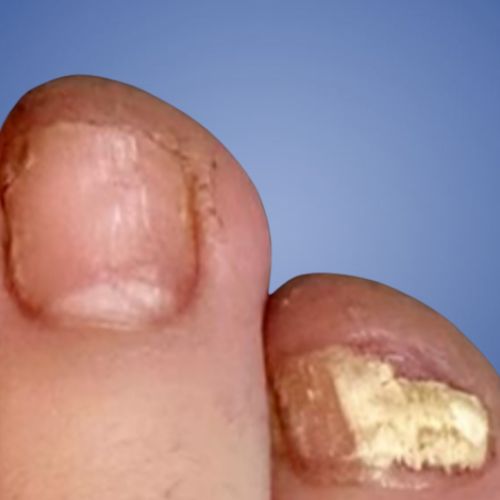
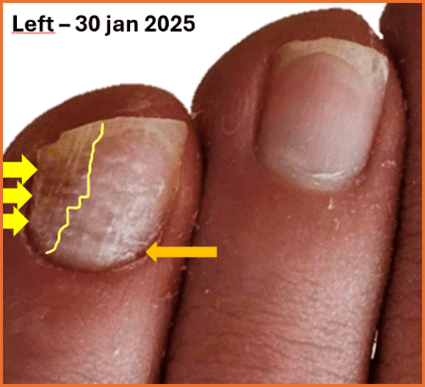
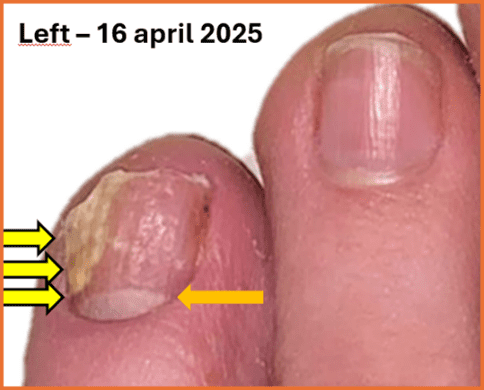
Fig A: Parece una infección por hongos en un dedo del pie- se analizó y lo es.
Fig. B: Parece una infección fúngica en una uña - se analizó, y lo es.
Fig C: Parece Psoriasis se trató como Psoriasis y finalmente se analizó y es una infección por hongos
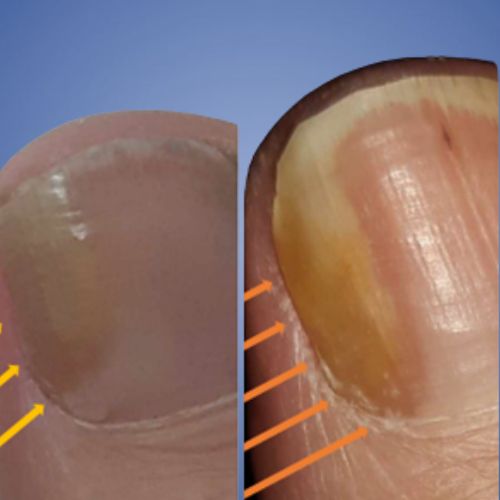
Fig D1
Fig D2

Fig D1 y Fig D2: Parece Psoriasis - Se analizó y es una infección por hongos, pero en este caso, ¡también podría ser Psoriásica!

Las infecciones fúngicas son contagiosas y pueden propagarse a través de calzado compartido, herramientas para las uñas o ambientes húmedos como piscinas, gimnasios e incluso la ducha de casa. Aunque una infección fúngica puede afectar a una o varias uñas, puede empeorar lentamente con el tiempo sin tratamiento. No hace falta ser mayor para contraer una, ya que las infecciones fúngicas se observan a menudo en futbolistas o corredores jóvenes, el motivo es el daño que sufren las unidad de clavos al correr o jugar, generalmente mini traumatismos de algún tipo que dan a los hongos la oportunidad de arraigar, pero incluso un calzado demasiado pequeño puede causar una abertura en una placa ungueal que los hongos pueden hacer su hogar.

¿Qué es la psoriasis ungueal?

La psoriasis es una enfermedad inflamatoria de la piel de larga duración que también puede afectar a alguna o a todas las partes de las uñas.s. En la psoriasis ungueal, el sistema inmunitario acelera la producción de células cutáneas alrededor y debajo de la uña, lo que provoca una acumulación de células y un crecimiento anormal de la uña.

La psoriasis ungueal es no contagioso, Puede afectar sólo a las uñas, o formar parte de síntomas más amplios de psoriasis en la piel o incluso en las articulaciones (artritis psoriásica). Puede afectar sólo a las uñas o formar parte de síntomas más amplios de psoriasis en la piel o incluso en las articulaciones (artritis psoriásica).

Qué aspecto tienen las infecciones por hongos en las uñas

Las infecciones por hongos en las uñas suelen comenzar en la punta o en un lateral de la uña y se extienden lentamente.

Signos comunes:

  • Decoloración amarilla, marrón o blanca
  • Desmenuzable o uña quebradiza bordes
  • Uñas engrosadas
  • Levantamiento de la uña del lecho ungueal (onicólisis)
  • Restos escamosos bajo la uña
  • Olor a humedad o desagradable

A menudo relacionado con:

  • Traumatismo ungueal
  • Llevar calzado apretado, no transpirable o mal ajustado.
  • Pie de atleta (tinea pedis)
  • Andar descalzo por las zonas comunes
  • Compartir herramientas para uñas
Zapatos ajustados, corbatas aplastadas y D5 en varias posiciones.

Aspecto de la psoriasis ungueal

La psoriasis ungueal puede afectar a todas las partes de la uña o a algunas de ellas. matriz de uñas (que forma la lámina ungueal) o el lecho ungueal (debajo de la uña). Puede aparecer aunque el cliente no tenga psoriasis visible en la piel.

Signos comunes:

  • Pequeñas picaduras (abolladuras diminutas) en la lámina ungueal
  • Una mancha “gota de aceite” de color rosa salmón bajo la uña.
  • Crestas o surcos a lo largo de la uña
  • Engrosamiento de la piel bajo la uña (hiperqueratosis subungueal)
  • Manchas blancas o hemorragias en astilla
  • Uñas que se levantan del lecho ungueal, a menudo a través de varias uñas
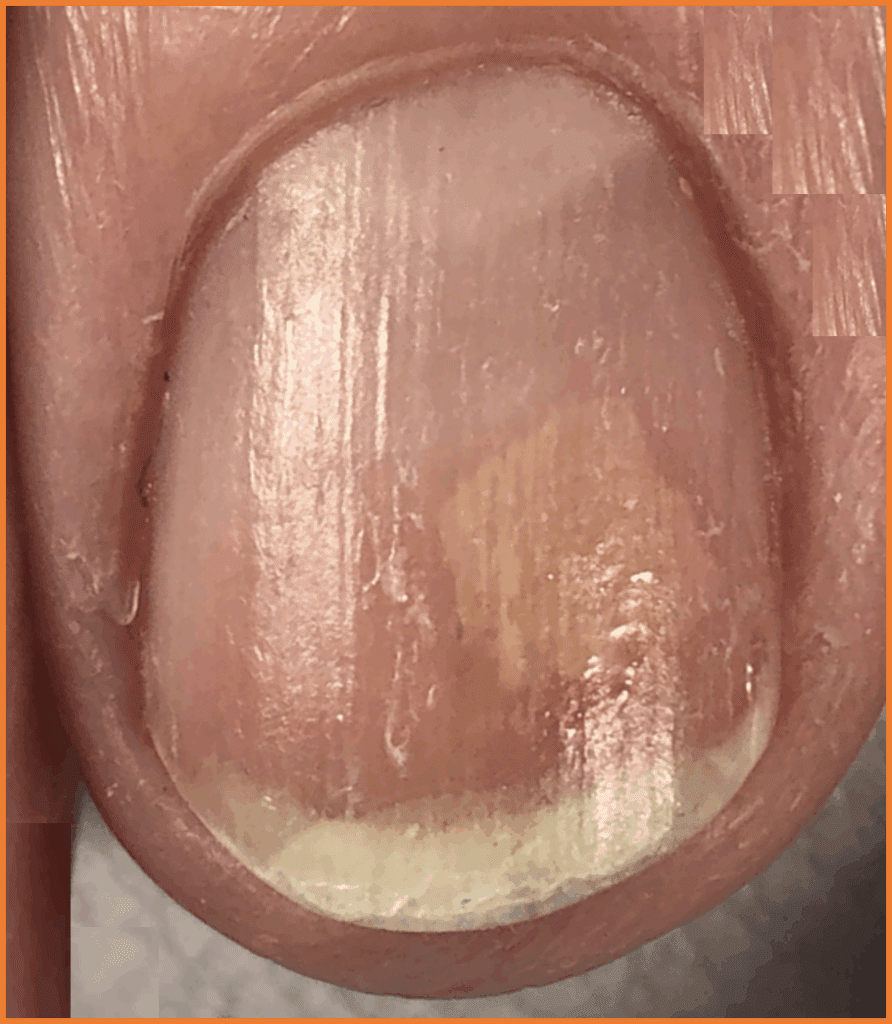
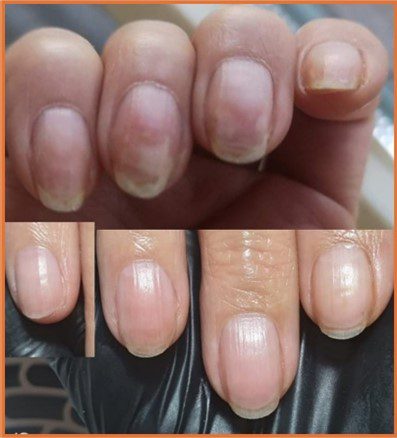
Gota de aceite psoriásico en el lecho ungueal
Fig 2: Gota de aceite psoriásico en el lecho ungueal
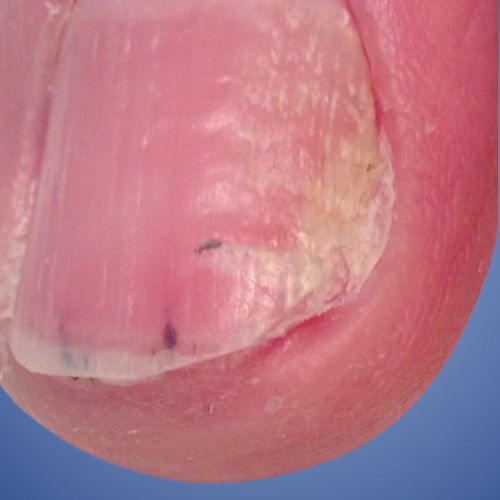
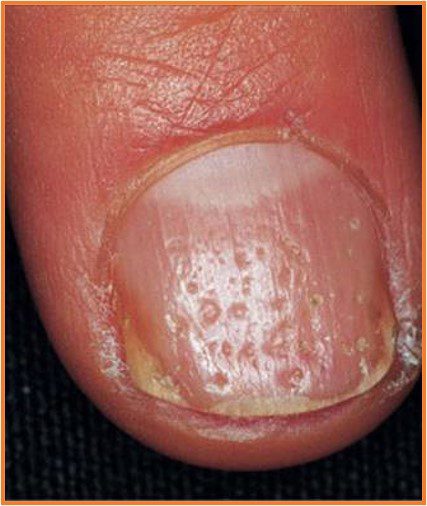
Fóvea psoriásica en la lámina ungueal superior
Fig 3: Fóvea psoriásica en la lámina ungueal superior
Psoriasis en el lecho ungueal y recuperación con un mantenimiento adecuado de manos y uñas
Fig 4: Psoriasis en el lecho ungueal y recuperación con un mantenimiento adecuado de manos y uñas

Las alteraciones psoriásicas de las uñas suelen ser simétricas y pueden afectar a una o varias uñas a la vez.

Por qué es importante

Estas dos afecciones pueden tener un aspecto muy similar, pero las causas y los tratamientos son completamente distintos. Las infecciones por hongos sólo pueden diagnosticarse correctamente mediante una prueba. La psoriasis debe ser diagnosticada por un dermatólogo.

Tratar una uña con hongos con un antifúngico no servirá de nada si el problema es en realidad psoriasis. Del mismo modo, tratar la psoriasis ungueal con esteroides tópicos o un producto antifúngico no servirá de nada si se trata de una infección fúngica.

Por eso es esencial remitir a los clientes a un podólogo si se observan cambios persistentes o signos de infección.
***Las pruebas pueden excluir o confirmar una infección fúngica.

Cuándo remitir a su cliente

Remitir a un podólogo si su cliente tiene:

  • Dolor, hinchazón, sangrado o sensibilidad alrededor de la uña
  • Uñas que huelen mal o parecen infectadas
  • Síntomas que no mejoran tras el autotratamiento
  • Cambios en varias uñas, especialmente si parecen simétricas
  • Antecedentes personales o familiares de psoriasis o afecciones cutáneas
  • Cualquier cambio inusual o preocupante del que no esté seguro

Un podólogo puede tomar una muestra de la uña, comprobar si hay infección fúngica y hacer un diagnóstico claro. También creará un plan de tratamiento adaptado a las necesidades del cliente.

Cómo ayudar

No se espera que diagnostiques, pero son en la posición perfecta para detectar cambios tempranos. Su ojo experto, junto con una buena higiene y unas referencias adecuadas, desempeña un papel fundamental en la protección del bienestar de sus clientes.

Al remitir a un podólogo cuando algo no parece ir bien, está ofreciendo a sus clientes la mejor atención posible y ayudándoles a recibir el tratamiento que necesitan cuanto antes.

Reflexión final

La salud de las uñas es algo más que su aspecto. Tanto si se trata de hongos como de psoriasis, la detección precoz puede evitar daños a largo plazo y tranquilizar al cliente. Si algo no le parece bien, confíe en su instinto y consulte a un podólogo. Podrías ser la primera persona que marque la diferencia en su salud.

*** 1.Tsunemi Y, Takehara K, Miura Y, Nakagami G, Sanada H, Kawashima M. Screening for tinea unguium by Dermatophyte Test Strip. Br J Dermatol. 2014;170(2):328-31.

Publicado en: Cuidado y anatomía del pie, Afecciones de las uñas

Cómo detectar un melanoma ungueal

Guía del podólogo para atajar esta amenaza silenciosa

Como podólogo, me paso el día metido hasta las rodillas (¿o debería decir hasta los pies?) en todo tipo de casos, desde uñas encarnadas hasta verrugas. Pero de vez en cuando veo algo mucho más siniestro, algo que podría ser literalmente una cuestión de vida o muerte: el melanoma ungueal. ¿El problema? Muchas personas no saben cómo detectar un melanoma ungueal, lo que dificulta la detección precoz y aumenta el riesgo de diagnóstico tardío.

Sé lo que está pensando. “¿Melanoma? ¿En la uña?” Sí, ocurre. Es lo que padeció el famoso músico Bob Marley y lo que le llevó a su desgraciado fallecimiento. ¿Y la parte complicada? Es asombrosamente fácil pasarlo por alto. Por eso, tanto si eres podólogo, técnico de uñas o simplemente alguien a quien le gusta una buena pedicura, tienes que saber a qué prestar atención.

Así pues, entremos en materia: ¿qué aspecto tiene el melanoma ungueal y cuándo debe enviar a ese cliente o paciente directamente al dermatólogo?

¿Qué es exactamente el melanoma ungueal y cómo detectarlo?

El melanoma ungueal (o melanoma subungueal, si nos ponemos elegantes) es un tipo de cáncer raro pero agresivo. cáncer de piel que se forma bajo la uña. Suele empezar en la matriz de la uña (la parte oculta bajo la cutícula), lo que dificulta su detección en sus primeras fases.

A diferencia del melanoma de extensión superficial, más frecuente en la piel expuesta al sol, el melanoma ungueal no necesita la luz solar para desarrollarse. Es sigiloso, de crecimiento lento y a menudo se ignora hasta que es demasiado tarde.

Cómo detectar el melanoma de uñas: los signos más sutiles que puede pasar por alto

Aquí es donde las cosas se complican. El melanoma de uñas puede hacerse pasar por un hematoma, una infección por hongos o incluso un simple cambio de pigmentación natural, sobre todo en personas con tonos de piel más oscuros, donde la pigmentación de las uñas es más frecuente. Sin embargo, es fundamental recordar: nunca intente autodiagnosticar un melanoma ungueal. Si nota alguno de estos cambios y no está seguro, busque una evaluación médica en lugar de asumir que es inofensivo. Una evaluación profesional temprana podría salvarle la vida. Signos clave a tener en cuenta:

1. Una raya oscura que no desaparece

El signo más común es una raya marrón oscura o negra que baja verticalmente por la uña. Pero aquí está el truco: no se mueve hacia arriba ni crece a medida que lo hace la uña. Si ese “moratón” no desaparece al cabo de unos meses, es hora de investigar.

2. Pigmento que se extiende sobre la piel (signo de Hutchinson)

Si la pigmentación se extiende a la cutícula o a la piel circundante (lo que se denomina signo de Hutchinson), considérelo una señal de alarma. Se trata de un signo clásico de melanoma que se extiende más allá de la cutícula. placa para clavos.

3. Una raya en la uña nueva o cambiante

Si alguien ha tenido una mancha en las uñas durante años sin ningún cambio, probablemente sea benigna. Pero si aparece una raya nueva, se ensancha, se oscurece o cambia de forma, es cuando debe saltar la alarma.

4. Distrofia o destrucción de las uñas

El melanoma no siempre permanece ordenado bajo la uña: puede distorsionar, partir o destruir la lámina ungueal. Si una uña se levanta, se desmorona o se desintegra sin un traumatismo o una infección evidentes, hay que cavar más hondo (no literalmente, por favor).

5. Una “infección” persistente que no desaparece

¿Crees que es un hongo en la uña? Puede que sí. Pero si los antifúngicos no funcionan y la uña empeora, reconsidera tu diagnóstico. El melanoma a veces puede simular onicomicosis (hongos en las uñas), y confundirlas puede retrasar el tratamiento que salva vidas.

6. Dolor, sangrado o crecimiento abultado bajo la uña

El melanoma no siempre se presenta en paquetes ordenados y rayados. Puede presentarse como un bulto, una ulceración o una hemorragia espontánea bajo la uña. Si un cliente dice: “No recuerdo haberme hecho daño, pero no deja de sangrar”.” tómatelo en serio.

¿Quién corre peligro?

El melanoma no discrimina, pero algunas personas están en mayor riesgo que otros:

  • Personas con tonos de piel más oscuros (tienen más probabilidades de desarrollar un melanoma subungueal que las personas de piel clara).
  • Aquellos con antecedentes de traumatismo en la uña (aunque no siempre está vinculado).
  • Personas con antecedentes familiares de melanoma.
  • Personas que pasan tiempo al sol sin protección solar.
  • Mayores de 50 años (aunque puede ocurrir a cualquier edad).

¿Cuándo derivar? Cómo detectar un melanoma ungueal y actuar con rapidez

Si usted es médico o técnico y detecta alguno de los signos de advertencia anteriores, no lo dude: consulte siempre a un médico o dermatólogo inmediatamente. Un retraso en el diagnóstico aumenta significativamente el riesgo de que el melanoma se extienda, por lo que una remisión precoz es fundamental. Incluso si no está seguro, es mucho mejor ser demasiado precavido que pasar por alto una enfermedad potencialmente mortal.

Las derivaciones urgentes deben producirse cuando:

  • Aparece una raya oscura nueva o cambiante, especialmente en una uña.
  • La pigmentación se extiende a la piel (signo de Hutchinson).
  • La uña se levanta, se rompe o se ulcera sin una causa clara.
  • Hay una “infección” persistente que no responde al tratamiento.
  • Una lesión ungueal es dolorosa, sangrante o cambia rápidamente.

El tiempo es esencial. El melanoma ungueal suele diagnosticarse tarde, lo que implica un mayor riesgo de propagación (metástasis). Aprender a detectar precozmente un melanoma ungueal, ya sea como podólogo, técnico de uñas o simplemente para vigilar su propia salud, puede salvarle la vida.

Reflexiones finales: Confíe en su instinto

Si hay algo en una uña que no le cuadra, derívela. Nadie te culpará por ser precavido, pero pasar por alto un melanoma puede tener consecuencias devastadoras.

Para los podólogos y técnicos de uñas, a menudo somos la primera línea de defensa. El ciudadano medio no inspecciona las uñas de sus pies con lupa, así que si no lo detectamos nosotros, ¿quién lo hará?

Así que la próxima vez que veas una mancha rebelde en una uña, no la descartes. Podría ser un moratón... o podría ser algo mucho peor.

Y en el mundo del melanoma, la detección precoz lo es todo.

¿Ha visto alguna vez una uña sospechosa?

Si alguna vez te has topado con un caso que resultó ser algo grave, hablemos de ello. La concienciación salva vidas, y cuanto más compartamos, mejor podremos detectar estas amenazas silenciosas.

Manténgase alerta, sea curioso y controle sus uñas.

Publicado en: Cuidado y anatomía del pie, Afecciones de las uñas

Hongos en las uñas en el salón

Cómo detectarlo, detenerlo, tratarlo y cuándo acudir al podólogo

If you work in a nail salon, chances are you’ve encountered nail fungus in the salon without even realising it. These infections, known as onychomycosis, are more common than many people think. Although they aren’t immediately dangerous, they can be persistent and unsightly, making them difficult to eradicate. This underscores the importance of early detection and effective management, especially in a salon setting where hygiene is critical.

So, how do you spot nail fungus early, what should you do if a client has it, and when is it time to refer them to a podiatrist? Let’s break it all down, step by step.

Qué son los hongos de las uñas (onicomicosis)

Nail fungus (onychomycosis) is a slow-growing infection caused by fungal organisms called dermatophytes. These fungi feed on keratin, one of the proteins that makes up nails and skin, leading to thickened, discoloured, and often uñas quebradizas.

La infección puede comenzar en una uña y, si no se trata, puede extenderse a otras, incluidas las uñas de las manos, aunque las de los pies se ven afectadas con mucha más frecuencia.

But here’s the kicker: nail fungus is stubborn. It doesn’t clear up on its own and often requires months of treatment. That’s why early detection and proper management are so important especially in a salon setting where hygiene is everything.

Cómo identificar los hongos de las uñas en el salón de belleza

En las primeras fases, hongos en las uñas infections can be sneaky. They don’t always scream “Hey, I’m a fungal infection!” Por el contrario, suelen empezar de forma leve, con una ligera decoloración en algún lugar de la uña o alrededor de ella. lecho ungueal. Sin embargo, con el tiempo se hacen mucho más evidentes.

Signos y síntomas a tener en cuenta:

  • Decoloración – Yellow, white, or brown patches on the nail. Some nails may even appear greenish or black in severe cases.
  • Espesamiento – The nail may become unusually thick, making it difficult to cut.
  • Fragilidad – The edges of the nail may crumble, split, or break away easily.
  • Lifting (Onycholysis) – The nail may separate from the nail bed, creating a gap where dirt and bacteria can collect.
  • Distorsión – The shape of the nail may change, becoming more curved or uneven.
  • Olor – In some cases, fungal nails can develop a slightly unpleasant smell.

Fungal nails don’t always cause pain, but if the infection progresses, the thickened nail can press against shoes, leading to discomfort or even secondary bacterial infections.

Diagnóstico diferencial: ¿se trata realmente de una infección fúngica?

Not every thick, discoloured, or damaged nail is caused by fungus. As a nail technician, it’s important to know the difference between a fungal infection and other conditions that can mimic it.

Afecciones que pueden parecerse a los hongos de las uñas:

  • Trauma – Repeated pressure from tight shoes or injury can cause thickening, white patches, and even nail detachment.
  • Psoriasis – Psoriatic nails often have pitting (small dents), thickening, and a yellowish or red discolouration.
  • Eczema & Other Skin Conditions – These can cause brittle, flaky nails that may look similar to fungal infections.
  • Infecciones bacterianas – Greenish nails, often seen in salon clients, are usually caused by a Pseudomonas bacterias en lugar de hongos.
  • Envejecimiento de las uñas – As we age, our nails naturally thicken and become more brittle, which can sometimes mimic fungal changes.

If you’re unsure whether a client has a fungal infection or another condition, do not attempt to diagnose it yourself. Remember, accurately identifying nail fungus in the salon is crucial for appropriate referral to a podiatrist for proper testing and confirmation.

¿Qué debe hacer si detecta hongos en las uñas en el salón de belleza?

1. No realice ningún tratamiento en la uña afectada

It’s tempting to try and cover up a discoloured nail that may or may not be a fungal infection with polish or gel, but that won’t solve the problem. In fact, it can make things worse by trapping moisture and encouraging fungal growth. Plus, working on an infected nail puts your clients at risk especially if they are not properly cleaned and disinfected.

Instead, gently explain to the client what you’ve noticed and recommend they seek professional advice.

2. Desinféctelo todo

Fungal infections spread through tiny spores, which can linger on tools, nail files, and in footbaths. To prevent cross-contamination:

  • Lave primero todas las herramientas y superficies metálicas con agua y jabón
  • Utilice desinfectantes de uso hospitalario en todas las superficies y herramientas metálicas.
  • Dispose of single-use items like nail files and buffers.
  • Limpiar correctamente los lavapiés entre cliente y cliente.

3. Asesorar al cliente sobre los próximos pasos

If you suspect a fungal nail infection, advise your client to visit a podiatrist. Many people don’t realise that fungal infections need medical treatment, simply cutting or filing the nail won’t make it go away. The only way to be sure it is a fungal infection is to test for it.

Opciones de tratamiento para los hongos en las uñas

Una vez diagnosticadas, las clientas tienen diversas opciones de tratamiento. Como técnico de uñas, conocer estos tratamientos te ayudará a educar a tus clientas y apoyarlas en su camino hacia la salud de las uñas.

1. Antifúngicos tópicos (lacas, cremas y soluciones)

Se aplican directamente sobre la uña y pueden ayudar en casos leves, aunque requieren un uso regular durante meses. Las opciones más populares son:

  • Amorolfina (Loceryl) – A medicated nail lacquer.
  • Terbinafine (Lamisil)- Un potente spray antifúngico
  • Ciclopirox (Curanail) – Another antifungal varnish.
  • Tea Tree Oil & Natural Remedies – Some clients swear by them, but results vary.

2. Medicamentos antimicóticos orales (sólo con receta)

For more severe cases, podiatrists may prescribe oral antifungals like:

  • Terbinafina – One of the most effective options, usually taken for 3–6 months.
  • Itraconazole (Sporanox) – Another option, often used for those who can’t take terbinafine.

3. Terapia láser

Some clinics offer laser treatment to target fungal infections. This can be effective, but it’s expensive and not always widely available and again results vary.

4. Extracción de uñas (en casos extremos)

Si la infección es grave, el podólogo puede recomendar la extirpación completa de la uña. Esto permite tratar directamente el lecho ungueal y evita que el hongo se siga extendiendo.

Cuándo acudir al podólogo

As a salon professional, you’re not expected to diagnose or treat fungal infections—but you can play a vital role in guiding your clients to the right help.

Remitir a un cliente a un podólogo si:

  • La uña está engrosada, descolorida o se desmorona.
  • La infección se está extendiendo a varias uñas.
  • El cliente ha tenido la infección durante mucho tiempo sin mejoría.
  • The client has diabetes or poor circulation (these conditions increase the risk of complications).
  • La uña se levanta o causa dolor.

Los podólogos pueden confirmar si se trata de hongos (mediante pruebas de laboratorio si es necesario) y ofrecer el tratamiento más adecuado.

Reflexiones finales: Cómo proteger a sus clientes y su salón

Fungal nails are a common but often overlooked issue in salons. As a professional, your job isn’t just to make nails look pretty—it’s also to protect your clients’ health.

By learning to recognise possible fungal infections, maintaining strict hygiene standards, and referring clients to podiatrists when needed, you’re setting yourself apart as a knowledgeable and responsible nail technician.

And let’s be honest, nobody wants fungus ruining their flawless pedicure. So, stay vigilant, educate your clients, and keep your salon a fungus-free zone.

Publicado en: Cuidado y anatomía del pie

  • Página 1
  • Página 2
  • Página 3
  • Ir a la página siguiente »

Mejora tus conocimientos sobre uñas

Suscríbase a nuestro boletín
SUSCRÍBETE...

Copyright © NailKnowledge

Conocimientos de uñas

  • MyNailEra
  • Libros electrónicos
  • Quiénes somos
  • Cursos
  • Noticias
  • Blog
  • Boletín
  • Glosario

Políticas

  • Página de privacidad
  • Condiciones generales
  • Política de cookies

Ayuda

  • Póngase en contacto con nosotros
  • Conozca a los expertos
  • Pregunte a los expertos
  • Soporte del sistema
  • Preguntas frecuentes
Spanish
Spanish
English Portuguese Vietnamese