• Bỏ qua primary navigation
  • Bỏ qua nội dung chính
  • Bỏ qua footer
Kiến thức về móng tay

Kiến thức về móng tay

  • Các khóa học
  • Sách điện tử
  • Giỏ sách điện tử
  • Cơ sở tri thức
    • Cơ sở tri thức
    • Hỏi các chuyên gia
    • Thuật ngữ
  • Tin tức
  • Blog
  • Phòng trưng bày
    • Thư viện nghệ thuật làm móng
    • Nghệ sĩ làm móng
    • Tham gia Elite
  • Đăng nhập

Thông tin chung

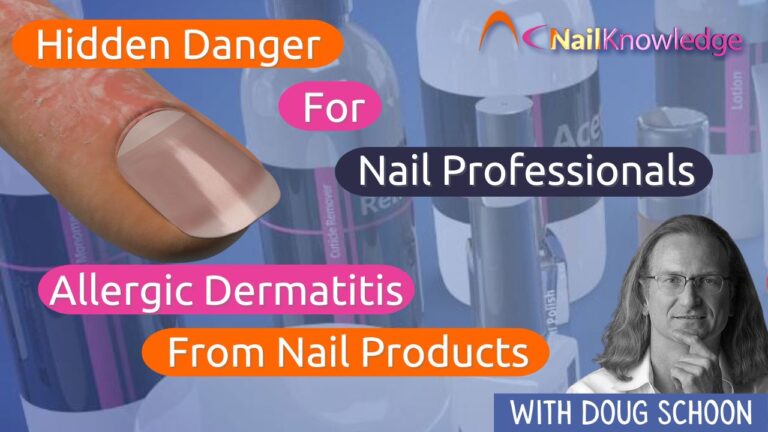
Kỹ thuật viên làm móng: Viêm da dị ứng từ các sản phẩm làm móng

Working as a nail technician can be a fulfilling career, offering the opportunity to create beautiful manicures and boost clients’ confidence. However, amidst the artistry and client satisfaction lies a hidden danger for some: allergic reactions to nail products, such as UV gels, which can result in allergic dermatitis. Despite the meticulous care taken by many technicians, exposure to these substances poses significant risks and challenges that need to be addressed effectively.

Chúng tôi đề cập đến những trải nghiệm của một thợ làm móng như vậy, mặc dù đã thực hiện các biện pháp phòng ngừa, cô ấy vẫn phải vật lộn với các phản ứng dị ứng làm suy nhược. Thông qua câu chuyện của cô ấy và hiểu biết sâu sắc từ các chuyên gia trong ngành, chúng tôi khám phá ra tầm quan trọng của các biện pháp an toàn, kiến thức về sản phẩm và các chiến lược chủ động để ngăn ngừa viêm da dị ứng và bảo vệ cả sức khỏe và tuổi thọ nghề nghiệp.

Sự khó khăn của bệnh viêm da dị ứng ở thợ làm móng

Đây là câu hỏi thường gặp mà chúng tôi nhận được từ các thợ làm móng đang phải vật lộn với thách thức khó khăn là phản ứng dị ứng với gel UV.

Unfortunately, my initial training using UV gels wasn’t great and I had overexposed myself before I knew it was a problem. Now, despite taking plenty of precautions I have severe reactions. I am very careful to use nitrile gloves and protect my hands, but sadly it’s not working. I have the most severe case of allergic dermatitis that is debilitating at times.  I have had allergy patch testing and know I am allergic to my products. Is there any hope for me? Or do I have to start considering giving up my job?

Doug Schoon’s Insights: Preventing Allergic Reactions in Nail Technicians

Wow, what can I say?  Other than “Don’t let this happen to you”.  The same will happen to many others because they don’t take the necessary precautions to work safely.

Vai trò của các thành phần và biện pháp phòng ngừa

People don’t become allergic to products, they become allergic to ingredients, so switching products usually won’t help them. Often these problems are a result of mixing products not intended to be used together or using the wrong nail lamp OR using pigments, glitters or other colorants that are not safe for cosmetic use. Or just from constantly exposing the skin to under cured dust/filings.

Những quyết định khó khăn cho thợ làm móng khi đối mặt với bệnh viêm da dị ứng

Găng tay Nitrile dùng một lần cho thợ làm móng và chuyên gia
Găng tay nitrile dùng một lần là lựa chọn tốt nhất cho các tiệm làm đẹp, độ dày găng tay 8 mil là tốt nhất.

Sadly, the best answer when extreme conditions like this occur is, “find a new line of work and stop using or wearing nail coating products forever”. Once a serious allergy develops, it will most likely worsen with each additional exposure. It sounds like that’s what has happened to this soon to be “former” nail technician.  

Phòng ngừa các vấn đề về da ở thợ làm móng: Các chiến lược chính để can thiệp sớm

At the first signs of skin problems, this nail technician could have prevented problems from worsening simply by ensuring proper cure and avoiding skin contact with dust, filings, sticky layers, UV gel, etc. 

Keeping brush handles, containers and other objects free of sticky UV gel residues is also important.

Hiểu về vai trò của kem bảo vệ đối với thợ làm móng

To make gloves more effective, some will wear “barrier creams” underneath their gloves and on the wrist and forearms.  Barrier creams are skin coating creams that can slow penetration of allergy causing substances into the skin where they activate allergic reactions.

Tuy nhiên, kem bảo vệ KHÔNG phải là sản phẩm thay thế cho găng tay và phải sử dụng thận trọng vì chúng thường chứa các thành phần từ họ silicon.

Even small traces of silicones can block adhesion if they contaminate the nail plate, so be sure to carefully clean the client’s nail plates and avoid getting any silicone containing cream or lotion on tools or brushes.

Bảo vệ sự nghiệp của bạn: Ưu tiên các biện pháp an toàn

Finally, protect your career and the investment you’ve made to get where you are today. Please be serious about working safely. 

Thuộc chủ đề:Thông tin chung, Sức khỏe và An toàn, Chất lỏng và bột, Gel UV

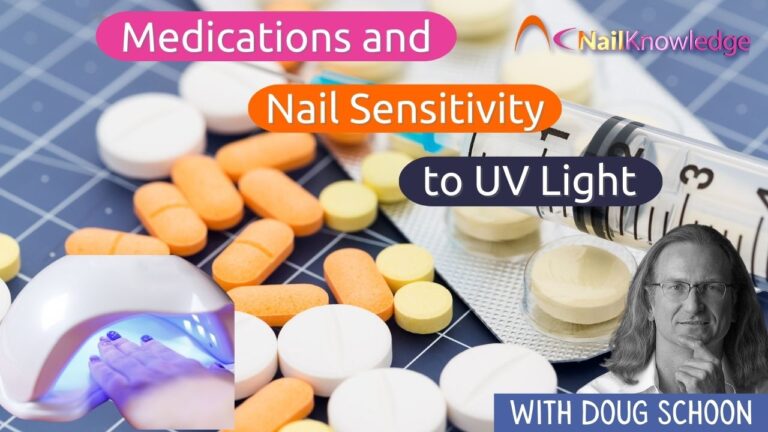
Thuốc và độ nhạy cảm của móng tay với tia UV

Recently, a customer raised an important question regarding the potential effects of medications on nail health, particularly in relation to UV exposure. We understand the significance of this topic and are here to shed light on how certain medications can impact nail sensitivity to UV light.

Using a medication that heightens sensitivity to UV can lead to adverse skin reactions when using a UV nail lamp.

Understanding Medication-Induced Photosensitivity in Nail Health

The nail plates themselves are not adversely affected, but the skin may be more easily burned while using these medications or treatments.  This is called a “Photosensitivity” and this can lead to skin irritation or an allergic response.

Medication-Induced Photosensitivity: Oral and Topical Medications

This can occur with medications taken orally or applied topically. The most well-known example is the antibiotic tetracycline, but there are several dozen medications that can cause these types of sensitivities.

Typically, the skin will react within minutes, but sometimes the reaction is delayed a few hours. Often the reaction will appear as exaggerated redness or swelling and blisters can form.  The skin can become very itchy. The reaction isn’t always isolated to the area of exposure and even adjacent unexposed skin can display symptoms.

Protective Measures and Medical Advice for Minimizing UV Exposure

Wearing sunscreen or covering the hand with a cloth or UV protective gloves can help minimize exposure. However, for advice that involves medication, it is always best to ask the prescribing physician.  In these cases, the doctor will most likely advise their patient to skip such services, until they’ve completed taking their medication. Better to be safe than sorry, as the saying goes.

Thuộc chủ đề:Thông tin chung, Chất lỏng và bột, Gel UV

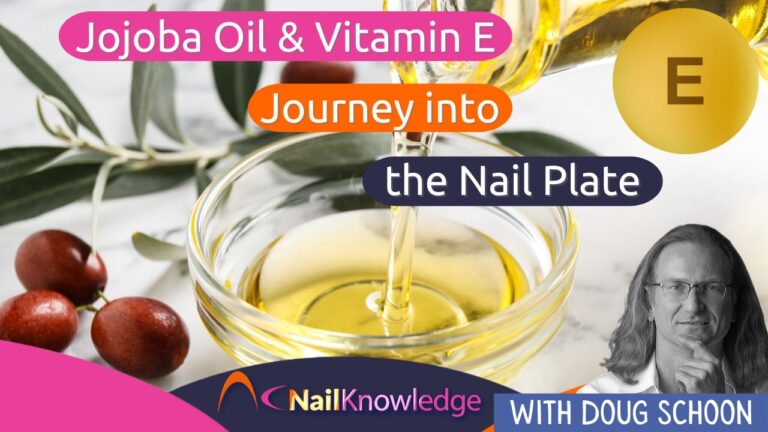
Hành trình của dầu Jojoba và Vitamin E vào móng tay

Have you ever wondered how certain ingredients like jojoba oil and Vitamin E work their magic in nail care products? One reader’s query led us to delve into the science behind these ingredients and their ability to penetrate the nail plate. Join us as we uncover the mysteries behind jojoba oil, Vitamin E (tocopherol), and their role in promoting healthy nails.

Understanding Terminology: Tocopherol vs. Vitamin E in Nail Care

First, I want to discuss some terminology. Vitamin E is a food supplement name for a substance that is properly named “Tocopherol”.  In other words, tocopherol is the correct cosmetic name that should appear on the label and the term vitamin should only be used for foods and ingested nutritional supplements. I’ll use the correct cosmetic ingredient name, of course, and so should manufacturers and marketers.

Molecule Size and Nail Penetration: Tocopherol vs. Jojoba Oil

Tocopherol is a very large molecule and molecules of this size typically have a difficult time penetrating the nail plate, but the same could be said for jojoba oil. Certain molecules found in jojoba oil have a very long sleek shape, rather than a large, bulky shape, which can really make a big difference. I agree that vitamin E molecules would have a difficult time penetrating on their own.

Most would likely sit on or near the surface of the nail plate, but that’s not a bad thing. Why it that? This is where tocopherols protective action is most needed, near the surface where sunlight and oxygen exposure create unwanted and potentially destructive chemical reactions that lead to discoloration and embrittlement of the nail plate and/or nail coatings.

Tocopherol is most needed on or near the surface, and it is less useful deep inside the nail plate or enhancement.

Harnessing Tocopherol: The Science Behind Nail Penetration and Protection

I have done testing with blends of tocopherol and various natural oils such as jojoba and avocado oil and these studies indicated tocopherol did indeed slowly penetrate the nail plate over time and it seemed to concentrate near the surface.

These natural oils do act as carrier solvents for the tocopherol. That is NOT surprising since many vegetable oils naturally contain tocopherol. For example, wheat germ oil is the most concentrated natural source known for tocopherol. Therefore, I’m confident that some tocopherol does absorb, but not large amounts. However, large amounts of tocopherol aren’t needed, since it is highly effective in very low concentrations. 

This helps explain why nail oils which contain tocopherol, must be used regularly to ensure that a protective amount of tocopherol is always present. Of course, tocopherol can also be blended into a monomer liquid and/or UV gel to provide similar protective effects throughout the coating.  But, the real protective value of tocopherol is when it’s concentrated at the upper surface. Therefore, using a high-quality nail oil with tocopherol is a valid approach to protecting the integrity of both natural and artificial nails. 

Clarifying Tocopherol’s Role in Artificial Nail Products

Protection vs. Absorption

When tocopherol is added to artificial nail products, it’s function is to protect the coating, not the nail plate. I am not aware of any evidence that demonstrates that any useful or significant amounts of “vitamins” can migrate from artificial nail coatings and absorb into the nail plate to provide benefits, so I recommend disregarding those claims until convincing evidence is provided.

Thuộc chủ đề:Thông tin chung, Sữa dưỡng, Thuốc và Chất đánh bóng

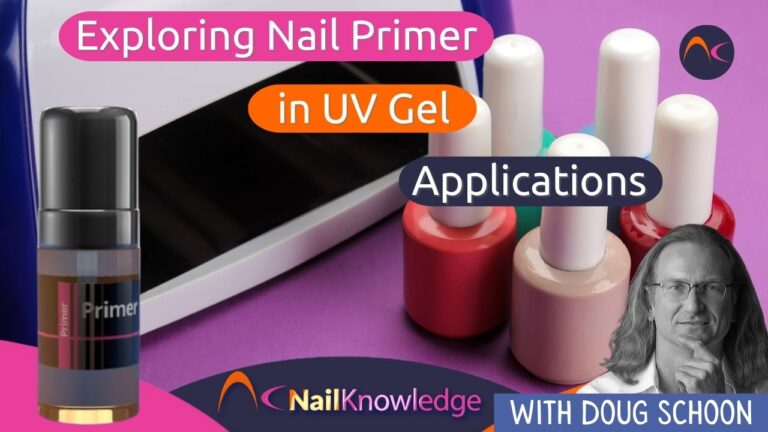
Khám phá vai trò của sơn lót móng tay trong ứng dụng sơn gel UV

In the realm of nail care and beautification, one recurring question perplexes both professionals and enthusiasts alike: Can nail primer serve as a suitable bonding layer for UV gel nails?

The practice of applying a nail primer pen on the natural nail, curing it, and subsequently applying the building gel has sparked curiosity regarding the necessity of a specifically formulated product.

Below Doug Schoon delves into the intricacies of nail primer usage in UV gel nail applications, shedding light on its effectiveness and the potential need for specialised formulations.

Giải quyết các vấn đề liên quan đến bút sơn lót móng tay

There are several issues here, but I will try to address them all. First, I don’t recommend primer pens, since these are multi-use devices that can become contaminated with nail oils.

In my view, it is better to use a brush and bottle to be disposed of after use- not refill. Refilling allows oily contaminants to be transferred from the nail plate to the brush and into the product in the container.

Tầm quan trọng của chất kết dính móng trong ứng dụng gel UV

If UV gels require a nail bonder or primer layer which improves adhesion of the nail coating, then it should be used.  Otherwise, I would not recommend this to be done.  It is easy to see that too little adhesion causes lifting problems, but nail professionals often don’t stop to think about the problems caused by TOO MUCH adhesion.

Sử dụng sơn lót khi không cần thiết có thể tạo ra quá nhiều độ bám dính, khiến việc tẩy sơn khó khăn hơn, tốn thời gian hơn và có thể làm tăng nguy cơ làm hỏng móng liên quan đến quá trình tẩy sơn.

Ngăn ngừa hư tổn móng tay: Kỹ thuật loại bỏ lớp sơn móng tay đúng cách

Improper removal of nail coatings are top causes for nail damage.  Many become impatient and use forceful techniques to more quickly remove the nail coatings. When this occurs and nail damage results, many explain away the damage by fooling customers into thinking their nails are just dry, when actually the nail surface has been damaged due to improper removal.

My main point is this, if the directions for the UV gel don’t “specifically” mention the use of a nail primer, then a primer should NOT be used.

Tránh bong tróc lớp sơn móng tay: Vai trò của kỹ thuật đúng đối với lớp sơn lót móng tay

Many times, a nail primer is used as a crutch to hide improper techniques. If the nail technician does a poor job preparing the nail plate, or they incorrectly apply the product, or they improperly cure with the wrong nail lamp, these can all result in lifting- premature loss of adhesion.

In these cases, the solution is NOT to use primer, instead, the best solution is to correct the issues that are causing the nail coatings to lift. If the UV gel doesn’t require the use of a primer in their directions or instructions, then don’t use one or this can create excessive adhesion and the nail coatings will be much more difficult and time consuming to remove.

Ngăn ngừa hư tổn móng tay: Các giải pháp thay thế cho sơn lót móng tay

Many nail technicians will forcibly remove the nail coatings- which leads to nail plate thinning, pitting, splits, cracks, peeling and surface white spots. Instead of using a nail primer, it would be wiser to seek out the reason for the low adhesion and solve the problem. Maybe the client’s nails need more careful cleaning and preparation. Or perhaps, the professional needs to invest in purchasing and using the correct nail lamp, the one designed for use with the UV gel.  Or maybe they should take a manufacturer’s class to learn the proper application techniques. 

Trách nhiệm và hành động khắc phục trong chăm sóc móng tay

Kỹ thuật viên làm móng phải chịu trách nhiệm về hành động của mình và bất kỳ tổn hại nào do hành động không phù hợp của họ gây ra. Tự tạo ra quy trình và bỏ qua hướng dẫn là lý do phổ biến gây ra các vấn đề về móng. Thay vì sử dụng sơn lót để khắc phục các vấn đề do sử dụng không đúng cách, các chuyên gia làm móng nên giải quyết và xử lý vấn đề một cách chính xác. 

Mối quan tâm với sơn lót móng tay và gel UV

Allergic Reactions and Industry Challenges

For instance, nail primer may improve adhesion when nail coatings aren’t fully cured, but then nail technicians or clients could develop allergic reactions to improperly cured dusts. The nail technician is not likely to realize they’re improperly curing, so they won’t take any steps to solve the real problem. Don’t make up your own directions/instructions. This is one of the greatest challenges facing the nail industry and a leading reason why most women are afraid of nail salon services and refuse to go to salons. Improper use of nail coatings, is the main reason why the nail industry isn’t growing and attracting more customers.

Thuộc chủ đề:Thông tin chung, Sữa dưỡng, Thuốc và Chất đánh bóng, Gel UV

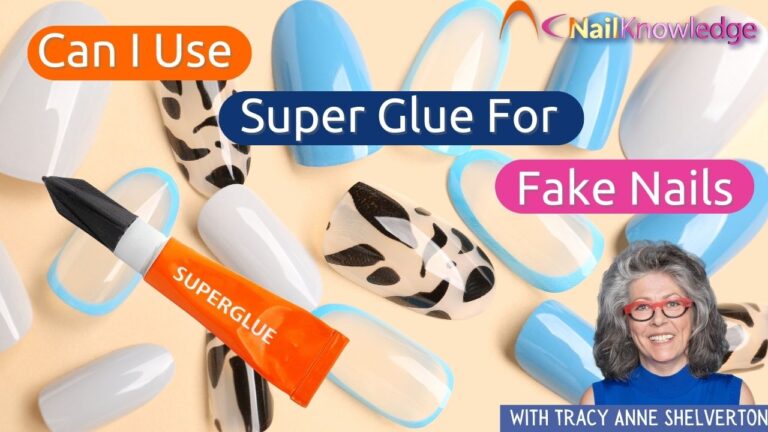
Những nguy hiểm khi sử dụng keo dán siêu dính cho móng tay giả

Những rủi ro khi sử dụng keo dán siêu dính cho móng tay giả

In this blog, we explore the risks of using superglue for fake nails, like press-ons and fiberglass extensions, and explain why it’s crucial to steer clear of this practice.

In the pursuit of beautiful fake nails, some may resort to using unconventional methods, such as substituting super glue for proper nail adhesives. However, this practice can pose significant risks to both nail health and your overall well-being.

Hiểu về tác động của keo dán siêu dính lên móng tay giả hoặc móng tay thật

Although superglue is effective for specific purposes, it’s not intended for use on either fake nails or natural nails. Unlike nail adhesives formulated for cosmetics, superglue contains harsh chemicals that can result in adverse reactions and lasting damage.

Khi dùng cho móng tay, keo siêu dính có thể:

  • Trigger Allergic Reactions: Keo siêu dính có thể gây ra phản ứng dị ứng nghiêm trọng, có khả năng dẫn đến tình trạng nhạy cảm suốt đời. Các phản ứng như vậy có thể biểu hiện dưới dạng kích ứng da, sưng tấy hoặc thậm chí là các vấn đề về hô hấp.
  • Cause Nail Coating Hardening: The rigidity of superglue can harden the nail coating excessively, resulting in damage to the delicate nail bed and surrounding tissues.
  • Gây bỏng hóa chất: Tính chất phản ứng của keo siêu dính có thể gây bỏng hóa chất khi tiếp xúc với da, gây ra rủi ro đáng kể trong quá trình dán móng và khiến việc gỡ bỏ gần như không thể.

Rủi ro khi thay thế keo dán siêu dính cho nhựa trong việc nối móng

Khi nói đến việc nối móng, đặc biệt là nối bằng sợi thủy tinh, độ bám dính thích hợp là rất quan trọng đối với độ bền và an toàn. Mặc dù một số người có thể cân nhắc sử dụng keo siêu dính thay thế cho nhựa, nhưng điều này gây ra một số rủi ro:

  • Phản ứng dị ứng: Mọi người có thể bị dị ứng nghiêm trọng với keo siêu dính, không chỉ gây nguy hiểm cho sức khỏe móng mà còn cả sức khỏe tổng thể của họ.
  • Tổn thương móng tay: Superglue’s adhesive properties can lead to excessive hardening of the nail coating, potentially causing irreversible damage to the nail bed and surrounding tissues.
  • Bỏng hóa chất: Việc sử dụng hoặc loại bỏ keo siêu dính không đúng cách có thể gây bỏng hóa chất, gây đau, khó chịu và tổn thương da lâu dài.

Mẹo phục hồi móng và thực hành an toàn

Để bảo vệ sức khỏe móng và thúc đẩy quá trình phục hồi sau mọi tổn thương do keo siêu dính hoặc các chất kết dính không phù hợp khác gây ra, hãy cân nhắc những mẹo sau:

  • Tìm kiếm sự hỗ trợ chuyên nghiệp: If you experience adverse reactions or nail damage, consult a qualified nail technician or dermatologist for proper assessment and treatment.
  • Tránh tự sửa chữa: Không nên tự sửa móng bằng keo siêu dính hoặc các chất kết dính không được chấp thuận khác. Chúng có thể làm trầm trọng thêm các vấn đề hiện có và dẫn đến hư hỏng thêm.
  • Chọn giải pháp thay thế an toàn: Hãy chọn loại keo dán móng tay đạt chuẩn mỹ phẩm được thiết kế riêng cho móng giả, đảm bảo an toàn và hiệu quả trong quá trình dán và sử dụng.
  • Ưu tiên sức khỏe móng tay: Practice good nail care habits, such as keeping nails clean and moisturized, avoiding harsh chemicals, and giving nails adequate rest between applications.

To Summarise – Prioritise Nail Health and Safety

In the pursuit of beautiful nails, it’s crucial to prioritise health and safety above all else. Using superglue for fake nails, including press-ons and fiberglass extensions, poses significant risks that outweigh any potential benefits. By understanding the dangers associated with improper nail adhesives and following safe practices, individuals can maintain healthy, beautiful nails for years to come. Remember, when it comes to nail care, safety always comes first.

Thuộc chủ đề:Thông tin chung, Sữa dưỡng, Thuốc và Chất đánh bóng

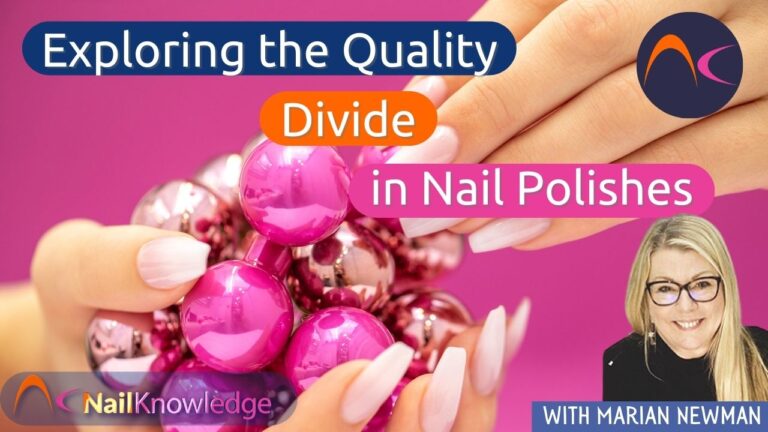
Khám phá sự khác biệt về chất lượng trong sơn móng tay

From Budget to Luxury Nail Polishes

The quality of nail polish can be assessed based on several characteristics, and it’s not solely determined by the price. Here are some factors to consider when evaluating the quality of nail polish:

1. Pigmentation: A high-quality nail polish should have excellent colour pigmentation, meaning it provides full coverage with fewer coats. Cheaper polishes may require multiple layers to achieve the desired colour.

 2. Longevity: Quality sơn móng tay should have good staying power and resist chipping and fading for an extended period. More expensive options often have better staying power.

 3. Smooth Application: Look for nail polishes that apply smoothly without streaks or bubbles. High-end polishes tend to have better consistency.

 4. Quick Drying: A good nail polish should dry relatively quickly, reducing the chances of smudging or smearing.

 5. Finish: Nail polishes come in various finishes, such as matte, glossy, or metallic. The quality of the finish should meet your preferences.

 6. Ingredients: Some people prefer nail polishes that are free from harmful chemicals like formaldehyde, toluene, and dibutyl phthalate. High-quality brands may offer more “3-free” or “5-free” options.

 7. Brand Reputation: Established and reputable nail polish brands often invest in research and development to create high-quality products. Their reputation can be an indicator of quality.

 8. Price: While price isn’t the only factor, more expensive nail polishes may contain better ingredients and have superior formulas.

9. Packaging Impact: The quality and design of the packaging can influence the perceived value of the nail polish and may affect pricing considerations. Premium packaging may contribute to a higher price point, while simpler packaging may result in a more budget-friendly option.

10. Plant-Based Formulations: With growing consumer demand for eco-friendly and sustainable products, nail polish brands are increasingly offering plant-based formulations. These formulations often prioritise natural and renewable ingredients, providing an alternative for those seeking environmentally conscious nail care options.

Navigating Nail Polish Purchases: Balancing Quality and Budget

It’s not always the case that budget-priced polishes are of lower quality, but they may not always meet the same standards as more expensive ones. It can be a bit of trial and error to find a budget-friendly nail polish that performs well for your specific needs. Ultimately, the choice depends on your preferences, budget, and the desired result. Some people find value in investing in higher-end nail polishes for special occasions or long-lasting wear, while others may be perfectly satisfied with budget options for everyday use.

Thuộc chủ đề:Thông tin chung, Sữa dưỡng, Thuốc và Chất đánh bóng

  • « Chuyển đến Trang trước
  • Trang 1
  • Interim pages omitted …
  • Trang 9
  • Trang 10
  • Trang 11
  • Trang 12
  • Trang 13
  • Interim pages omitted …
  • Trang 30
  • Chuyển đến Trang sau »

Nâng cao kiến thức về làm móng

Tham gia bản tin của chúng tôi!
ĐĂNG KÝ...

Bản quyền © NailKnowledge

Kiến thức về móng tay

  • Sách điện tử
  • Về chúng tôi
  • Các khóa học
  • Tin tức
  • Blog
  • Bản tin
  • Thuật ngữ

Chính sách

  • Trang riêng tư
  • Điều khoản và điều kiện
  • Chính sách Cookie

Ủng hộ

  • Liên hệ với chúng tôi
  • Hỏi các chuyên gia
  • Hỗ trợ hệ thống
  • Câu hỏi thường gặp
Vietnamese
Vietnamese
English Portuguese Spanish