• Bỏ qua primary navigation
  • Bỏ qua nội dung chính
  • Bỏ qua footer
Kiến thức về móng tay

Kiến thức về móng tay

  • Các khóa học
  • Sách điện tử
  • Giỏ sách điện tử
  • Cơ sở tri thức
    • Cơ sở tri thức
    • Hỏi các chuyên gia
    • Thuật ngữ
  • Tin tức
  • Blog
  • Phòng trưng bày
    • Thư viện nghệ thuật làm móng
    • Nghệ sĩ làm móng
    • Tham gia Elite
  • Đăng nhập

Thông tin chung

Tại sao đào tạo và sự tận tâm trong nghề làm móng lại cần thiết cho sự thành công

Phá vỡ những huyền thoại trong ngành làm móng: Tại sao đào tạo và sự tận tâm trong nghề làm móng là điều cần thiết để thành công

As an educator for the nail training industry, let’s explore common statements I hear in the nail community;

1. “I can’t afford the nail training.” (but you buy all the latest gel collections)

You will never earn a decent salary while you buy all the shiny things and don’t invest in knowing everything about them to be a master of your craft.

2. “Training is too expensive; I can’t justify the cost.”

Mặc dù đào tạo có thể tốn chi phí trả trước, nhưng nó có thể dẫn đến tiềm năng kiếm tiền cao hơn và sự nghiệp viên mãn hơn. Hãy coi đó là khoản đầu tư cho sự phát triển nghề nghiệp và khả năng lương bổng của bạn.

3. “I only do a few clients; It’s not worth doing more training.”

Bạn có thể có một vài khách hàng, nhưng để được nhiều người mong muốn, bạn cần có kiến thức và kỹ năng. Hãy đi trước đối thủ một bước dài.

4. “It’s not my main job; I don’t need to know everything”

Yes, the nail industry is great to fit around family demands, not to mention an enjoyable craft, but it’s far more than a side hustle. Be taken seriously as a nail professional, never be the person who ‘just paints someone’s nails’.

5. “I’ve been doing this for years; I already know it all.”

Trong bất kỳ ngành nào, kiến thức và kỹ thuật đều phát triển theo thời gian. Có thuật ngữ mới, sự đổi mới, chưa kể đến những khám phá về sản phẩm mới. Luôn cập nhật và tiếp tục học hỏi có thể giúp bạn tinh chỉnh các kỹ năng và thích ứng với các xu hướng thay đổi.

6. “I can’t find the time for training; my schedule is too busy.”

Đầu tư thời gian vào đào tạo ngay bây giờ có thể dẫn đến tăng hiệu quả và hiệu suất trong thời gian dài. Hãy coi đó là khoản đầu tư cho thành công trong tương lai của bạn, làm việc thông minh hơn chứ không phải chăm chỉ hơn.

7. “I watch a lot of online tutorials; I don’t need formal training.”

Online tutorials can be helpful, but they may not provide the comprehensive knowledge and hands-on experience that formal training offers. Generic how to’s and videos are very practical but may not be specific to all the different brand capabilities. Nor do they cover the theoretical knowledge needed to empower a nail professional.

8. “I’m too old to learn new techniques.”

Tuổi tác không phải là rào cản cho việc học tập và cải thiện kỹ năng của bạn. Nhiều chuyên gia thành công vẫn tiếp tục học hỏi và phát triển trong suốt sự nghiệp của họ.

9. “I’ve had a bad experience with training before; it’s not worth it.”

Not all training experiences are the same. And it pains me to say that not all courses are created equal. It’s important to research and choose reputable training programs that align with your goals and needs.

10. “I’m comfortable with my current skills; there’s no need to change.”

Sự tự mãn có thể cản trở sự tiến bộ. Những thói quen xấu xâm nhập và nhiều người thậm chí không nhận ra chúng ở đó. Việc tiếp thu kiến thức và kỹ thuật mới là trao quyền. Nó có thể dẫn đến sự phát triển của doanh nghiệp, tăng sự hài lòng của khách hàng và danh tiếng chung của một chuyên gia làm móng.

11. “I don’t have access to quality training in my area.”

while access to in-person training may vary by location, there are often online courses and resources available that can provide valuable education and skills enhancement.

12. “I’m afraid of failure or making mistakes during training.”

Mistakes are a natural part of the learning process. At some point in everyone’s career a mistake will happen, even some become ‘happy mistakes’; a nail art design gone wrong could result in an unexpected work of art! Training provides a safe environment to make and learn from mistakes, ultimately improving your skills.

Tư duy này sẽ mãi kìm hãm sự phát triển của nghề nghiệp, việc giải quyết những lý do này có thể giúp những cá nhân trong ngành làm móng nhận ra giá trị của việc đào tạo liên tục và phát triển bản thân.

Thuộc chủ đề:Thông tin chung, Phá vỡ huyền thoại, Dịch vụ làm móng

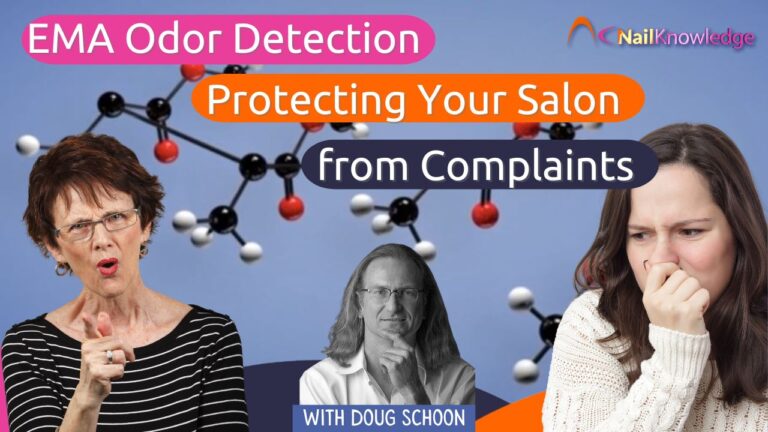
Mức độ phát hiện mùi của EMA: Bảo vệ doanh nghiệp thẩm mỹ viện của bạn khỏi khiếu nại

Are you a salon owner battling the persistent challenge of EMA odor complaints that threaten your business’s existence? You’ve invested in quality ventilation and air purification systems, but the odor issue persists. Frustration mounts as your local council threatens action due to local resident complaints. In your quest for answers, you’ve stumbled upon a critical question: What is the EMA (ethyl methacrylate) odor detection level, the notorious culprit behind these persistent complaints?

This article seeks to unravel the mysteries surrounding EMA odor detection levels, offering you insights that could save your salon and your reputation. We’ll explore the science behind EMA odors, why conventional air purifiers may not be the solution, and how you can take proactive steps to ensure a safe, pleasant environment for both your clients and staff.

Máy lọc không khí không đủ: Tại sao các mẫu xe không đạt yêu cầu tại các tiệm

Nếu bạn đang sử dụng máy lọc không khí kiểu gia đình/văn phòng, chúng sẽ không hoạt động trong tiệm làm móng. Không nên tin tưởng vào thứ gì đó được làm cho phòng ngủ hoặc văn phòng trong bối cảnh tiệm làm móng. 

Khoa học về mùi EMA

The monomer used to create liquid and powder systems is called ethyl methacrylate or EMA for short. EMA is so easy to smell that you can detect its odor with remarkable sensitivity. In fact, you can detect the smell of just one molecule of EMA diluted with one million molecules of air, which in technical terms is referred to as 1 part per million (ppm).

Ventilation is important for all salons.  In my view, if you can’t afford proper ventilation to ensure the work place breathing air is of good quality, then you should not be performing these services.

Điều đó quan trọng lắm.

Đảm bảo an toàn EMA thông qua thông gió đầy đủ

Thông gió thích hợp là yêu cầu bắt buộc để làm việc an toàn và tất cả chủ tiệm và chủ trường học có trách nhiệm đảm bảo rằng những người trong tòa nhà được hít thở không khí chất lượng tốt. 

I strongly advise reaching out to a specialized company that can address your specific ventilation needs. They have the expertise and knowledge to guide you in selecting the right system tailored to your salon’s requirements.

Thuộc chủ đề:Việc kinh doanh, Thông tin chung, Sức khỏe và An toàn

Mùi của chất lỏng Acrylic có liên quan đến MMA không?

Mùi Acrylic Liquid: Xua tan quan niệm sai lầm về MMA

Have you ever been told that if your acrylic liquid has a strong smell, it must contain MMA (methyl methacrylate)? It’s a common misconception in the nail industry, but let’s debunk this myth and set the record straight.

Hiểu về mùi trong chất lỏng Acrylic

First and foremost, it’s essential to know that all artificial nail systems based on monomer liquids have some level of odor. Even those marketed as “odorless” still have a detectable scent. The intensity of the odor can vary between different thương hiệu và sản phẩm, but the presence of an odor alone doesn’t indicate the use of MMA.

Why Odor Isn’t a Reliable Indicator

Giả sử rằng một chất lỏng acrylic chứa MMA chỉ dựa trên mùi của nó là một khái quát liều lĩnh. Một số tốt nhất và hiệu quả nhất thành phần monome used in artificial nail liquids do have noticeable odors. Therefore, the presence of an odor doesn’t necessarily imply that the product is unsafe or contains MMA.

Tầm quan trọng của Bảng dữ liệu an toàn (SDS)

To make an informed judgment about a nail coating product, it’s crucial to refer to its Safety Data Sheet (SDS), also known as MSDS (Material Safety Data Sheet). If a product contains MMA in a concentration greater than 1%, it must be listed on the SDS.

Cờ đỏ và biện pháp phòng ngừa an toàn

If you find that an SDS for a particular product is not readily available or easily obtainable, it’s a red flag. Nail technicians should exercise caution and prioritize safety. Using nail enhancement products without reviewing the SDS could mean missing essential information regarding proper and safe handling.

Sự thật về mùi Acrylic Liquid và hàm lượng MMA

While the smell of acrylic liquid can vary from one brand to another, associating a strong odor solely with MMA is a misconception. Always refer to the SDS for accurate information about a product’s composition. Your safety and the quality of your nail applications should never be compromised. Stay informed, stay safe, and provide the best nail services to your clients.

Thuộc chủ đề:Thông tin chung, Sữa dưỡng, Thuốc và Chất đánh bóng, Phá vỡ huyền thoại

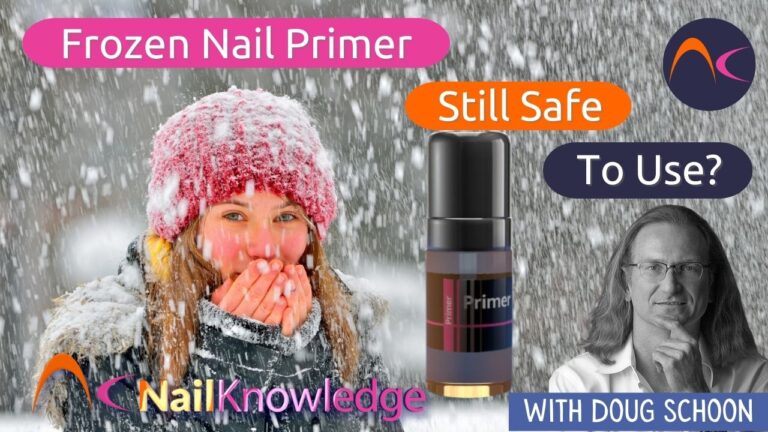
Sơn lót móng tay đông lạnh của bạn có còn an toàn để sử dụng không?

As the winter months cast their icy spell, nail technicians and enthusiasts alike may encounter a common cold-weather woe: frozen nail products. If you’ve ever opened your nail primer bottle only to find its contents frozen solid, you’re not alone. It’s not unusual for certain nail products, like primers, to succumb to the chill, making you wonder about their safety and efficacy.

When faced with the dilemma of a frozen nail primer, it’s natural to question whether it’s still suitable for use or if you should bid it farewell. To make an informed decision, it’s essential to understand the nuances of this chilly predicament and consider the implications for your nail care routine.

Frozen Nail Primer: Check the Directions

First and foremost, it’s crucial to check the product’s instructions. If the label explicitly states, “Do not refrigerate,” then it’s essential to heed this warning. Some nail primers may have specific storage requirements to maintain their integrity.

Room Temperature is Key

In most cases, a thawed primer should be perfectly fine to use. However, the key here is to ensure that the primer has returned to room temperature before opening the container. Opening it while it’s still cold can lead to moisture condensation inside the bottle, which is less than ideal.

Watch for Signs of Trouble

Keep an eye on your primer’s condition. If you notice that it has become cloudy or has formed a solid powder that settles at the bottom of the container, it’s time to bid farewell to your primer bottle. Refilling and reusing the same bottle might seem economical, but it can lead to contamination and increased lifting issues. The culprit here is a waxy substance, typically concentrated skin oils, which can negatively impact adhesion when deposited onto the tấm móng tay.

Thawing Out the Mystery: The Safety of Frozen Nail Primer

Dealing with a frozen nail primer may seem daunting, but it’s generally safe to use once it has thawed back to room temperature. Always adhere to any provided storage guidelines, and keep a vigilant eye on your primer’s overall condition. Remember, the path to stunning nails involves both artistic finesse and the responsible use of products, ensuring a balance between beauty and safety.

Thuộc chủ đề:Thông tin chung, Gel UV

Dị ứng với bụi gel UV làm móng: Có thể chỉ phản ứng với một sản phẩm mà không phản ứng với sản phẩm khác không?

Giải mã bí ẩn về dị ứng với bụi gel UV làm móng tay

A visit to the nail salon should be a pampering experience, but for some, it can lead to unexpected skin reactions, particularly around the eyes. If you’ve found yourself dealing with severe swelling, redness, and itching in the skin near your eyes after using a new line of nail gel, you’re not alone. You may be wondering, “Can we be allergic to the dust of one UV gel product and not another?”

In this article, we’ll delve into this intriguing question, shedding light on the complexities of nail gel dust allergies and dust sensitivity. Understanding the factors at play is crucial for both nail technicians and clients to ensure safe and enjoyable nail experiences. So, let’s embark on a journey to uncover the truth about nail gel dust allergies and how to safeguard your skin and well-being.

Bụi và phản ứng dị ứng với thành phần của gel UV làm móng tay

Không ai bị dị ứng với một sản phẩm, họ bị dị ứng với một thành phần (hoặc có thể là nhiều thành phần) trong sản phẩm. Điều này rất quan trọng để hiểu. Nếu cùng một thành phần đó được tìm thấy trong một sản phẩm khác, người đó sẽ bị dị ứng với cả hai sản phẩm, vì chúng có chung thành phần.  

Gel UV rất khác nhau, nhưng chúng thường có một số thành phần tương tự nhau, do đó có khả năng nhạy cảm với các sản phẩm khác. Trong trường hợp này, trước tiên tôi nghi ngờ là do bụi. Các thợ làm móng thường không làm khô móng giả. Khi điều này xảy ra, bụi tạo ra trong quá trình dũa sẽ chứa nhiều thành phần chưa khô. Bụi không nên tiếp xúc với da trừ khi được làm khô đúng cách. 

Làn da mỏng manh quanh mắt và bụi móng tay

The thinnest skin on our bodies is around the eyes, so I’m not at all surprised that this part of your face is most affected. You should avoid exposure to under cured dust around your eyes.   Also, look around a crowded room and I guarantee you’ll see several people touching their face, maybe the eye area. We touch our faces more than we realize. Often without thinking, so the face and eye area is often accidentally exposed to monomer liquid or UV gel, etc.

Lời khuyên của tôi dành cho bất kỳ ai trong tình huống này là:

  • Make sure you are using the correct UV nail lamp. That’s the one specified by the manufacturer of the UV gel and cure as directed.
  • Avoid curing thick layers, the thinner the better, as a rule.
  • Don’t cherry-pick and mix different UV gels from unrelated brands/systems.
  • Minimize dust and filings, use an oil designed for use with electric files to keep down dust.
  • Invest in a good quality, professional ventilation system designed for salon use.
  • Tránh chạm vào mặt và rửa tay sau mỗi lần phục vụ khách hàng.

Ngăn ngừa phản ứng dị ứng do bụi gel UV

Biện pháp an toàn cho thợ làm móng

Once you become allergic to an ingredient, you will likely be allergic to it for LIFE!  Avoid allergies; it’s easy if you work safely and correctly. One way is to ensure this is to follow the UV gel manufacturer’s directions and heed all warnings on the label. Also, make sure to read the Safety Data Sheets (SDS) that are supposed to be provided by the seller of the product.

Thuộc chủ đề:Thông tin chung, Sức khỏe và An toàn, Gel UV

Làm nóng các monome móng tay trong tiệm

A Wise Practice to Heat Nail Monomers or a Risk?

The issue of warming monomers in nail salons, especially during colder months, has become a topic of discussion. Some salons resort to heating monomer in baby bottle warmers to combat cold temperatures. But is this a wise practice, or does it come with potential risks?  We’ll explore the nuances of warming monomers and why it’s essential to exercise caution.

Understanding the Difference: Warming Monomer Vs. Heating

Warming the đơn phân to room temperature is a common practice to ensure it remains in its optimal state for nail services. However, it’s crucial to differentiate between warming and heating. Heating monomers to temperatures above normal room conditions can lead to various issues, including sự cố dịch vụ and potential health risks.

Monomer Discoloration: Service Breakdown Issues to Avoid

Heating monomers beyond room temperature can have adverse effects on the quality of nail services. One significant concern is discoloration, where the monomer may change in color, affecting the final appearance of the nails. This discoloration can lead to client dissatisfaction and harm the salon’s reputation.

Health Risks

Heating monomers can also pose health risks, primarily through increased inhalation of vapors. Overexposure to these vapors can lead to respiratory problems and other health issues. It’s essential to prioritize the safety and well-being of both nail technicians and clients.

A Better Approach: Preventing Cold Monomers

Rather than resorting to heating monomer, a more effective strategy is to prevent it from becoming too cold in the first place. Many salons experience lower temperatures overnight after closing, which can impact the monomer’s consistency. To address this issue, consider storing your nail products inside an insulated container, such as an “ice container” or “chilly bin,” overnight. This simple step will help maintain the products at a suitable temperature, eliminating the need for additional warming.

Prioritizing Product Integrity and Safety

In conclusion, while it’s essential to ensure that monomers are at room temperature for optimal performance, heating them to higher temperatures is not a recommended practice. Doing so can result in service breakdown issues and health risks. Instead, focus on prevention by storing your nail products in insulated containers overnight to maintain their integrity and protect the health of everyone in the salon. By prioritizing safety and product quality, you can deliver outstanding nail services while mitigating potential risks associated with heating monomers.

Remember, the goal is to provide beautiful nails while keeping both your clients and nail technicians safe and satisfied.

Thuộc chủ đề:Thông tin chung, Sức khỏe và An toàn, Dịch vụ làm móng, Gel UV

  • « Chuyển đến Trang trước
  • Trang 1
  • Interim pages omitted …
  • Trang 10
  • Trang 11
  • Trang 12
  • Trang 13
  • Trang 14
  • Interim pages omitted …
  • Trang 30
  • Chuyển đến Trang sau »

Nâng cao kiến thức về làm móng

Tham gia bản tin của chúng tôi!
ĐĂNG KÝ...

Bản quyền © NailKnowledge

Kiến thức về móng tay

  • Sách điện tử
  • Về chúng tôi
  • Các khóa học
  • Tin tức
  • Blog
  • Bản tin
  • Thuật ngữ

Chính sách

  • Trang riêng tư
  • Điều khoản và điều kiện
  • Chính sách Cookie

Ủng hộ

  • Liên hệ với chúng tôi
  • Hỏi các chuyên gia
  • Hỗ trợ hệ thống
  • Câu hỏi thường gặp
Vietnamese
Vietnamese
English Portuguese Spanish