• Bỏ qua primary navigation
  • Bỏ qua nội dung chính
  • Bỏ qua footer
Kiến thức về móng tay

Kiến thức về móng tay

  • Các khóa học
  • Sách điện tử
  • Giỏ sách điện tử
  • Cơ sở tri thức
    • Cơ sở tri thức
    • Hỏi các chuyên gia
    • Thuật ngữ
  • Tin tức
  • Blog
  • Phòng trưng bày
    • Thư viện nghệ thuật làm móng
    • Nghệ sĩ làm móng
    • Tham gia Elite
  • Đăng nhập

Thông tin chung

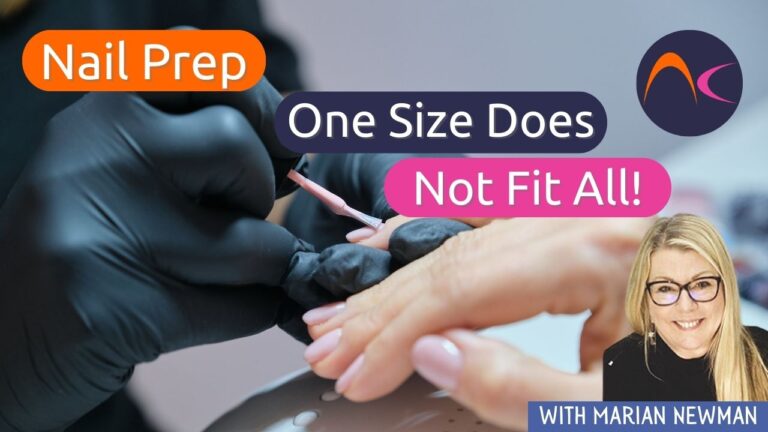
Chuẩn bị móng tay, không có một kích thước nào phù hợp với tất cả!

There are so many questions along the lines of: I do the same nail prep for all but a couple of my clients keep getting chips or lifting.

The answer to that problem is in the question. That is the same prep for all. This does not work as every ones nails and lifestyle are different.

This starts with a very educated understanding of the nail condition and lifestyle.

Building Strong Foundations for Enhancements and UV Gel Polish

Nếu như nails are thin and/or weak from previous damage, over buffing or naturally thin then that client may not be suitable for enhancements or UV gel polish. You cannot build a strong structure on weak foundations.

The client may need a course of treatment that strengthens the nail plate first. Most brands have a nail-strengthening treatment (this is different from a hardener as this will cause a different problem). Those that have keratin in an oil or one that penetrates the nail plate and strengthens from the inside.

It may be that a rubber base can work as it should be flexible enough to move with the weak nail and not against it. But a rubber base will not suit all clients and trying another brand will involve a new lamp so try using it much thinner or applying two thin layers. If you are using all the same brand it can sometimes work by putting a thin rubber base in between the colour layers giving more strength. If doing this beware of the thickness all around the edges of the coating as it can easily look unpleasantly thick.

Many Nail Prep Problems Involve the Need for Extra Adhesion

This has several causes:

  • some nails have lớp biểu bì much higher up the nail than expected, even as far as halfway up. Every particle of this must be removed gently for adhesion of any coating. With a cuticle remover tool (with experience) you will be able to feel what is skin and what is nail so start much further up the nail when removing but be careful not to dig into the nail plate and cause a ridge.
  • Every brand should have a cleanser and/or a dehydrator. You may use this on all 10 nails at the same time but sometimes, if the oil is especially oily, the answer is to dehydrate one nail at a time and apply the coating which will be applied to a perfectly dehydrated nail before natural oils and moisture have reached the surface again.

Some brands have additional adhesion enhancers such as a primer. Use this on the lifters but do not be tempted to use a product from another brand as it may not be compatible with the colour and will cause it to lift. Most primers need a minimal application and are allowed to air dry before moving on. Some may need curing. Always follow the instructions.

Nails that are excessively oily pose a challenge. The solution, as previously explained, is to dehydrate them one at a time.

Some nails are too hard especially when they have no surface damage. This type of nail may need extra buffing with a slightly harder grit (lower grit number) than other nails as they need a bit of help with the adhesion as all adhesives penetrate into the top couple of nail layers for a good grip. If this is needed be careful to buff or file any more than necessary as the nail will eventually become thin and weak and cause a different problem.

Using UV gel polish is a skill that is more similar to applying enhancements than using regular nail polish (which many have lost or not learned the skill of applying as it dries too quickly for them)

Perfecting the Nail Apex for Stronger Nails

Every coating needs an apex for strength to avoid breaking or bending (which happens often to weak nails with a free edge and causes lifting) Always create an apex. This is usually over the onychodermal band but maybe a little nearer the base of the nail for a longer nail. If you are not skilled at creating an apex, when you have applied the second colour coat, turn the clients hand over parallel to the desk top which allows gravity to pull the uncured coating from the sides and it into a natural apex over the centre of the nail.

Guiding Clients Towards Nail Length and Health

Some clients want the nails to be longer than is practical for their lifestyle. If they are too long they will break often and need to be shorter. If a client breaks  nail and the nail plate is torn from the nail bed this is because the coating is too thick and strong! The coating must break before the nail does.

If a client insists on nails too long for them remind them you are the professional in this relationship and you are advising them for the health of their nails. Even a crack in the nail plate can let pathogens in and cause long-term problems.

It is your professional duty to make an accurate assessment of every clients nails and provide the best nail prep treatment based on your knowledge and skill and not blame the product.

Thuộc chủ đề:Thông tin chung, Sữa dưỡng, Thuốc và Chất đánh bóng, Hóa học sản phẩm

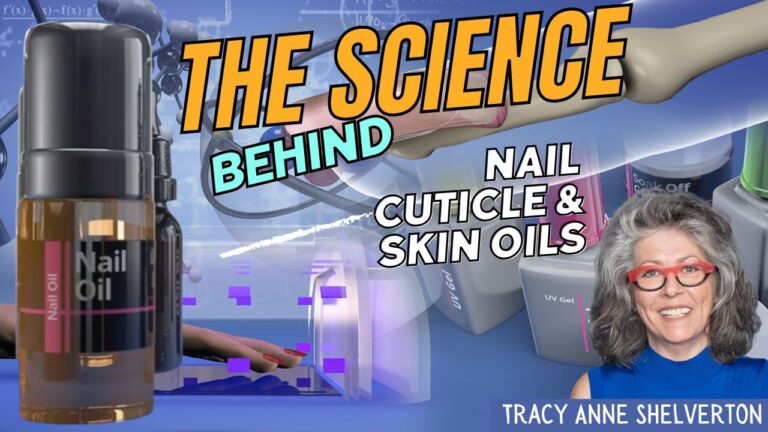
Khoa học đằng sau dầu dưỡng móng tay

The science behind nail cuticle oil is as intriguing as it is essential for maintaining healthy, beautiful nails. This seemingly simple product plays a crucial role in nail & hand care routines, and its effectiveness goes beyond its pleasant scent and moisturizing properties. Let’s delve into the fascinating science behind nail & skin oil.

Nail Cuticle & Skin Oil and Hydration

At its core, nail oil is all about hydration. The skin surrounding your nails, including the nail bed, is much more important than you might think. It acts as a natural barrier, preventing bacteria and other foreign invaders from infiltrating your nails’ matrix, the place where nail growth originates. The 4 Guardian Seals (cuticle (non-living tissue), 2 lateral nail folds and the dưới móng) are the most, but not the only important skin barrier in and around the nail unit.

The Science: Skin and nails require moisture to maintain their health and integrity. Dehydrated skin is more prone to splitting which creates microscopic openings for opportunistic pathogens but also to sunburn and other forms of UV damage. Hydration can help protect your skin from the sun’s harmful rays and possible negative effects of the UV LED lights that we use when curing our artificial nail products.

Its also important to recognise that we all have our own set of unique microbiomes and that we meet transient microbiomes in and from other people around us, these amazing microbiomes are part of our protection, our skin & nails are their living environment, and it also needs to be protected so they can protect us.

Nail & Skin oil typically contains a blend of nourishing oils like jojoba, almond, and avocado but can also contain ingredients such as y-Tocopherol (a natural non synthetic form of vitamin E).  These oils are rich in essential fatty acids that not only penetrate the nail plate & skin but also provide a protective layer sealing in moisture and preventing dehydration that can lead to brittle nails and unsightly hangnails. Avoid nail & skin oils with synthetic preservatives, scents or colouring.

The science here is simple yet effective: Preventing Trans Epidermal Water Loss is the key hydrated nails & skin mean healthier nails & skin. Healthy skin and nails can defend against invasive microorganisms.

Stimulating Blood Circulation

One of the intriguing aspects of a good quality nail & skin oil is its ability to penetrate the nail plate, helping the bed epithelium (also non-living tissue) to remain flexible, ensuring proper transport of the nail plate along the nail bed but also helping to keep our very special nail beds in optimal condition. It’s important to remember that the nail bed has to reabsorb the old skin cells as they cannot sloth off, this makes the nail bed react quickly when all is not as it should be causing nasty problems such as hyperkeratosis which can also be painful.

Khoa học: When you massage nail & skin oil into your nails and skin, you’re not only delivering nourishing ingredients but also stimulating blood circulation. Improved blood flow means more nutrients and oxygen reaching ma trận móng tay, where new nail cells are formed. This enhanced circulation can help nail growth and make your nails appear healthier and more vibrant. It’s like giving your nails a mini spa treatment, all thanks to the science behind the oil.

Protection from Environmental Stressors

Our nails face numerous challenges in their daily lives, from exposure to harsh chemicals to the wear and tear of everyday activities. Nail & skin oil acts as a protective shield, guarding your nails against these external stressors.

Khoa học: The oils and ingredients in oil form a barrier just below the surface of your skin and penetrates your nails, shielding them from environmental pollutants, water, and chemicals found in cleaning products. Think of it as a protective force field for your nails, helping to prevent the penetration of water, damage and breakage. This protection is an essential aspect of nail care that often goes unnoticed but is crucial for maintaining strong, beautiful nails, but especially nails that are crowned with gorgeous artificial nail products or your favourite nail polish.

Flexibility and Preventing Breakage

Nails need to be flexible to withstand daily activities without snapping like a brittle twig. Nail Cuticle Oil contributes to the flexibility and resilience of your nails, reducing the risk of breakage.

The Science: A good quality oil can penetrates the nail plates, making them more flexible and less prone to splitting or breaking. Imagine it as giving your nails a strengthening workout, helping them bend without breaking.

Enhancing Nail Polish Adhesion

Just as a base coat is essential for proper nail polish adhesion, oil plays a role in ensuring your manicure lasts longer. Your well-hydrated nails will provide a better surface for nail polish application, leading to smoother and more durable results.

Khoa học: When you apply nail polish or your favourite artificial nail product on hydrated nails, it adheres better and spreads evenly. This means fewer streaks and chips in your manicure. Oil’s moisturizing properties create an ideal foundation for your nail polish or artificial nail products, enhancing their longevity. It’s like providing a smooth, moisturized canvas for a masterpiece.

Don’t forget to wash your hands first and to use a good quality nail plate cleanser that removes surface minerals that can affect adhesion but also ingredients that remove surface oils and other fluids so that your product of choice adheres well.

Tip: After soaking off your artificial nails or removing nail polish with nail polish remover your nails and skin will look dry because acetone or other solvents in the remover have broken down or removed your product, a dose of oil here now will help replenish any lost moisture and or oil in your nails and your skin.

Nurturing Beauty and Strength

The science behind nail & skin oil involves a harmonious blend of hydration, protection, stimulation, and strengthening. This unassuming product packs a punch when it comes to nail & skin care, working behind the scenes to keep your nails healthy, flexible, and beautiful. So, the next time you indulge in a relaxing oil massage, remember that you’re not just pampering your nails; you’re embracing the science that keeps them in top-notch condition. Your nails will thank you with strength, resilience, and a stunning appearance that lasts.

Thuộc chủ đề:Thông tin chung, Sữa dưỡng, Thuốc và Chất đánh bóng, Hóa học sản phẩm

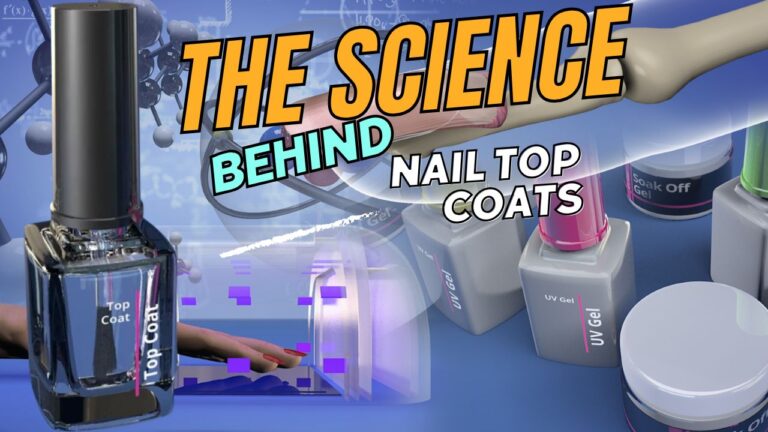
Khoa học đằng sau lớp sơn phủ móng tay

Nail care goes beyond simply choosing the right nail polish color; it’s a captivating blend of science and art that produces incredible results. And in this exciting world of nail products, the unsung hero is none other than the humble nail top coat. Shall we have a look at the fascinating science behind this unassuming yet essential finishing touch.

Lớp phủ bóng của móng tay

We all adore that mirror-like shine that a good top coat provides. But have you ever wondered how it works its magic? At its core, a top coat is designed to deliver a high-gloss finish that not only enhances the manicure but also offers protection.

Khoa học: Top coats contain film-forming ingredients that create a transparent shield over your nail polish. These ingredients are usually quick-drying and formulated to produce a gleaming surface. Think of it as a protective glass layer, made to preserve and enhance the colours beneath.

Độ bền và khả năng chống mẻ

The last thing we want is for our perfect nail art or vibrant colour to chip or fade prematurely. A top coat plays a pivotal role in extending the life of your manicure, ensuring it stays intact for longer.

Khoa học: The formulation of a top coat often includes hardening agents like acrylic or polymer resins. These substances provide strength and resilience to your nail polish, making it more resistant to the wear and tear of daily life. It’s like giving your nails an invisible suit of armor.

Thời gian khô của lớp sơn phủ móng tăng tốc

Việc chờ móng tay khô có thể khiến bạn cảm thấy như cả thế kỷ, nhưng một lớp sơn bóng có thể giúp đẩy nhanh quá trình này.

Khoa học: Nhiều lớp sơn phủ được thiết kế với công thức khô nhanh phát huy tác dụng kỳ diệu của chúng bằng cách bay hơi nhanh chóng. Điều này không chỉ giúp bạn tiết kiệm thời gian quý báu mà còn giảm nguy cơ làm nhòe hoặc móp móng tay mới sơn của bạn.

Ngăn ngừa phai màu và đổi màu

Ánh sáng mặt trời và các hoạt động hàng ngày có thể khiến sơn móng tay bị phai màu hoặc đổi màu theo thời gian. Một lớp sơn phủ móng tay tốt có thể giúp giải quyết vấn đề này.

Khoa học: Some top coats include UV filters or colour stabilisers that help shield your manicure from the harmful effects of sunlight. They act as a barrier against the elements, preserving the vibrancy of your nail polish. This is true for gel top coats too!

Lớp phủ móng tay làm mịn các khuyết điểm

If you’ve ever had a slightly uneven nail polish application, a top coat can be your saviour. It helps in smoothing out minor imperfections, giving your manicure a polished look.

Khoa học: Lớp sơn phủ có thể chứa thành phần tự san phẳng để làm phẳng các bề mặt không bằng phẳng, đảm bảo móng tay của bạn trông hoàn hảo và hoàn thiện tốt.

Độ bền và độ bóng của lớp sơn phủ móng tay

A top coat isn’t just about aesthetics; it’s about making your manicure last.

Khoa học: The chemistry of a top coat involves the careful selection of ingredients to achieve not only a high-gloss finish but also long-lasting wear. It’s the science of balance, combining elements that deliver both shine and durability.

In conclusion, the seemingly simple nail top coat is a masterpiece of science and artistry. It enhances the beauty of your nails, protects your manicure, and ensures your nail art stays flawless. The next time you apply a top coat, you’ll have a deeper appreciation for the science that transforms your nails into dazzling works of art.

Hướng dẫn từng bước: Cách sửa vết lõm trên sơn móng tay

  • The key is to ‘float’ the new color over the dent
  • When applying top coat, load your brush just enough that you dont have to go back over it – this will give the perfect finish.
Lớp phủ màu bị hư hỏng
Thoa lại nhẹ nhàng, không gây áp lực lên cọ
Reapply smoothly – no pressure on brush
Thiệt hại được làm mịn
Apply Top Coat – no pressure on brush
Lớp phủ móng tay, sọc áp lực
Áp lực sẽ tạo ra các sọc
Áp dụng lớp phủ móng tay
Smooth finish – damage can’t be seen

FAQ’s

1. Mục đích của lớp sơn phủ móng tay là gì?
A nail top coat serves several essential purposes in nail care. It provides a glossy finish, enhances the longevity of your manicure, protects nail polish from chipping, and can also add strength to your nails. Essentially, it’s the final step that seals and perfects your nail look.

2. Tôi phải sơn lớp sơn phủ móng tay như thế nào để có kết quả tốt nhất?
Để đạt được kết quả tốt nhất khi sơn móng tay, hãy làm theo các bước sau:

  • Chờ cho đến khi sơn móng tay gần khô (nhưng không khô hoàn toàn) trước khi sơn lớp phủ.
  • Apply a thin, floaty layer of top coat, starting from the base and ending with a gentle swipe along the tips of your nails to seal the edges.
  • Để lớp sơn phủ khô hoàn toàn để có lớp sơn bóng, chống bong tróc.

3. Tôi có thể dùng sơn móng tay trong suốt thông thường làm lớp sơn phủ không?
While regular clear nail polish can provide some protection and shine, it’s not as effective as a dedicated nail top coat. Top coats are specifically formulated with ingredients like quick-drying resins and UV filters to provide superior gloss, durability, and protection. Using a specialized top coat will yield better results.

4. Tôi nên sơn lại lớp sơn móng tay bao lâu một lần?
To maintain the longevity and shine of your manicure, it’s a good practice to reapply a nail top coat every few days. This helps refresh the gloss and adds an extra layer of protection to prevent chipping and fading. You can also apply a fresh top coat as part of your regular nail maintenance routine when you notice signs of wear and tear.

Thuộc chủ đề:Thông tin chung, Sữa dưỡng, Thuốc và Chất đánh bóng, Hóa học sản phẩm

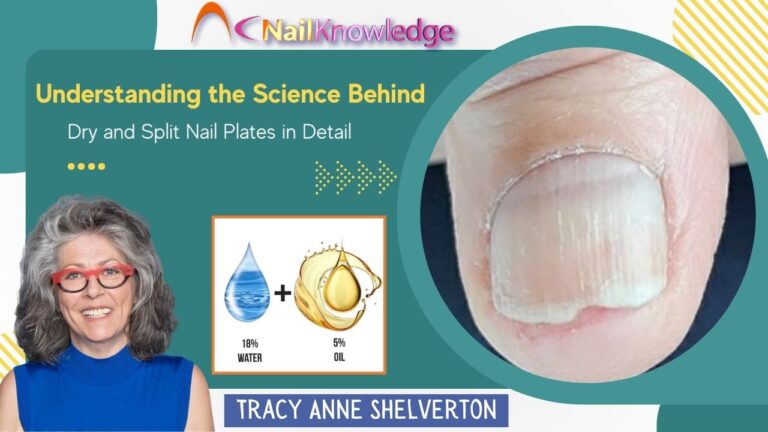
Khoa học đằng sau tình trạng móng tay khô và nứt chi tiết

First and foremost, let’s delve into the intricate science behind dry and split nail plates. Let’s understand the balance of oil and water within the nail plate and how it influences the health and strength of your nails.

A normal natural nail contains about 18% water and 5% oil. Optimal flexibility occurs when the nail plate holds around 25% moisture.

Móng tay tự nhiên
Móng tay tự nhiên hoàn hảo
Tỷ lệ nước và dầu của móng tay tự nhiên
Tỷ lệ nước và dầu trong móng tay tự nhiên

However, excessive water can weaken and damage the nail plate, similar to how a sponge shrinks as it dries out, leaving behind a dry and brittle nail plate. This process starts a vicious cycle that will only be stopped if we continue to add more moisture. It can take quite some time to recover the nail plate but as long as nail plate cells are being produced we will be successful.

trước và sau khi làm móng
Nail plate recovery – the lateral nail folds and the existence of the onychodermal band & hyponychium are now recovered and the difference is obvious, the proximal nail fold needs a little more time.

Sự cân bằng: Độ ẩm giúp móng tay chắc khỏe và linh hoạt như thế nào

Nail plates that are consistently exposed to water, especially with soap, become soft and weak due to this ongoing process. Remember, soap dissolves oil. It takes a few hours for the nail plate to fully recover its normal ‘oil & water’ levels

Without a doubt, maintaining a proper moisture balance is essential for healthy natural nails. When the moisture balance is right, your natural nails can better withstand trauma due to their flexibility. Think of it like shock absorbers in a car or on a bicycle—they absorb the bumps in the road, ensuring you arrive without any bruises. Flexibility in the nail plate serves a similar purpose.

Các loại tinh dầu: Chúng nuôi dưỡng và bảo vệ móng tay như thế nào

5% Oil – Where Does It Come From?

These oils are produced in the nail bed and slowly penetrate through the nail plate from bottom to top, where they may eventually be washed away. These oils keep both the nail plate and the bed epithelium flexible. These oils are composed of ‘lipids,’ including squaleen and cholesterol.

Oil and water don’t naturally mix, so how can both penetrate the nail plate? It doesn’t seem logical for both to use the same channel, so could it be that they each take a different route? The scientific community hasn’t reached a definitive conclusion, but it’s suspected that they indeed take different paths. Here’s one possible explanation:

– Water enters the nail plate cell directly through the cell wall.

– Oil cannot penetrate the cell wall and instead seeps through the remaining spaces between the nail plate cells.

Sức mạnh bảo vệ của dầu: Cách chúng làm móng tay khô và nứt của bạn chắc khỏe hơn

Dầu làm dẻo hóa phiến móng; chúng di chuyển chậm hơn nhiều và bốc hơi chậm hơn. Do đó, dầu chặn cả đường vào và ra của nước.

The outcome is less brittle, more flexible nails—stronger, in essence. Because the oil remains in the nail plate for a longer period, it has a significant effect on the overall condition of the nail plate.

But what if this balance is disrupted by trauma or conditions like eczema, psoriasis, lichen planus, or even a fungal infection? The nail plate and nail bed may become dehydrated. But what if everything seems normal otherwise?

Giải mã Ma trận: Tế bào móng được hình thành như thế nào và tại sao sự không hoàn hảo lại quan trọng

For this, we need to examine the matrix where the nail plate cells are produced.

Ma trận sản sinh ra các tế bào móng 24/7. Khi chúng ta 21 tuổi, nó hoạt động hết công suất, sau đó chậm lại.

Think of a tennis ball machine continuously spitting out tennis balls—this is how the matrix works. If something isn’t quite right there, cells may still be produced but not as perfectly as they should be. This creates weaker nail plate cells that may appear normal but lack the strength of perfectly formed nail plate cells.

There are of course exceptions. You don’t have to be old to have abnormal nail plate cells—it can happen to young people too if they are suffering from psoriasis, lichen planus, Alopecia or Eczema. Babies are sometimes born with nail matrix’ that are not yet fully formed although these catch up quickly after birth.

Áp lực của móng tay: Sự không hoàn hảo tạo ra rãnh và thung lũng như thế nào

Once on the nail bed, the nail plate is under pressure from all sides—the lateral side walls, the nail bed, and the proximal nail fold all stabilize the nail plate as it moves along the nail bed. This pressure is significant, and if a cell isn’t perfect, it collapses, creating rãnh trên móng tay plate, with the weakest cells in the valley and the strongest cells on top of the hill, this is why buffing or filing the nail plate to make it even & shiny creates even more damage, you unwittingly remove the liên kết mạnh nhất.

Đôi khi, những cấu trúc nhỏ giống như hạt cườm được hình thành khiến cho phiến móng bị bung ra.

Rãnh và thung lũng móng tay
 Tấm móng có rãnh 
Hạt đính trên móng tay
Beaded Ridge nail plate (the ‘beads’ are visible at the top of the ridge as well as the groves)

Hiệu ứng Domino: Sự bỏ bê và các tế bào bất thường có thể dẫn đến móng tay khô và nứt

Imagine that the nail plate doesn’t receive extra care from external oils, and suppose truly abnormal cells are produced that are under the same pressure from the side walls, etc., then, just like anything that dries out, the nail plate cells start to separate— its pure stress from dryness (think of paint on a wooden window, for example—if the seal is broken, it’s a downhill slide). If water then penetrates and that water evaporates, it causes more dehydration, and the puzzle pieces that make up our nail plate cells simply come apart—resulting in a horizontal split in the nail plate.

Hình 6
Hình 7

Hình 6. 28-01-2023 – you can see here how the nail plate crumbles at its weakest point. After about 5 months of intensive nail care on the 10-5-2023 the nail plates still have groves (that’s the defect in the nail matrix that we can do nothing about) but the nail plate is whole again, its in good condition and now flexibility keeps the nail plate cells together.

Hình 7. On the left, the nail groves are dry and cause the nail plate cells to spit verticaly and the nail plate is not sitting in the paronichium cup as it should. After intensive nail care, the nail plate is now in the paronichium cup, the lateral nail folds can do their job and the onychodermal band is visibly doing its job and the nail plate is no longer fractured.

Hiểu được nguyên nhân và cách giải quyết vấn đề sẽ giúp tiệm của bạn trở thành một trong những tiệm bận rộn nhất trong khu vực và bạn sẽ có khách hàng trung thành trọn đời.

It is however important to realize that non of these solutions are immediate – but – with time and goed nail unit care and maintenance you will achieve them.

Hình ảnh: Tracy Anne Shelverton, Jozephine Frijters và Xuan Chu

Thuộc chủ đề:Thông tin chung, Tình trạng móng tay

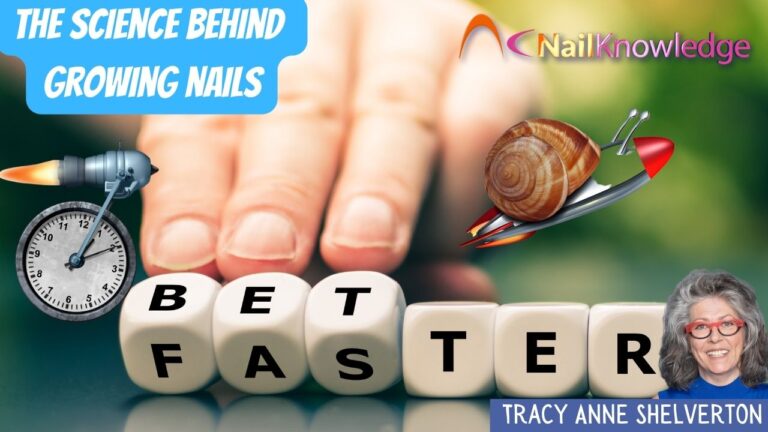
Khoa học đằng sau việc móng tay của bạn mọc nhanh hơn

Debunking Myths and Revealing Truths About Fast Nail Growth

When it comes to growing your nails faster, there are countless myths and misconceptions that have circulated for years. Some people believe that special treatments, products, or even home remedies can magically accelerate nail growth.

However, the truth is that the rate at which your nails grow is largely determined by genetics, and there’s no surefire way to make them grow significantly faster. In this article, we’ll debunk common myths and reveal the science behind healthy nail growth. While you can’t make your nails grow at lightning speed, you can certainly improve their overall health, strength, and appearance by following proper nail care practices and adopting a well-balanced lifestyle. Doing this, your nails will appear to grow faster, even though they are growing at your normal rate.

The key is in recognizing that a nail plate affected by disease, infection, dryness, cytostatica or nail biting grows per definition at a slower rate but it is also true that some nail unit diseases can cause nails to grow faster than normal.

I. Proper Nail Care and Hygiene

  • Keep nails clean by regularly washing them, dry them well and apply nail & skin oil.
    Maintaining clean nails is essential for their overall health. Regularly washing your nails drying them well and keeping them well-oiled helps prevent the growth of bacteria and fungi in or underneath the nail.
  • Avoid using harsh chemicals.
    Harsh chemicals in cleaning products can weaken your nails. Use gloves when working with chemicals, working in the garden and if possible when working with water.
  • Moisturize your hands and nails to prevent dryness.
    Dry nails are more prone to breakage and infection. Applying a good quality nail and skin oil or a good lotion regularly can help keep your hands and nails hydrated and healthy.

II. Nutrition and Diet

A nail plate can only get its nutrients from your blood. So our blood supply to the nail matrix is also important, if this is diminished then a poorer quality nail plate cell will be produced, nail plate cells can also be influenced by skin diseases such as eczema or psoriasis.

  • Consume a balanced diet rich in nutrients for nail health.
    Your nails need essential nutrients to grow strong and healthy. A balanced diet that includes a variety of vitamins and minerals is crucial.
  • Incorporate foods high in biotin, such as eggs, nuts, and leafy greens.
    Biotin, also known as vitamin B7, is often associated with nail health. Foods like eggs, nuts, and leafy greens are rich sources of biotin.
  • Ensure an adequate intake of vitamins and minerals like vitamin E, vitamin C, and zinc.
    Vitamins and minerals play a significant role in nail health. Vitamin E helps with nail strength, while vitamin C and zinc promote healthy nail growth.

III. Hydration

  • Drink plenty of water to keep your body and nails hydrated.
    Proper hydration is essential for nail health. Drinking enough water helps maintain moisture levels in your hands, nail unit and nails. (At 21 years of age, 18% of your natural nail is water)
  • Apply a moisturizing nail and cuticle cream regularly.
    In addition to staying hydrated internally, using a good quality moisturizing nail and skin oil and or lotion can help keep your nails from becoming dry and brittle.

IV. Nail Strengthening Products

  • Consider using nail strengthening products or treatments.
    Nail strengthening products can provide extra support for your nails, especially if they are prone to breaking. There are lots on the market, avoid using the ones that just make your nails harder, hard nails break, what you need is strength and flexibility so something that strengthens your nails while maintaining flexibility is perfect. When in doubt use a good quality oil.
  • Use a clear or strengthening base coat before applying nail polish.
    Applying a clear or strengthening base coat before nail polish can help protect your nails and prevent staining from nail polish. A good ridge filler is a good place to start, apply 2 thin coats for best results.

For professional salons there is an amazing nail strengthening system that works IN the nail plate not on it, remember flexible nails are stronger than hard nails, a hard nail will fracture when its damaged, a flexible nail will bend and not break.

V. Avoid biting your nails or using them as tools.

  • Overuse of a nail file before product application.
    If you wear nail polish, remove it on time and with a good nail polish remover. Hold the cotton pad or lint free wipe on the nail polish for 30 seconds before rubbing it off, this will help the remover penetrate the nail polish and make removal easier.

If you wear gel polish, choose a quality nail plate cleanser instead of roughing up the nail plate before product application and remove it according to manufacturer’s instructions.

  • Overuse of a nail file before product removal.
    Take care if using an Efile during the removal process that you only break open the gel polish before soak off. Soak Off Gel Polish is softer than hard gel or acryl, filing the top coat open with a hand file (180grit) should be sufficient.

If you use an Efile to thin the product for an ‘in fill’ take care to leave a layer of product on the natural nail. Be careful not to accidently remove the upper layer of the nail plate.

Nail biting and using your nails as tools can lead to damage and hinder their growth. Learning or coaching yourself or your client not to bite your/their nails will make a huge difference in how your natural nail grows but also help to combat dryness – Dryness can cause the bed epithelium to no longer adhere to the nail bed causing onycholysis and can even prevent the nail plate cells forming the nail plate as it should. The elasticity of the bed epithelium is paramount to a healthy nail plate.

VI. Protect Your Nails

  • Wear gloves when doing household chores or working with harsh chemicals.
    Household chores and exposure to harsh chemicals can weaken your nails. Wearing gloves provides an extra layer of protection.

Wear gloves when it’s extremely cold, oil your nails before you put them on and after you take them off.

  • Protect your nails from excessive exposure to water.
    Prolonged exposure to water can cause your nails to become weak and prone to breakage. It’s important to realise, it’s not a problem when nails are wet, but water causes the nail plate to expand and when the water evaporates from those nail plates the nail plate will shrink back to their original size, this shrinkage will expose any small fractures and make them bigger.

If you are wearing artificial nail products wear gloves to protect those stunning nails, oil before putting on your gloves the same applies when cleaning the car or doing the dishes, gloves are your best friends.

VII. Regular Trimming

  • Trim your nails regularly to prevent them from becoming too long and prone to breaking.
    Regular nail trimming helps maintain their length and prevents them from becoming overly long and fragile.
  • Use a sharp, clean nail clipper for trimming.
    Using a sharp, clean nail clipper ensures a clean and even cut, reducing the risk of nail damage. If you use a nail file, 220 – 180 grit is better. Using a lower grit can cause damage to the free edge of the nail plate creating splitting and delamination.

IX. Patience

  • Understand that nail growth takes time, and it varies from person to person.
    There’s no instant solution for rocket-speed growth. Be patient; your nails are on their own journey.
  • For pregnant women it’s a little different.
    When you are pregnant your nails will grow faster, this is due to a greater volume of blood in your body and the growth hormones that are produced so your baby develops well. The minute you give birth this acceleration stops and your nail growth will be normal (your normal) again.
  • In general men have thicker nails than women
    They grow at a slightly faster rate making them much better candidates for nail polish and gel polish.

It’s important to remember that everyone’s nails grow at different rates, and there’s no instant solution for faster growth. Dryness is the #1 enemy for nails and the nail unit and really can slow down your nail growth – using good quality oils and lotion really can make a difference – also for men.

  • Be patient and consistent with your nail care routine.
    Consistency is key when it comes to nail care. By following a regular and healthy routine, you can maintain the best possible nail health.

X. Consult a Professional

If you have concerns about your nail health, consider consulting a dermatologist or nail technician for advice and guidance.

If you’re experiencing persistent issues with your nails, seeking professional guidance is a wise choice. Dermatologists and qualified, well-schooled nail technicians or medical hand specialists can provide special, personalized recommendations based on your specific needs.

It’s important to remember, nutrients come to the nail matrix via the blood if the blood can’t reach the nail matrix as it used too, slower growing or defect nail plates will be the result. Patients receiving chemotherapy can experience significant nail plate and or nail bed damage in the first hours of treatment or even for years after the treatment ends, it can also stop the nail plate cells from being released for a short time creating Beaus lines or onychomadesis – Gentle care and maintenance becomes significantly more important for these patients. It’s the last thing you want to hear before commencing chemotherapy, but it’s wise to remove all artificial nail products before hand so that early signs of damage of the capillaries of the nail bed and leakage from this damage, can be spotted in time.

Conclusion: Achieving Healthy Nails

While the science behind growing your nails faster may not (yet) yield miraculous results, the good news is that you have the power to improve the overall health and appearance of your nails whatever their condition.

Proper nail care, a balanced diet, hydration, and protection are key elements in maintaining strong and beautiful nails.

Remember that patience and consistency are your allies on your journey to healthier and more resilient nails.

By following these guidelines and debunking the myths surrounding nail growth, you can enjoy nails that are not only aesthetically pleasing but also in the best possible condition.

Thuộc chủ đề:Thông tin chung, Phá vỡ huyền thoại

Mở khóa bí mật của Onychodermal Band

Dải Onychodermal

We see it every day while we’re at work, but do we really know what it is? Let’s take a closer look at Doug Schoon’s illustration to get a better understanding.

If we attempt to view it from behind the free edge, it appears like this:

• The Onychodermal Band is non-living tissue. It’s an extension of the bed epithelium.
• It has a gray-brownish color.

The Onychodermal Band: A Hidden Protective Barrier

Between the tấm móng tay and the nail bed lies the bed epithelium. When the bed epithelium reaches the end of the giường móng tay and folds in on itself, it becomes the Onychodermal Band. This narrow, compacted tissue acts as an extra pathogenic barrier beneath the free edge of the nail plate. It forms a partnership with the dưới móng and together they become a super seal – it often goes unnoticed and is nearly invisible. You have to look closely to perceive it.

The Onychodermal Band is somewhat translucent, a thin layer beneath the distal edge (free edge) of the tấm móng tay, spanning the entire width of the nail plate and bordering the visible white of the free edge.

The Onychodermal Band serves to prevent the smallest infectious organisms and contaminants from infiltrating the nail bed. If this protective tissue (pathogenic barrier) is breached, the nail plate separates from the nail bed causing onycholysis and dramatically increasing the risk of infection.

Its partner in the nail unit is the Hyponychium and that hyponychium is one of the four guardian seals of the nail unit, designed to protect the giường móng tay from germs and other infections, such as fungus or yeast. While the dưới móng is composed of living epidermal tissue. It’s important to note that the Onychodermal Band is non-living tissue and needs to remain elastic to perform its job effectively.

Enhancing Elasticity: Applying Oil Behind the Free Edge for Nail Health

Applying oil behind the free edge, rather than on top of the nail plate, can help maintain the elasticity that is needed, even if the Onychodermal Band has already detached.

Cautionary Measures and Autoimmune Considerations for Nail Care

Beware when using an Efile to shorten the nail coming out of a nail enhancement behind the free edge or if you use a sharp instrument to clean under the free edge, might accidentally damage it, and you’ll immediately see the consequences as onycholysis.

Some auto immune diseases can also have an impact:

• Psoriasis
• Lichen Planus
• Eczema

These are all diseases that can affect the Onychodermal Band, the nail matrix, the nail plate or the nail bed which then causes the seal to break. Applying oil behind the free edge is crucial because oil repels water keeps the guardian seal elastic and does not provide a source of nourishment for germs, offering excellent protection.

In this image, you can clearly see how psoriasis can affect it. When the ‘oil slick’ blister forms, the bed epithelium is directly affected by the upwards pressure of the blister dislodging it from the nail bed.  As the nail plate moves (perpetual motion) and the damaged bed epithelium gets closer to the free edge onycholysis is a fact and the nail bed is exposed to any and all pathogens.

Sometimes, you may also notice that the hyponychium is pulled along with the Onychodermal Band. Something simple (but not always noticed) like product shrinkage can easily cause this to happen. If you recognize this happening, stop with your nail product until the hyponychium is recovered or find a more flexible product. Here, too, a good quality oil is your friend. If you work with a cuticle pusher or an e-file in this area, you’re likely to cause more irritation.

The Onychodermal Band is of utmost importance for the overall health of the nail unit and must be treated with care. Being cautious during cleaning under the free edge is necessary. It’s better to clean with a soft brush and oil, always avoiding sharp objects under the free edge to keep the nail unit healthy.

Kết luận

The Onychodermal Band may go unnoticed in our daily lives, but it plays a crucial role in protecting our nails from infections and maintaining their overall health. Understanding its function and how to care for it is essential for nail health and hygiene. So, next time you’re working on your nails, remember the significance of the Onychodermal Band and treat it with the care it deserves to keep your nails looking and feeling their best.

Thuộc chủ đề:Thông tin chung, Công nghệ làm móng

  • « Chuyển đến Trang trước
  • Trang 1
  • Interim pages omitted …
  • Trang 12
  • Trang 13
  • Trang 14
  • Trang 15
  • Trang 16
  • Interim pages omitted …
  • Trang 30
  • Chuyển đến Trang sau »

Nâng cao kiến thức về làm móng

Tham gia bản tin của chúng tôi!
ĐĂNG KÝ...

Bản quyền © NailKnowledge

Kiến thức về móng tay

  • Sách điện tử
  • Về chúng tôi
  • Các khóa học
  • Tin tức
  • Blog
  • Bản tin
  • Thuật ngữ

Chính sách

  • Trang riêng tư
  • Điều khoản và điều kiện
  • Chính sách Cookie

Ủng hộ

  • Liên hệ với chúng tôi
  • Hỏi các chuyên gia
  • Hỗ trợ hệ thống
  • Câu hỏi thường gặp
Vietnamese
Vietnamese
English Portuguese Spanish