• Bỏ qua primary navigation
  • Bỏ qua nội dung chính
  • Bỏ qua footer
Kiến thức về móng tay

Kiến thức về móng tay

  • Các khóa học
  • MyNailEra
  • Sách điện tử miễn phí
  • Cơ sở tri thức
    • Cơ sở tri thức
    • Hỏi các chuyên gia
    • Thuật ngữ
  • Tin tức
  • Blog
  • Đăng nhập

Sữa dưỡng, Thuốc và Chất đánh bóng

Vi khuẩn và bệnh truyền nhiễm có thể lây truyền từ chai gel không?

Khi khách hàng bày tỏ lo ngại về nguy cơ nhiễm trùng móng sau khi làm móng gel, bạn có thể cảm thấy vừa bực bội vừa lo lắng, đặc biệt là khi bạn biết rằng các tiêu chuẩn vệ sinh của mình là hoàn hảo. Một câu hỏi thường gặp trong những tình huống này là:

“Vi khuẩn có thể lây truyền qua chai sơn gel hoặc cọ sơn gel không?”

Câu trả lời ngắn gọn là gì? Điều đó rất khó xảy ra.

Nguy cơ nhiễm trùng từ chai gel và trách nhiệm nghề nghiệp

Hãy cùng phân tích vấn đề này từng bước một, tìm hiểu về cơ sở khoa học của sơn gel, các nguy cơ nhiễm trùng, trách nhiệm nghề nghiệp, cũng như cách giải quyết những lo ngại của khách hàng một cách tự tin.

1. Khoa học đằng sau Gel đánh bóng: Môi trường không thích hợp cho vi khuẩn

Sơn gel không chỉ đơn thuần là một sản phẩm mỹ phẩm, mà còn là một hệ thống hóa học được pha chế kỹ lưỡng. Các thành phần chính của nó, bao gồm ethyl methacrylate, cồn isopropyl, chất khởi động quang và các thành phần khác, tạo ra môi trường khiến vi khuẩn phải đấu tranh để tồn tại.

  • Sức mạnh dung môi: Các dung môi có trong sơn gel hoặc sơn móng tay thông thường vốn có tính kháng khuẩn, nghĩa là chúng tiêu diệt hoặc ức chế sự phát triển của vi khuẩn và các vi sinh vật khác.
  • Nhúng đôi: Khi bạn nhúng cọ trở lại vào lọ gel sau khi sơn móng tay cho khách hàng, bất kỳ vi khuẩn nào có trên cọ sẽ ngay lập tức tiếp xúc với các chất tẩy rửa này. Khả năng sống sót trong môi trường chứa nhiều hóa chất như vậy là rất thấp.
  • Quy trình xử lý: Sau khi sơn, sơn gel sẽ được chiếu dưới tia UV hoặc đèn LED, giúp sản phẩm cứng lại và loại bỏ mọi khả năng phát triển của vi khuẩn.

Tóm lại: Chai sơn gel và cọ sơn không phải là nơi lý tưởng để vi khuẩn xâm nhập.

Tuy nhiên, điều này rất quan trọng, bởi vì chỉ vì bản thân sản phẩm không tạo điều kiện cho vi khuẩn phát triển không có nghĩa là chúng ta có thể chủ quan về các tiêu chuẩn vệ sinh hay bỏ qua các vấn đề liên quan đến sức khỏe móng tay.

2. Trách nhiệm nghề nghiệp của chúng tôi: Chỉ làm việc trên móng tay khỏe mạnh

Là những chuyên viên làm móng chuyên nghiệp, trách nhiệm của chúng tôi không chỉ dừng lại ở việc tạo ra những bộ móng đẹp, mà còn là bảo vệ sức khỏe và sự an toàn của khách hàng.

Chúng ta chỉ nên chăm sóc móng tay khi móng khỏe mạnh.

Nếu có bất kỳ nghi ngờ nào Khi phát hiện các vấn đề về sức khỏe móng tay của khách hàng, dù là dấu hiệu nhiễm trùng, chấn thương hay bất kỳ bất thường nào, biện pháp an toàn và chuyên nghiệp nhất là không tiếp tục dịch vụ và khuyên họ nên tìm lời khuyên y tế.

Giả định rằng “vi khuẩn hoặc mầm bệnh sẽ không phát triển trong chai do các chất hóa học, nên đây là rủi ro có thể chấp nhận được” là vô lý và vô trách nhiệm.

Vệ sinh luôn là ưu tiên hàng đầu:

  • Mọi dụng cụ và bàn chải phải được vệ sinh và khử trùng hoặc xử lý theo đúng quy định.
  • Các khu vực làm việc cũng phải được khử trùng và giữ gìn sạch sẽ.
  • Tay (cả của kỹ thuật viên và khách hàng) phải được khử trùng đúng cách trước khi bắt đầu dịch vụ, và nếu có thể, cả khi kết thúc dịch vụ.
  • Bất kỳ bất thường nào về móng tay hoặc da đều phải dừng lại, đánh giá và nếu cần, phải giới thiệu đến chuyên gia chăm sóc sức khỏe.

Duy trì thực hành vệ sinh và chỉ làm việc trên móng tay khỏe mạnh giảm thiểu hoặc thậm chí loại bỏ nguy cơ nhiễm khuẩn, bất kể sản phẩm có thể không thân thiện với môi trường đến mức nào.

Nếu không phải là Gel, thì sao? Nguyên nhân phổ biến gây nhiễm trùng móng tay

Mặc dù sơn gel bản thân nó không phải là nguyên nhân chính, nhưng nhiễm trùng móng tay có thể do các yếu tố khác gây ra. Dưới đây là những nguyên nhân phổ biến nhất:

  • Sơn Gel chưa khô
    Nếu gel không được làm cứng hoàn toàn dưới ánh sáng UV/LED, nó có thể vẫn còn dính và giữ ẩm — tạo điều kiện thuận lợi cho vi khuẩn và nấm phát triển.
  • Chuẩn bị móng không đúng cách
    Việc bỏ qua các bước quan trọng như làm sạch và khử trùng bề mặt móng trước khi sơn có thể khiến vi khuẩn hoặc nấm vẫn còn sót lại.
  • Công cụ bị ô nhiễm
    Các dụng cụ tái sử dụng nếu không được khử trùng hoặc tiệt trùng đúng cách có thể lây truyền vi khuẩn hoặc nấm từ khách hàng này sang khách hàng khác.
  • Chấn thương hoặc tổn thương móng tay
    Việc dũa móng quá đà, loại bỏ lớp biểu bì quá mạnh tay hoặc những vết xước vô tình trong quá trình làm móng có thể khiến lớp đáy móng và/hoặc vùng da xung quanh tiếp xúc với các tác nhân gây bệnh cơ hội.
  • Điều kiện có sẵn
    Những khách hàng đã bị nhiễm nấm hoặc có móng tay không khỏe mạnh tất nhiên sẽ dễ gặp phải các biến chứng nghiêm trọng hơn.
  • Phản ứng dị ứng
    Đôi khi, những gì tưởng chừng là nhiễm trùng thực ra có thể chỉ là tình trạng kích ứng hoặc phản ứng dị ứng với một trong các thành phần có trong lớp sơn móng tay.
  • Chăm sóc sau kém
    Những khách hàng để móng tiếp xúc với độ ẩm trong thời gian dài, với hóa chất độc hại hoặc bỏ qua lời khuyên chăm sóc sau khi làm móng có thể gặp các vấn đề về sức khỏe móng sau khi làm móng.

Mỗi yếu tố này có thể dẫn đến các triệu chứng như đỏ, sưng hoặc khó chịu, có thể giống như nhiễm trùng.

Cách giải quyết mối quan tâm của khách hàng một cách chuyên nghiệp

Điều quan trọng là phải xử lý những tình huống này một cách chuyên nghiệp, thấu hiểu và có sự hướng dẫn. Dưới đây là cách thực hiện:

Bước 1: Xác nhận mối quan tâm của họ
Bắt đầu bằng cách cảm ơn khách hàng đã nêu vấn đề với bạn. Đảm bảo với họ rằng mối quan tâm của họ đang được giải quyết nghiêm túc.

Ví dụ:
“Cảm ơn bạn rất nhiều vì đã chia sẻ mối quan ngại của bạn với tôi. Tôi rất coi trọng những vấn đề như thế này và mong muốn chúng ta cùng nhau giải quyết nó.”

Bước 2: Giáo dục với sự tự tin

Chia sẻ khoa học đằng sau chất đánh bóng và đặc tính kháng khuẩn của nó. Giải thích tại sao gel chưa đông cứng, tình trạng bệnh lý có từ trước hoặc các yếu tố khác là thủ phạm phổ biến hơn gây ra nhiễm trùng.

Ví dụ:
“Bản thân sơn gel không phải là môi trường thuận lợi cho vi khuẩn phát triển do thành phần hóa học của nó. Tuy nhiên, nhiễm trùng đôi khi có thể phát sinh từ các yếu tố khác, chẳng hạn như chấn thương ở móng, các bệnh lý sẵn có hoặc thói quen chăm sóc sau khi làm móng.”

Bước 3: Cung cấp hỗ trợ và khuyến khích chẩn đoán y tế

Nếu các triệu chứng của khách hàng vẫn tiếp diễn hoặc trở nên trầm trọng hơn, điều quan trọng là họ cần tham khảo ý kiến của chuyên gia y tế để được chẩn đoán chính xác.

Ví dụ:
“Tôi khuyên bạn nên đến gặp bác sĩ để xác định xem có bị nhiễm trùng hay không và tìm ra nguyên nhân chính xác. Điều này sẽ giúp cả hai chúng ta hiểu rõ hơn về những gì có thể đã xảy ra.”

Bước 4: Tăng cường tiêu chuẩn vệ sinh của bạn

Hãy tận dụng cơ hội này để trấn an khách hàng về cam kết của bạn đối với vấn đề vệ sinh và an toàn.

Ví dụ:
“Tại tiệm của tôi, tôi tuân thủ nghiêm ngặt các quy trình vệ sinh, bao gồm khử trùng dụng cụ, vệ sinh khu vực làm việc và tuân thủ hướng dẫn của nhà sản xuất đối với tất cả các sản phẩm.”

Suy nghĩ cuối cùng

Mặc dù lọ sơn gel và cọ không phải là nguồn lây nhiễm vi khuẩn nhưng nhiễm trùng vẫn có thể phát sinh từ những yếu tố khác.

Nhưng quan trọng hơn:

  • Chúng ta không bao giờ được cho rằng rủi ro là có thể chấp nhận được chỉ vì sản phẩm có thể làm giảm rủi ro.
  • Chúng tôi phải luôn duy trì các tiêu chuẩn cao nhất về vệ sinh và tính chuyên nghiệp.
  • Chúng ta chỉ nên chăm sóc móng tay khỏe mạnh, không có ngoại lệ.

Cách tiếp cận này không chỉ đảm bảo an toàn cho khách hàng mà còn bảo vệ danh tiếng và uy tín nghề nghiệp của bạn.

Tính chuyên nghiệp, giáo dục và trách nhiệm là những nền tảng của ngành nghề chúng ta. Hãy cùng nhau tiếp tục gìn giữ những giá trị này với niềm tự hào.

Hãy luôn học hỏi và chuyên nghiệp.

Thuộc chủ đề:Sữa dưỡng, Thuốc và Chất đánh bóng, Dịch vụ làm móng, Gel UV

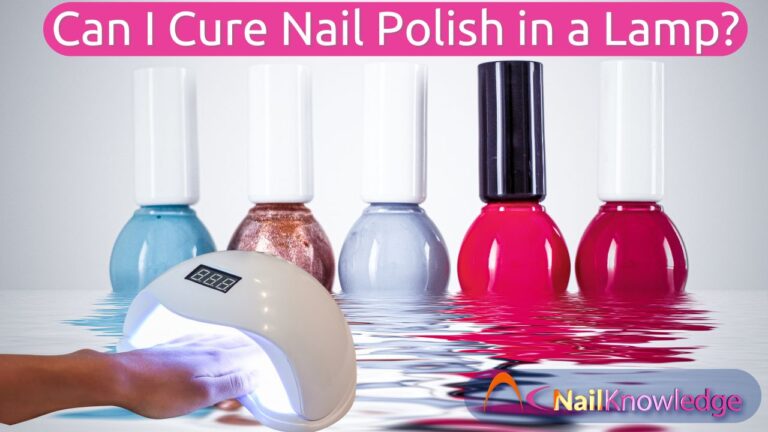
Tôi có thể làm khô sơn móng tay bằng đèn không?

Những người đam mê làm móng thường tự hỏi, “Can I cure regular nail polish in a UV/LED lamp?” 
The short answer is no, but the long answer requires a deeper dive into why this is not an ideal practice. While gel polishes are designed specifically for UV/LED curing, traditional nail polish is formulated differently. Let’s explore this topic in detail, covering the science, risks, and alternatives.

Sự khác biệt giữa sơn móng tay thông thường và sơn gel là gì?

Before understanding if you can cure nail polish in a lamp, it’s important to grasp the fundamental difference between regular nail polish and gel polish.

  • Sơn móng tay truyền thống: Loại sơn bóng khô bằng không khí này dựa vào sự bay hơi của dung môi để đông cứng. Nó không chứa thành phần nào phản ứng với tia UV/LED.
  • Sơn Gel: This is a special formula designed to cure under UV or LED light. Gel polish contains photoinitiators that activate under light exposure, causing the polish to harden almost instantly.

Traditional nail polish simply doesn’t have the chemical components necessary to benefit from UV/LED exposure. Trying to use a lamp with traditional polish is merely a fruitless exercise. Some UV/LED lamps emit warmth/heat that may support the evaporation of the polish solvents to a small degree or this method may be used to keep a client with a fidgety hand to remain still, but either way does not assist the overall drying of the polish. 

Bạn có thể cho sơn móng tay thông thường vào đèn UV/LED không?

Về mặt kỹ thuật, bạn Có thể đặt sơn móng tay truyền thống vào đèn UV/LED, nhưng nó sẽ không đông cứng đúng cách. Sơn móng tay truyền thống cần không khí để dần dần làm bay hơi dung môi, và đèn UV/LED sẽ chỉ làm tăng tốc độ bay hơi dung môi nếu đèn tỏa ra bất kỳ hơi ấm nào. Điều này có thể tạo ra hiệu ứng làm khô hời hợt trên lớp sơn trên cùng, khiến các lớp sơn bên dưới ướt và mềm.

If the base layers aren’t dry, this can lead to:

  • Làm mờ
  • Kết cấu không đồng đều
  • Làm móng tay trong thời gian ngắn

Sử dụng đèn UV/LED trên sơn móng tay thông thường có nguy cơ gì?

Using a UV/LED lamp with regular nail polish isn’t just ineffective; it can also come with risks.

  1. Thời gian sấy kéo dài
    Thay vì đẩy nhanh quá trình khô, việc tiếp xúc với tia UV/LED có thể khiến sơn móng tay của bạn dính lâu hơn vì nó làm gián đoạn quá trình bay hơi tự nhiên.
  2. Sự đổi màu hoặc suy thoái
    Các loại sơn thông thường không được thiết kế để tiếp xúc với tia UV và có thể bị hỏng hoặc đổi màu khi tiếp xúc với ánh sáng UV/LED.
  3. Làm hỏng đèn của bạn
    Over time, using traditional nail polish in a lamp simply is a waste of the lamp’s working hours, which is best saved for the gel products it was designed for.

Tại sao một số chuyên gia lại sử dụng chất đánh bóng truyền thống với đèn UV/LED?

You may have seen nail technicians applying traditional nail polish with UV/LED lamps and wonder how they make it work. The trick lies in the technique.
Some professionals use a “gel sandwich” method, where they:

  1. Apply a gel base coat and cure it.
  2. Phủ một lớp sơn móng tay thông thường mỏng và để khô hoàn toàn (Việc này mất thời gian).
  3. Seal with a gel top coat and cure.

This method allows for the use of regular colours, however, it’s important to note that the regular polish must be completely dry before applying gel layers. Even light dampness can cause bubbling, peeling, or lifting, it is certainly not a fully trusted method. It is always best practice to use products according to the manufacturer’s instructions vs playing chemist with professional products. 

Giải pháp thay thế tốt nhất cho việc làm khô sơn móng tay thông thường là gì?

If you want the benefits of a UV/LED manicure while using traditional polish, there are safer and more effective methods:

  • Đánh bóng lai
    Some brands offer hybrid nail polishes designed for UV/LED curing. These products combine the thinner, swifter removal, and flexibility experienced with regular polish with the durability of gel.
  • Lớp phủ và bình xịt khô nhanh
    If you’re looking to speed up drying times, a quick-dry top coat for traditional polish is a better option than using a UV/LED lamp. Also available are quick dry drops or sprays which speed up the evaporation of the solvents within the polish. 
  • Phương pháp ứng dụng 

Có được kết quả tốt nhất và thời gian khô nhanh bằng cách nâng cao phương pháp áp dụng của bạn. Đảm bảo móng sạch và khô, sẵn sàng để sơn bóng, sơn nhiều lớp mỏng, để mỗi lớp gần khô, tránh mọi sai sót của người đưa thư.    

Điều gì xảy ra nếu bạn sử dụng sai sản phẩm trong đèn UV/LED?

Nếu bạn sử dụng sản phẩm không được thiết kế để xử lý bằng đèn UV/LED, một số điều có thể xảy ra không mong muốn:

  • Bảo dưỡng không hoàn chỉnh:Chất đánh bóng có thể vẫn mềm hoặc dính, dẫn đến bị nhòe.
  • Sủi bọt hoặc nâng lên:Việc bảo dưỡng không đúng cách có thể tạo ra các túi khí làm yếu lớp sơn móng tay.
  • Thời gian lãng phí: You won’t achieve the long-lasting, glossy finish you expect from gel polishes.

Phán quyết cuối cùng: Bạn có thể làm khô sơn móng tay bằng đèn không?

While it’s tempting to use a UV/LED lamp for regular nail polish, the results won’t be what you’re hoping for. Traditional polishes are not designed for curing under UV/LED light, and attempting to do so can lead to disappointing results and potential risks.

If you’re looking for the durability and shine of gel nails, it’s best to stick with products formulated for UV/LED curing. Alternatively, use hybrid polishes to combine the best of both worlds.

For a flawless manicure, the right tools and products make all the difference. Now you know the science and risks behind curing regular nail polish in a UV/LED lamp—so you can make the best choice for your nails!

Thuộc chủ đề:Sữa dưỡng, Thuốc và Chất đánh bóng, Dịch vụ làm móng, Công nghệ làm móng

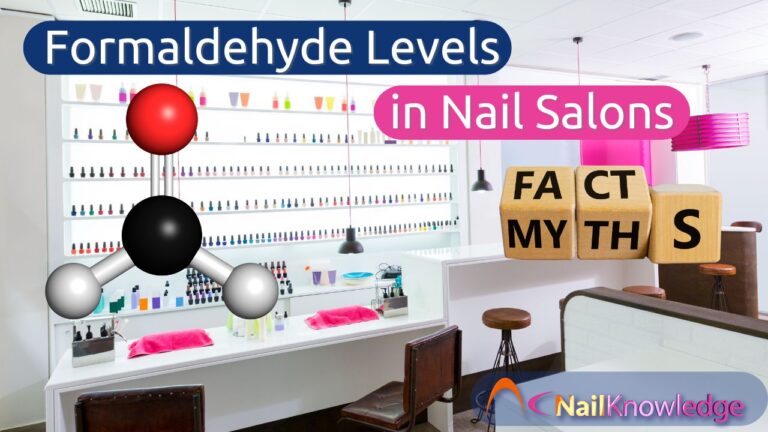
Hiểu về mức độ Formaldehyde trong tiệm làm móng

Formaldehyde is a naturally occurring chemical compound found in many everyday environments. While it has gained a negative reputation, particularly in the beauty industry, it’s important to distinguish between fear-based misinformation and scientific facts. In nail salons, concerns about formaldehyde levels are often based on misconceptions. This article explores the truth behind formaldehyde use in nail products and clarifies whether it poses any genuine risk to nail professionals or clients.

Are Formaldehyde Levels in Nail Salons Unsafe?

No, formaldehyde is not a problem in nail salons and never has been. The so-called risk of formaldehyde in nail polish campaigns was designed to mislead consumers, not to inform them. Here’s why I say this: a multi-year independent scientific study was performed under the guidance of the California State Attorney General with the goal of measuring formaldehyde levels in salons.

Formaldehyde Levels in Salon Environments

Many sizes and types of salons were tested in both Northern and Southern California and during the winter and summer, which is why it took more than a year to complete. The study demonstrated conclusively that formaldehyde levels in nail salons are no different than what would be expected in other common workplaces where nail products were not in use. Interestingly, during the study, it was observed that the formaldehyde levels were highest in the morning when the salon first opened and then dropped off steadily throughout the morning, leveling off at their normally low levels in the afternoon.

Why Formaldehyde Can Build Up Overnight

When the salon was closed for the night, traces of formaldehyde gas can build up as they normally do in closed spaces. Traces slowly escape from carpet glue and building materials, such as plywood. When a salon is opened and the air begins to circulate, the formaldehyde levels drop back down to normal levels. Even so, all the measured air concentrations in the nail salon study were considered safe.

Official Findings on Nail Salon Safety

When the study was concluded and the final report was issued, the California governmental authorities ruled that based on extensive salon exposure data, any formaldehyde levels in salons from nail polish, treatments, and hardeners were so low that no consumer warnings are required. In other words, nail polish does not release formaldehyde gas into the air to create any health risk whatsoever, even under what is probably the most stringent formaldehyde regulation in the world.

Misconceptions About Formaldehyde in Nail Products

This is because nail polish has never contained formaldehyde gas as an ingredient. Fear-based advocacy groups have tricked consumers into thinking that it does, but it’s just a big deception intended to frighten your friends, family, and customers to get them to donate money. Any gases in nail polish could only exist in very tiny traces, e.g., 0.0001% or a ten-thousandth of a percent!

Understanding Tosylamide Formaldehyde Resin

Some confuse a hard polymer resin called tosylamide formaldehyde resin, thinking this solid polymer is the same as formaldehyde gas. It’s not even close. It can be a source of traces of formaldehyde dissolved in solution, but these are very safe levels and will not cause harm. Some claim these are dangerous because they release formaldehyde – well, so do people. We naturally exhale traces of formaldehyde in our breath because our bodies naturally make and use formaldehyde on a daily basis.

Formaldehyde as a Potential Allergen

While the levels of formaldehyde found in salons are generally considered low and safe, it’s important to acknowledge that formaldehyde is a known sensitiser and allergen for some individuals. Prolonged or repeated exposure, even at low levels, can trigger allergic contact dermatitis, particularly in those with existing sensitivities. Symptoms may include redness, itching, or rash, especially on the hands and fingers. For this reason, professionals who experience skin reactions should consult a healthcare provider and consider using gloves or alternative products that are free from formaldehyde-releasing compounds.

Clarifying Methylene Glycol and Formaldehyde Levels

Some nail hardeners contain “methylene glycol” at around 1-2%. In the past, manufacturers were required to call this ingredient by the incorrect name, “formaldehyde,” rather than its correct name, “methylene glycol.” This error has since been corrected, but it’s probably where the confusion began. Even when informed of their error, some advocacy groups continued to ignore the facts and spread misinformation.

Debunking Misinformation About Formaldehyde Levels

These groups claimed that up to 5% formaldehyde was used in nail polish, which was another huge distortion. When methylene glycol is used as a nail hardener, usually at 2% or less, the container typically contains less than 0.001% dissolved formaldehyde gas – not nearly enough to cause any harm. Even if all the formaldehyde suddenly came out at once, it still wouldn’t be harmful. Our bodies naturally exhale formaldehyde with every breath, and it’s even found in some organic foods like apples.

Safe Formaldehyde Levels in Nail Salons

Formaldehyde is not the terrible boogeyman these irresponsible groups claim it to be. The claim that there are no safe levels of formaldehyde is simply not true. Formaldehyde does not absorb through the skin or nails, as some falsely claim. It only poses an inhalation risk at high concentrations over long periods – levels that would never be reached in a nail salon.

Conclusion: Trust the Facts About Formaldehyde Levels

Clearly, nail professionals are not exposed to significant amounts of formaldehyde gas, nor is there any risk of harm from the tiny traces found in salons or nail polish. Nail salons do not need to monitor formaldehyde levels because the risk is negligible. Don’t let fear-based groups mislead you – nail polish has been safe for over 80 years, and there’s no evidence to suggest otherwise.

Thuộc chủ đề:Sữa dưỡng, Thuốc và Chất đánh bóng

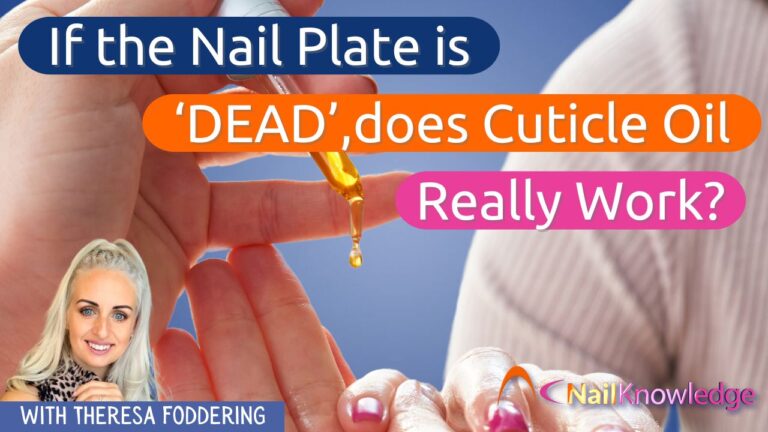
Dầu dưỡng biểu bì: Tại sao móng tay 'chết' vẫn rất cần chúng!

Chúng tôi thường được hỏi câu này: “If the nail plate is ‘dead,’ does cuticle oil really work?” It’s a valid question, and the terminology floating around online can often be confusing or misleading. The truth is, while the nail plate is made of dead keratinised cells, that doesn’t mean it doesn’t benefit from proper care.

Vì vậy, hãy để tôi làm rõ vấn đề và đưa ra cho bạn lời khuyên tốt nhất về lý do tại sao dầu dưỡng móng lại cần thiết và chúng thực sự có tác dụng như thế nào.

Nails Are ‘Dead,’ But That Doesn’t Make Them Immune to Damage

It’s true that the nail plate is composed of dead, keratinised cells. However, the fact that it’s ‘dead’ tissue doesn’t mean it’s unaffected by day-to-day life. Think of your hair—also ‘dead’ keratinised cells. We still shampoo, tình trạng, and even apply masks and oils to moisturise – to improve its look, feel, and resilience. The same applies to our nail plates. They might not be “alive,” but they can still become dry, brittle, and prone to breakage due to environmental factors, repeated chemical exposure, or just everyday wear and tear.

Lớp biểu bì là gì và tấm móng là gì?

The Cuticle: The cuticle is a thin layer of dead, very sticky skin cells produced by the eponychium hitching a ride out along with the growing nail plate, forming a protective seal at the base of the nail. While important as a barrier, this non-living tissue can be safely removed or softened and gently lifted during professional services to prevent the lifting of nail coatings and to keep the area aesthetically tidy.

Móng tay: The nail plate itself is a stack of flattened, keratinised cells that emerge from the matrix. Although it’s ‘dead’ tissue, it still thrives when it’s maintained at an optimal moisture and oil balance. This condition makes it stronger, more flexible, and less likely to peel or crack.

From ‘Cuticle Oil’ to ‘Nail & Skin Oil’

Many top brands have moved away from calling it “cuticle oil” and now refer to it as “Nail & Skin Oil.” I’m quite passionate about this language evolution. This shift in terminology is more than just marketing. It recognises that the true value is in hydrating and protecting both the nail plate and the surrounding living skin structures—such as the lateral nail folds, the proximal nail fold (PNF), and the hyponychium. These areas are very much alive and form essential protective seals that help guard the delicate matrix where the nail is formed and grows.

In truth, we remove the actual cuticle (which is non-living, sticky tissue that forms an important seal), so moisturising the “cuticle” itself doesn’t make sense. Instead, we focus on conditioning the living skin around the nail and the nail plate itself, maintaining a healthier, more flexible, and less damage-prone environment.

Một số loại dầu thẩm thấu và bảo vệ như thế nào

Not all oils are created equal. Some, like jojoba and avocado oil, contain smaller or more elongated molecular structures that can penetrate more easily into the superficial layers of the nail plate and the surrounding skin. They won’t dive deeply into the centre of the nail plate the way water might seep into a sponge, but they can and do move into the upper layers with repetitive application. This penetration helps lock in moisture, providing flexibility and protection against brittleness and breakage.

Tocopherol (vitamin E) molecules, on the other hand, are larger and struggle to fully penetrate on their own. However, they’re still incredibly beneficial. When blended with natural oils, tocopherol can “hitch a ride,” allowing some of it to settle just beneath the surface. This is actually where it’s needed most—to provide antioxidant protection near the nail’s surface, helping safeguard against discolouration, UV damage, and brittleness over time.

Ba loại dưỡng ẩm chính

Emollients, humectants, and occlusives are three categories of moisturising ingredients that work together to maintain healthy nails and skin. Emollients help smooth and soften by filling in tiny gaps between cells, improving flexibility and texture. Humectants draw moisture into the nail plate and surrounding skin, ensuring it remains hydrated. Occlusives create a protective barrier that seals in this moisture, preventing it from escaping too quickly and shielding against environmental stressors. High-quality nail and skin oils often contain a blend of these ingredient types to provide a balanced approach—nourishing the nail plate, maintaining the skin’s integrity, and promoting a well-hydrated, resilient surface.

  • Chất làm mềm: Làm mịn và mềm mại bằng cách lấp đầy những khoảng trống nhỏ giữa các tế bào, cải thiện độ đàn hồi và kết cấu.
    Examples: Jojoba oil, Avocado oil, Almond oil, Squalene
  • Chất làm ẩm: Hút độ ẩm vào móng tay và vùng da xung quanh, đảm bảo móng luôn được ngậm nước đầy đủ.
    Examples: Glycerin, Hyaluronic acid, 
  • Chất bịt kín: Tạo ra lớp màng bảo vệ giúp khóa chặt độ ẩm, ngăn không cho độ ẩm thoát ra ngoài và bảo vệ da khỏi các yếu tố môi trường.
    Examples: Lanolin, Shea butter, Petroleum Jelly, Cocoa Butter

Tại sao nên sử dụng dầu xả?

Conditioning oils don’t just sit on top; they help create a more flexible, impact-resistant environment. This flexibility reduces the chance of breakage and can improve the longevity of your manicure, whether you wear polish, gel, enhancements, or just go Au Natural. Furthermore, the oils help maintain the health of the surrounding skin, encouraging proper barrier function, reducing hangnails, and promoting an overall healthier nail unit.

In other words, while the nail plate isn’t alive, it’s still receptive to what you apply. These targeted oils enhance appearance, support durability, and protect against external stresses. When combined with regular use, you create a consistent layer of defence—like conditioning your hair regularly so it stays shiny, flexible, and resilient.

Kết luận:

  • Yes, the nail plate is ‘dead’—but it still benefits from oils to maintain flexibility and prevent damage.
  • ‘Nail & Skin Oil’ is a more accurate term than ‘cuticle oil’ because we focus on living skin around the nail and the nail plate itself, not the removable cuticle.
  • Certain oils, like jojoba and avocado, do penetrate and condition the nail’s top layers and surrounding skin. Tocopherol (vitamin E), especially when carried by these oils, protects and prevents unwanted chemical reactions at or near the surface.

Thuộc chủ đề:Sữa dưỡng, Thuốc và Chất đánh bóng

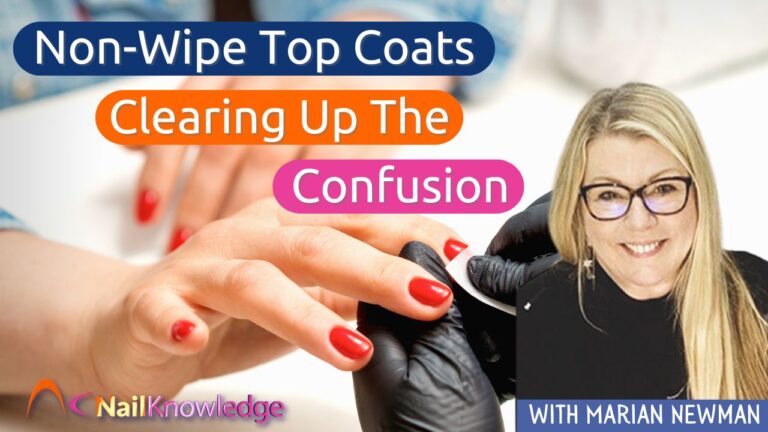
Lớp phủ không lau: Làm rõ sự nhầm lẫn

We get asked this question a lot: “Do non-wipe top coats really need to be wiped?” With so much conflicting information out there, it’s understandable to feel unsure. Safety is essential, and knowing the facts helps protect both you and your clients from potential allergies or irritation.

To help clear things up, here’s a detailed breakdown of non-wipe top coats, why some people still choose to wipe, and how to use them safely and effectively.

What is a Non-Wipe Top Coat?

  1. Non-wipe top coats are designed to cure completely without leaving a sticky or tacky inhibition layer after being cured under a UV or LED lamp.
  2. This means, in theory, you do không need to wipe the nail with alcohol or any cleanser after curing.

Why Some People Might Still Wipe

  1. Misunderstanding: Some people may be used to traditional top coats (which do leave an inhibition layer) and automatically wipe without realizing it’s unnecessary.
  2. Shine or Texture Preference: Occasionally, people feel that wiping enhances the shine or feel of the top coat. However, for genuine non-wipe top coats, this step is unnecessary.
  3. Safety Concerns: Some technicians worry that uncured product might be left behind, causing allergies or contact dermatitis. However, if the product cures correctly under a calibrated UV/LED lamp, it should be fully set, and no harmful substances should remain. If you are worried about the incidences of allergies then continue to wipe over the cured coating just in case there is any uncured material. Remember to wipe from base to the tip each time and start with little finger

Best Practices for Using a Non-Wipe Top Coat Safely

  1. Follow Manufacturer Instructions: Ensure you are using a top coat specifically formulated as a non-wipe product. Always trust the manufacturer’s guidelines and use the correct curing times and lamps they recommend.
  2. Proper Curing: Ensure your UV/LED lamp is suitable (check wattage and cure times). An under-cured product can lead to uncured monomers causing skin irritation or allergies.
  3. Check the Surface: After curing, if the nail feels fully smooth and dry, there’s no need to wipe. If it feels tacky, there may be an issue with the curing process, or it might not be a true non-wipe formula.
  4. Regularly Test Your Lamp: Over time, lamps may lose their efficiency. Ensure your lamp is functioning well to avoid incomplete curing.
  5. Allergy Awareness: If you or your clients have sensitive skin, make sure to avoid direct skin contact with the uncured product, as this can increase the risk of allergies.

Phần kết luận

If your top coat is labeled as a non-wipe product and you are using it correctly with a properly functioning lamp, there’s no need to wipe. Inconsistent advice may come from misunderstandings or concerns about proper curing. Trust the product guidelines and ensure good curing practices to keep yourself and your clients safe.

If you still feel uncertain, consider reaching out directly to the manufacturer’s customer support for clarification or additional advice tailored to their product.

Thuộc chủ đề:Sữa dưỡng, Thuốc và Chất đánh bóng

Tại sao bạn không bao giờ nên sử dụng nhũ thủ công trong các sản phẩm làm móng

We get asked this question a lot: “Can I use craft glitter with nail products instead of glitters made specifically for nails? Aren’t they basically the same thing?” While it might seem like a harmless swap, there are some important reasons why craft glitters should never be used in nail applications. Let’s dive into the details to clear up any confusion and explain the potential risks.

Tại sao chỉ có nhũ dùng trong mỹ phẩm mới an toàn cho móng tay

In my opinion, craft glitters sold for arts and crafts should not be used for nail art application and should never be mixed with nail products. I recommend using only glitters and other colorants that are cosmetic-grade. Not just any cosmetic-grade colorant, you should only use those that are specifically sold for use in nail coating cosmetics. Why? There are several good reasons for why I believe this to be true. Many countries, including the US, Canada, Australia and those of the European Union and others have specific regulations concerning which types of colorants can be used in cosmetics. This is done to ensure safety. Those used for crafts or other non-cosmetic uses are not designed for the type of contact that can occur with cosmetics and may cause adverse skin reactions. 

Cảnh báo thực tế: Phản ứng dị ứng từ kim tuyến thủ công

An example of what can happen when improper colorants are used. This was reported in a highly respected medical journal in 2012. Several physicians reported a case-study involving a patient that had come to them with an allergic reaction after wearing UV gel nail coatings for about a year. This 37-year-old housewife had never before experienced any type of phản ứng dị ứng da. Trong ba tháng, cô đã nhận được dịch vụ làm móng giả from a nail professional and then decided that she could “do it herself”. That was the first mistake she made. After about seven months, she developed multiple, intensely itchy sores on the skin surrounding her nail plates and on the palms of both hands.

Để xác định lý do tại sao cô ấy gặp phải phản ứng bất lợi này trên da, bác sĩ đã tiến hành một xét nghiệm miếng dán da tiêu chuẩn. Xét nghiệm này cho da cô tiếp xúc với một lượng nhỏ các chất gây dị ứng phổ biến, cũng như sản phẩm làm móng mà cô đang sử dụng.

The test results were surprising. The skin testing showed she was NOT reacting to the nail coating product at all, as the doctors may have first suspected. Instead she was having a surprisingly strong allergic reaction to another common allergy producing substance included in the patch testing. She reacted strongly to a substance called “cobalt chloride”, which seemed rather odd, until the patient was questioned further.

 The doctor learned she had purchased some “craft glitters” from the Internet and had been mixing up her own color blends which she applied to her own nails. That was her second mistake. Upon further investigation, it was learned that “cobalt” was listed as an ingredient in the glitters. The cobalt ingredient in the craft glitters was entirely responsible for her allergic skin reaction. Once she stopped using the craft glitters, these skin problems disappeared.

Những nguy hiểm của chất tạo màu không phải mỹ phẩm trong sản phẩm làm móng

Cosmetic colorants don’t contain cobalt, nickel, chromium, or other such metals, because these are known to cause allergic skin reactions. Not all metals cause skin allergies. Titanium is an example of one that does not. These allergy causing metals and their derivatives should never be used in any cosmetic products. Even inhaling the dusts of these allergy causing metal colorants can be unsafe. It also is important to understand that not all cosmetic colorants are useful for nail application.

Some contain special additives that can contribute to nail coating service breakdown. For example, some cosmetic colorants have a silicone surface-coated which can block adhesion and contribute to lifting problems. While others contain additives that allow them to be dispersed in water, making them incompatible with nail coating products. Using these can weaken the nail coating and make them more likely to crack or break.

Tại sao các thương hiệu đáng tin cậy và các đại lý được ủy quyền lại quan trọng

Responsible manufacturers select and test glitters and color pigments before selling them; they choose those that are safe for use and those which are compatible with nail coating products. This takes out the guess work and helps protect the safety of nail professionals and their clients. Now you can see why I recommend that nail professionals only use glitters and colorants specifically designed for nail products. But there’s more, I recommend purchasing only from the manufacturer or their authorized dealers. The Internet is filled with counterfeit products that can be unsafe and may contain potentially hazardous substances that should NOT be used in cosmetic products.

Tránh hàng giả: Chọn nhà phân phối được ủy quyền và thương hiệu đáng tin cậy

I wrote an Education Update that warns salon professionals about this issue. In that Update I recommend avoiding purchasing any professional salon products from the Internet unless the product is sold by an “authorized” distributor. Counterfeits are often sold by unauthorized dealers, so beware! These can be found all over the Internet. I also recommend sticking to respected, brand name products. Otherwise, you never know what you’re getting or what’s being used in your services. They may seem cheaper, but they are cheaper for a reason. Most of the time, the safe ingredients have been substituted for cheaper ingredients that may be unsafe.

Thuộc chủ đề:Sữa dưỡng, Thuốc và Chất đánh bóng

  • « Chuyển đến Trang trước
  • Trang 1
  • Trang 2
  • Trang 3
  • Trang 4
  • Trang 5
  • Trang 6
  • Các trang tạm thời đã được bỏ qua …
  • Trang 11
  • Chuyển đến Trang sau »

Nâng cao kiến thức về làm móng

Tham gia bản tin của chúng tôi!
ĐĂNG KÝ...

Bản quyền © NailKnowledge

Kiến thức về móng tay

  • MyNailEra
  • Sách điện tử
  • Về chúng tôi
  • Các khóa học
  • Tin tức
  • Blog
  • Bản tin
  • Thuật ngữ

Chính sách

  • Trang riêng tư
  • Điều khoản và điều kiện
  • Chính sách Cookie

Ủng hộ

  • Liên hệ với chúng tôi
  • Gặp gỡ các chuyên gia
  • Hỏi các chuyên gia
  • Hỗ trợ hệ thống
  • Câu hỏi thường gặp
Vietnamese
Vietnamese
English Portuguese Spanish